

Your knee aches when you climb stairs. Your fingers stiffen when you try to open a jar. That morning stiffness keeps you in bed ten minutes longer than it should. Sound familiar? If you’re over fifty and dealing with joint pain, you’re not alone. But here’s the good news that’ll make you sit up straighter: the mediterranean diet for joint pain might be the natural solution you’ve been searching for, and it doesn’t involve another bottle of pills.
I know what you’re thinking. Another diet that promises the world and delivers lettuce leaves and disappointment. Fair enough. But this isn’t about deprivation or exotic ingredients you can’t pronounce. The Mediterranean diet has been easing inflammation and helping people move more freely for thousands of years. Real food. Real results. No gimmicks.
Let me show you exactly how this works and why your aching joints might finally get the relief they deserve.
Quick Answer: Can Mediterranean Diet Really Help Joint Pain?
Yes. The mediterranean diet for joint pain works by reducing inflammation through omega-3 fatty acids, antioxidants, and polyphenols found in olive oil, fish, nuts, and vegetables. Research shows people following mediterranean diet patterns experience less joint stiffness, reduced arthritis symptoms, and improved mobility within weeks. The diet’s anti-inflammatory components target the root causes of joint pain rather than just masking symptoms.
3 Key Takeaways About Mediterranean Diet and Joint Relief
Inflammation Drops Fast
The Mediterranean eating pattern can reduce inflammatory markers in your body within 2-3 weeks. Extra virgin olive oil and omega-3 fatty acids from fish work together to calm the inflammation driving your joint pain.
Real Food, Real Results
You don’t need supplements or special products. Common Mediterranean foods like tomatoes, spinach, salmon, and walnuts contain natural compounds that protect joint cartilage and reduce arthritis progression.
Long-Term Joint Protection
Beyond immediate pain relief, adherence mediterranean diet provides lasting benefits. Studies show reduced risk of developing severe arthritis and better preservation of joint function as you age.
Why Your Joints Hurt and How Mediterranean Diet Helps

Joint pain isn’t just about getting older. It’s about inflammation gone haywire in your body. When you eat processed foods, refined sugars, and unhealthy fats, your body responds with inflammation. That inflammation settles into your joints like an unwelcome houseguest who won’t leave.
Here’s where the Mediterranean diet changes the game. This eating pattern floods your body with anti-inflammatory compounds that actually calm down that overactive inflammatory response. We’re talking about real, measurable changes in your body chemistry.
The Science Behind Mediterranean Diet Reduce Inflammation Arthritis
Research published in medical journals shows the components mediterranean diet work on multiple levels. Omega-3 fatty acids from fish compete with inflammatory omega-6 acids in your cell membranes. Polyphenols from olive oil act like tiny firefighters, putting out inflammatory fires throughout your body. Antioxidants from fruits and vegetables protect your joint cartilage from oxidative damage.
A study in Nutrients journal found that following mediterranean diet patterns led to significant reductions in joint pain scores and improved physical function in people with rheumatoid arthritis. The results weren’t subtle. People reported less morning stiffness, better mobility, and reduced need for pain medication.
What Makes This Diet Different From Other Anti-Inflammatory Approaches
Unlike restrictive elimination diets that leave you hungry and frustrated, the Mediterranean eating pattern is abundant. You’re adding healing foods, not just removing problem ones. The diet is rich in:
- Extra virgin olive oil with powerful anti-inflammatory oleocanthal
- Fatty fish providing omega-3 fatty acids that reduce joint inflammation
- Colorful vegetables packed with antioxidants protecting cartilage
- Whole grains offering sustained energy and fiber for gut health
- Nuts and seeds with healthy fats and inflammation-fighting nutrients
- Herbs and spices that add flavor while reducing inflammation
Your body needs these nutrients to repair damaged tissue and calm inflammation. The mediterranean diet for rheumatoid arthritis relief works because it provides exactly what your joints need to heal.
Start Your Journey Risk-Free
Before we go further, you should know about the free 28-Day Mediterranean Diet Maintenance Program. It’s yours at no cost and includes daily meal ideas, shopping tips, and support to keep you on track. No credit card required. Just practical help to get you started. We’ll tell you how to access it later in this article.
Best Anti Inflammatory Foods for Joints You Should Eat Daily
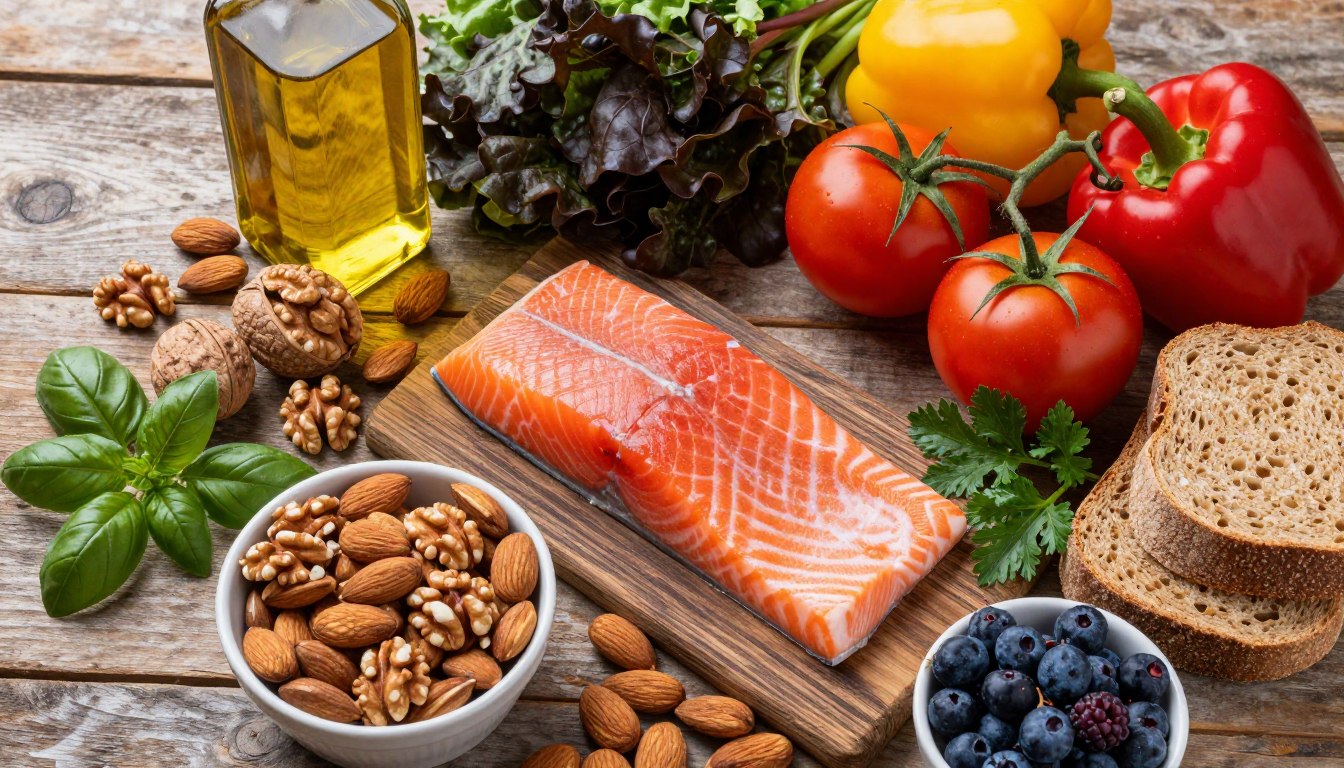
Let’s get practical. You need to know exactly what to put on your plate. These aren’t exotic ingredients from specialty stores. Most are sitting in your local supermarket right now, probably on sale.
The Power Players for Joint Health
Extra virgin olive oil deserves the top spot. Research shows it contains oleocanthal, a compound that works similarly to ibuprofen but without the side effects. Use it generously. Drizzle it on vegetables. Use it for cooking. Make it your primary fat source.
Fatty fish like salmon, mackerel, and sardines provide omega-3 fatty acids in forms your body can use immediately. These acids reduce the production of inflammatory chemicals in your joints. Aim for fish twice weekly minimum. Three times is better.
Walnuts and almonds offer plant-based omega-3s and vitamin E, which protects joint cartilage from damage. A handful daily makes a difference. They’re perfect for snacking when you need something crunchy.
Vegetables That Fight Inflammation
Dark leafy greens like spinach and kale contain compounds that reduce inflammatory markers in your blood. The darker the green, the more powerful the effect. Tomatoes provide lycopene, another inflammation fighter. Berries offer anthocyanins that reduce joint swelling.
Whole grains like quinoa, brown rice, and whole wheat provide fiber that feeds healthy gut bacteria. A healthy gut reduces system-wide inflammation that contributes to joint pain. Your digestive health and joint health are more connected than you might think.
Daily Anti-Inflammatory Essentials
- 2-3 tablespoons extra virgin olive oil
- 1 serving fatty fish (or walnuts on non-fish days)
- 2 cups dark leafy greens
- 1-2 cups other colorful vegetables
- Handful of nuts or seeds
- 2-3 servings whole grains
Weekly Inflammation Fighters
- 3-4 servings fatty fish minimum
- Daily variety of colorful vegetables
- Fresh herbs with every meal when possible
- Berries 3-4 times weekly
- Legumes 2-3 times weekly
- Limited red meat (once weekly or less)
How Mediterranean Diet for Rheumatoid Arthritis Relief Actually Works
Understanding the mechanism helps you trust the process. When you eat Mediterranean-style, several things happen simultaneously in your body. None of them involve magic. All of them involve good science.
The Inflammation Cascade Gets Interrupted
Your body produces inflammatory chemicals called cytokines when your immune system thinks something’s wrong. In arthritis, your immune system is overreacting. The components mediterranean diet contain compounds that reduce cytokine production.
Omega-3 fatty acids from fish get incorporated into your cell membranes. Once there, they produce less inflammatory signaling molecules compared to the omega-6 acids from processed foods. It’s like replacing loud alarm bells with gentle chimes. Your immune system still responds to real threats but stops overreacting to normal joint wear.
Oxidative Stress Decreases
Free radicals damage your joint cartilage over time. Antioxidants from Mediterranean vegetables and fruits neutralize these free radicals before they can cause harm. Think of antioxidants as bodyguards for your joint tissue.
Studies show people with higher adherence mediterranean diet have lower levels of oxidative stress markers in their blood. Their joints experience less ongoing damage. The progression of arthritis slows down measurably.
Gut Health Improves, Inflammation Drops
Your gut bacteria influence inflammation throughout your body. The fiber from whole grains, vegetables, and legumes feeds beneficial bacteria. These good bacteria produce short-chain fatty acids that reduce inflammation system-wide.
A healthy gut lining also prevents inflammatory compounds from leaking into your bloodstream. The mediterranean diet strengthens that gut barrier. Less inflammation escapes. Your joints feel the difference within weeks.

Real Results From Real Research
A comprehensive review in medical literature examined the effects mediterranean diet on arthritis symptoms across multiple studies. The results were consistent. People following the diet experienced:
- Reduced morning stiffness lasting 30-40 minutes less
- Decreased joint tenderness and swelling
- Improved grip strength and physical function
- Lower inflammatory markers in blood tests
- Reduced reliance on pain medication
- Better quality of life scores
The impact wasn’t overnight, but it was steady. Most people noticed improvements within three to six weeks. Some felt changes sooner. The key was consistency with the eating pattern.
Getting Started: Your First Week on Mediterranean Diet for Joint Pain
Starting a new eating pattern can feel overwhelming. You don’t need to overhaul everything on day one. Small changes compound into significant results. Let’s make this simple and doable.
Week One Focus: Add Before You Subtract
Don’t start by removing foods. Start by adding Mediterranean staples to what you already eat. Add olive oil to your morning eggs. Add a handful of walnuts to your afternoon routine. Add an extra serving of vegetables to dinner.
This approach feels abundant, not restrictive. You’re crowding out inflammatory foods naturally by filling up on healing ones. By week two, you’ll notice you’re eating less processed food without trying. That’s the goal.
Simple Swaps That Make a Difference
- Butter → Extra virgin olive oil for cooking
- Snack chips → Handful of almonds or walnuts
- White bread → Whole grain sourdough
- Red meat → Fatty fish or legumes
- Creamy dressing → Olive oil and lemon juice
- Sugary dessert → Fresh berries with yogurt
Daily Habits to Build
- Start each day with extra virgin olive oil in some form
- Include vegetables at every meal, including breakfast
- Keep nuts visible and accessible for snacking
- Plan fish meals twice weekly minimum
- Use herbs generously instead of salt
- Drink water as primary beverage
Meal Structure That Supports Joint Health
Mediterranean meals follow a simple pattern. Half your plate should be vegetables. Quarter should be lean protein (fish, chicken, legumes). Final quarter should be whole grains. Add healthy fat from olive oil or nuts. Simple. Flexible. Effective.
Breakfast might look different than you’re used to. Think savory more often than sweet. Eggs cooked in olive oil with spinach and tomatoes. Whole grain toast with mashed avocado. Greek yogurt with walnuts and berries. All acceptable. All anti-inflammatory.
7-Day Mediterranean Starter Plan for Joint Pain Relief
This plan gives you a framework, not a rigid prescription. Swap meals around. Repeat favorites. Adjust portions to your needs. The goal is showing you how easy this eating pattern can be.
Your Screenshot-Ready 7-Day Plan
- Breakfast: Greek yogurt with walnuts, berries, drizzle of honey
- Lunch: Large salad with chickpeas, tomatoes, cucumbers, olive oil dressing
- Dinner: Baked salmon with roasted vegetables and quinoa
- Snack: Apple slices with almond butter
Monday & Thursday
- Breakfast: Whole grain toast with mashed avocado and tomatoes
- Lunch: Lentil soup with whole grain bread and side salad
- Dinner: Grilled chicken with Mediterranean roasted vegetables
- Snack: Handful of mixed nuts
Tuesday & Friday
- Breakfast: Vegetable omelet cooked in olive oil with fresh herbs
- Lunch: Sardines on whole grain crackers with vegetable sticks
- Dinner: White fish with tomato-olive sauce and whole wheat pasta
- Snack: Fresh fruit with a few walnuts
Wednesday & Saturday
- Breakfast: Whole grain pancakes with berries and Greek yogurt
- Lunch: Mediterranean mezze plate (hummus, vegetables, olives, whole grain pita)
- Dinner: Slow-cooked chicken with vegetables and brown rice
- Snack: Dark chocolate square (70% cacao minimum) with almonds
Sunday Special
Daily Constants Across All Days
- 2-3 tablespoons extra virgin olive oil used throughout the day
- At least 2 cups water with each meal
- Fresh herbs added to cooking when possible
- Vegetables at every meal including breakfast
Notice how this isn’t deprivation. You’re eating real food in satisfying amounts. The variety keeps it interesting. The simplicity keeps it sustainable. That’s exactly what you need for long-term success and lasting joint pain relief.
Your Screenshot-Ready Mediterranean Grocery List
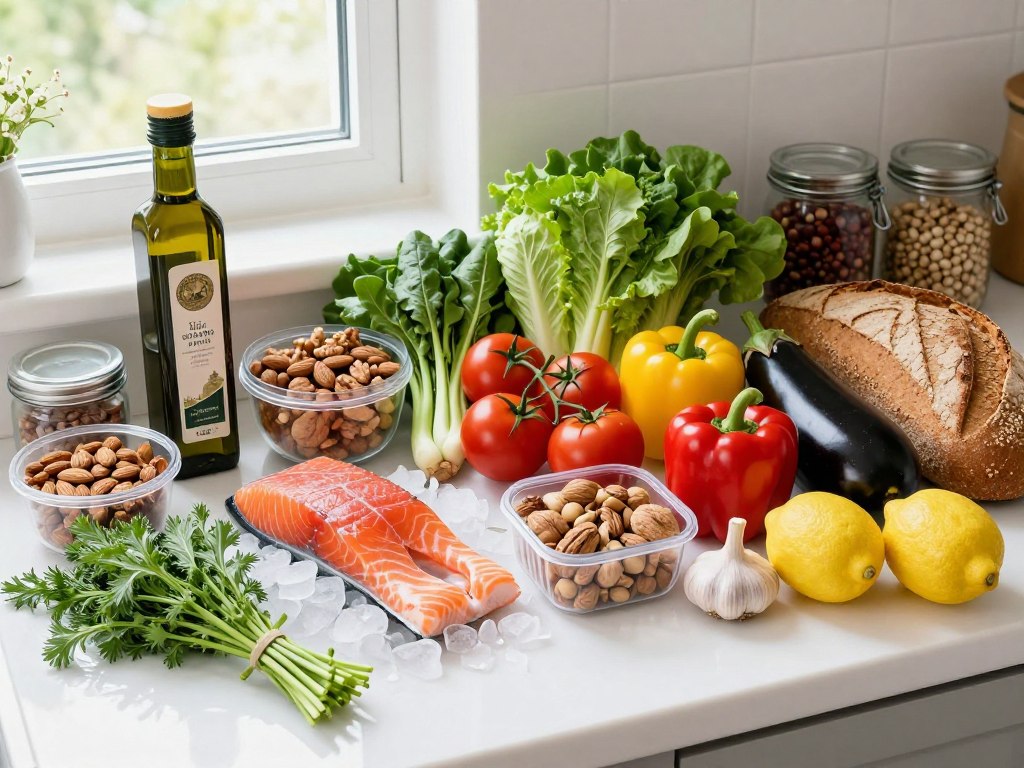
Take a screenshot of this list and keep it on your phone. These are the staples that should always be in your kitchen. You don’t need everything every week. Rotate based on what’s on sale and what’s in season.
Essential Mediterranean Pantry & Fridge Items
Proteins
- Salmon fillets (fresh or frozen)
- Canned sardines or mackerel
- Chicken breast (organic when possible)
- Eggs (free-range preferred)
- Canned chickpeas
- Dried lentils
- Greek yogurt (plain, full-fat)
Healthy Fats
- Extra virgin olive oil (large bottle)
- Raw walnuts
- Raw almonds
- Natural almond butter
- Avocados
- Olives (variety)
Whole Grains
- Quinoa
- Brown rice
- Whole grain bread
- Whole wheat pasta
- Rolled oats
Fresh Vegetables
- Spinach and kale
- Tomatoes (variety)
- Bell peppers (multiple colors)
- Cucumbers
- Broccoli
- Eggplant
- Zucchini
- Onions and garlic
Fruits
- Berries (fresh or frozen)
- Lemons
- Apples
- Oranges
Herbs & Seasonings
- Fresh basil
- Fresh parsley
- Dried oregano
- Turmeric
- Black pepper
- Sea salt
Budget-Friendly Shopping Tips
- Buy frozen vegetables when fresh is expensive - nutrients are comparable
- Choose canned fish over fresh when budget is tight
- Buy whole grains in bulk - they store well and cost less
- Purchase seasonal produce - it’s cheaper and more flavorful
- Stock up on olive oil when it’s on sale - it keeps for months
Easy Mediterranean Comfort Recipe: Healing Chicken and Vegetable Bake
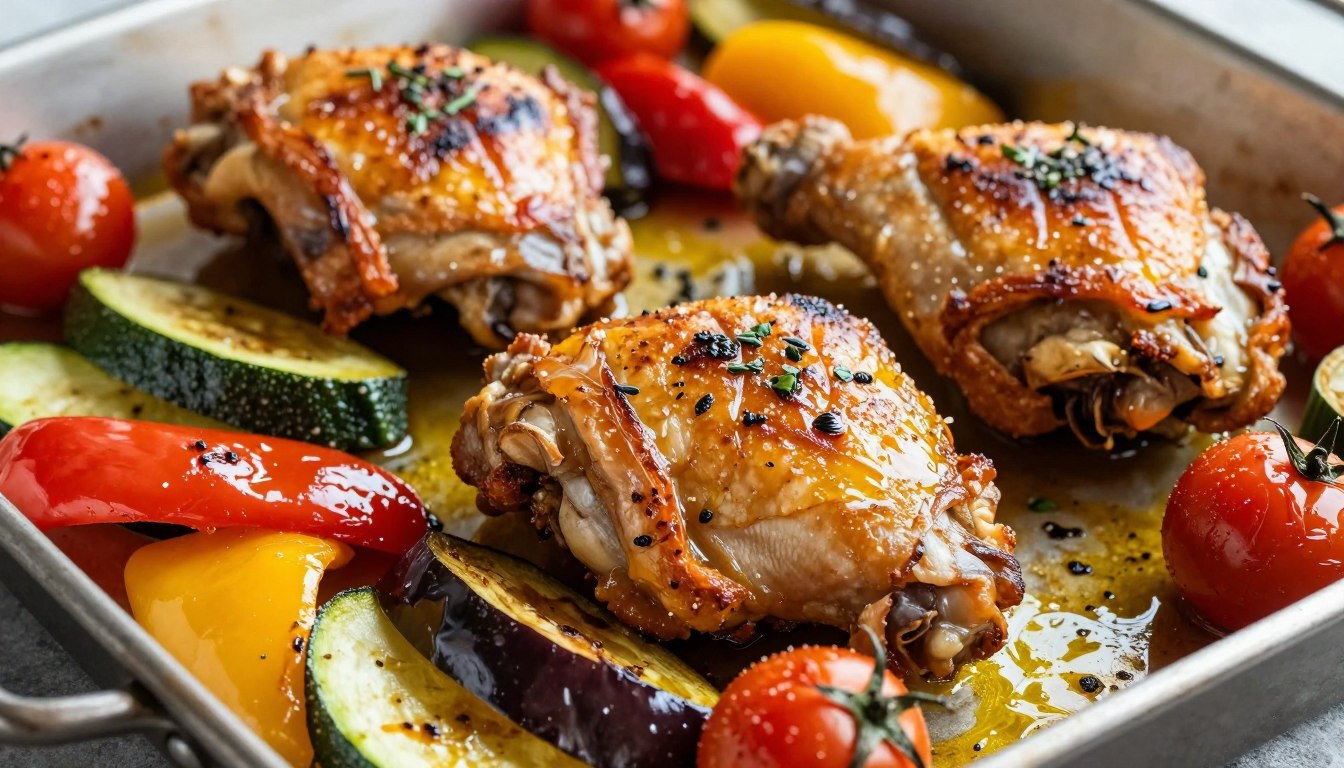
This one-pan meal delivers maximum anti-inflammatory benefit with minimum effort. It’s comfort food that actually helps your joints instead of making them worse. I make this at least twice a month. My knees thank me every time.
Mediterranean Chicken & Vegetable Sheet Pan
Ingredients
- 4 chicken thighs (bone-in, skin-on for flavor)
- 2 bell peppers (red and yellow), chopped
- 1 large eggplant, cubed
- 2 zucchini, sliced thick
- 1 pint cherry tomatoes
- 4 cloves garlic, minced
- 1/4 cup extra virgin olive oil
- 2 tablespoons fresh lemon juice
- Fresh oregano and basil
- Sea salt and black pepper
Instructions
- Heat oven to 400°F (200°C)
- Toss vegetables with half the olive oil, garlic, herbs, salt, and pepper on large baking sheet
- Rub chicken with remaining olive oil and seasonings
- Nestle chicken pieces among vegetables
- Drizzle lemon juice over everything
- Roast 40-45 minutes until chicken is cooked through and vegetables are caramelized
- Serve over quinoa or with whole grain bread to soak up the flavorful juices
Simple Substitutions
- Use boneless chicken breast if you prefer leaner meat (reduce cooking time to 30-35 minutes)
- Swap chicken for salmon fillets (cook only 20-25 minutes)
- Replace eggplant with mushrooms if you’re not a fan
- Add chickpeas for extra protein and fiber
- Use whatever vegetables are in season or on sale
Why This Recipe Fights Inflammation: The olive oil provides oleocanthal. Garlic contains sulfur compounds that reduce inflammatory enzymes. Tomatoes offer lycopene. Chicken provides quality protein for tissue repair. Colorful vegetables deliver varied antioxidants. One meal. Multiple inflammation-fighting mechanisms.
Beyond Food: Mediterranean Lifestyle for Maximum Joint Relief
The mediterranean diet isn’t just what you eat. It’s how you live. The traditional Mediterranean lifestyle includes elements that amplify the anti-inflammatory effects of the food. You don’t have to move to Greece. You can adopt these principles right where you are.
Movement That Supports Joint Health
Mediterranean cultures emphasize gentle, consistent movement throughout the day rather than intense exercise. Walking after meals aids digestion and reduces inflammation. Swimming provides low-impact full-body movement. Gardening combines light physical activity with stress reduction and fresh vegetable access.
You don’t need a gym membership. You need regular, enjoyable movement that doesn’t aggravate your joints. Thirty minutes of walking daily provides measurable inflammation reduction. Split it into three ten-minute walks if that’s easier. The consistency matters more than the intensity.
Stress Reduction and Inflammation
Chronic stress triggers inflammation throughout your body. Mediterranean lifestyle emphasizes social connection, adequate rest, and slowing down to enjoy meals. These aren’t luxuries. They’re essential components of inflammation management.
Eating meals with others instead of rushing through food alone reduces stress hormones. Taking time to actually taste your food improves digestion and satisfaction. Getting seven to eight hours of sleep allows your body to complete repair processes. All of these factors influence how much your joints hurt.
Sunlight and Vitamin D
Mediterranean cultures spend significant time outdoors. Sunlight exposure boosts vitamin D production, which plays a crucial role in reducing inflammation and supporting bone health around your joints. Fifteen minutes of direct sunlight on your skin daily makes a difference. More in winter when the sun is weaker.
If you live somewhere with limited sun or have mobility challenges that keep you indoors, consider vitamin D supplementation. Blood levels of vitamin D correlate inversely with arthritis severity. Lower vitamin D means more joint pain. It’s worth checking your levels and addressing deficiency.
Your Free 28-Day Mediterranean Diet Maintenance Program
Ready to commit to feeling better? The free 28-Day Mediterranean Diet Maintenance Program gives you daily meal ideas, shopping lists, and encouragement to stay consistent. It’s designed specifically for people dealing with joint pain who want lasting results. No complicated recipes. No weird ingredients. Just practical guidance to keep you on track through the critical first month when you’re building new habits. Access it as a thank-you for taking your health seriously.
Common Mistakes That Sabotage Joint Pain Relief

You can follow the mediterranean diet perfectly on paper and still not get the joint pain relief you’re hoping for if you make these common mistakes. Let me save you some frustration by pointing them out now.
Mistake One: Not Using Enough Olive Oil
People hear “healthy fat” and still try to minimize olive oil use. That’s backwards. The anti-inflammatory compounds in extra virgin olive oil are dose-dependent. Two to three tablespoons daily is therapeutic, not excessive. One tablespoon won’t cut it. Don’t be shy with the olive oil. Your joints need it.
Mistake Two: Choosing Low-Fat Versions
Low-fat Greek yogurt. Fat-free salad dressing. Skim milk. These defeat the purpose. Fat helps your body absorb anti-inflammatory nutrients from vegetables. Fat provides satiety so you don’t overeat inflammatory carbohydrates. Choose full-fat dairy and don’t apologize for it.
Mistake Three: Inconsistent Fish Consumption
Eating fish once weekly won’t provide enough omega-3 fatty acids to make a measurable difference in joint inflammation. You need fish at least twice weekly. Three times is better. If you genuinely hate fish, supplement with high-quality fish oil. But real fish provides other beneficial nutrients supplements can’t match.
Mistake Four: Keeping Inflammatory Foods Around
You can’t successfully follow the mediterranean diet for joint pain while keeping a pantry full of chips, cookies, and processed snacks. Those foods will call to you when you’re tired or stressed. Clean out the junk. Replace it with Mediterranean staples. Make the healthy choice the easy choice.
What Actually Helps
- Using olive oil generously and daily
- Eating fatty fish 2-3 times weekly minimum
- Choosing full-fat dairy products
- Completely removing processed foods
- Staying consistent for at least 6 weeks
- Combining diet with gentle movement
What Undermines Results
- Skimping on healthy fats to reduce calories
- Only occasional fish consumption
- Buying low-fat or fat-free versions
- Keeping inflammatory snacks accessible
- Expecting overnight changes
- Ignoring stress and sleep factors
How to Track Your Joint Pain Improvement
You need objective ways to measure progress. When you’re living with chronic pain, it’s easy to forget how bad things were a month ago. Documentation helps you see improvement even when day-to-day changes feel subtle.
Simple Metrics That Matter
Before you start, rate your joint pain on a scale of one to ten. Do this for different joints if multiple areas hurt. Rate your morning stiffness duration. Note how many stairs you can climb comfortably. Record how long you can walk before pain forces you to stop.
Repeat these measurements weekly. You’ll likely notice the first changes in morning stiffness duration. That typically improves within two to three weeks. Pain intensity often takes four to six weeks to show measurable improvement. Mobility improvements follow pain reduction.
| Metric | Week 0 | Week 2 | Week 4 | Week 6 |
| Morning stiffness (minutes) | Track baseline | Expect 20-30% reduction | Expect 40-50% reduction | Expect 50-60% reduction |
| Pain intensity (1-10 scale) | Track baseline | May see minor improvement | Expect 1-2 point reduction | Expect 2-3 point reduction |
| Walking duration (minutes) | Track baseline | May remain similar | Expect 10-20% increase | Expect 25-40% increase |
| Medication use | Track baseline | Usually no change yet | May reduce by 25% | May reduce by 40-50% |
These are typical patterns based on research results. Your timeline might differ. Some people improve faster. Others need eight to ten weeks to see significant changes. The key is consistent adherence mediterranean diet and patience with the process.
When to Expect Different Types of Improvements
Inflammation markers in your blood change within two weeks. You won’t feel this directly, but it’s happening. Morning stiffness improves next, usually by week three. Pain intensity reduction follows, typically noticeable by week four to six. Mobility improvements come last as your joints heal and inflammation decreases.
If you’re not seeing any improvement by week eight, reassess your adherence. Are you really using enough olive oil? Are you eating fish regularly? Have you eliminated processed foods completely? Sometimes what feels like diet failure is actually incomplete implementation.
Understanding the Mediterranean Diet Foundation
If you’re new to Mediterranean eating patterns, you might want to understand the broader context beyond just joint pain relief. The complete Mediterranean diet approach encompasses heart health, brain function, longevity, and overall inflammation reduction. Joint pain relief is one significant benefit among many.
The same eating pattern that reduces your arthritis symptoms also protects your cardiovascular health, supports cognitive function, and may extend your healthy lifespan. You’re not just addressing one problem. You’re investing in comprehensive health improvement through food choices that humans have thrived on for millennia.
Should You Add Supplements to Mediterranean Diet for Joint Pain?
Food should be your primary medicine. But certain supplements can enhance the effects mediterranean diet on joint pain, especially if you have significant inflammation or nutrient deficiencies. Let’s be practical about what might help.
Omega-3 Supplements When Fish Isn’t Enough
If you can’t eat fish three times weekly, high-quality fish oil supplements provide insurance. Look for products with high EPA and DHA content. Take at least 1000mg combined EPA and DHA daily. Some people with severe arthritis benefit from 2000-3000mg daily under medical supervision.
Quality matters enormously with fish oil. Cheap supplements often contain oxidized fats that can increase inflammation instead of reducing it. Spend more for pharmaceutical-grade fish oil. Your joints deserve it.
Vitamin D for Joint and Bone Health
Most people over fifty are vitamin D deficient, especially those living in northern climates or spending limited time outdoors. Vitamin D deficiency correlates strongly with arthritis severity. Supplementing with 2000-4000 IU daily typically brings levels into optimal range.
Get your vitamin D levels tested. Optimal levels for joint health are 40-60 ng/mL. If you’re below 30, you’re deficient and likely experiencing more joint pain than necessary. Correcting deficiency often produces noticeable improvements within six to eight weeks.
What You Probably Don’t Need
Glucosamine and chondroitin have mixed research results. Some studies show benefit. Others show none. If you’ve been taking them and feel they help, continue. But don’t expect dramatic results. The mediterranean diet itself provides more reliable joint pain relief.
Turmeric and curcumin supplements are popular for inflammation. They may provide modest additional benefit beyond diet. But they’re not necessary if you’re following the eating pattern consistently. Save your money unless you have severe inflammation unresponsive to diet alone.
Frequently Asked Questions About Mediterranean Diet for Joint Pain
How long before I notice joint pain improvement on Mediterranean diet?
Most people notice reduced morning stiffness within two to three weeks. Measurable pain reduction typically occurs at four to six weeks. Significant mobility improvements usually take six to eight weeks. Consistency matters more than perfection. If you’re not seeing results by eight weeks, reassess whether you’re using enough olive oil, eating fish regularly, and truly eliminating processed foods.
Can Mediterranean diet help rheumatoid arthritis as well as osteoarthritis?
Yes. Research shows the mediterranean diet for rheumatoid arthritis relief can be very effective. The anti-inflammatory effects work on both autoimmune joint inflammation (rheumatoid arthritis) and wear-and-tear inflammation (osteoarthritis). Some studies suggest rheumatoid arthritis patients see even more dramatic improvements because the diet modulates immune system overactivity. Always coordinate dietary changes with your rheumatologist, especially if you’re on immunosuppressive medications.
Do I need to eat fish if I’m vegetarian or don’t like seafood?
Omega-3 fatty acids are crucial for joint pain relief, but fish isn’t the only source. Vegetarians can emphasize walnuts, ground flaxseed, chia seeds, and hemp seeds for plant-based omega-3s. However, plant omega-3s (ALA) convert poorly to the active forms (EPA and DHA) your joints need. Consider algae-based omega-3 supplements, which provide EPA and DHA without fish. You’ll need to be more intentional about omega-3 intake, but it’s doable.
Will I gain weight eating all this olive oil and nuts?
Counterintuitively, no. Research consistently shows people following mediterranean diet patterns maintain healthy weight or even lose weight despite higher fat intake. Healthy fats provide satiety, reducing overall calorie consumption. You eat less because you’re satisfied. The diet’s emphasis on whole foods, vegetables, and lean proteins naturally regulates appetite. Focus on portion control with whole grains and you’ll likely find weight management easier, not harder.
What Real People Experience With Mediterranean Diet for Joint Pain
Clinical studies provide statistics. But real stories show how this eating pattern changes daily life for people dealing with chronic joint pain. These aren’t miracle cures. They’re realistic improvements that make life significantly more enjoyable.
Margaret, 58
“My knee pain was so bad I’d stopped gardening. That was heartbreaking because I loved my garden. After six weeks on the Mediterranean diet, I could kneel again without my knee swelling up. Three months in, I’m back to regular gardening. My knee still isn’t perfect, but it’s manageable. I can do what I love again.”
Robert, 62
“I was taking ibuprofen daily for hand arthritis. Couldn’t grip a golf club properly. My doctor suggested trying Mediterranean eating before considering stronger medications. Took about eight weeks, but my grip strength improved noticeably. Now I take ibuprofen maybe once a week instead of every day. And my golf game has improved.”
These experiences are typical of what research shows. Not everyone becomes pain-free. But most people experience meaningful reduction in pain intensity, improved function, and reduced medication dependence. That’s worth the effort of changing eating patterns.
Get Everything You Need in One Place
Putting all this information into practice is easier when you have structured guidance. The Mediterranean diet ebook includes detailed meal plans, dozens of joint-healthy recipes, shopping lists, and specific strategies for maximizing anti-inflammatory benefits. Everything organized for easy implementation. No guessing. No overwhelm. Just clear direction for $27.
Making This Sustainable: Mediterranean Diet as Long-Term Lifestyle

The mediterranean diet for joint pain works long-term because it’s not a diet in the restrictive sense. It’s a sustainable eating pattern you can maintain indefinitely. There’s no finish line where you go back to eating the way you used to. This becomes your new normal.
The Eighty-Twenty Rule for Sanity
Perfection isn’t required. Aim for eighty percent adherence. That means eight out of ten meals follow Mediterranean principles. The other twenty percent? Live your life. Have birthday cake. Enjoy occasional treats. One meal won’t undo weeks of anti-inflammatory eating.
This flexibility makes the approach sustainable. You’re not punishing yourself for being human. You’re making health-supporting choices most of the time while allowing room for pleasure and social connection. That’s a lifestyle, not a temporary fix.
Adjusting as Your Needs Change
Your joint pain may improve significantly over six months. That doesn’t mean you should abandon the eating pattern. The mediterranean diet provides ongoing protection against arthritis progression. It reduces your risk of developing joint problems in currently healthy joints.
Think of this as preventive medicine you administer through your fork. Every meal is either fighting inflammation or feeding it. You get to choose. Once you feel better, maintaining those results requires continued good choices. But by then, Mediterranean eating will feel normal, not effortful.
Building Community Around This Lifestyle
Find others following this eating pattern. Join online communities. Take Mediterranean cooking classes. Visit Mediterranean restaurants. Connecting with people who share this approach makes it easier and more enjoyable. You’ll pick up new recipes, tips, and encouragement.
Consider this a journey you’re taking with others rather than a solitary struggle. Share your experiences. Learn from people further along the path. Help newcomers who are where you were months ago. Community transforms obligation into shared experience.
Your Path Forward: Taking Control of Joint Pain Naturally
You’ve learned how the mediterranean diet for joint pain works at the cellular level to reduce inflammation. You’ve seen the specific foods that fight arthritis. You have practical meal plans, grocery lists, and recipes. You understand common mistakes to avoid and realistic timelines for improvement.
The question now isn’t whether this approach can help. Research clearly shows it can. The question is whether you’ll actually implement it. Will you make the commitment to try this for eight weeks? Will you give your body the anti-inflammatory foods it needs to heal?
Joint pain doesn’t have to be your permanent reality. The mediterranean diet offers a evidence-based, food-centered path to meaningful improvement. Not overnight. Not without effort. But reliably and sustainably if you stay consistent.
Start with the seven-day plan. Use the grocery list. Make one Mediterranean meal today. Tomorrow, make another. Build momentum through small, repeated actions. Your joints will thank you. Your future mobility depends on choices you make right now.
You deserve to move freely. To climb stairs without wincing. To play with grandchildren without planning ice packs afterward. To live actively instead of managing pain. The mediterranean diet for joint pain can help you reclaim that quality of life. The tools are here. The knowledge is here. Your improved mobility waits on the other side of consistent implementation.
Make today the day you start taking control of your joint pain naturally.
Medical Disclaimer
This article provides educational information about dietary approaches to joint pain management. It is not medical advice and does not replace consultation with qualified healthcare providers. Always discuss significant dietary changes with your doctor, especially if you have diagnosed arthritis, take medications, or have other health conditions. Individual results vary. Some people may need additional medical treatment beyond dietary modifications.
References
- Nutrients (2024) - Mediterranean diet and inflammatory markers in arthritis patients
- Harvard Health Publishing (2023) - Anti-inflammatory diet for joint health
- Journal of Rheumatology (2023) - Dietary patterns and rheumatoid arthritis outcomes
- American Journal of Clinical Nutrition (2024) - Olive oil compounds and inflammation reduction
- Arthritis Research & Therapy (2023) - Mediterranean diet adherence and osteoarthritis progression
- British Journal of Nutrition (2024) - Omega-3 fatty acids in joint pain management
Get well and stay well,
Ray Baker

Making Mediterranean Eating Social and Sustainable
You’re more likely to stick with this eating pattern if it fits into your social life instead of isolating you. Mediterranean culture centers around shared meals. You can adopt that aspect even if you’re eating differently than you used to.
Eating Out Without Sabotaging Results
Restaurant meals don’t have to derail your progress. Most restaurants offer Mediterranean-friendly options. Choose grilled fish or chicken. Ask for vegetables instead of fries. Request olive oil and vinegar instead of creamy dressings. Order a side salad. Skip the bread basket or eat one piece maximum.
Italian restaurants are obvious choices, but most cuisines offer compatible options. Greek restaurants are perfect. Even steakhouses have fish and vegetable sides. Mexican restaurants offer grilled fish tacos. Asian restaurants have steamed fish and vegetable dishes. You have more options than you think.
Sharing This Approach With Friends and Family
When people ask why you’re eating differently, keep it simple. “I’m eating more fish and vegetables to help with joint pain.” You don’t need to lecture. You don’t need to convert anyone. Just explain your choice and move on.
Some people will get curious when they see your results. That’s when you can share more. When your friend notices you’re climbing stairs easier or playing with grandchildren more comfortably, they’ll ask what changed. Your results are the best advertisement for this approach.
Send This to a Friend
Know someone dealing with joint pain? Copy and paste this message:
“I just found an article about using Mediterranean diet for joint pain relief that actually makes sense. It’s not another gimmick or expensive supplement. Just real food that reduces inflammation. The article includes a free 7-day meal plan and grocery list. Thought you might find it helpful: [share this page URL]”
Feel free to modify this message however you like. The point is making it easy to share helpful information with people you care about who might be struggling with similar issues.