Triglycerides are a kind of fat your body uses for energy, says Dr. Romit Bhattacharya of the Mass General Brigham Heart and Vascular Institute. A healthy level is under 150 mg/dL, and many people can see shifts in their numbers within days to weeks.

Start by looking at what you eat. A heart-focused diet that limits added sugar and refined carbs helps the body process fat better. Cutting back on processed foods and alcohol often leads to noticeable changes fast.

Move more and manage your weight. Regular exercise helps clear circulating fat and can lower triglyceride numbers before your next test. If you have high triglycerides or elevated triglycerides, consistent daily choices are the most powerful tool.

Understanding Triglycerides and Heart Health

Think of triglycerides as the body’s fuel courier, carrying energy from food to tissues. These fats move through the blood to muscle, liver, gut, and adipose tissue where they are used or stored. Knowing how they work helps explain why levels matter.

A detailed, informative infographic representing triglyceride levels in relation to heart health. In the foreground, a heart shape made of vibrant fruits, vegetables, and whole grains symbolizes healthy lifestyle choices. In the middle, a digital display or gauge accurately depicting various triglyceride levels, with color gradients from green to red to indicate healthy to unhealthy ranges. In the background, a subtle, abstract representation of blood vessels and a human silhouette in professional business attire, emphasizing the importance of monitoring heart health. Soft, natural lighting creates an inviting atmosphere, while a shallow depth of field focuses on the heart-shaped food design. The overall mood should be educational and motivational, encouraging healthier choices.

The Risks of Elevated Levels

When triglyceride levels climb, they can clog arteries and raise the risk of heart attack and stroke. Very high values may trigger inflammation of the pancreas, a dangerous condition called pancreatitis.

The liver and other organs can make extra triglyceride, especially in people with obesity or poorly controlled diabetes. This overproduction leads to fatty deposits and higher disease risk.

“Elevated triglycerides build up in the arteries, which significantly increases the risk of heart disease and stroke.”

— Dr. Romit Bhattacharya

Understanding these fats is a first step toward better heart health. Simple daily choices can influence your level and lower long-term risk heart disease.

How to Reduce Triglycerides Naturally

Small daily swaps in meals and activity often make the biggest difference for blood fat levels. Dr. Romit Bhattacharya stresses that lifestyle is the most important factor for lowering triglyceride levels.

A serene kitchen scene illuminated by soft, natural light filtering through a window, showcasing a vibrant array of fresh fruits and vegetables, such as avocados, berries, leafy greens, and nuts, arranged on a rustic wooden table. In the foreground, a glass of infused water with lemon and mint adds freshness. In the background, a small herb garden is visible, suggesting a holistic approach to health. A well-dressed woman in modest casual clothing prepares a healthy meal, embodying mindfulness and vitality. The overall atmosphere should evoke a sense of calmness and intentional living, with a focus on wholesome food choices promoting lower triglyceride levels naturally. The composition should feel balanced, inviting viewers to embrace a healthier lifestyle.

Focus on whole, nutrient-dense foods. Choose brown rice over white, eat whole fruit instead of juice, and pick vegetables and lean proteins more often than processed items.

  • Cut added sugar and refined carbs to stop excess liver production of triglyceride-rich particles.
  • Losing modest weight improves insulin sensitivity and helps lower triglyceride levels.
  • Limit or avoid alcohol; it can raise levels quickly.

“What you eat and how much you move are the two most powerful tools to change your lipid numbers fast.”

— Dr. Romit Bhattacharya

Consistent, simple lifestyle changes beat quick fixes. Make small swaps and stay active; over weeks, your numbers and heart risk will improve.

The Role of Aerobic Exercise

Getting your heart rate up on a routine basis changes how your muscles use fuel. Regular aerobic activity sends more fatty particles into working muscle and lowers the amount in the blood.

Aerobic Activity Benefits

Aerobic exercise boosts an enzyme called lipoprotein lipase. This enzyme helps break down triglyceride for muscle fuel.

Want the full step-by-step guide, meal plans and recipes?
Get the eBook for $27

Experts recommend 150 minutes of moderate-intensity activity per week. That amount can cut post-meal triglyceride levels by 30%–50% and lower risk for heart disease.

“Aerobic activity helps your muscles burn both carbohydrates and fat, reducing circulating fat levels.”

— Dr. Romit Bhattacharya

Strength Training Importance

Two full-body strength sessions weekly improve resting metabolism. Stronger muscles pull more triglyceride from the blood even at rest.

  • Short bursts, like 10 minutes of brisk walking, add real benefit.
  • Combine aerobic and resistance work for the best changes in lipid numbers.
Activity Weekly Goal Expected Effect Notes
Moderate Aerobic 150 minutes Lower triglyceride levels 30–50% Brisk walking, cycling
Strength Training 2 sessions Improve resting lipid clearance Full-body routines
Short Activity Bursts Multiple 10-min sessions Reduce post-meal spikes Easy to fit into day

Make these habits part of your lifestyle. Small, steady changes often lead to lower triglyceride and better heart health over time.

Heart-Healthy Dietary Swaps

Simple swaps at the grocery store change how your body handles fats after a meal. Focus on whole, unprocessed options that steady blood levels and curb added sugar.

Avoid foods high in refined carbohydrates and saturated fat. Fried items and sugary drinks are the most common culprits for higher triglyceride and cholesterol numbers.

Choose foods like vegetables, whole grains, nuts, and lean proteins. Swap butter for olive oil and pick fatty fish twice weekly to add helpful omega-3 fats.

  • Keep total fat per meal modest — aim to have no more than 15g in a single sitting.
  • Spread fat intake across the day to avoid spikes in circulating triglyceride.
  • Favor whole fruit over juice and choose whole grains over refined breads and snacks.

“Fried foods and sugary drinks are the primary culprits behind elevated triglyceride levels.”

— Dr. Romit Bhattacharya

Small, consistent swaps in your diet make meals more heart friendly and improve overall lipid balance. These choices support better long-term levels and heart health.

Managing Weight for Metabolic Health

A drop of 5 to 10 pounds often triggers big metabolic changes that affect circulating fat. That modest loss can improve insulin sensitivity and cut the flood of fatty acids into the liver.

Insulin acts as a master metabolic regulator. It controls both fat storage and triglyceride production based on what you eat. When insulin works better, the body makes fewer triglyceride-rich particles.

Obesity makes high triglycerides worse. Extra fat tissue releases signals that interfere with insulin. Those signals push the liver to make more fat and raise triglyceride levels in the blood.

Practical steps people can take include steady exercise, a balanced diet, and cutting refined carbohydrates and added sugar. These habits help achieve sustainable weight loss and lower the long-term risk of diabetes and heart disease.

“Maintaining a healthy weight is one of the most effective ways to keep triglyceride levels in a normal range.”

The Impact of Alcohol Consumption

Alcohol can change how your body handles fat after a meal, often within hours. It slows clearance of circulating triglycerides and prompts the liver to make more triglyceride-rich particles.

For people with high triglycerides, the best number of drinks is zero, says Dr. Romit Bhattacharya. Clinical guidance shows that complete avoidance for a month often yields a measurable drop in blood levels.

Want the full step-by-step guide, meal plans and recipes?
Get the eBook for $27

All types of alcohol—beer, wine, and spirits—have the same effect. Even one drink can spark a spike in sensitive individuals. That raises the risk to heart health and can worsen your cholesterol profile.

  • Alcohol consumption commonly causes elevated triglycerides by stimulating liver production.
  • Stopping alcohol lets the body clear fats more efficiently and improves blood markers.
  • Pair alcohol avoidance with better diet and lower sugar intake for greater benefit.

“If you struggle with high triglycerides, pausing alcohol is one of the most powerful lifestyle steps you can take.”

Incorporating Omega-Three Fatty Acids

Including fatty fish in weekly menus gives your heart and metabolism a measurable boost.

Omega-3 fatty acids lower inflammation and help the body handle circulating fat. Clinical work shows that regular intake can improve cholesterol and affect triglyceride levels within weeks.

Sources of Healthy Fats

Fatty fish such as salmon, sardines, mackerel, and herring are top choices. A 2016 study found that eating about 1.65 pounds of oily fish per week for four weeks improved triglyceride and diabetes risk markers.

  • Eat fatty fish twice weekly to support lower triglyceride levels and heart health.
  • If levels are very high, a doctor may recommend a purified fish oil supplement to manage blood markers.
  • Choose oily fish that fit your daily fat allowance—trout is a good lower-fat option among oily species.
Food Serving/Week Expected Effect
Salmon 2–3 servings Lower triglyceride and improve cholesterol
Sardines 2 servings High omega-3; reduce inflammation
Mackerel 1–2 servings Strong triglyceride-lowering effect
Trout 2 servings Good omega-3 with modest fat per serving

“Replacing unhealthy fats with omega-3 rich foods is a proven step to support lower triglycerides and reduce heart disease risk.”

Benefits of Soy Protein and Whole Grains

Adding fermented soy and quinoa to meals gives your body nutrients that help balance blood fat. A large review of 46 trials found that at least 25 grams of soy protein daily led to meaningful drops in triglycerides. Fermented soy foods like natto and tempeh pack extra nutrition and a stronger effect on blood markers.

Whole grains complement plant proteins. Studies show 1/4 cup of quinoa per day for 12 weeks helped lower triglyceride levels in adults with overweight and obesity.

  • Soy protein and isoflavones — supported by clinical trials — improve blood fat and may help cholesterol.
  • Swap some animal protein with tempeh or natto to shift your lipid profile.
  • Whole grains like buckwheat, barley, and millet support weight control and lower heart disease risk.
  • Quinoa adds antioxidants and anti-inflammatory benefits and supplies essential fatty acids.

Making these swaps in your daily diet offers a practical way to support healthier levels and long-term heart health.

Utilizing Garlic and Cruciferous Vegetables

Simple, savory ingredients such as garlic and cruciferous vegetables can support healthier blood fat handling.

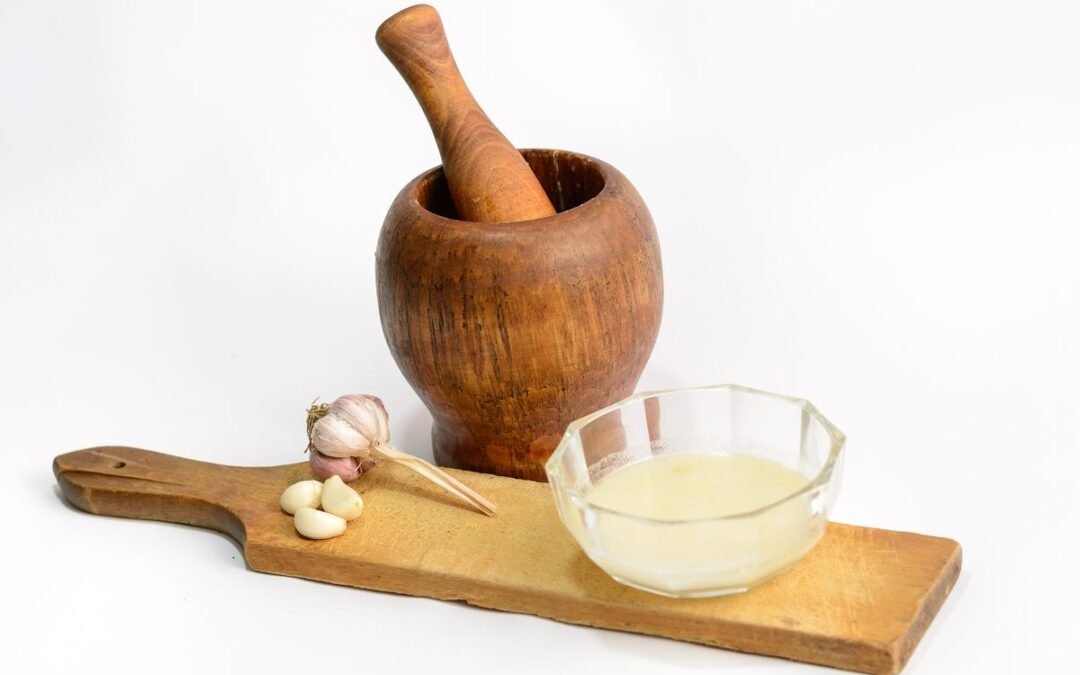
Garlic has been studied for its anti-hyperlipidemic effects. Clinical work shows that taking about 2 grams of garlic powder daily for 40 days cut measured triglyceride levels in volunteers.

One trial of 40 people with metabolic syndrome found that raw, crushed garlic twice a day for four weeks lowered triglycerides and improved cholesterol.

Cruciferous vegetables — broccoli, cauliflower, cabbage, kale — contain glucosinolates and isothiocyanates. Animal studies link these compounds to significant falls in triglyceride levels and better metabolic markers.

  • Garlic and crucifers help lower oxidative stress and inflammation that harm the liver and pancreas.
  • Adding these foods can support weight control and lower the long-term risk of heart disease and obesity.
  • More human trials are needed, but current evidence suggests consistent benefits for blood lipid metabolism.
Food Key Compounds Reported Effect
Garlic Allicin, sulfur compounds Lower triglyceride levels; improved cholesterol
Broccoli Glucosinolates, isothiocyanates Reduce oxidative stress; better metabolic markers
Cabbage & Cauliflower Fiber, sulfur compounds Support liver function and blood fat handling

“Including garlic and a variety of cruciferous vegetables into your diet can help people manage weight and support healthy blood markers.”

Reading Food Labels for Fat Content

Learning to read food labels helps you spot hidden fats that affect your blood values. Labels show fat and sugar per 100g and per portion, which makes product comparison simple.

Want the full step-by-step guide, meal plans and recipes?
Get the eBook for $27

Identifying Saturated Fats

Look for the saturated fat line on the nutrition panel first. These are the fats most linked to higher cholesterol and elevated triglycerides.

Low-fat is defined as less than 3g of fat per 100g. A product over 17.5g per 100g is considered high fat.

Use the traffic light cues when present: green for low, amber for medium, and red for high. That quick view helps you avoid high-fat items or oils that spike levels.

Understanding Serving Sizes

Check both the “per 100g” and “per portion” values. Portion sizes on the pack often differ from what people actually eat.

Scale the numbers to match your real serving. This step reveals hidden sugar and oils and helps keep triglyceride and cholesterol goals on track.

  • Reading labels is the best way to see how much fat and sugar are in packaged foods.
  • Aim for products with under 3g fat per 100g to support healthy triglyceride numbers.
  • Watch serving sizes and adjust the nutrition math to match your plate.
Label Metric What to Look For Why It Matters
Fat per 100g <3g = low; >17.5g = high Helps compare similar products quickly
Saturated Fat Lower is better Direct link to cholesterol and triglyceride levels
Per Portion Scale to actual intake Prevents underestimating intake of fats and sugar

For a deeper primer on label reading, see understanding food labels. Use these tips to pick packaged foods that fit a heart-healthy diet and help keep your triglycerides and blood markers in check.

When to Consult Your Doctor About Medication

For people whose blood markers remain high despite healthy habits, prescription options exist to lower risk.

Talk with your clinician if diet, exercise, and other lifestyle changes do not bring down your triglyceride levels after several weeks. Medication becomes more likely when atherosclerosis or diabetes raises your risk of heart disease.

Common approaches include:

  • Statins — usually the first choice for people at high cardiovascular risk because they target LDL and lower overall heart risk.
  • Fibrates — drugs that specifically lower high triglycerides and can be added when triglyceride levels stay elevated.
  • Icosapent ethyl (Vascepa®) — a purified fish oil medication used for people with very high values who need extra help.

Always discuss your individual lab results and health history before starting supplements or prescriptions. Lasting benefits from lifestyle work often take about six months, so follow your doctor’s plan and monitor blood markers over time.

“Medication is appropriate when lifestyle steps aren’t enough or when other conditions increase heart risk.”

Situation Usual Medication Why
High cardiovascular risk Statins Lower LDL and overall heart disease risk
Persistently high blood fats Fibrates Specifically target elevated triglyceride levels
Very high triglyceride numbers Icosapent ethyl (Vascepa®) Purified fish oil for added lowering effect

Conclusion

Simple, repeatable choices each day add up to measurable improvement in lab results.

Reduce triglycerides naturally requires steady effort: combine a heart-focused diet with regular movement and weight control to lower your triglyceride levels and improve overall cholesterol.

Small, consistent lifestyle changes — like swapping refined carbs for whole foods, boosting aerobic activity, and limiting alcohol — often give the biggest, most lasting benefit to blood markers.

Work with your medical team for personalized guidance. Keep at the plan, track progress, and celebrate steady wins. Get well and stay well, Ray Baker.

FAQ

What are triglycerides and why do they matter for heart health?

Triglycerides are a type of blood fat that stores excess calories and energy. High levels raise the risk of heart disease, contribute to fatty liver, and worsen inflammation. Monitoring them helps protect heart health and metabolic function, especially for people with obesity or type 2 diabetes.

How do carbohydrates and sugar affect triglyceride levels?

Simple carbohydrates and added sugars drive the liver to make more triglycerides. Cutting back on sugary drinks, sweets, and refined grains lowers blood fats and reduces the chance of fatty liver and insulin resistance.

Can changes in weight and body composition help lower levels?

Yes. Losing even 5–10% of body weight through calorie control and exercise often reduces triglyceride levels and improves overall cholesterol balance. Safe, steady weight loss also lowers inflammation and risk of heart disease.

What type of exercise is best for improving triglyceride and heart health?

Aerobic activity — brisk walking, cycling, swimming — raises HDL cholesterol and clears fats from the blood. Strength training builds muscle, boosts metabolism, and supports longer-term improvements in lipid and glucose control. Aim for a mix most days of the week.

How does alcohol affect triglyceride and liver levels?

Alcohol increases triglyceride production and can cause dangerous spikes, especially in people with fatty liver or high fasting levels. Limiting intake or avoiding alcohol is a fast way to lower blood fats and reduce pancreatitis risk.

Are omega-3 fatty acids helpful and which foods provide them?

Omega-3s from fatty fish like salmon, mackerel, and sardines reduce triglyceride production and inflammation. Plant sources such as flaxseed and walnuts supply ALA, but marine EPA/DHA have the strongest effect. Fish oil supplements can be an option after consulting a clinician.

Do saturated fats or trans fats make triglyceride levels worse?

Saturated fats and industrial trans fats tend to raise harmful lipids and inflammation. Replacing them with monounsaturated fats (olive oil, avocados) and polyunsaturated fats helps improve blood fat profiles and supports heart health.

Can whole grains, soy protein, and vegetables help lower blood fats?

Yes. Whole grains and soy protein improve lipid and glucose control, while cruciferous vegetables and garlic support liver function and reduce oxidative stress. Including these foods helps balance fats and lowers cardiovascular risk.

How should I read food labels to make better choices?

Check total fat, saturated fat, added sugars, and serving size. Watch for “partially hydrogenated” ingredients (trans fats) and high sugar content that can raise triglyceride production. Compare per-serving numbers to how much you actually eat.

When is medication needed to manage high triglyceride levels?

If lifestyle changes don’t lower very high levels or if you have other risk factors (heart disease, pancreatitis, diabetes), a doctor may prescribe fibrates, high-dose omega-3 prescription products, or statins. Talk to your clinician for personalized care and monitoring.

How quickly can lifestyle changes affect blood fat levels?

Meaningful improvements often appear within weeks to months. Cutting alcohol and added sugar can lower levels fast, while sustained weight loss, exercise, and dietary swaps provide ongoing benefits when maintained.

Are there special considerations for people with diabetes or obesity?

Yes. People with diabetes should prioritize blood sugar control, as high glucose raises triglyceride production. Weight management and tailored exercise plans help both conditions. Work with healthcare providers to adjust medications and monitor lipids closely.

Is fish oil safe for everyone and what doses help?

Over-the-counter fish oil is generally safe but can interact with blood thinners and cause mild side effects. Prescription-strength omega-3s are used for very high levels under medical supervision. Discuss dose and safety with your provider.

Can small, everyday swaps make a big difference?

Absolutely. Replacing sugary drinks with water, choosing whole grains, using olive oil instead of butter, adding fish twice weekly, and moving more each day all add up to lower blood fats, less inflammation, and reduced heart disease risk.