
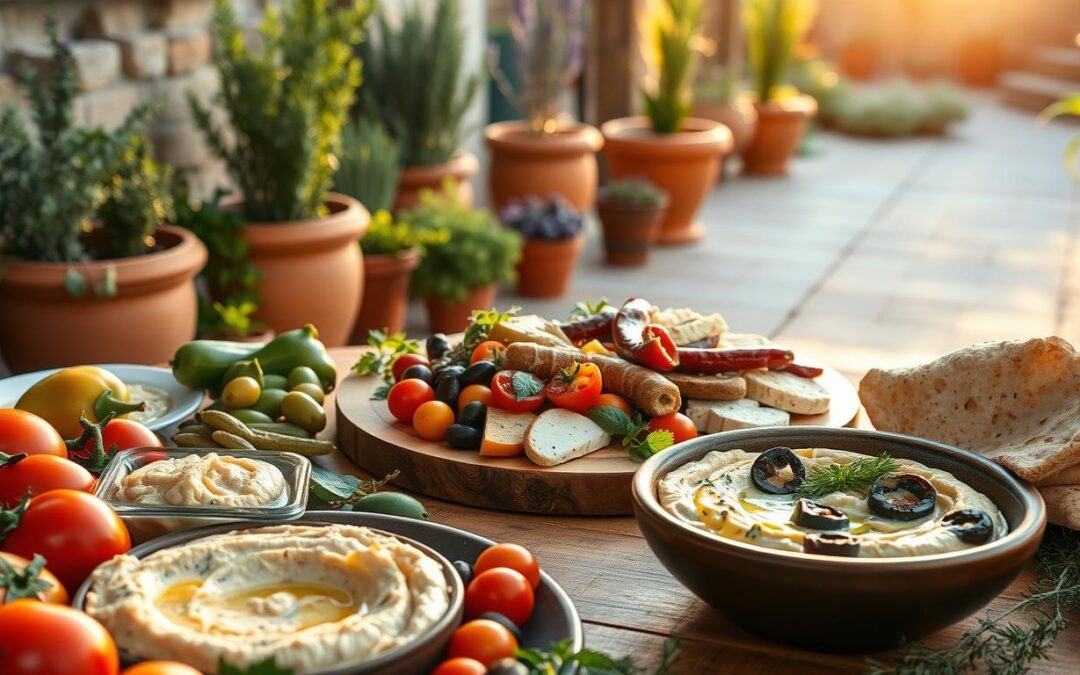
Do you feel left out when everyone talks about heart-healthy eating? If you hate seafood, you might think you’re missing out. I’m not good at cooking fancy seafood, so I understand.
But here’s the good news: you don’t have to eat fish to get the benefits. Studies show women who follow a Mediterranean diet without fish have a 25% lower risk of heart problems. You can do great by eating more plant-based foods, legumes, and whole grains.
Want to improve your health without stress? Click here to get your custom meal plan and start today!
Key Takeaways
- You can get big heart health benefits by eating more plants.
- Following healthy eating habits can lower your heart risk by 25%.
- Switching seafood for legumes and nuts gives you good fats and nutrients.
- Creating a meal plan that fits you makes sticking to it easier.
- You don’t have to give up your favorite foods to be healthier.
Why You Can Thrive on a Mediterranean Diet Without Fish
Many think fish is key in the Mediterranean diet. But, it’s really the plants that shine. You can enjoy this diet by eating fruits, veggies, legumes, and healthy fats. A Mediterranean diet without fish is not about missing out. It’s about celebrating nature’s bounty.
Here are three important tips:
- Prioritize plant diversity: Eat a variety of veggies and legumes for lots of vitamins.
- Embrace healthy fats: Use olive oil, nuts, and seeds for heart health.
- Focus on the lifestyle: The diet is just part of it; rest and social time are key too.
The Mediterranean Lifestyle Beyond the Catch
The Mediterranean lifestyle is more than food. It’s about enjoying meals slowly, staying active, and spending time with family. Even without fish, you can stick to its core values.
Enjoy cooking fresh food and sharing meals with others. This makes you feel good and reduces stress. A Mediterranean diet without fish can be fun and fulfilling.
Addressing the Nutrient Gap with Humor and Ease
Skipping seafood can make you worry about missing nutrients. But, you can easily fill that gap with creative cooking. See it as a fun challenge, not a chore.
You don’t need to be a pro to find great plant-based options. Walnuts, flaxseeds, and chia seeds are great for healthy fats. Keeping it fun makes switching to a Mediterranean diet without fish easier.
Essential Nutrients for Brain and Body Health
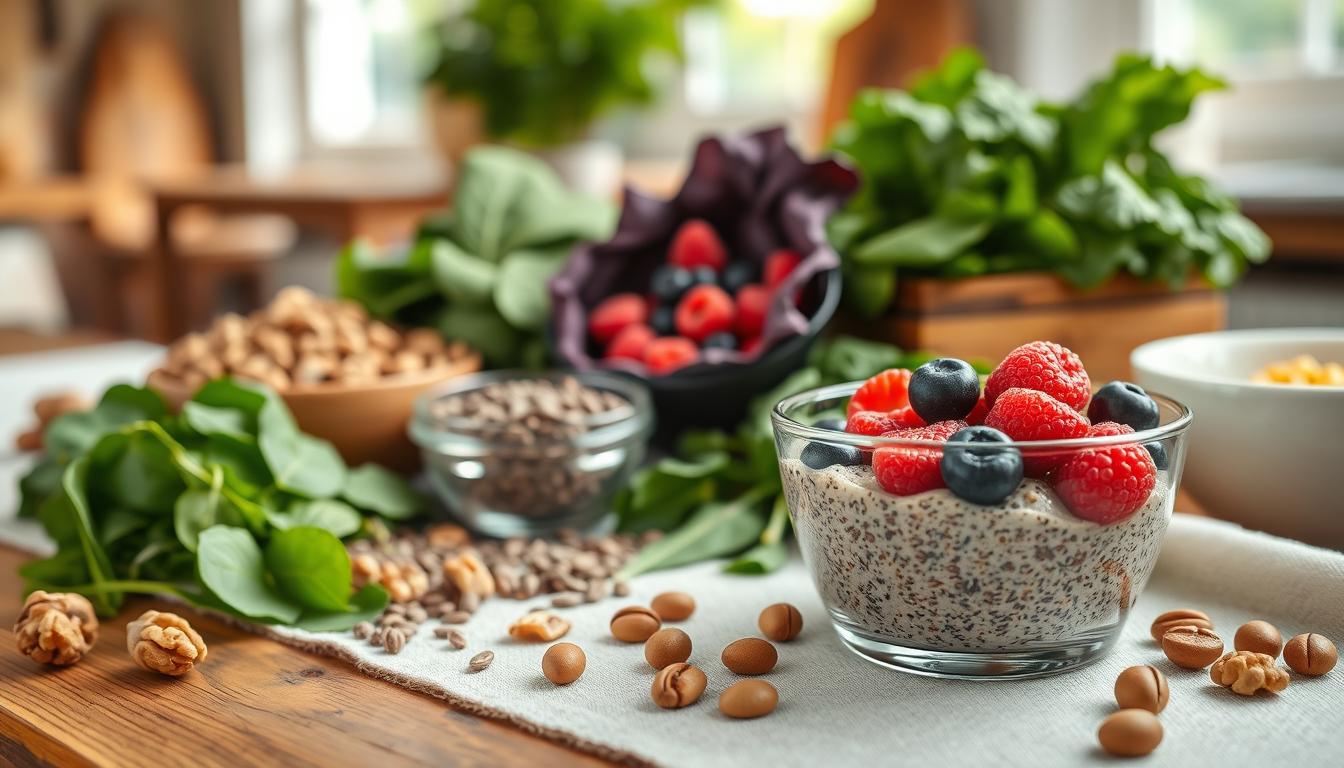
Getting the right nutrients on a vegetarian Mediterranean diet is easy. Focus on whole foods to help your brain and keep your energy up. Your body needs fats, fiber, and vitamins to work well.
Why Omega-3s Matter for Your Mood and Energy
Omega-3 fatty acids are key for brain health. They make cell membranes strong. Eating enough of these fats can make you feel better and clearer.
There are many omega 3 foods without fish to choose from. Adding them to your meals keeps your brain sharp and mood high. Here are some great plant-based sources:
- Flaxseeds: Full of alpha-linolenic acid (ALA).
- Chia Seeds: Good for energy and staying hydrated.
- Walnuts: A tasty snack for brain-boosting fats.
- Hemp Hearts: Great in salads and smoothies.
Beyond Protein: The Role of Healthy Fats and Fiber
Healthy fats and fiber are more important than protein in a vegetarian Mediterranean diet. Fiber helps prevent energy crashes. Healthy fats give you energy that lasts.
Here’s a table to help you balance these nutrients. These omega 3 foods without fish and fiber-rich foods are key for your health.
| Nutrient Source | Primary Benefit | Best Use |
|---|---|---|
| Avocado | Monounsaturated Fats | Salads or Toast |
| Lentils | High Fiber | Soups and Stews |
| Chia Seeds | Omega-3s | Oatmeal or Yogurt |
| Olive Oil | Heart-Healthy Fats | Cooking or Dressing |
Choosing nutrient-rich foods sets you up for lasting health. Your body will reward you with better focus and mood every day.
Mastering the Mediterranean Diet Without Fish
Bringing Mediterranean flavors into your kitchen is easy. You don’t need fish to enjoy its health benefits. Focus on whole foods that taste great and are good for you. A Mediterranean diet without fish celebrates the earth’s bounty.
Swapping Seafood for Plant-Based Powerhouses
Legumes are stars in a fish alternatives Mediterranean diet. A spicy lentil and chickpea stew is nutritious. It has 14g of protein and 10g of fiber, keeping you full and energized.
Beans, lentils, and chickpeas can replace seafood. They soak up Mediterranean spices well. Keeping these in your pantry means you’re always set for a healthy meal.
How to Keep Your Meals Authentic and Delicious
Use quality olive oil, fresh herbs, and sun-ripened veggies for authentic taste. Without fish, focus on roasted eggplant, artichokes, and kalamata olives. These add depth and complexity to your dishes.
Make meals exciting with toasted nuts or seeds. A squeeze of lemon or fresh parsley can brighten any dish. Keep your kitchen stocked with these items for every meal to feel like a getaway.
| Ingredient | Protein (per cup) | Fiber (per cup) | Best Use |
|---|---|---|---|
| Lentils | 18g | 15g | Stews and Soups |
| Chickpeas | 15g | 12g | Salads and Hummus |
| Black Beans | 15g | 15g | Tacos and Bowls |
| White Beans | 17g | 11g | Pasta and Sides |
Top Omega-3 Foods Without Fish to Boost Your Brain
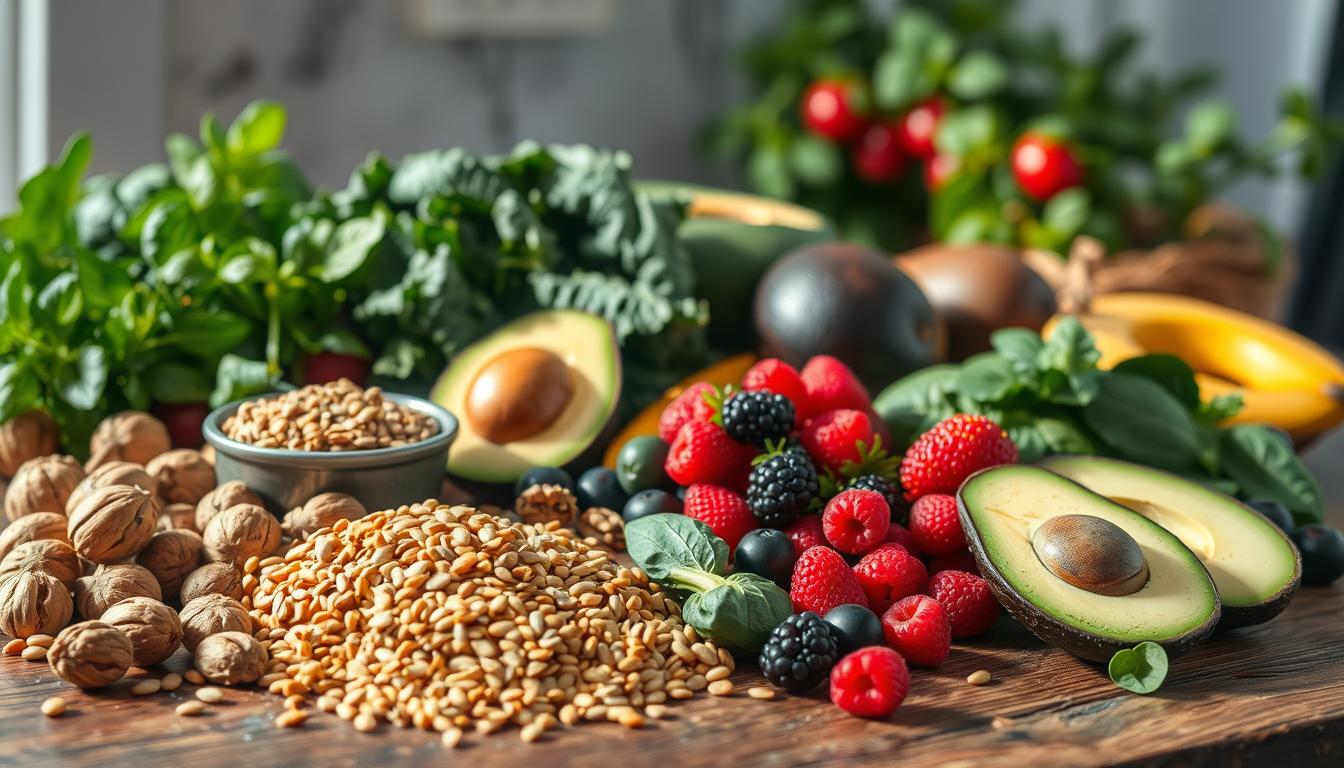
Boosting your brain health is easy with plant-based foods. You don’t need fish to get the nutrients your body wants. By trying fish alternatives Mediterranean diet options, you can live a balanced life and stay healthy.
The Power of Walnuts, Flax, and Chia Seeds
Nature gives us amazing plant-based sources of omega-3s. Walnuts, flax seeds, and chia seeds are full of alpha-linolenic acid. You can add them to oatmeal, salads, or smoothies.
Choosing these omega 3 foods without fish helps your brain stay sharp. Studies show that an omega-3s diet supports brain health by fighting inflammation and protecting neurons. Adding these seeds to your diet boosts your mental clarity.
| Food Source | Serving Size | Primary Benefit |
|---|---|---|
| Walnuts | 1/4 Cup | Brain Function |
| Flax Seeds | 2 Tablespoons | Heart Health |
| Chia Seeds | 2 Tablespoons | Fiber & Energy |
Incorporating Algae-Based Supplements for Peace of Mind
At times, you might want to make sure you’re getting enough nutrients. Algae-based supplements are a great way to get EPA and DHA. They come from the source fish eat, making them clean and sustainable.
Using these supplements can give you peace of mind. Always talk to your healthcare provider before starting any new supplements. They can help you choose the right ones for your health and lifestyle.
Your Practical Guide to Mediterranean Eating
Getting your kitchen ready is key to a healthy life. Having the right foods makes following a vegetarian Mediterranean diet easy, not hard.
Building Your Weekly Grocery List
Keep your kitchen calm by stocking up on basics. A full pantry means quick, healthy meals without store trips.
Focus on whole foods for lasting energy. Here’s what you need for your vegetarian Mediterranean diet:
- Legumes: Chickpeas, lentils, and black beans for plant-based protein.
- Whole Grains: Quinoa, farro, and rolled oats.
- Healthy Fats: Extra virgin olive oil, walnuts, and chia seeds.
- Fresh Produce: Leafy greens, bell peppers, tomatoes, and seasonal berries.
A Simple 7-Day Plan for High Energy
Staying consistent is important. This 7-day plan offers diverse, nutritious meals for steady energy all week.
Day-by-Day Meal Inspiration
Feel free to mix these ideas to fit your taste. For more ideas, check out these easy Mediterranean diet recipes for beginners.
| Day | Breakfast | Lunch | Dinner |
|---|---|---|---|
| Monday | Oatmeal with berries | Chickpea salad | Vegetable soup |
| Tuesday | Greek yogurt | Quinoa bowl | Lentil stew |
| Wednesday | Chia seed pudding | Hummus wrap | Roasted vegetables |
| Thursday | Oatmeal with nuts | Bean salad | Stuffed peppers |
| Friday | Fruit smoothie | Lentil soup | Whole grain pasta |
| Saturday | Avocado toast | Chickpea bowl | Vegetable stir-fry |
| Sunday | Veggie omelet | Leftover soup | Hearty grain salad |
Follow this plan to make healthy eating easy. Start now and enjoy the health perks of a vegetarian Mediterranean diet.
Cultivating Longevity and Sharp Focus
Imagine a future where your golden years are full of energy and clear thinking. By following a mediterranean diet for longevity, you help your body stay strong. This choice is not just for now; it’s for a long, healthy life.
The Connection Between Diet and Daily Vitality
What you eat greatly affects your health over time. Women who eat like they do in the Mediterranean are 46% more likely to live to 70 or older without sickness. This shows how big of a difference your daily choices can make.
Eating foods rich in nutrients keeps your brain sharp. You’ll have energy all day. This lets you enjoy life more with the people and things you love.
| Health Metric | Standard Western Diet | Mediterranean-Inspired |
|---|---|---|
| Chronic Disease Risk | Higher | Significantly Lower |
| Mental Clarity | Often Fluctuating | Consistent & Sharp |
| Energy Levels | Frequent Crashes | Stable & Sustained |
| Longevity Potentia | Limited | High |
Sharing the Journey with Friends
Starting a health journey is better with friends. Sharing your progress can keep you going and make it fun. You could send a message to your friends to join you.
Here’s a message you can send: “Hey! I’ve found some tasty, healthy foods for more energy and health. Want to try some Mediterranean recipes with me this week? Let’s share ideas!”
Having friends to support you adds joy to your life. Fostering community while eating well makes every meal special. It feels like celebrating life with your friends.
Conclusion
You can change your health with simple choices. Eating plants is a great way to stay healthy without seafood. Eating whole foods helps you stay well and sharp.
Begin today by filling your pantry with healthy foods. Making small changes can make a big difference in your energy. You should live a life that makes your body happy and fits your likes.
Frequently Asked Questions
Can I get enough protein without fish?
Yes, you can get enough protein from beans, lentils, chickpeas, and Greek yogurt. These foods have the amino acids your muscles need.
How do I replace the omega-3s found in fish?
Add flaxseeds, chia seeds, and walnuts to your oatmeal or salads. Algae-based supplements from brands like Nordic Naturals give you EPA and DHA directly.
Is meal prep difficult without seafood?
No, it’s easy. Cooking grains like quinoa or farro ahead of time lets you make quick, healthy bowls all week.
Will I miss the flavor of traditional Mediterranean dishes?
No, you won’t miss it. Fresh herbs, good olive oil, and citrus zest make plant-based meals taste amazing.
