
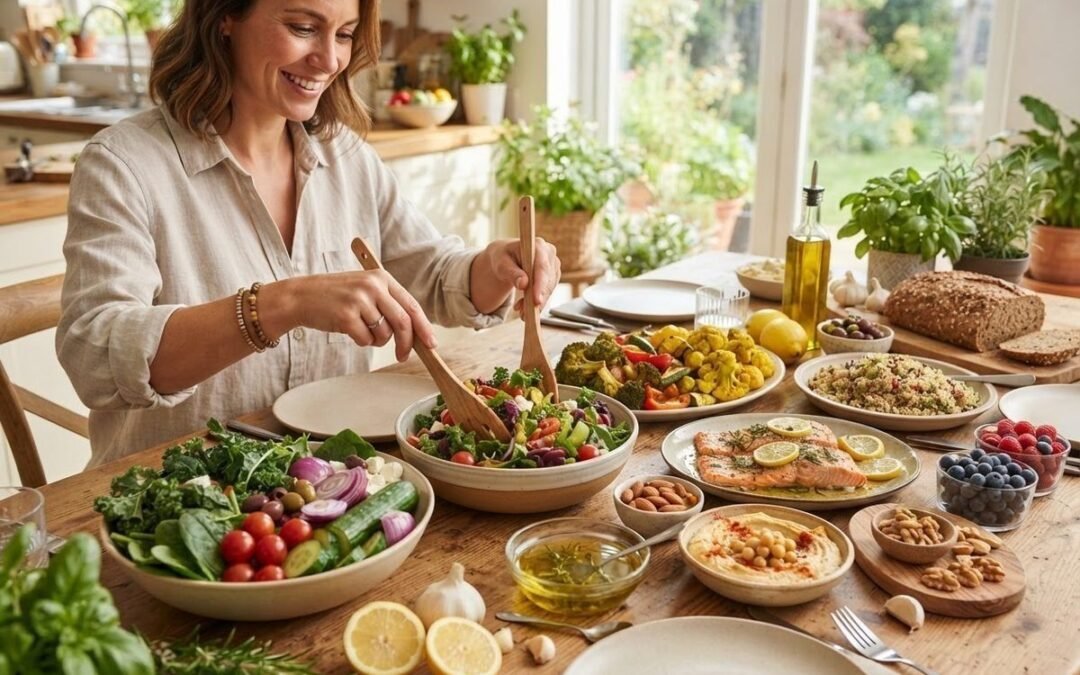
By Ray Baker
Fresh raw garlic can cause severe skin irritation and chemical burns when used on the skin [1]. That is a good reminder that a Mediterranean herb is not automatically gentle just because it grows in a garden. Many readers over 50 ask me which herbs are worth the money at the grocer and which ones need a little extra care. I have looked at the current evidence for sage, garlic, peppermint and turmeric, because these are common in Mediterranean cooking and in the supplement aisle. This is general information, not medical advice.
What should I know about a Mediterranean herb?
A Mediterranean herb is a leafy or flowering plant from the Mediterranean region, often used fresh or dried in cooking. Sage, rosemary, thyme and oregano are familiar examples. Sage is likely safe in the amounts commonly found in foods, and fresh raw garlic may not be safe when used topically [2][1].
Key takeaways
- Sage is likely safe in culinary amounts, but high-dose thujone can be toxic, so avoid long-term large doses [2].
- Garlic supplements may reduce levels of total cholesterol and low-density lipoprotein (LDL) cholesterol to a small extent in people who have high blood cholesterol levels, and limited evidence suggests they may reduce blood pressure to a small extent in people who have high blood pressure [1].
- Peppermint oil in enteric-coated capsules may improve IBS symptoms, though it can cause mild acid reflux [3].
- The initial evidence on oral turmeric or curcumin for osteoarthritis measures related to knee pain and stiffness is positive, but higher-quality evidence is needed, and highly bioavailable formulations of curcumin may harm your liver [4].
- The Mediterranean diet includes daily intake of herbs and spices, and red meat is limited to a few times per month [5].
Which herbs give the most flavour for the least cost?
I keep dried oregano, thyme and a small jar of crushed red pepper in the pantry, and I buy fresh basil and parsley when they are on special. The Mediterranean diet includes daily intake of herbs and spices [5]. Dried herbs are stronger by weight, so I start with about a third of the fresh amount and taste as I go. This is where a Mediterranean herb can stretch a modest grocery budget, because a small bunch of fresh parsley or a jar of dried oregano can season several meals. I also keep a small container of garlic powder because it is cheaper than fresh garlic per serving and keeps for months.
5 easy tips for using a Mediterranean herb in meals
- Start with one fresh herb and one dried herb. Fresh parsley or basil goes in at the end, while dried oregano or thyme goes in earlier with tomatoes or beans.
- Chop fresh herbs just before using and add half, then taste. You can always add more, but you cannot take it back.
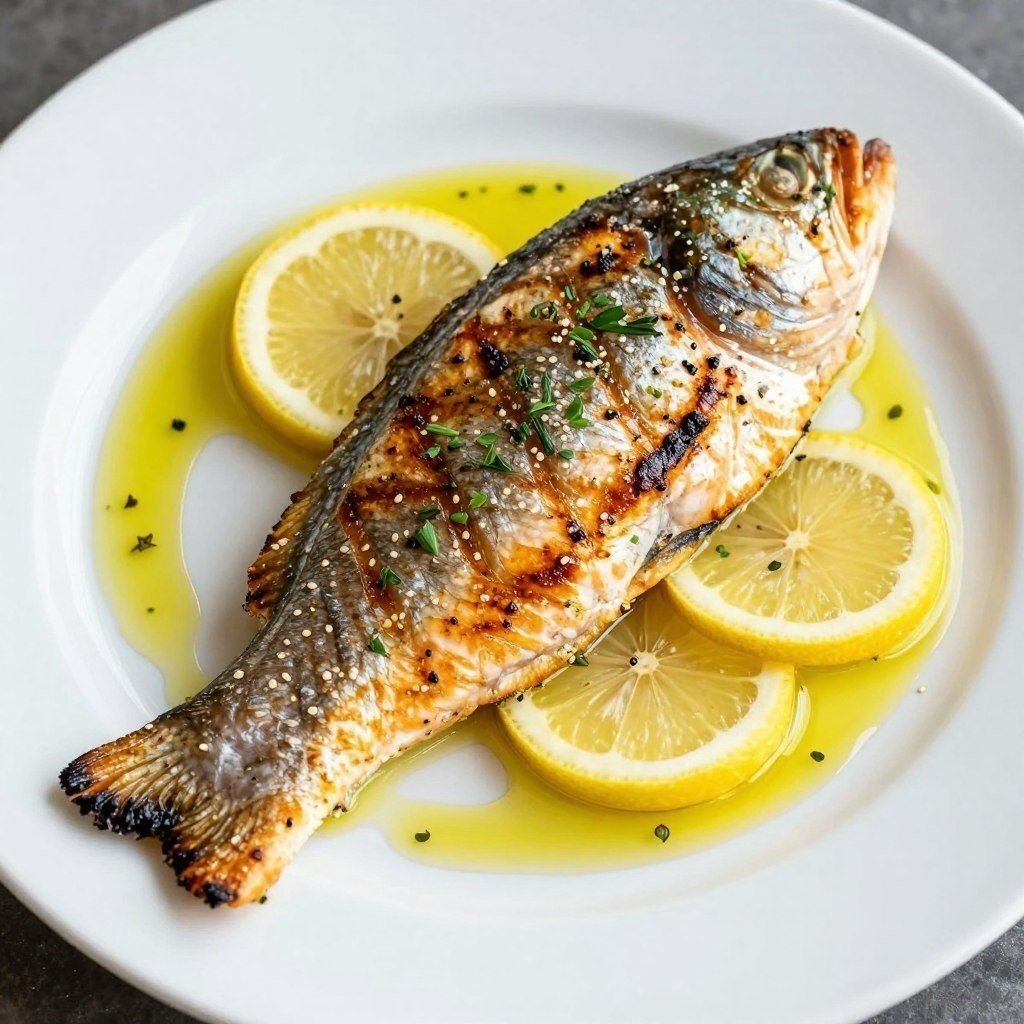
- Pair garlic with olive oil and lemon as a simple finish for fish or vegetables. Let the garlic sit for a minute after chopping if you want more aroma, but do not burn it.
- Freeze chopped fresh herbs in a little olive oil in an ice cube tray. That helps reduce waste when you buy a bunch and only need a few leaves.
- Keep a small jar of dried mixed herbs labelled with the date. Replace it after six months because dried herbs lose their colour and flavour.
If you are new to this, my guide to three Mediterranean diet herbs and spices you should not ignore covers the same ground with more depth.
How should I store dried herbs?
I keep dried herbs in small glass jars with tight lids, away from the hob and out of direct sunlight. Heat, light and moisture are the three things that fade their colour and flatten their flavour. Write the date you opened the jar on a small piece of tape, because dried herbs do not last forever. If a jar smells dusty rather than bright, it is time to replace it. This small habit saves money, because you will not use half a jar just to get the same flavour from old stock.
How safe are garlic supplements?
Garlic may lower total cholesterol and LDL cholesterol slightly in those with high blood cholesterol levels [1]. Limited evidence suggests that taking garlic may lower blood pressure slightly in those with high blood pressure. Garlic may reduce blood sugar slightly in people with diabetes [1]. Taking garlic may raise the risk of bleeding, so tell your health care provider if you take anticoagulants or aspirin or if you have surgery planned [1]. Fresh raw garlic can cause severe skin irritation and chemical burns when used on the skin [1]. I would not use fresh garlic as a skin remedy. The risk of a chemical burn is not worth it.
Should I choose peppermint oil capsules or fresh mint?
A 2021 clinical guideline from the American College of Gastroenterology recommended peppermint oil for relief of overall IBS symptoms and noted that enteric-coated formulations might help with acid reflux and indigestion side effects [3]. A 2022 review of 10 studies (involving 1,030 participants) found that peppermint oil was better than placebo at improving overall IBS symptoms and reducing abdominal pain but caused more side effects than placebo; most of the side effects were mild and included acid reflux and indigestion [3]. A few studies have indicated that specific products containing peppermint oil plus caraway oil and specific combination products that include peppermint leaves may help relieve indigestion, but there isn’t any evidence showing that taking peppermint oil alone can help [3]. I keep fresh mint for tea, but if I had IBS and wanted to try peppermint oil, I would choose an enteric-coated capsule and ask my doctor first.
Is turmeric worth adding to my cooking?
Turmeric is a plant in the ginger family, and curcumin gives the spice its yellow colour [4]. Several meta-analyses have evaluated oral turmeric or curcumin for osteoarthritis measures related to relieving knee pain and stiffness; the initial evidence is positive, but higher-quality evidence is needed to reach definitive conclusions [4]. Combining curcumin with piperine is one way to improve the bioavailability of curcumin [4]. Highly bioavailable formulations of curcumin, which enhance the body’s ability to absorb the curcumin, may harm your liver [4]. I cook with turmeric in lentil soups and add a little black pepper, but I would not rely on a supplement for joint pain without discussing it with a doctor. If you are building a spice drawer, my spices used in Mediterranean cooking guide covers buying and storing staples.
Where the eBook fits
When readers want to put these herb ideas into a weekly routine, I point them to my Mediterranean diet eBook. It includes meal plans, shopping lists and recipes, and costs US$27. The shopping lists help you see exactly how much fresh and dried herb to keep in the kitchen, so the budget side of this topic becomes practical. The recipes are straightforward, which helps if you are new to cooking with a Mediterranean herb. For transparency, this is my own eBook and I earn from each sale.
Related reading
- 3 Mediterranean Diet Herbs and Spices You Should Not Ignore: Related reading: a guide to three Mediterranean diet herbs and spices you should not ignore
- Spices used in Mediterranean cooking guide: Related reading: a practical guide to spices used in Mediterranean cooking
Frequently asked questions
Is fresh or dried better for a Mediterranean herb?
Both work well. Dried herbs are stronger by weight, so start with a smaller amount and taste before adding more. Use dried herbs earlier in cooking and fresh herbs as a finish for colour and brightness.
Can I take sage supplements every day?
Sage is likely safe in culinary amounts, and larger amounts have been used safely for up to 8 weeks in research studies. Some species of sage, including common sage, contain a component called thujone that can be toxic if consumed in large amounts; therefore, sage may be unsafe in high doses or if consumed for long periods of time [2].
Can garlic supplements increase bleeding risk?
Yes. Taking garlic may raise the risk of bleeding. If you take garlic supplements, make sure to tell your health care providers, especially if you are going to have surgery or if you take medicines, such as anticoagulants or aspirin, that may also affect bleeding [1].
Is peppermint oil good for nausea from chemotherapy?
A 2024 review of 10 studies on aromatherapy, which included 4 studies (involving 290 participants) on peppermint oil, found that inhaling peppermint oil was particularly successful at reducing nausea and vomiting in patients with cancer who were undergoing chemotherapy [3]. This is general information, not medical advice.
Can turmeric harm my liver?
Highly bioavailable formulations of curcumin, which enhance absorption, may harm your liver. If you take any type of medicine, talk with your health care provider before using any herbal product; some herbs and medicines interact in harmful ways [4].
Is sage safe during pregnancy?
It may be unsafe to use sage during pregnancy because its component thujone may have harmful effects. If you’re considering using sage while pregnant, consult your health care provider [2].
Honest take
My honest take is that a Mediterranean herb should earn its place through flavour first, not through a supplement promise. Sage, garlic, peppermint and turmeric can be lovely in meals, and the safety record in food amounts is generally reassuring. Where I see people go wrong is assuming more is better, especially with concentrated extracts. Keep the herbs on your plate, keep the doses sensible, and treat any supplement as something to discuss with a medical professional.
References
- Garlic: Usefulness and Safety. https://www.nccih.nih.gov/health/garlic
- Sage: Usefulness and Safety. https://www.nccih.nih.gov/health/sage
- Peppermint Oil: Usefulness and Safety. American College of Gastroenterology guideline, 2021. https://www.nccih.nih.gov/health/peppermint-oil
- Turmeric: Usefulness and Safety. https://www.nccih.nih.gov/health/turmeric
- Diet Review: Mediterranean Diet. https://nutritionsource.hsph.harvard.edu/healthy-weight/diet-reviews/mediterranean-diet/
Get well and stay well,
Ray Baker
