

By Ray Baker
In the 2024 Greek attica study of around 2,000 people, those with a high adherence to the Mediterranean diet had a 44 per cent lower CVD risk compared to those with the lowest adherence. That is exactly the kind of figure readers over 50 mention when they ask me for a simple Mediterranean diet tips and guidelines pdf they can print and keep on the fridge.
The problem is most online advice lists ingredients without showing how to turn them into a week of meals on a pension-friendly budget. As with any eating change, this is general information and not medical advice.
What goes in a Mediterranean diet tips and guidelines pdf?
A practical pdf should keep it simple: lots of vegetables, fruit, beans, lentils and nuts, a good amount of whole grains, extra virgin olive oil as the main source of fat, a good amount of fish, a moderate amount of natural cheese and yogurt, and little or no red meat or sweets.
Key takeaways
- Primarily plant based: lots of vegetables, fruit, beans, lentils and nuts, plus plenty of whole grains.
- Extra virgin olive oil is the main source of fat; butter and sweets are little or no.
- Fish and seafood at least twice a week, while red meat is limited to a few times per month.
- No strict formulas or calculations: it is up to the individual to decide exactly how much food to eat at each meal, as this will vary by physical activity and body size.
- The landmark PREDIMED trial from 2003 to 2011 studied around 7,500 adults aged 55 to 80 who were at high risk of CVD, and found that people eating a Mediterranean-style diet supplemented with nuts or olive oil had around a 30 per cent lower risk of heart attack or stroke.
What should I put on the plate each day?
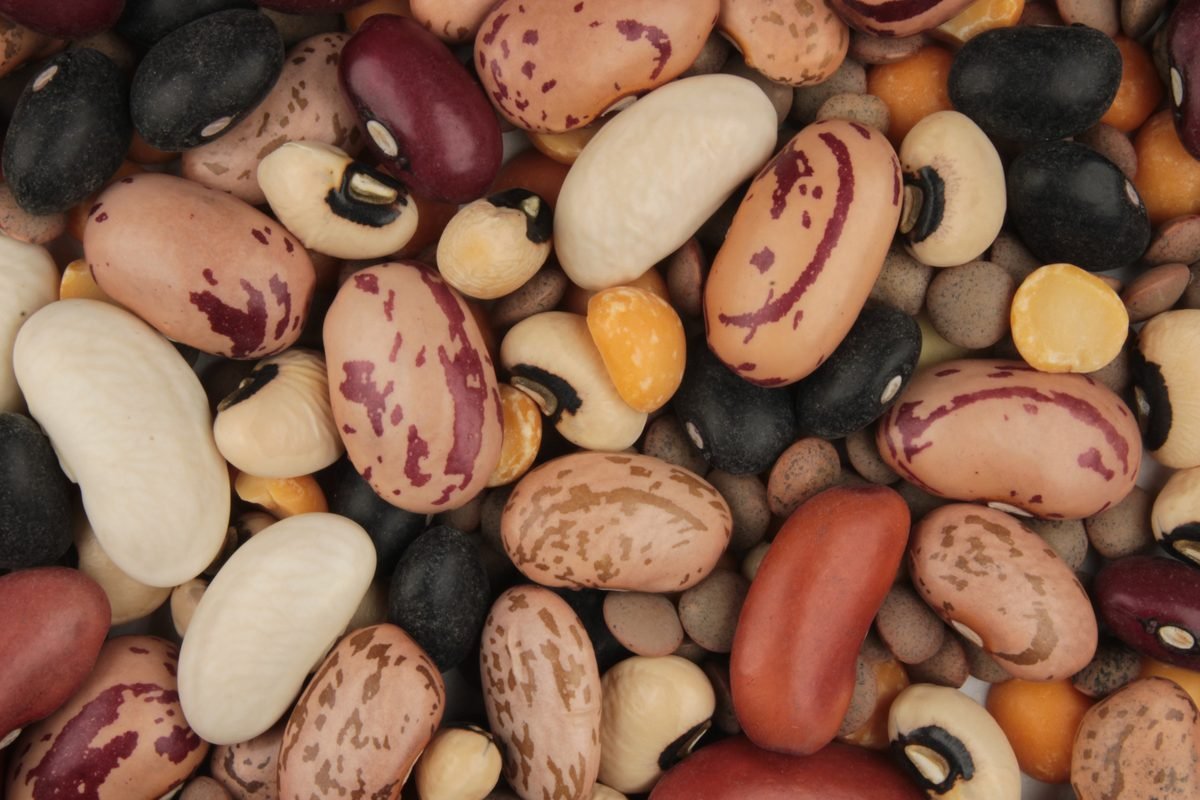
Think of the plate as mostly plants. A major clinic describes the pattern as lots of vegetables, fruit, beans, lentils and nuts, plenty of whole grains such as whole-wheat bread and brown rice, generous amounts of olive oil, and fish rich in omega-3 fats.
Poultry, eggs and dairy (cheese or yogurt) can be eaten in smaller portions either daily or a few times a week, while red meat is limited to a few times per month. If a tick-off list helps, I have a printable Mediterranean diet food list that turns this paragraph into a one-page shopping guide, and it pairs well with a Mediterranean diet tips and guidelines pdf.
What does the evidence actually show?
The research picture is unusually consistent. The PREDIMED trial from 2003 to 2011 studied around 7,500 adults aged 55 to 80 who were at high risk of CVD, and found that people eating a Mediterranean-style diet supplemented with nuts or olive oil had around a 30 per cent lower risk of heart attack or stroke than a control group who were advised to reduce their dietary fat.
A 2023 review of 40 past studies, which included data from more than 35,000 trial participants, found that a Mediterranean diet or low-fat diet were the only ones to show a benefit for CVD. These findings are associations in specific groups, not a guarantee for any individual, which is why I treat them as a useful nudge rather than a promise.
How do portions work on a budget?
The honest answer is there are no strict portion sizes. The pyramid shape suggests the proportion of foods to eat, but it does not specify portion sizes or specific amounts; it is up to the individual to decide exactly how much food to eat at each meal, as this will vary by physical activity and body size.
If you are watching the grocery bill, build meals around cheap staples: dried or tinned beans, lentils, oats, brown rice, cabbage, carrots, frozen spinach and tinned sardines or tuna in olive oil. You may gain weight from eating fats in olive oil and nuts.
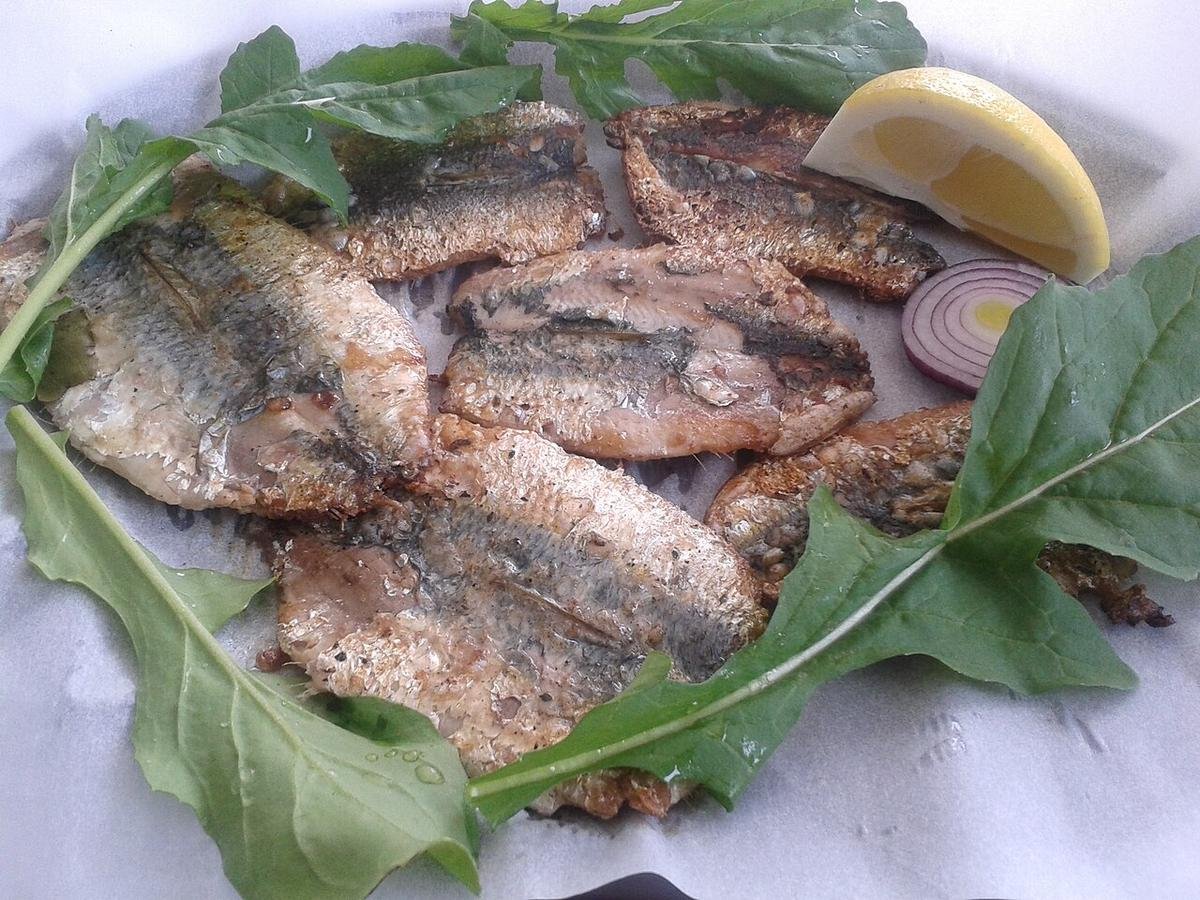
Start with a half plate of vegetables and let the cheaper plant foods do the heavy lifting. One low-cost day might be porridge with a chopped apple and a few walnuts, lentil and vegetable soup for lunch, then brown rice with tinned sardines and a lemon-dressed side salad for dinner.
What are 5 easy tips to start this week?
These are the moves I would make first if I were starting again at 60, and each one is small enough to try this week.
- Add one extra serve of vegetables to lunch, even if it is frozen spinach stirred into soup.
- Olive oil is recommended as the primary added fat, replacing other oils and fats (butter, margarine).
- Eat seafood twice a week; fish such as tuna, salmon, and sardines are rich in omega-3 fatty acids.
- Switch to whole grains; whole grains like bulgur and brown rice are healthier than their refined counterparts.
- For dessert, eat fresh fruit and save sweets for special treats or celebrations.
These five moves cover the same ground as a formal guideline sheet without turning your week upside down.
Is it possible if I don’t like fish?
Yes. Fish is common, but it is not the whole story. You can still get the pattern with plenty of beans, lentils, nuts, whole grains, vegetables and olive oil.
Fish, especially types abundant in omega-3 fats, is part of the diet. Among foods with healthful fats, walnuts and fish supply omega-3 fats. Some people prefer chicken, eggs or a little cheese for their protein.
If seafood is off the table entirely, I wrote a guide for following this way of eating without seafood, and it explains how to keep the pattern balanced.
What about wine, sweets and dairy?
Wine is a common part of a Mediterranean eating style but some people should not drink alcohol. Little or no sweets, sugary drinks or butter. A moderate amount of natural cheese and yogurt, but you may have calcium loss from eating fewer dairy products.
Where the eBook fits
If you have read this far, you may want the advice in one place. My Mediterranean diet eBook with meal plans, shopping lists and recipes (US$27) is the folder-friendly companion I wish I had when I started, and it works alongside a Mediterranean diet tips and guidelines pdf.
It does not promise health outcomes; it simply organises the shopping and the week so you spend less time staring into the fridge. The meal plans and lists follow the same plant-first, olive-oil-based pattern described above.
Related reading
Frequently asked questions
Is this diet safe for people over 50?
For most people, yes, but it is not a treatment. A dietitian can help you modify your approach as needed based on your medical history, underlying conditions, allergies and preferences.
Will I lose weight on this diet?
Weight changes depend on portions and activity. You may gain weight from eating fats in olive oil and nuts.
Can I eat bread and pasta?
Yes. Choose whole grains, like whole-wheat bread and brown rice, as your base instead of refined versions. Portion still matters, but they are not banned.
Do I need wine?
No. Wine is optional and some people should avoid it, including those who are pregnant, prone to alcohol overuse, or have conditions alcohol could worsen. Do not start just for the diet.
How strict is the Mediterranean diet?
It is more an eating pattern than a set of rigid rules. The traditional pyramid suggests proportions, not precise amounts, so you can adapt it to your body size and activity.
Honest take
My honest take is that a good Mediterranean diet tips and guidelines pdf should read like a friendly nudge, not a rulebook. It suits people who want a plant-first pattern and are happy with beans, grains, fish and olive oil. If you want a structured week, my eBook can help with meal plans and shopping lists, but the real work is small habits repeated.
This is a short practical check you can apply straight away, using the same steps already set out above, so the advice stays consistent from the first heading to the last.
References
- British Heart Foundation. Mediterranean diet. Page updated 2026. https://www.bhf.org.uk/informationsupport/heart-matters-magazine/nutrition/mediterranean-diet
- Cleveland Clinic. Mediterranean Diet: What It Is, Foods to Eat & Benefits. Last updated 2024. https://my.clevelandclinic.org/health/articles/16037-mediterranean-diet
- The Nutrition Source, Harvard School of Public Health. Diet Review: Mediterranean Diet. https://nutritionsource.hsph.harvard.edu/healthy-weight/diet-reviews/mediterranean-diet/
- MedlinePlus. Mediterranean diet. U.S. National Library of Medicine. https://medlineplus.gov/ency/patientinstructions/000110.htm
- Oldways. Mediterranean Diet. https://oldwayspt.org/explore-heritage-diets/mediterranean-diet
Get well and stay well,
Ray Baker
