
By Ray Baker
In the DASH trial, 456 people were randomly assigned to different eating patterns, and one combination diet lowered blood pressure about as much as a medication for stage 1 hypertension, without weight changes [1]. That is why so many readers over 50 ask me about diets similar to Mediterranean diet. They want the same plant-first, everyday-food approach with a little more clarity. As always, this is general information, not medical advice.
What are diets similar to Mediterranean diet?
DASH is the closest well-researched cousin. It recommends vegetables, fruits, and whole grains, and includes fish, poultry, beans, nuts, and low-fat dairy, while limiting sodium [2]. A general healthy-diet framework built on adequacy, balance, moderation and diversity points the same way [3]. For most people, DASH feels familiar rather than radical.
Key takeaways
- DASH recommends vegetables, fruits, and whole grains, and includes fat-free or low-fat dairy products, fish, poultry, beans, and nuts [2].
- The Mediterranean Diet emphasizes plant-based foods and healthy fats, with extra virgin olive oil as the main source of fat and fish as a good source of protein [4].
- DASH provides daily and weekly nutritional goals, with example servings for a 2,000-calorie-a-day diet, while the Mediterranean pyramid suggests the proportion of foods to eat but does not specify portion sizes or specific amounts [2][5].
- Both plans limit red meat and sweets [1][4].
- DASH recommends limiting sodium, and 1,500 milligrams of sodium lowers blood pressure even further than 2,300 mg daily [2].
How do these eating plans compare?
The DASH eating plan requires no special foods and instead provides daily and weekly nutritional goals [2]. On a 2,000-calorie-a-day diet, the example daily servings include 6-8 grains, 4-5 vegetables, 4-5 fruit, and 2-3 low-fat or fat-free dairy products [2]. Weekly servings include 4-5 nuts, seeds, dry beans, and peas, and 5 or less sweets [2].
The Mediterranean pattern is looser. The pyramid shape suggests the proportion of foods to eat, but it does not specify portion sizes or specific amounts [5]. Olive oil is recommended as the primary added fat, replacing other oils and fats (butter, margarine), fish is the preferred animal protein at least twice weekly, and red meat is limited to a few times per month [5]. Cheese and yoghurt appear in moderate amounts [4].
So the easiest way to think about it is this: DASH gives you a clear daily framework, while Mediterranean gives you a visual pyramid and a habit of eating more plants. Both can work well, but one asks you to count serves and the other asks you to notice proportions.
Where does the Mediterranean pattern come from?
A guide called the Mediterranean Diet Pyramid was introduced in 1993, based on the food traditions of Crete, Greece and southern Italy in the mid-20th century [5]. At that time these countries showed low rates of chronic disease and higher than average adult life expectancy despite having limited access to healthcare [5]. The diet was believed to be mainly fruits and vegetables, beans, nuts, whole grains, fish, olive oil, small amounts of dairy, and red wine [5].
Two things often get missed. The pyramid also highlighted daily exercise and the beneficial social aspects of eating meals together [5]. That helps explain why this is more of an eating pattern than a strict diet plan: the food proportions matter, but so does the rhythm of your day.

What can you put on your plate?
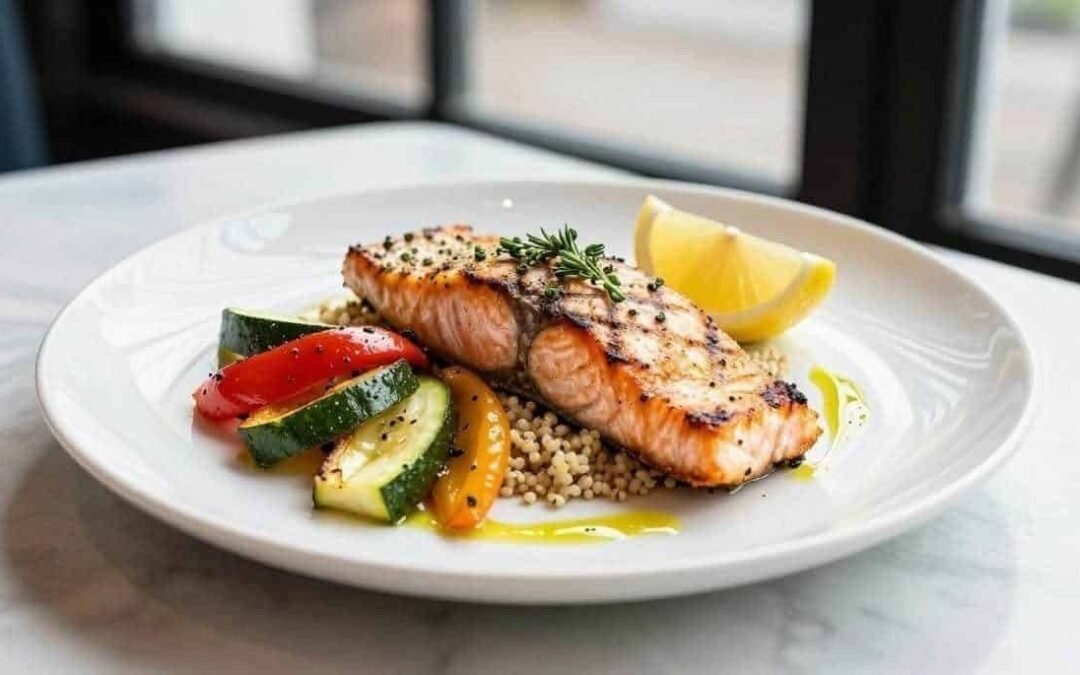
Start with half a plate of vegetables and fruit, then add beans, lentils, fish or poultry, and a modest serve of whole grains. Those DASH vegetable and fruit targets fit this visual plate without needing special foods. Fish is the preferred animal protein at least twice weekly, and oily fish like salmon and sardines are highlighted [5].
Extra virgin olive oil is the main source of fat in this way of eating [4]. DASH keeps fats and oils to two to three servings a day and includes vegetable oils while limiting tropical oils [2]. A simple day might look like oats and fruit at breakfast, lentil soup with whole-grain bread at lunch, and baked fish with roasted vegetables at dinner. If you want a written starting list, the Mediterranean diet grocery list for beginners can save you guesswork at the shop when following diets similar to Mediterranean diet.
What are 5 easy tips to start?
- Keep a bowl of fruit on the kitchen bench and add one extra vegetable to your main meal.
- Cook with olive oil or another vegetable oil instead of butter where you can [2][4].
- Plan fish twice a week and use tinned sardines, mackerel or salmon when fresh fish feels costly [4].
- Stretch red meat by mixing lentils or beans into mince dishes, leaving red meat as an occasional choice.
- If you follow DASH, use the 2,300 mg daily sodium target as a rough guide, and know the 1,500 mg option lowers blood pressure even further [2].
What should you watch for?
Healthy diets, including diets similar to Mediterranean diet, can fit different ages, budgets and food cultures. The core principles of a healthy diet are adequacy, balance, moderation and diversity, and the exact make-up varies with your age, lifestyle, locally available foods and dietary customs [3]. That means you can adjust these two patterns to what you can find and afford.
The DASH eating plan sets a sodium target of 2,300 mg daily, and 1,500 milligrams (mg) sodium lowers blood pressure even further [2]. The Mediterranean Diet means little or no sweets, sugary drinks or butter [4]. For a calm look at how this differs from a lower-carbohydrate plan, my Mediterranean diet vs keto diet article may help you decide.
What about exercise and eating together?
The pyramid also highlighted daily exercise and the beneficial social aspects of eating meals together [5]. I think this is the part many people over 50 skip. A walk after dinner and a slower meal with family or friends can make the same plate of food feel less like a program and more like a normal life.
You do not need a gym membership or a dinner party. A ten-minute walk most days and one shared meal a week are reasonable places to start, and they sit beside the food habits rather than replacing them.

Related reading
- Mediterranean Diet Grocery List for Beginners: A Simple Shopping Plan That Saves Guesswork: Related reading on simple shopping lists for this way of eating.
- Mediterranean Diet vs Keto Diet, A Calm, Evidence-Based Look at Safety, History and Long-Term Health: Related reading comparing Mediterranean eating with a lower-carbohydrate plan.
Frequently asked questions
Is DASH the only diet similar to Mediterranean diet?
DASH is the closest well-researched option, but any eating pattern built on vegetables, fruit, whole grains, beans, nuts and fish is similar. The core healthy-diet principles of adequacy, balance, moderation and diversity point the same way [3].
Do I need special foods for DASH?
No. The DASH eating plan requires no special foods and instead provides daily and weekly nutritional goals [2]. Ordinary staples like oats, tinned beans, frozen vegetables and canned fish fit well.
How much fish should I aim for?
Choosing fish as the preferred animal protein at least twice weekly [5]. Tinned sardines, mackerel or salmon count, which helps keep the cost down.
Can I still have dairy?
Yes. DASH recommends including fat-free or low-fat dairy products, with 2-3 daily servings of low-fat or fat-free dairy products [2]. A moderate amount of natural cheese and yogurt [4]. Choose plain, lower-sugar options where you can.
What if I want more structure?
DASH lists serving targets for a 2,000-calorie-a-day diet, such as 4-5 vegetables and 4-5 fruit [2]. The Mediterranean pyramid does not specify portion sizes or specific amounts; it is up to the individual to decide exactly how much food to eat at each meal [5].
Are these plans budget-friendly?
Yes. Both lean on beans, lentils, oats, seasonal vegetables and tinned fish, which are usually cheaper than large amounts of red meat or specialty products. DASH also requires no special foods [2].
Honest take
My honest take is this: do not spend too long deciding which plan is officially the right one. Diets similar to Mediterranean diet tend to work because they keep vegetables, beans, nuts, fish and healthy fats central, not because you follow a label perfectly. I favour starting with one small change this week, such as an extra serve of vegetables or one fish meal.
References
- Harvard School of Public Health, The Nutrition Source. Diet Review: DASH. https://nutritionsource.hsph.harvard.edu/healthy-weight/diet-reviews/dash-diet/
- NHLBI, NIH. DASH Eating Plan. 2026. https://www.nhlbi.nih.gov/health/dash-eating-plan
- World Health Organization. Healthy Diet. 2026. https://www.who.int/news-room/fact-sheets/detail/healthy-diet
- Cleveland Clinic. Mediterranean Diet: Food List & Meal Plan. 2024. https://my.clevelandclinic.org/health/articles/16037-mediterranean-diet
- Harvard School of Public Health, The Nutrition Source. Diet Review: Mediterranean Diet. https://nutritionsource.hsph.harvard.edu/healthy-weight/diet-reviews/mediterranean-diet/
Get well and stay well,
Ray Baker
