
By Ray Baker
Most Americans take in at least 1.5 teaspoons of salt a day, roughly 3,400 mg of sodium [1]. That is far more than a body needs, and it is why I pay attention to the spices used in Mediterranean cooking. When food is bland, my first move is not the salt shaker; it is a small jar of cumin, cinnamon, or paprika. The goal here is simple, everyday flavour for people over 50 without making dinner complicated.
What are the spices used in Mediterranean cooking?
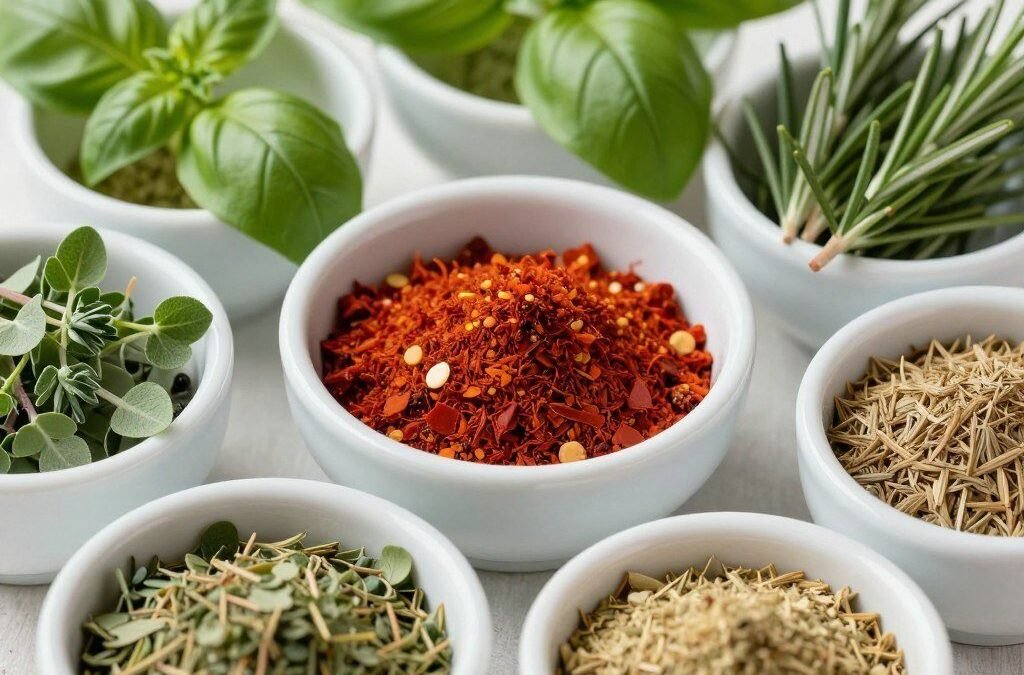
These are the dried seeds, bark, roots, and fruit used in small amounts to build flavour without heavy sauces. Everyday examples include cumin, coriander, paprika, black pepper, cinnamon, nutmeg, and cloves, alongside dried oregano, thyme, and rosemary. They work with olive oil, lemon, and garlic rather than replacing them.
The Mediterranean diet is a primarily plant-based eating plan that includes daily intake of whole grains, olive oil, fruits, vegetables, beans and other legumes, nuts, herbs, and spices [2]. That is useful because it means you are not chasing one magic ingredient. The spices used in Mediterranean cooking are a shelf you build over time, not a one-week shopping spree. You are building a spice shelf that makes simple vegetables, lentils, and fish taste like a proper meal.
Key takeaways
- Start with four or five whole spices, such as cumin, coriander, cinnamon, paprika, and black pepper, and add dried herbs.
- Use spices as part of a simple seasoning habit with olive oil, lemon, and garlic rather than salty condiments.
- Research doesn’t clearly support using cinnamon for any health condition [3], and only small amounts of research have been done on the use of sage for health conditions, so definitive conclusions about its effects cannot be reached [4].
- Buy small amounts, store them away from heat and light, and label the date so they stay fragrant.
- You do not need a giant collection; three or four spices you actually use beat twenty jars gathering dust.
Which everyday spices suit Mediterranean meals?
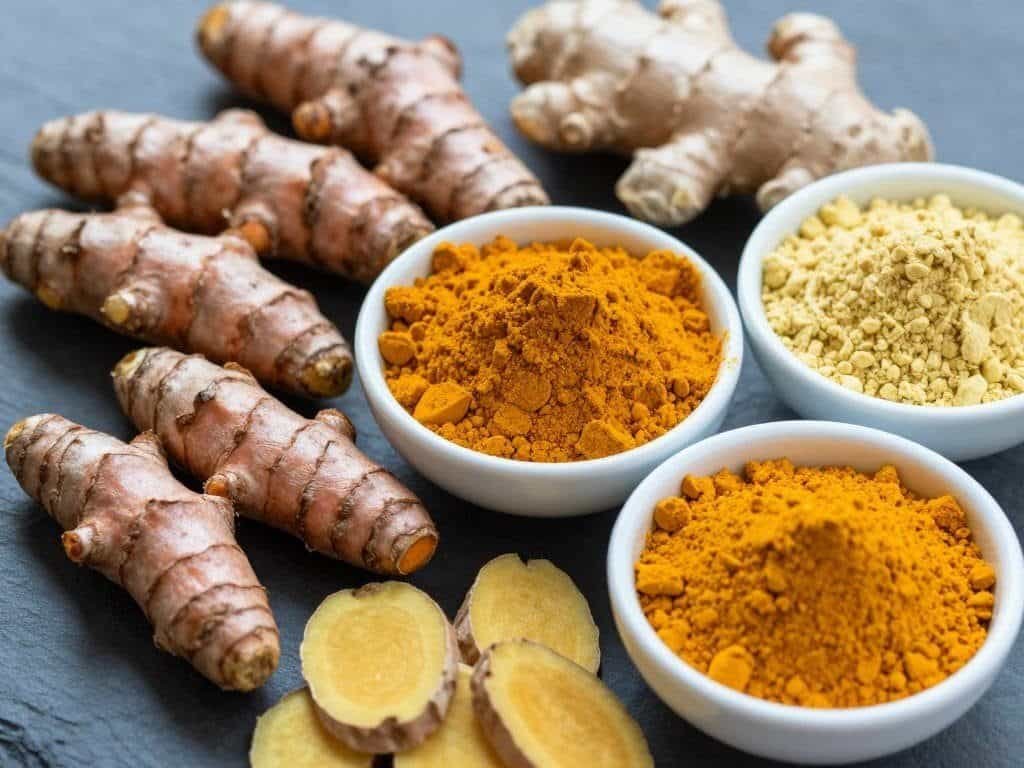
The traditional diets of countries bordering the Mediterranean Sea differ slightly so there are different versions of the Mediterranean diet [2]. I keep a short list rather than a full wall of jars. Cumin and coriander do a lot of work in lentil soups, roasted vegetables, and simple fish dishes. Paprika adds colour and mild warmth without heat. Cinnamon, nutmeg, and cloves suit slow-cooked vegetable dishes and even a small pinch in tomato sauce. Black pepper is the quiet workhorse. For dried herbs, oregano, thyme, and rosemary are the ones I reach for most. Fresh parsley, basil, mint, and dill sit next to the chopping board, but they are herbs rather than spices and I treat them as a fresh finish. If you want a shorter starting list, I have written about three herbs and spices worth checking, and about a few more noteworthy herbs and spices when you feel ready to widen the cupboard.
Can spices used in Mediterranean cooking cut salt?
Plain Mediterranean food is usually seasoned simply, without sauces and gravies [5]. That does not mean bland. It means a little salt, plenty of acid such as lemon or vinegar, and a generous shake of spices. For men and women 14 years of age and older and pregnant women, the AI is 1,500 milligrams a day, and the CDRR lists 2,300 milligrams a day as the maximum amount to consume for chronic disease reduction [1]. I am not saying spices cancel out salt. I am saying they give you another tool, so you can use salt as a finish rather than the whole flavour. A pinch of cumin with lemon juice on lentils or paprika and garlic on fish often needs less salt to taste complete.
What are 5 easy tips for a budget spice shelf?
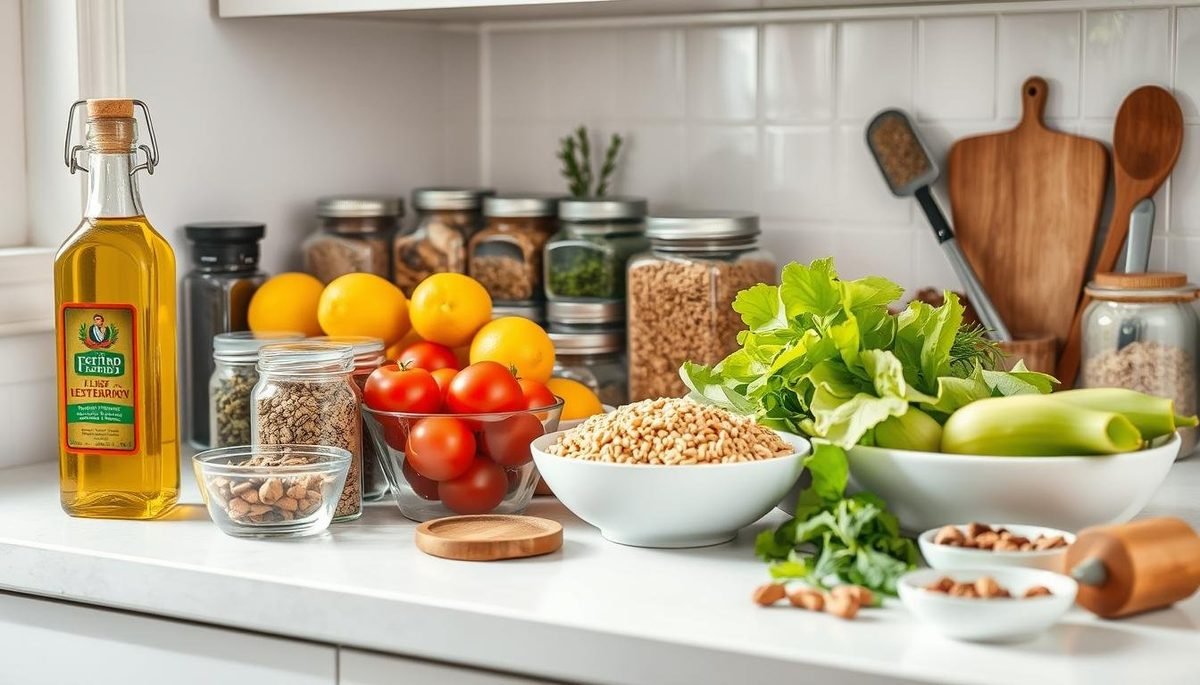
A good shelf of the spices used in Mediterranean cooking does not need to cost much.
- Buy whole seeds where you can. They keep their fragrance longer than pre-ground powders and often cost less per gram.
- Toast a teaspoon in a dry pan until it smells warm, then grind or crush it. This wakes up the flavour and lets you use less.
- Mix spices with a little olive oil and lemon juice before adding vegetables, fish, or beans, so they coat evenly.
- Store jars in a cool, dark place away from the stove and write the purchase date on the label with a pencil.
- Replace one jar at a time, not the whole shelf. Start with cumin, cinnamon, paprika, or whatever you already enjoy.
What should I know about garlic, cinnamon, and sage?
Garlic is the one I get asked about most. The research on garlic supplements suggests they may reduce total and LDL cholesterol to a small extent in people who already have high blood cholesterol [6]. Limited evidence suggests that garlic supplements may reduce blood pressure to a small extent in people who have high blood pressure, and garlic supplements may reduce blood sugar to a small extent in people with diabetes [6]. Fresh raw garlic may not be safe when used topically and can cause severe skin irritation and chemical burns, and side effects of garlic consumed orally include breath and body odor, abdominal pain, flatulence, and nausea [6]. Cinnamon is trickier. Despite the headlines, research does not clearly support using cinnamon for any health condition [3]. A few studies suggest that common sage, Spanish sage, or a combination of the two may improve scores on tests of memory or other aspects of cognition in healthy people; however, the amount of evidence is small [4]. Sage is likely safe in food amounts, though high doses or long-term use may be unsafe because of a compound called thujone [4]. None of this is a reason to self-treat; this is general information, not medical advice.
Where the eBook fits
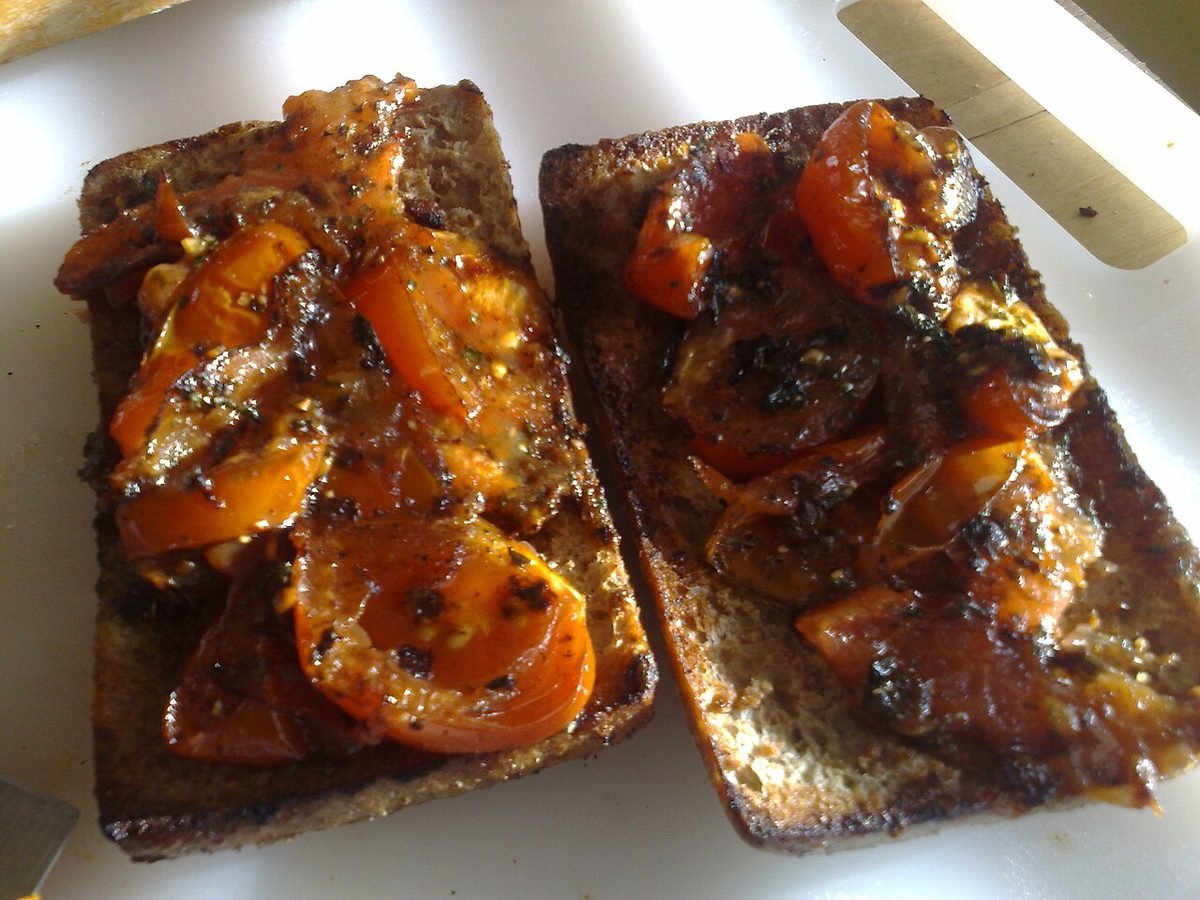
When readers ask me how to turn all this into a weekly routine, the first problem is usually the same: they buy a jar of spice, use it twice, and then stare at it. My Mediterranean diet eBook with meal plans, shopping lists and recipes (US$27) is designed to fix that in a calm way. The meal plans show you which dishes use the same spices so nothing sits unused. The shopping lists keep the cupboard and budget in check, and the recipes give clear steps without long ingredient lists. It is not a promise that spices will change your health overnight. It is a practical way to put the spices used in Mediterranean cooking into weeknight meals without guessing.
Related reading
- 3 Mediterranean Diet Herbs and Spices You Should Not Ignore: Shows three herbs and spices worth starting with.
- Some More Noteworthy Mediterranean Diet Herbs and Spices: Adds more noteworthy Mediterranean herbs and spices for a wider shelf.
Frequently asked questions
Do I need saffron to cook Mediterranean food?
No. Saffron is lovely in small amounts but expensive. Cumin, coriander, paprika, cinnamon, and black pepper do most of the everyday work. Start there and try saffron only if you enjoy special-occasion dishes.
How much spice should I use per dish?
Start with half a teaspoon of dried spice for a two-person vegetable or lentil dish, then taste. It is easier to add more than to fix an overpowering batch. Toasting first gives more aroma from the same amount.
Should I buy whole or ground spices?
Whole seeds keep fragrance longer and suit toasting and grinding. Ground spices are convenient but lose punch faster. If you only use cinnamon occasionally, a small ground jar is fine. Store both in a cool, dark spot.
Can I use fresh herbs instead of dried?
Yes, but the amount differs. Fresh herbs are usually added near the end and in larger amounts. Dried herbs go in earlier. As a rough guide, use about three times the volume of fresh herb when replacing dried.
Do Mediterranean spices cause any side effects?
In normal food amounts, most are fine for most people. Side effects of garlic consumed orally include breath and body odor, abdominal pain, flatulence, and nausea [6]. Sage should stay in food amounts because high doses may be unsafe [4]. Ask a pharmacist or doctor if you take medicines.
Honest take
The honest take is that the spices used in Mediterranean cooking are not a secret formula. They are a habit of seasoning simply, smelling as you go, and using what you already enjoy. If I were starting over at 55, I would buy cumin, cinnamon, paprika, black pepper, and dried oregano, then build from there. The mistake I see people make is buying twenty jars at once and never learning any of them. Pick three, cook the same lentil or fish dish twice this week, and let your nose guide the next step.
References
- Salt and Sodium. The Nutrition Source. https://nutritionsource.hsph.harvard.edu/salt-and-sodium/
- Diet Review: Mediterranean Diet. The Nutrition Source. https://nutritionsource.hsph.harvard.edu/healthy-weight/diet-reviews/mediterranean-diet/
- Cinnamon: Usefulness and Safety. NCCIH. https://www.nccih.nih.gov/health/cinnamon
- Sage: Usefulness and Safety. NCCIH. https://www.nccih.nih.gov/health/sage
- Mediterranean diet. MedlinePlus Medical Encyclopedia. https://medlineplus.gov/ency/patientinstructions/000110.htm
- Garlic: Usefulness and Safety. NCCIH. https://www.nccih.nih.gov/health/garlic
Get well and stay well,
Ray Baker
