
By Ray Baker
A number that still makes me pause: cardiovascular diseases were the leading cause of death globally in 2022, with an estimated 19.8 million deaths [1]. Yet breakfast is a place where many of us over 50 can make a gentler, budget-friendly shift. A cardiac diet breakfast menu does not need to be perfect; it just needs to lean on foods that help rather than hurt. This is general information, not medical advice.
What goes on a cardiac diet breakfast menu?
A heart-healthy eating plan recommends vegetables, fruits, and whole grains, and includes fat-free or low-fat dairy products, fish, poultry, beans, nuts, and vegetable oils, while limiting foods high in saturated fat and limiting sugar-sweetened beverages and sweets [2]. It is flexible: the plan requires no special foods and instead provides daily and weekly nutritional goals [2].
Key takeaways
- A heart-healthy eating style can include vegetables, fruits, and whole grains along with fat-free or low-fat dairy products, fish, poultry, beans, nuts, and vegetable oils [2].
- A simple plate guide suggests making most of your meal vegetables and fruits, 1/2 of your plate, whole grains, 1/4 of your plate, and protein, 1/4 of your plate [3].
- Limiting foods high in saturated fat and limiting sugar-sweetened beverages and sweets are part of the DASH eating plan [2].
- Drink water, coffee, or tea, and skip sugary drinks [3].
- Just 1 apple, banana, pear or similar-sized fruit is 1 portion each [4].
Why does breakfast matter for heart health?
Most cardiovascular diseases can be prevented by addressing behavioural and environmental risk factors such as tobacco use, unhealthy diet (including excess salt, sugar, and fats) and obesity, physical inactivity, harmful use of alcohol and air pollution [1]. I like that this is a broad, doable list, not a narrow prescription. It tells me a morning plate does not have to be clinical to count; it has to move in the right direction. The same source adds that cessation of tobacco use, reduction of salt in the diet, eating more fruit and vegetables, regular physical activity and avoiding harmful use of alcohol have been shown to reduce the risk of cardiovascular disease [1]. Healthy diets come in many forms, but the four core principles of adequacy, balance, moderation and diversity should be the foundation [5]. That is why I care less about trendy ingredients and more about what repeats well. For the wider protective picture, see my simple guide to a cardioprotective diet.
What should a simple morning plate include?
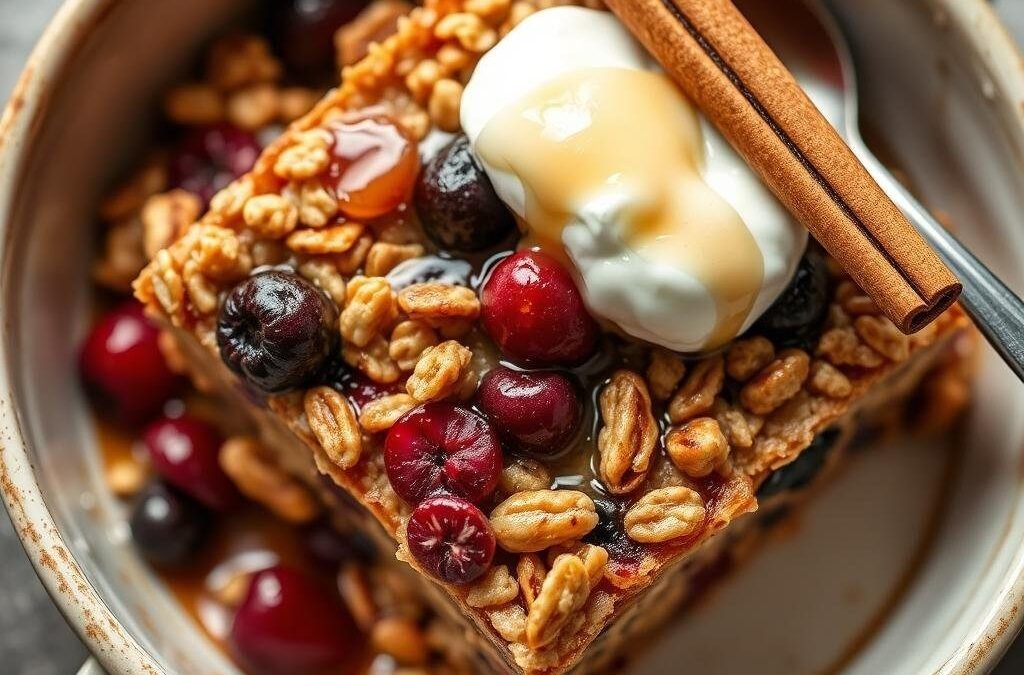
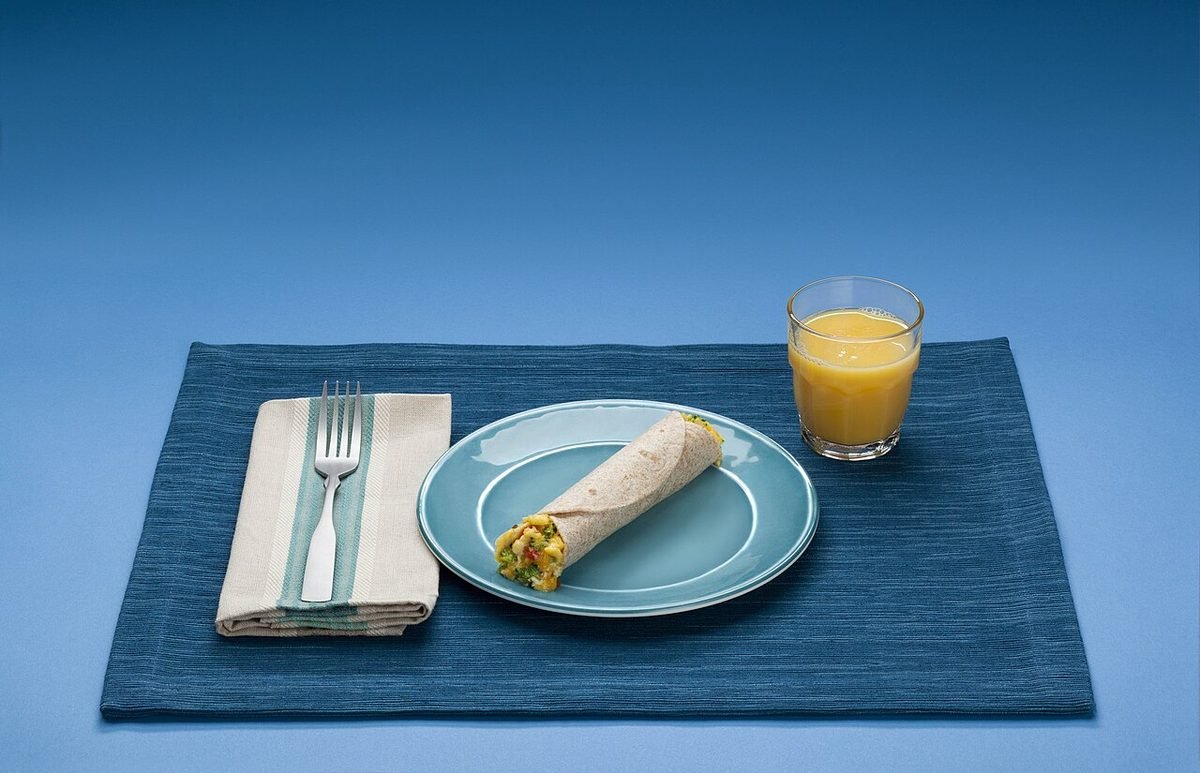
One guide I keep nearby suggests making most of your meal vegetables and fruits, half of your plate, whole grains, a quarter of your plate, and protein, the remaining quarter [3]. For breakfast, that might be a bowl of oats with berries and a spoon of nuts, then a small piece of fruit. Frozen berries work as well as fresh here, and they are often cheaper once out of season. The same guide also notes potatoes don’t count as vegetables on the Healthy Eating Plate because of their negative impact on blood sugar [3]. It is a useful reminder to keep the colour varied. If eggs are your preference, a couple of softly scrambled eggs with spinach and whole grain toast can sit in the same proportions; the protein quarter does not need to be large to be satisfying.
Which foods are worth limiting?
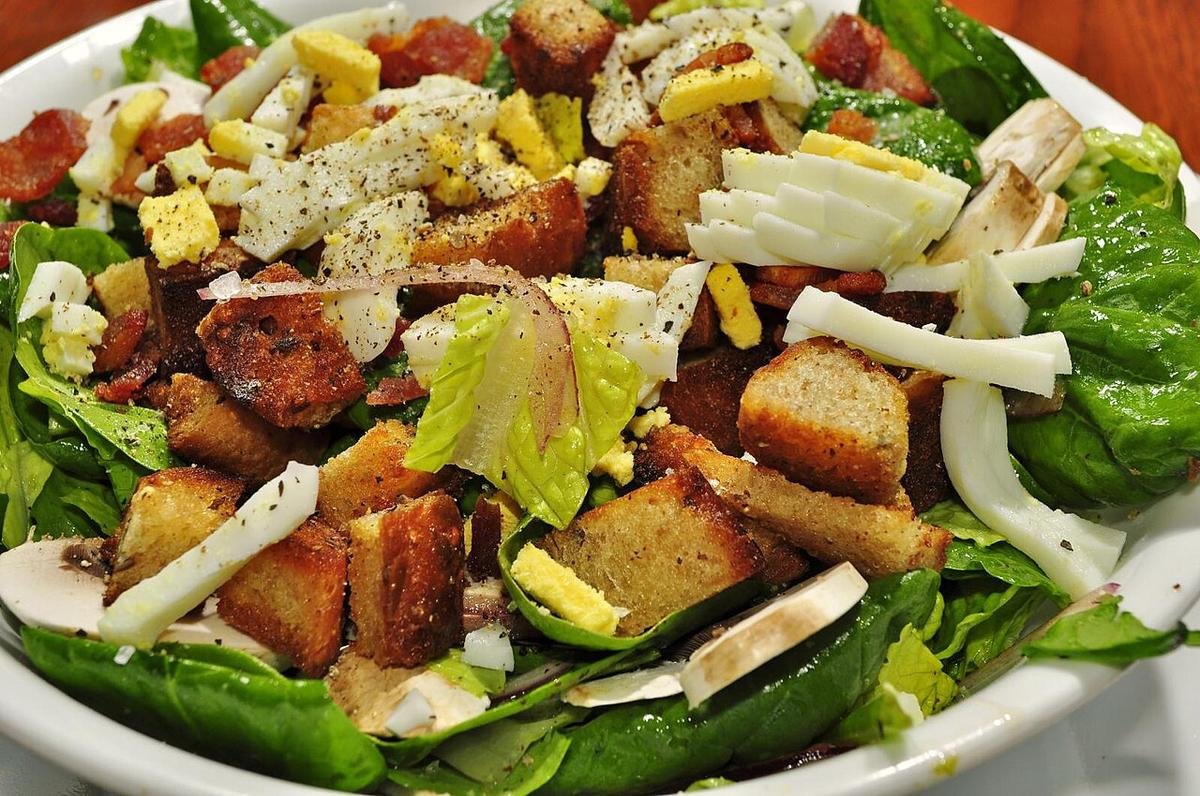
I do not like banning foods, but I do think we should be clear about the ones that tend to crowd out better choices. A heart-focused eating plan suggests cutting back on foods laden with saturated fat, sugar-sweetened beverages and sweets, and choosing foods that are lower in sodium and rich in potassium, calcium, magnesium, fiber, and protein [2]. That means cutting back on fatty meats, full-fat dairy products, and tropical oils such as coconut, palm kernel, and palm oils, and limiting sugar-sweetened beverages [2]. A separate plate guide advises to limit red meat and avoid processed meats such as bacon and sausage [3]. For a breakfast menu, this is less about perfection and more about frequency: a fruit bun or a pastry can stay, but it should not be the everyday centre of the plate. The truth is you can still enjoy a weekend fry-up now and then; the aim is to make the everyday version plainer, with fewer salty cured meats and more vegetables.
How do I keep flavour with less salt?
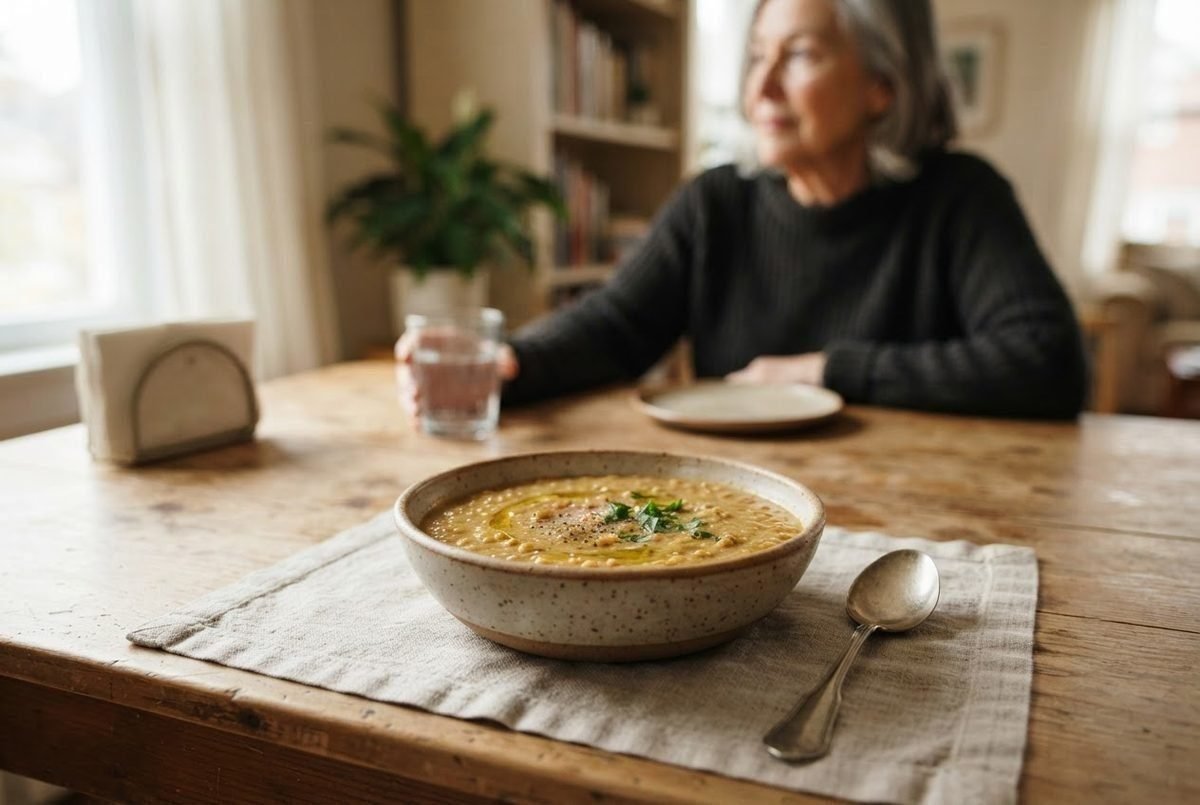
Lowering salt does not mean boring food. One heart-focused plan suggests choosing foods that are lower in sodium and rich in potassium, calcium, magnesium, and fiber [2]. I favour herbs, garlic, lemon zest, black pepper and a little vinegar, which add brightness without reaching for the salt shaker. Even tinned tomatoes, herbs and a little olive oil can turn a basic egg dish into something worth sitting down to. When a recipe calls for stock, choose a low-salt version. The goal is not to chase zero sodium on day one; it is to make the higher-salt option the exception rather than the rule.
How do you keep portions sensible on a budget?
Portion awareness is where a cardiac diet breakfast menu becomes practical. UK guidance recommends at least 5 portions of a variety of fruit and vegetables every day, and they can be fresh, frozen, canned, dried or juiced [4]. For fresh, frozen or canned produce, a portion is 80g; a portion of dried fruit is 30g and only counts for one of your recommended five portions, and limit fruit juice and smoothies to 150ml a day because of the free sugars in them [6]. Frozen and tinned produce count toward your five-a-day goal [6]. A simple measuring cup or a handful works well enough; you do not need a scale every morning. On a 2,000-calorie-a-day diet, one heart-focused plan sets these daily targets: 4-5 servings of vegetables, 4-5 of fruit, 6-8 of grains, and 2-3 of low-fat or fat-free dairy products [2]. If those numbers feel abstract, my clear serving chart turns them into ordinary food amounts.
What makes a morning routine easier?
A little structure helps more than willpower. Here are five easy ways to make a heart-smart breakfast feel routine.
- Prep the night before: soak oats, wash berries, or boil eggs so the morning is mostly assembly.
- Start with one fruit or vegetable, even a banana or a handful of spinach [4].
- Choose a whole grain base such as oats or whole wheat bread; whole and intact grains have a milder effect on blood sugar and insulin than refined grains [3].
- Use a healthy oil such as olive or canola when cooking, and avoid partially hydrogenated oils [3].
- Skip sugary drinks; water, coffee or tea fit better [3].
You do not have to do all five at once. Pick the one that feels least disruptive.
Where the eBook fits
What I notice most is that people do not lack information; they lack a plan they can follow on a tired morning. That is where my Mediterranean diet eBook with meal plans, shopping lists and recipes (US$27) earns its place. A cardiac diet breakfast menu becomes less of a puzzle when a week of meals, a clear shopping list, and easy recipes are already written down, so you can keep your attention on eating well rather than doing sums at the bench.
Related reading
- What Is a Cardioprotective Diet? A Simple Guide: Related reading for a wider heart-smart eating pattern.
- How Many Mediterranean Diet Servings Per Day? A Clear Chart: Related reading for ordinary serving sizes.
Frequently asked questions
Can I use frozen fruit and vegetables?
Yes. There are 5 ways to get your 5 a day: fresh, frozen, dried, juiced and tinned (in juice or water); choose tinned produce with no added salt or sugar [6].
Is this a medical treatment plan?
No. This is general information, not medical advice. People with special dietary needs or a medical condition should ask their doctor or a registered dietitian for advice [4].
Do I have to give up eggs?
No. Eat some beans, pulses, fish, eggs, meat and other protein as part of a healthy, balanced diet [4].
What can I drink with breakfast?
Water, coffee or tea without added sugar fit well. Skip sugary drinks [3], and limit fruit juice and smoothies to 150ml a day because of the free sugars in them [6].
How many portions of fruit and vegetables should I aim for?
At least five portions of a variety each day. Just 1 apple, banana, pear or similar-sized fruit is 1 portion each, and 3 heaped tablespoons of vegetables is another portion [4]; a portion of dried fruit is 30g and only counts for one of your recommended five portions, even if you have three portions of dried fruit in a day [6].
Honest take
My honest take? A cardiac diet breakfast menu works best when it feels ordinary. I would rather see someone eat porridge with a pear than skip breakfast, and I would rather see one small change next week than a perfect overhaul tomorrow. The mistake to avoid is trying to make every meal a display plate. Start with the plate you already make and swap one part.
References
- Cardiovascular diseases (CVDs). 31 July 2025. https://www.who.int/news-room/fact-sheets/detail/cardiovascular-diseases-(cvds)
- DASH Eating Plan. Last updated February 25, 2026. https://www.nhlbi.nih.gov/health/dash-eating-plan
- Healthy Eating Plate. The Nutrition Source. https://nutritionsource.hsph.harvard.edu/healthy-eating-plate/
- Eating a balanced diet. https://www.nhs.uk/live-well/eat-well/how-to-eat-a-balanced-diet/eating-a-balanced-diet/
- Healthy diet. 26 January 2026. https://www.who.int/news-room/fact-sheets/detail/healthy-diet
- Healthy eating. Page updated 1 October 2023. https://www.bhf.org.uk/informationsupport/support/healthy-living/healthy-eating
Get well and stay well,
Ray Baker
