
Do you feel like your hands and feet are always cold? Even when it’s sunny outside? If yes, you might have slow blood flow. This is a common problem, but there’s a way to fix it.
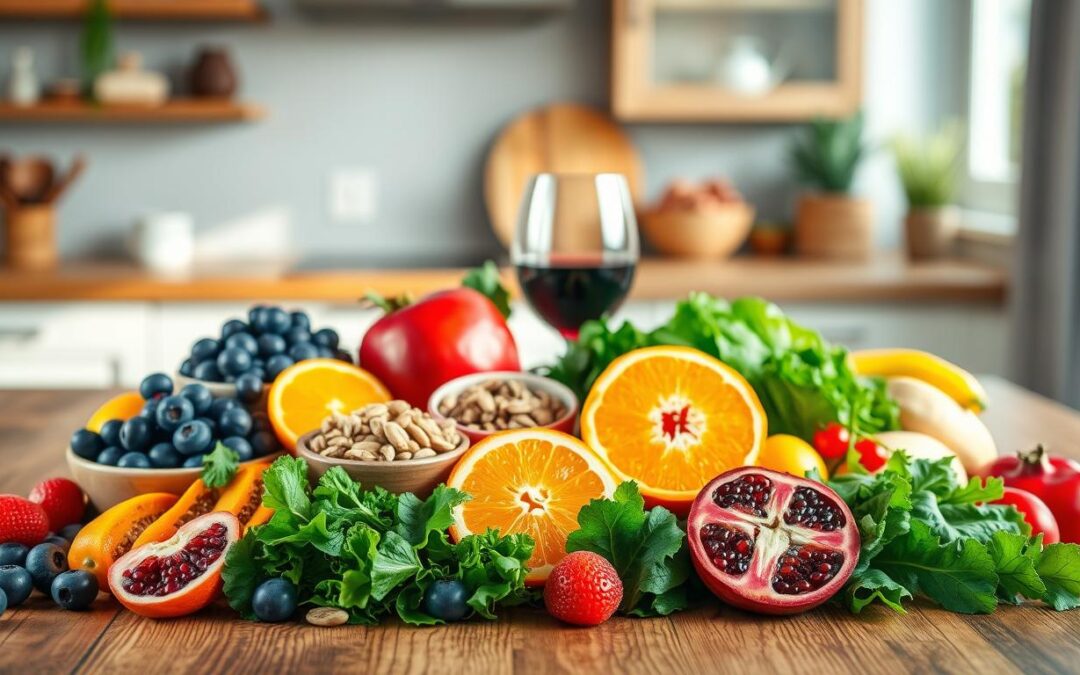
Feeling alive again starts in your kitchen. By picking the right foods for better circulation, you can make your blood flow better. These foods help your heart work better and make you feel more energetic. You can also reduce blood pressure with food by making small changes to your diet.
Want to feel better? Click the button below to get our guide and boost your energy.
Key Takeaways
- Cold hands and feet are often signs of poor blood flow that can be managed through diet.
- Nitrate-rich vegetables help relax blood vessels to improve overall vascular health.
- Omega-3 fatty acids found in fish are essential for maintaining healthy heart function.
- Potassium-rich produce helps your body balance sodium levels naturally.
- Small, consistent dietary changes lead to significant improvements in your daily energy levels.
Why Your Circulation Needs a Little Extra Love
Your circulatory system is like a highway for oxygen and nutrients in your body. When it works well, all your cells get what they need to be healthy. Eating the right diet for blood flow is a great way to help your body.
Recognizing the Signs of Sluggish Blood Flow
Your body sends signals when blood flow is slow. You might have cold hands or feet, feel numb, or have swollen legs. These signs can mean you’re overweight, smoke, or have diseases like diabetes.
Don’t ignore these signs. They can lead to bigger health problems. Eating well helps keep your blood vessels strong and healthy.
The Connection Between Vessel Health and Daily Energy
Ever feel tired even after sleeping a lot? Poor blood flow can make it hard for your muscles and brain to get enough oxygen. This makes you feel weak.
When your blood vessels are healthy, your heart doesn’t have to work as hard. This means you have more sustained energy all day.
The table below shows how different things affect your blood vessels and energy:
| Factor | Impact on Circulation | Resulting Energy Level |
|---|---|---|
| Smoking | Constricts blood vessels | Low and inconsistent |
| Physical Activity | Improves vessel elasticity | High and stable |
| Healthy Diet | Reduces arterial plaque | Optimal and vibrant |
| Chronic Stress | Increases blood pressure | Fatigued and drained |
Taking care of your blood vessels is good for your future. Eating a diet for blood flow helps your body stay healthy. Making small changes every day can make a big difference in how you feel.
Top Foods for Better Circulation to Keep You Moving
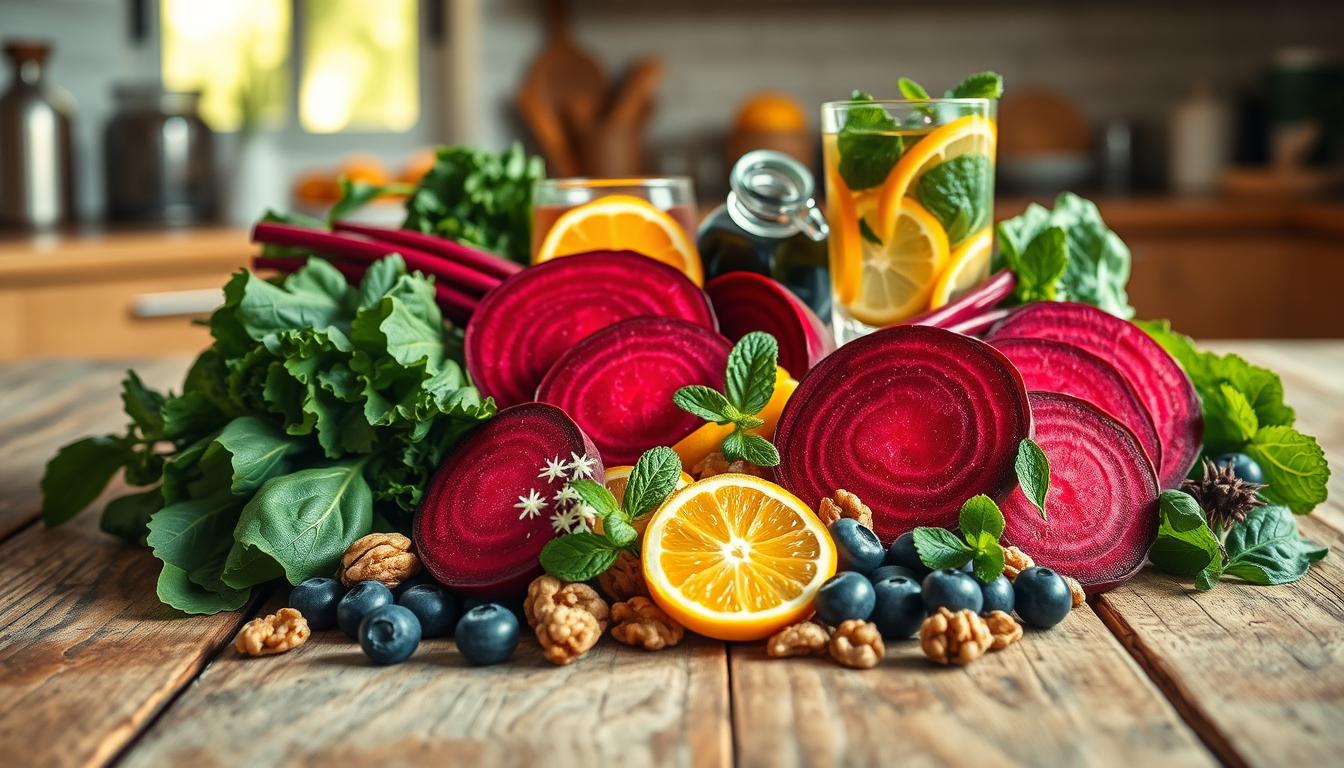
Choosing the right foods for better circulation can boost your energy. Eating foods rich in nutrients helps your body keep blood flowing well. These small changes can make a big difference in how you feel every day.
Nitrate-Rich Vegetables for Natural Vasodilation
Beets, arugula, and spinach are full of nitrates. Your body turns these into nitric oxide. This helps your blood vessels relax and widen, making blood flow better.
Berries and Citrus: The Antioxidant Powerhouses
Blueberries and strawberries have anthocyanins that protect your blood vessels. Citrus fruits are rich in vitamin C, which helps keep your arteries strong. Eating these fruits is a tasty way to support your foods for vascular health goals.
Healthy Fats and Omega-3s for Vessel Elasticity
Healthy fats are key for keeping your arteries flexible. They reduce inflammation, keeping your blood flow smooth. Eating a variety of these fats helps your heart stay healthy.
Why Fatty Fish Should Be a Weekly Staple
Fatty fish like salmon are full of omega-3s. These fats help lower blood pressure and prevent artery blockages. Eating fish twice a week is great for your heart.
The Role of Nuts and Seeds in Heart Health
Walnuts, flaxseeds, and chia seeds are packed with omega-3s and fiber. They keep your blood vessels flexible and your heart beating right. Adding them to your meals gives your heart a boost.
| Food Category | Key Nutrient | Primary Benefit |
|---|---|---|
| Leafy Greens | Nitrates | Promotes Vasodilation |
| Fatty Fish | Omega-3s | Reduces Inflammation |
| Citrus Fruits | Vitamin C | Strengthens Vessel Walls |
| Walnuts | Alpha-Linolenic Acid | Improves Arterial Elasticity |
Adopting a Mediterranean Approach to Vascular Wellness
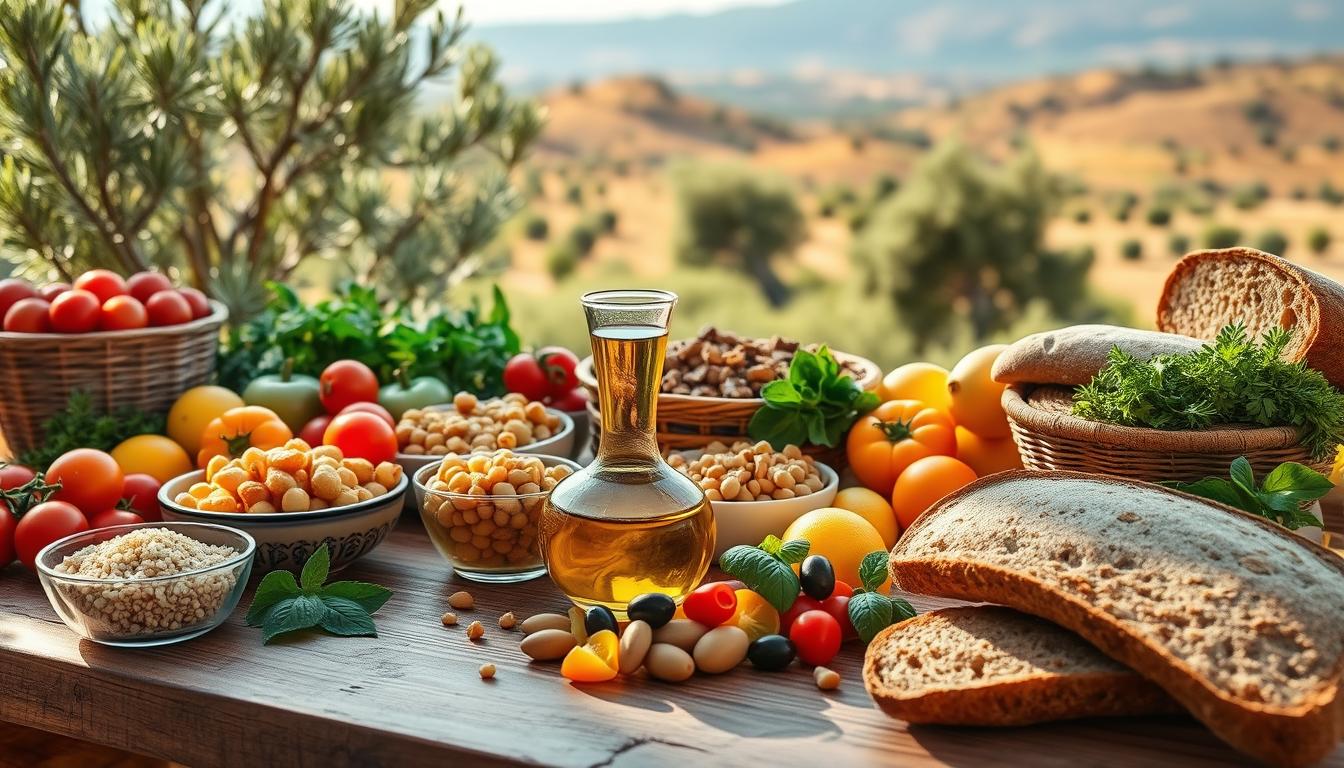
A Mediterranean way of life is more than food. It’s a full-body care method. It uses fresh, whole foods for a diet for blood flow that’s good for your heart. This lifestyle focuses on quality, not just what you can’t eat.
Prioritizing Whole Grains and Legumes
Whole grains and legumes are key to a healthy heart. They give you fiber, which helps with cholesterol and keeps your blood vessels open. Foods like lentils, chickpeas, or quinoa give you energy that lasts.
Adding these foods to your meals helps your heart. They replace bad carbs with good ones, improving your Mediterranean diet circulation. They’re good for you, easy on your wallet, and make meals tasty.
The Benefits of Olive Oil and Herbs
Extra-virgin olive oil is a big part of this healthy plan. It has good fats that keep your blood vessels flexible and fight inflammation. Switching to olive oil from butter or processed oils is a smart move.
Using olive oil with fresh herbs cuts down on salt and boosts flavor. Herbs like rosemary, basil, and oregano add antioxidants that protect your heart. This way, your diet for blood flow is tasty and easy to stick to.
| Feature | Standard Western Diet | Mediterranean Approach |
|---|---|---|
| Primary Fat Source | Saturated/Trans Fats | Extra-Virgin Olive Oil |
| Grain Choice | Refined White Flour | Whole Grains/Legumes |
| Flavor Enhancers | Excessive Salt/Sugar | Fresh Herbs/Spices |
| Vessel Impact | Increased Inflammation | Improved Elasticity |
Nutrients That Support Brain Health and Mood
Did you know that foods for vascular health also make your mind sharper? Your brain needs oxygen and nutrients to stay focused and calm. Good blood flow helps avoid the fog that comes from poor circulation.
Choosing the right foods nourishes your vessels and mind at the same time. This keeps your body energized and your mood balanced all day.
Magnesium and Potassium for Nerve and Muscle Function
Dark, leafy greens like spinach are key foods for vascular health. They have important minerals like magnesium and potassium. These minerals help control blood pressure and prevent damage to your vessels.
They also help your nerves and muscles work right. This means less tension and clearer thinking. Add these to your daily meals:
- Spinach and Kale: Full of magnesium for blood pressure.
- Avocados: Rich in potassium for heart health.
- Swiss Chard: Nutrient-rich for steady brain blood flow.
Vitamin B Complex for Sustained Energy Levels
Vitamin B complex is vital for foods for vascular health. It helps turn food into energy, keeping your brain sharp and mood steady.
Lacking B vitamins can make you tired and cranky. This makes it tough to stay focused. Eating whole grains, legumes, and lean proteins gives your body the energy it needs for your brain.
By focusing on these nutrients, your blood vessels stay strong. You’ll likely feel more energetic and happy every day.
Your Practical Toolkit for Heart-Healthy Living
You can start improving your heart health today. Simple steps can make a big difference. Eating a Mediterranean diet circulation way helps your body stay healthy.
Downloadable Grocery List for Better Circulation
Start by shopping for the right foods. Our list has foods that help your blood flow well. You’ll find greens, nuts, and more to keep your heart healthy.
- Leafy Greens: Spinach, kale, and arugula for natural nitrates.
- Healthy Fats: Extra virgin olive oil, avocados, and walnuts.
- Berries: Blueberries and strawberries for antioxidant support.
- Whole Grains: Quinoa, oats, and farro for sustained energy.
A Simple 7-Day Mediterranean Meal Plan
Sticking to a plan is key. For breakfast ideas, check out these Mediterranean diet breakfast ideas for heart health. This plan is tasty and good for your heart.
| Day | Focus | Key Benefit |
|---|---|---|
| 1-2 | Plant-based proteins | Fiber intake |
| 3-4 | Omega-3 rich fish | Vessel elasticity |
| 5-7 | Antioxidant variety | Reduced inflammation |
Download your full 7-day meal plan and grocery guide here to get started today!
How to Share These Tips with Friends
Health is better with friends. Share these tips with your loved ones. Tell them you’re focusing on heart health and invite them to try new recipes.
Remember, diet is just part of it. Quitting smoking, increasing physical activity, and reaching a moderate weight are also important.
Frequently Asked Questions
Does hydration affect blood flow? Yes, staying hydrated is vital for maintaining blood volume and proper circulation.
Can I eat snacks? Absolutely, focus on raw nuts, seeds, or fresh fruit to keep your energy stable.
Is coffee allowed? Moderate coffee consumption is generally fine, but avoid adding excessive sugar or cream.
How long until I see results? Consistency over several weeks is key to noticing improvements in your energy and overall well-being.
Disclaimer: This content is for informational purposes only and does not constitute medical advice. Always consult with a healthcare professional before making significant changes to your diet or exercise routine.
References: American Heart Association, Mayo Clinic, Harvard T.H. Chan School of Public Health.
Conclusion
Your journey to better heart and vessel health starts today. Making small, daily changes can make a big difference. These changes help you stay healthy for a long time.
Focus on three main things to keep improving. Eat nitrate-rich veggies to help blood flow. Choose whole foods and healthy fats like the Mediterranean diet. Also, move more and manage stress to stay strong.
What you eat can change your health. Try swapping one bad snack for berries or greens. These small steps can lead to a stronger heart and more energy.
Teach your family and friends about these tips. Your efforts to improve circulation can inspire others. Choose one goal and start making healthier choices with your next meal.
