
By Ray Baker
After 50, the old low-calorie plans stop working, and hunger usually wins by Thursday. A Mediterranean diet weight loss meal plan built around vegetables, beans and fish, with olive oil as the main added fat, is gentler because it works as an eating pattern, not a rigid set of formulas [1][2]. This is general information, not medical advice.
What is a Mediterranean diet weight loss meal plan?
A Mediterranean diet weight loss meal plan is a flexible weekly pattern built around vegetables, beans, whole grains and fish, with smaller amounts of cheese, yogurt, poultry and eggs, only occasional red meat, and olive oil as the main added fat. You adjust portions to your appetite, activity and budget rather than follow one rigid set of numbers [1][2].
Key takeaways
- Build most meals around vegetables, beans, whole grains and fish; use olive oil as your main fat; keep dairy, poultry and eggs smaller.
- A Mediterranean diet weight loss meal plan works best when you use portion awareness, not strict calorie counting.
- Aim for fish at least twice weekly and keep red meat to a few times a month.
- Add variety within and across food groups, and limit added sugars, salt and highly processed foods.
- Start with one meal you already enjoy, then add two or three realistic changes each week.
Which foods go on the plate most days?
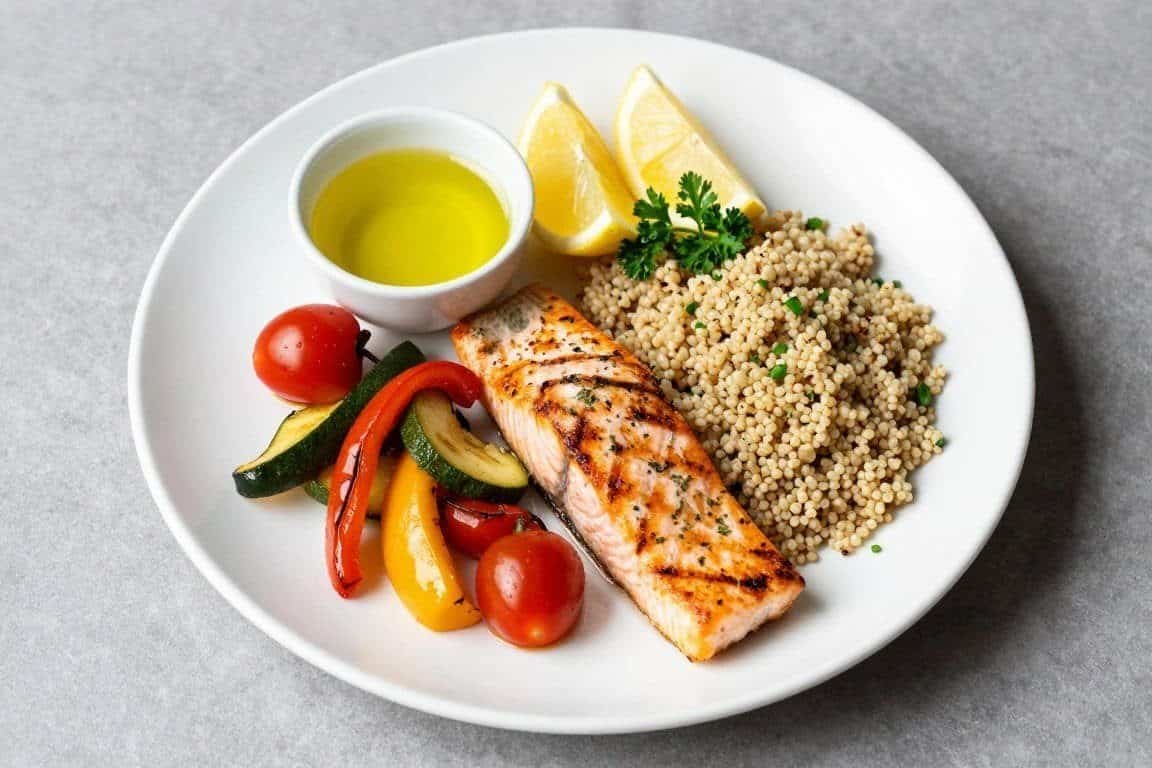
The base is mostly plants: vegetables, fruit, beans, lentils, nuts, grains and olive oil [1]. Fish and seafood are the preferred animal proteins, and you aim for fish at least twice weekly [1]. Cheese and yogurt appear in smaller portions, poultry and eggs can be daily or a few times a week, and red meat is limited to a few times a month [1]. Sweets, sugary drinks and butter stay occasional [2]. Olive oil replaces butter or margarine as the main added fat [1].
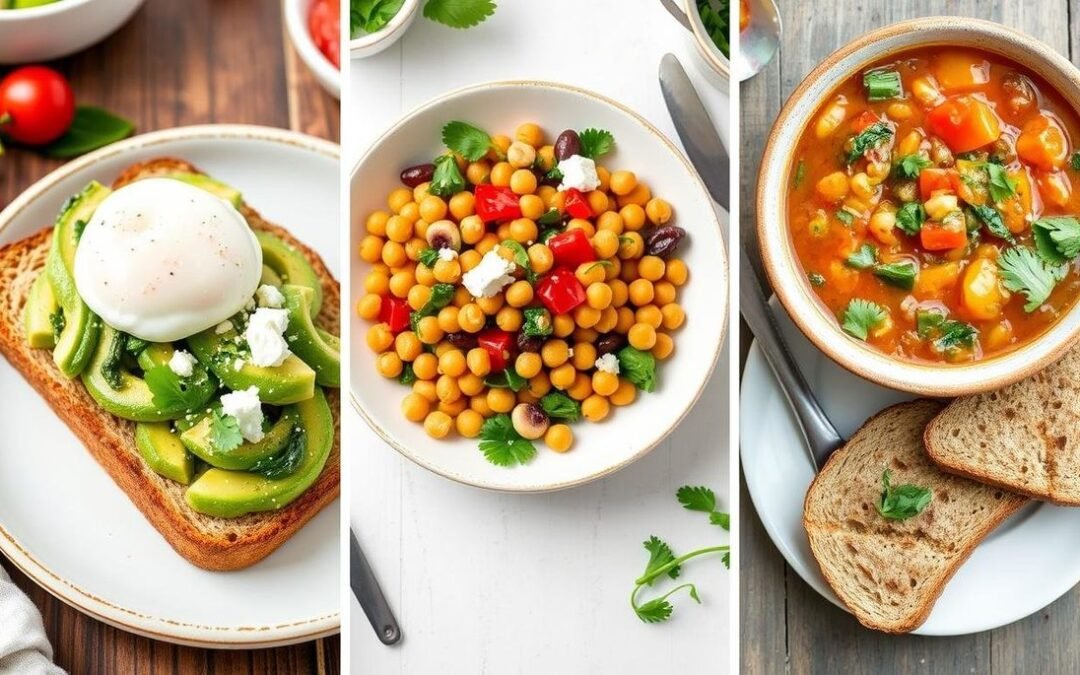
To make this practical, a day might look like Greek yogurt with berries and oats for breakfast, a lentil and vegetable soup with whole-grain bread for lunch, and baked white fish with greens and roasted potatoes for dinner. You do not need to buy anything exotic. Frozen fish, canned beans and whatever green vegetables are on special can work just as well. Herbs, spices and a little lemon help you rely less on salt, which fits the general healthy diet principle of limiting sodium [3].
How much should you eat at each meal?
This is where many people over 50 get stuck, so I favour a simple visual guide rather than a scale. Fill about half the plate with vegetables, a quarter with beans or grains, and a quarter with fish, poultry or eggs. It is not a formal rule, but it keeps portions realistic. If your appetite has dropped, use a smaller dinner plate and save the rest for lunch the next day. You can still enjoy a small portion of cheese or yogurt, but let vegetables and beans do the heavy lifting.
A healthy eating plan also stays within your daily calorie needs, which depend on age, sex, height, weight and activity level [4]. The World Health Organization adds that balanced energy intake with energy expenditure and variety within food groups matter more than perfection [3]. A dietitian can help you adjust the pattern for medical history, allergies and preferences [2].
5 easy tips for a simpler week
- Plan five dinners, not seven. Leave two nights open for leftovers or an omelette with salad. This cuts decision fatigue and food waste.
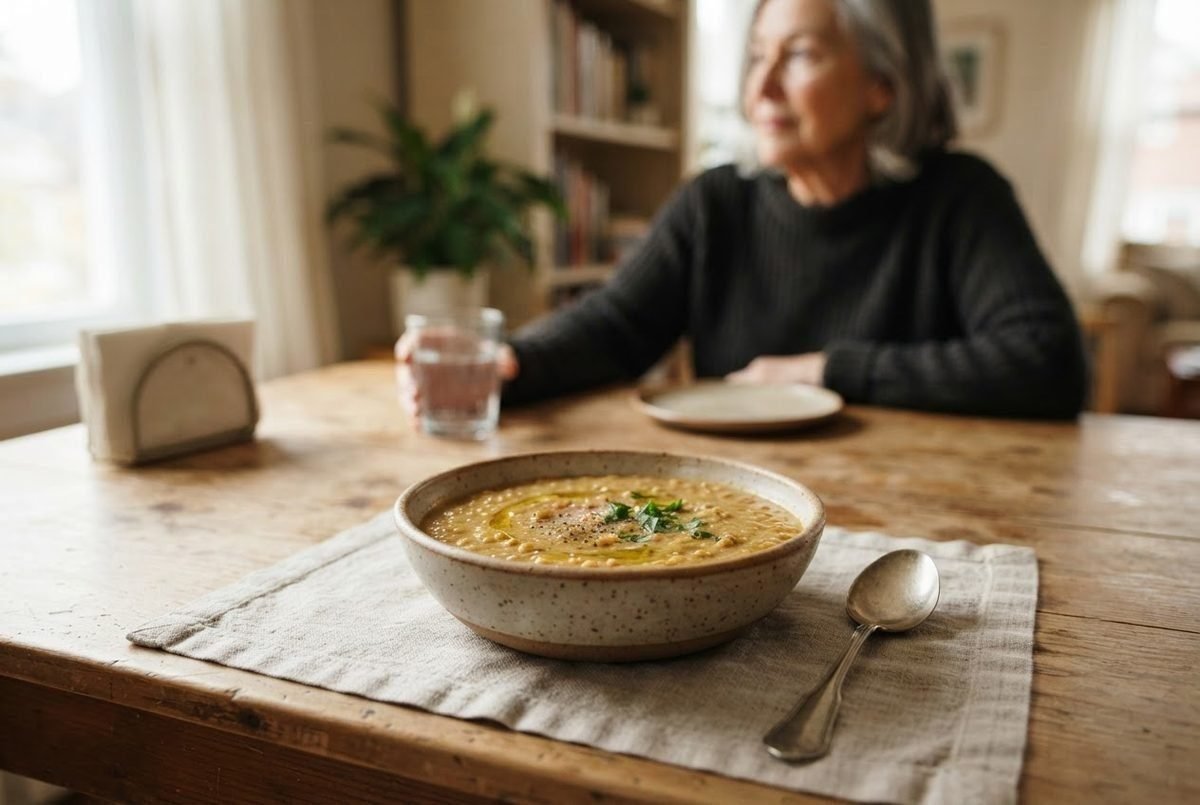
- Batch one bean dish. A lentil soup or chickpea stew stores well and becomes lunch for a few days [1][3].
- Keep frozen vegetables and canned beans handy. They are quick, and you can choose no-added-salt options [4].
- Use olive oil as your main added fat. Replace butter or margarine in cooking, and let nuts or avocado add healthy fat [1][2].
- Add one new vegetable each week. The variety helps you stay interested [4].
None of these steps require perfect organisation. They are small ways to keep the week moving without turning meals into a second job. If a week goes off plan, just return to the next meal rather than waiting for Monday.
Which budget meals keep you full?
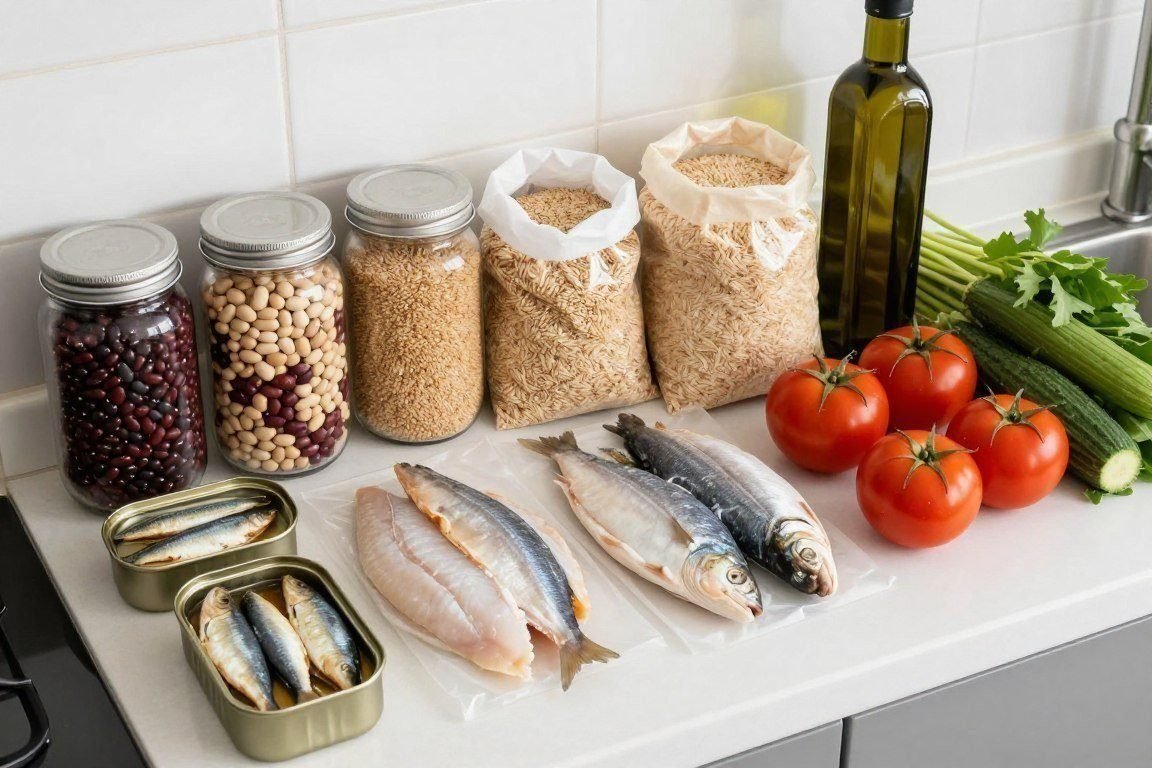
Beans, lentils, eggs, tinned sardines, frozen vegetables and oats are affordable staples that fit this pattern. Pair them with a whole grain such as brown rice or whole-wheat bread and a drizzle of olive oil, and the plate feels complete without a costly cut of meat. White bean and tuna salad, lentil bolognese, and vegetable frittata are a few examples, and they all fit the pattern of beans, vegetables and smaller animal proteins. You do not need organic produce or premium olive oil when the budget is tight; a basic bottle of extra virgin olive oil plus whatever vegetables are on special still work.
If the grocery bill worries you, the budget Mediterranean recipes guide shows pantry-based meals that do not rely on fancy ingredients.
What if you do not cook much?
There is no need to make everything from scratch. Canned chickpeas, bagged salad leaves, pre-cooked brown rice, tinned fish and frozen vegetables can become a meal in minutes. For example, open a tin of chickpeas, toss with olive oil, lemon, parsley and cucumber, and you have a no-cook lunch. Tinned sardines on whole-grain toast with bagged salad, and cottage cheese with tomatoes and cucumber, are other quick plates. Keep a few tins of beans, fish and tomatoes in the cupboard, and you always have the start of a meal.
For more simple no-cook plates, see the no-cook Mediterranean meals guide.
What about snacks and eating out?
Between meals, reach for fruit, a small handful of nuts, or plain yogurt with a spoon of oats. These choices add nutrients without leaving you overfull. When eating out, look for grilled or baked fish, bean soups, salads with olive oil dressing, or pasta with vegetables. Ask for sauce on the side if you are watching portions. There is no need to be perfect; one relaxed meal out will not undo the rest of your week.
If you drink alcohol, keep it moderate and only with meals, but if you don’t already drink, don’t start [2].
Related reading
- Budget Mediterranean Recipes for Weight Loss: Healthy Meals Without Fancy Ingredients: Budget friendly Mediterranean meals for readers watching grocery costs
- No Cook Mediterranean Meals for Weight Loss: Healthy Plates When Cooking Is Not Happening: No cook Mediterranean ideas when time or energy is short
Frequently asked questions
Is a Mediterranean diet weight loss meal plan safe over 60?
For most people, this pattern is generally safe, but portion needs change with medications and health conditions. A dietitian can help account for blood pressure, kidney health and any medicines you take. Check with your doctor before changing how you eat. This is general information, not medical advice.
How much fish do I need on this plan?
Aim for fish at least twice weekly, with oily fish such as salmon or sardines a regular choice [1]. Tinned sardines and mackerel count and are budget friendly. This is a realistic target, not a medical requirement.
Can I eat bread and pasta?
Yes. Choose whole-grain bread, brown rice and other whole grains more often, and keep portions moderate so vegetables and beans still fill most of the plate [2]. A cooked portion roughly the size of your fist is a simple guide.
Do I need to drink wine?
No. The traditional pattern includes a moderate amount of wine with meals, but if you don’t already drink, don’t start [2]. Water, tea and coffee are fine with meals.
How soon will I notice changes?
This varies with your starting point, activity and sleep. I would focus on how meals feel rather than a set number on the scale. Keeping simple food and mood notes for a week can help you see patterns.
Is this plan suitable if I have diabetes?
Many people with diabetes can follow a Mediterranean-style pattern, but carbohydrate amounts and medication timing need personalised advice from your care team. The pattern emphasises grains and beans, but portions still matter. This is general information, not medical advice.
Honest take
In my view, a Mediterranean diet weight loss meal plan suits people who want flavour and fullness without chasing numbers. The mistake I see most often is turning it into a complicated project; start with one bean-based dinner and one extra vegetable this week. What I would not do is ban bread or cheese outright, because that tends to make the plan feel like punishment. Check with your health professional before making major changes.
References
- Harvard School of Public Health. Diet Review: Mediterranean Diet. https://nutritionsource.hsph.harvard.edu/healthy-weight/diet-reviews/mediterranean-diet/
- Cleveland Clinic. Mediterranean Diet: What It Is, Foods to Eat & Benefits. 2024. https://my.clevelandclinic.org/health/articles/16037-mediterranean-diet
- World Health Organization. Healthy diet. 2026. https://www.who.int/news-room/fact-sheets/detail/healthy-diet
- Centers for Disease Control and Prevention. Healthy Eating for a Healthy Weight. 2026. https://www.cdc.gov/healthy-weight-growth/healthy-eating/index.html
Get well and stay well,
Ray Baker
