
By Ray Baker
The Mediterranean Diet has been named Best Overall Diet by U.S. News & World Report since 2018, and in 2025 it was also ranked #1 Easiest Diet to Follow [1]. That sounds encouraging, but for many readers over 50 the real question is how to follow the Mediterranean diet easily without overhauling the kitchen, spending a fortune, or cooking separate meals. I hear this from people who like the idea of more vegetables, fish, beans and olive oil but feel tired just thinking about meal planning. So this guide answers that question plainly: how to follow the Mediterranean diet easily, using ordinary shops and food you already like.
How to follow the Mediterranean diet easily?
Start with one or two low-effort swaps each week, not a full menu rewrite. Base most meals on vegetables, beans, whole grains and fruit, keep fish to twice weekly, use extra virgin olive oil as your main added fat, and save red meat for a few times a month. Simple, repeated patterns matter more than perfect portions [2][3].
Key takeaways
- Eat plenty of vegetables, fruit, beans, lentils, nuts and whole grains every day [3].
- Use extra virgin olive oil as the main added fat instead of butter or margarine [2][3].
- Choose fish or seafood at least twice a week and keep red meat to a few times a month [2].
- Follow overall eating patterns rather than strict formulas or calorie targets [3][4].
- Prepare food simply and limit sweets, sugary drinks, butter and processed foods [3][4].
What does an easy Mediterranean plate look like?
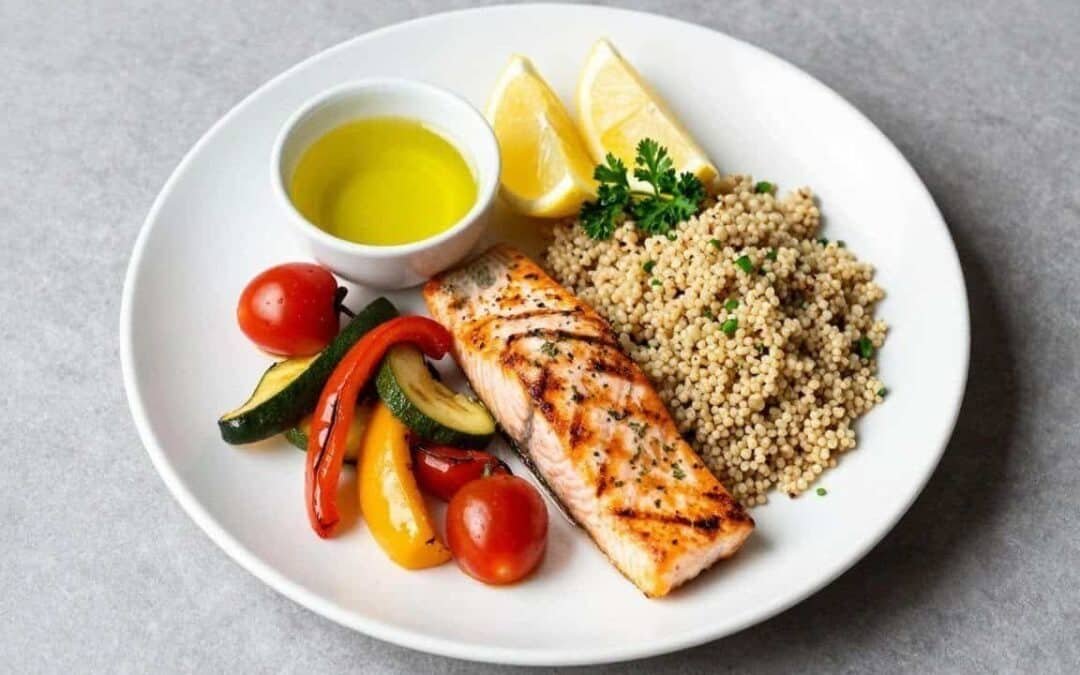
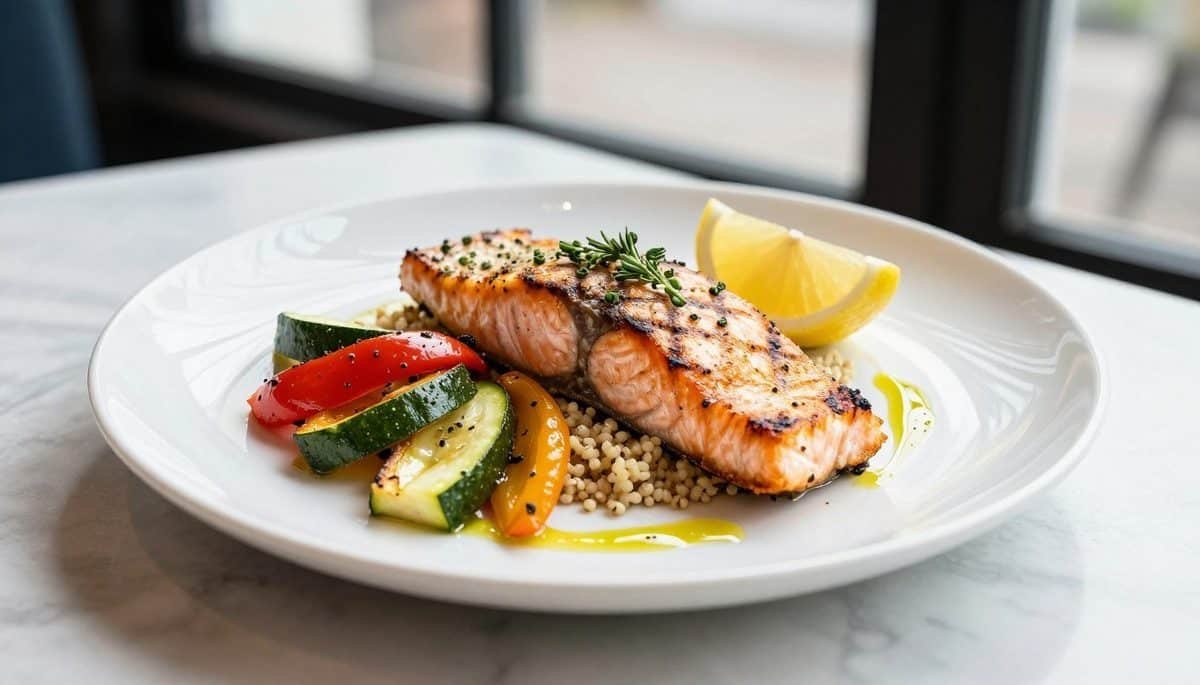
I like to keep the plate simple: fill half with vegetables or fruit, one quarter with whole grains such as brown rice or whole-wheat bread, and one quarter with fish, beans or lentils. Add a drizzle of the good stuff and a squeeze of lemon. This follows the plant-focused pattern rather than weighing portions [2][3]. Frozen spinach and tinned lentils are fine, which makes the plate reachable on a tired Tuesday night [4]. If you want a one-line rule for how to follow the Mediterranean diet easily, it is this: vegetables first, then grains, then the protein. I find the half-plate image easier to remember than gram targets, and it works whether you plate a warm dinner or pack a cold lunch. If you like the idea of mix-and-match portions, our Mediterranean bowl recipes for weight loss give you a simple template.
Which foods do I cut back on?
The foods to ease up on matter just as much as the foods to add. Red meat is limited to an occasional treat, and sweets, sugary drinks and butter are little or no part of the pattern [2][3]. Keep dairy modest, choose natural cheese and yogurt, and favour poultry, fish or beans over red meat [3]. A good rule: if it comes from a plant or the sea, let it show up more often; if it is heavily processed, keep it occasional [5]. In my kitchen, the shift is mostly about what sits at eye level. Put tins of beans, jars of olives, whole grains and olive oil where you can see them, and move sweet biscuits and sugary drinks out of sight. Check package labels for added sugar and sodium [4].
5 easy tips for your first two weeks
These are the moves I would make before touching a meal plan. They lower the effort, not the flavour.
- Keep fruit where you can see it. A bowl of apples or oranges on the bench makes fruit the easiest snack.
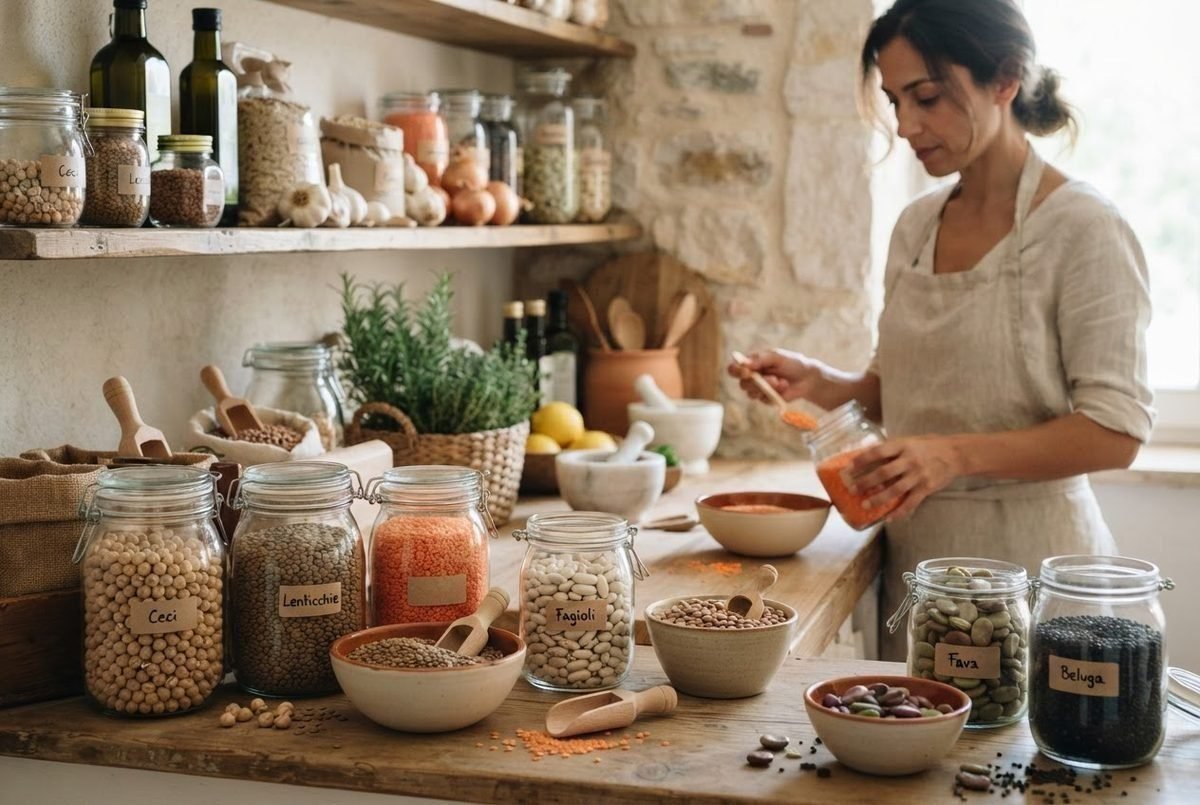
- Cook extra whole grains and beans. Tomorrow’s lunch can be yesterday’s brown rice and lentils [1].
- Choose fish you can afford. Tuna, salmon and sardines count toward eating seafood twice a week [1].
- Batch a simple dressing. Whisk the oil with lemon juice, dried oregano and a little pepper, and keep it in the fridge for the week [2].
- Plan one meatless meal. Build meals around beans, whole grains, and vegetables, and heighten their flavors with fragrant Mediterranean herbs and spices [1].
One word of caution: do not try all five at once if it feels like a chore. Pick two, get them on repeat, then add more. The goal is a boring, sustainable week, not an impressive first week.
What about wine, portions and weight?
Wine is part of the traditional Mediterranean table for some people, but the advice is clear: if you do not already drink, do not start, and keep any wine moderate with meals [3]. Portion flexibility is built in, but you may gain weight from eating fats in olive oil and nuts, so I suggest a light hand if weight control is a goal [6]. For portions, I use everyday cues: a serve of nuts is a small handful, a serve of fish is about the size of your palm, and a thumb-sized amount of oil is enough for dressing or cooking. These are my practical guides, not strict rules, because the traditional pattern does not specify portion sizes or specific amounts [2]. Also watch for lower levels of iron and calcium loss from eating fewer dairy products, and ask your health care provider if you should take a supplement [6].
What if I have a tight budget or I don’t cook much?
This eating style does not need fancy ingredients. Dried lentils, tinned beans, frozen vegetables, eggs, yogurt, oats, tinned fish, onions, carrots and seasonal fruit are affordable staples. When cooking is not happening, a plate can be as simple as tinned sardines, cherry tomatoes, cucumber, a slice of whole-grain bread and a little oil. You can also mix tinned beans with chopped salad and a lemon dressing for a five-minute meal. Eggs, yogurt and oats fit the pattern [3][4]. If money is tight, our budget Mediterranean recipes for weight loss break down meals without costly extras.
What does a simple day look like?
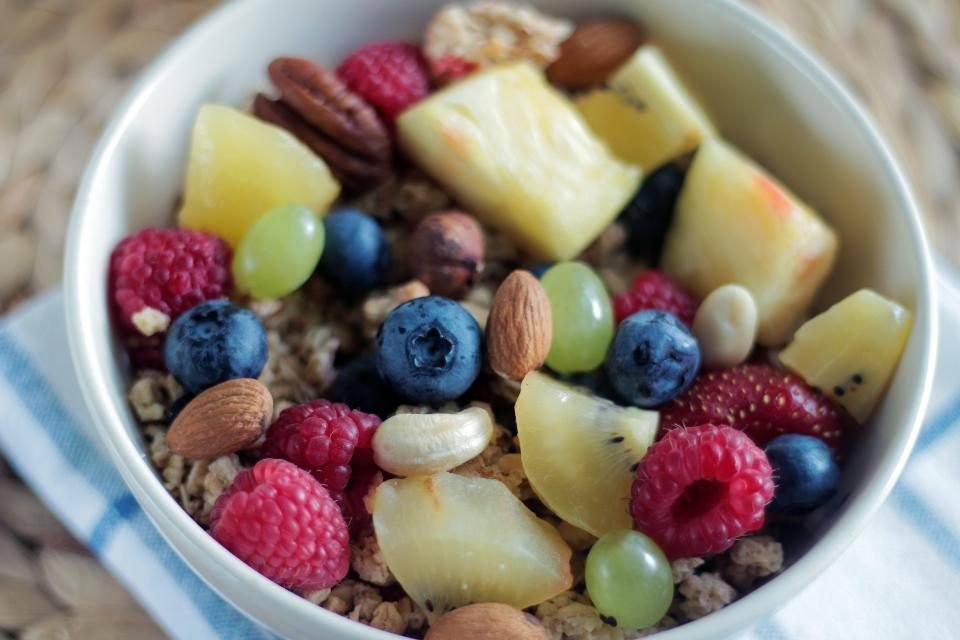
Breakfast could be Greek yogurt with a handful of walnuts and berries, or whole-grain toast with tomato and a little olive oil. Lunch might be lentil soup with a slice of whole-grain bread and an orange. Dinner could be baked fish, roasted vegetables and brown rice, with fruit for dessert. Snacks are things like a small handful of nuts, a piece of fruit, or cucumber with hummus. This day follows the pattern without calorie restrictions [4].
Related reading
- Mediterranean Bowl Recipes for Weight Loss: Mix-and-Match Meals That Make Portions Easier: Provides a simple portion template so readers can build easy Mediterranean plates.
- Budget Mediterranean Recipes for Weight Loss: Healthy Meals Without Fancy Ingredients: Shows affordable pantry meals for readers who need budget-friendly options.
Frequently asked questions
Do I need to give up red meat entirely?
No. Red meat is simply limited to an occasional treat, and smaller portions are fine. Use it as a garnish or in mixed dishes rather than as the centre of the plate. Use meat as a garnish instead of a main course, or choose a smaller portion size [1].
Is tinned or frozen food okay?
Yes. Fresh, frozen, dried and tinned fruits and vegetables all fit, but check labels for added sugar and sodium. Tinned fish such as salmon and sardines is also useful. You can include canned beans, but check package labels for added sugar and sodium [4].
How much olive oil should I use?
There is no fixed gram amount in the traditional pattern. Use the good stuff as your main added fat for cooking and dressing, replacing butter and margarine, and let appetite guide the amount. A simple approach is to use it as the main source of fat [3].
Can I follow the diet if I don’t drink wine?
Absolutely. Wine is optional, and people who do not drink should not start. You still get the core pattern from vegetables, fruit, whole grains, beans, fish and that same oil. A moderate amount of wine with meals is allowed, but if you don’t already drink, don’t start [3].
What if I have a health condition or take medicine?
This article is general information, not medical advice. Talk with your doctor or a dietitian, especially if you have diabetes, heart disease, kidney problems or take blood thinners, before changing how you eat. A dietitian can help customize the diet to suit your needs [3].
How long before I notice changes?
There is no single timeline, and results vary. The idea is to build a repeatable pattern you can keep, rather than chase a fast change. Small, steady swaps are easier to sustain, and that is the heart of how to follow the Mediterranean diet easily. The diet focuses on whole foods rather than calorie restrictions [4].
Honest take
My honest view is that how to follow the Mediterranean diet easily comes down to lowering the bar, not raising it. Pick three staples you already enjoy, repeat them weekly, and ignore the idea that every meal must look like a cookbook photo. The mistake to avoid is buying specialist ingredients you will not use twice. This is general information, not medical advice, so check with your doctor or a dietitian if you have a health condition.
References
- Oldways. Mediterranean Diet. https://oldwayspt.org/explore-heritage-diets/mediterranean-diet
- The Nutrition Source. Diet Review: Mediterranean Diet. https://nutritionsource.hsph.harvard.edu/healthy-weight/diet-reviews/mediterranean-diet/
- Cleveland Clinic. Mediterranean Diet: Food List & Meal Plan. https://my.clevelandclinic.org/health/articles/16037-mediterranean-diet
- Healthline. Mediterranean Diet Meal Plan: A Beginner's Guide. https://www.healthline.com/nutrition/mediterranean-diet-meal-plan
- World Health Organization. Healthy diet. https://www.who.int/news-room/fact-sheets/detail/healthy-diet
- MedlinePlus. Mediterranean diet. https://medlineplus.gov/ency/patientinstructions/000110.htm
Get well and stay well,
Ray Baker
