
By Ray Baker
When a friend over 50 asks me if an anticancer diet can make a real difference, I understand the worry. Cancer is a leading cause of death worldwide, accounting for nearly 10 million deaths in 2024, so it is a fair question [1]. There is no single food or eating plan that has been proven to stop cancer, and the evidence is still evolving, but the overall pattern you eat day to day does appear to matter [2]. I want to walk through what an anticancer diet can and cannot do, in plain terms.
Is an anticancer diet really a thing?
There is no single anticancer diet that has been proven to prevent cancer. The overall eating pattern matters more than any one ingredient. A healthy diet built on vegetables, fruit, whole grains and pulses, with less alcohol and fewer highly processed foods, is recommended as part of lowering risk [3]. The following is general information rather than medical advice.
Key takeaways
- Cancer caused nearly 10 million deaths worldwide in 2024, making it a leading cause of death [1].
- No single dietary component has been definitively shown to cause or protect against cancer in human studies [2].
- A healthy eating pattern includes plenty of fruit, vegetables, whole grains and pulses, and limits alcohol and highly processed foods [3].
- Obesity is linked to a higher risk of at least 13 types of cancer, so body weight is part of the picture [4].
- Antioxidant-rich foods are worth eating, but isolated compounds in supplements are not a proven shortcut [2][5].
What foods tend to show up in the research?
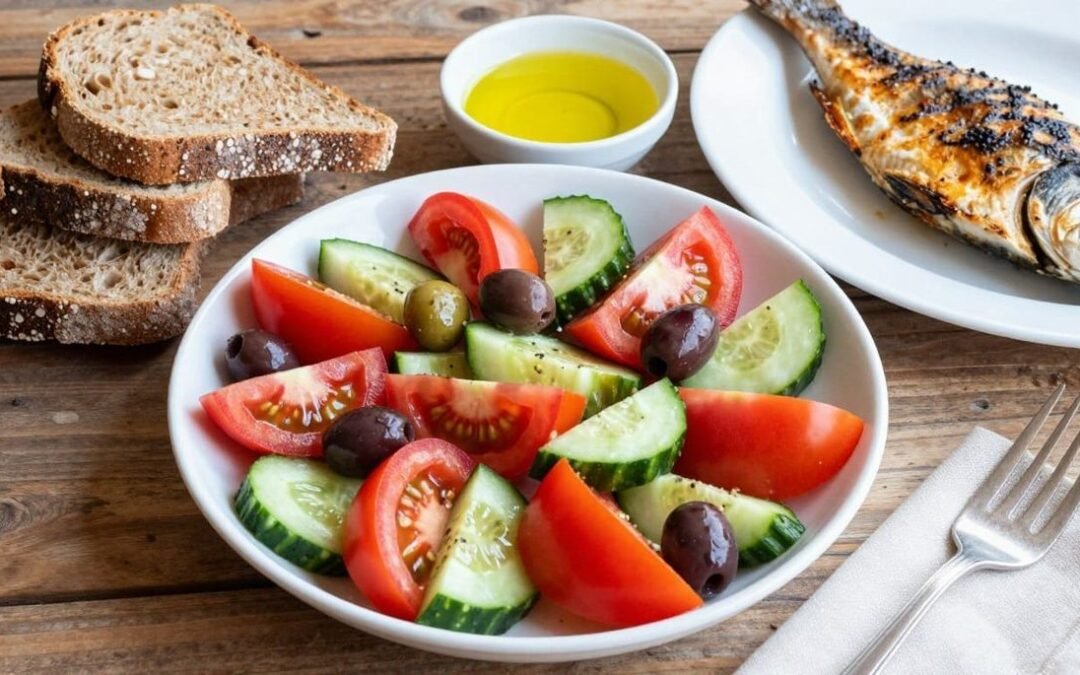
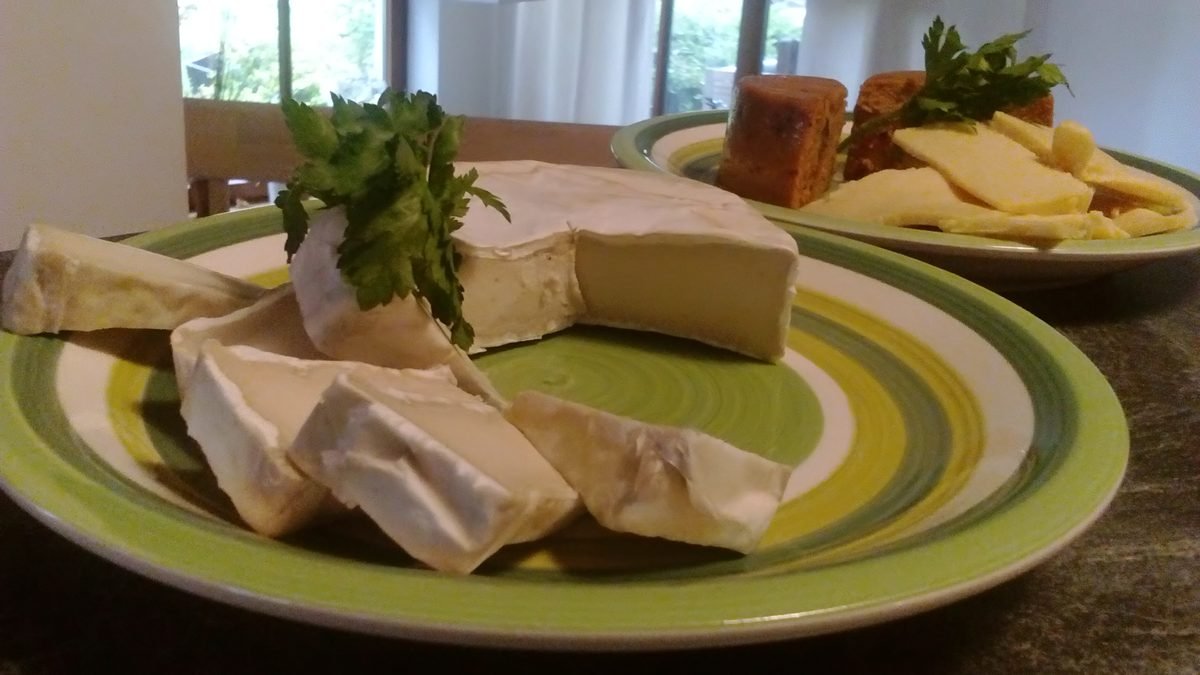
When I look at official advice, the same everyday foods keep appearing. One global health body describes a healthy diet as one built on a variety of minimally processed and unprocessed foods, with plenty of vegetables, fruit, whole grains and pulses [3]. UK guidance is just as plain: eat at least five portions of fruit and vegetables a day, base meals on higher-fibre starchy foods, and include some beans, pulses, fish, eggs or lean meat [6]. These are not exotic ingredients. They are the backbone of a traditional Mediterranean way of eating, which is one reason I keep returning to it.
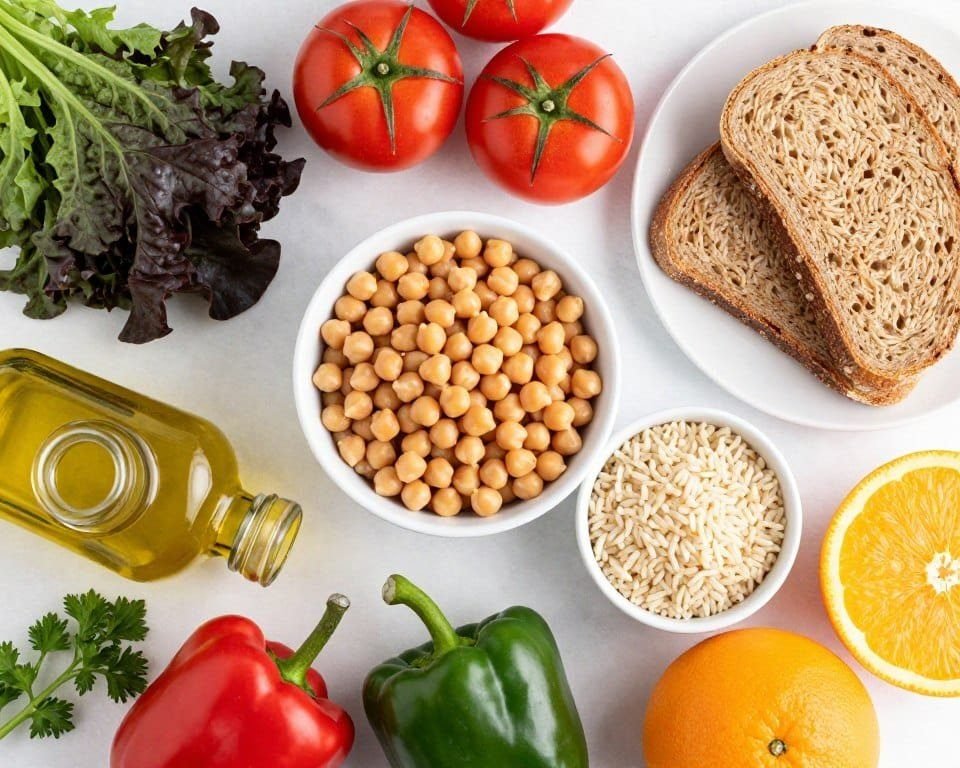
I like this because it is not complicated. You do not need to buy powders or expensive imported berries. Frozen vegetables, tinned beans, oats and seasonal fruit all count. A portion is 80g of fresh, canned or frozen fruit and vegetables, and 3 heaped tablespoons of vegetables is another portion [6]. For many readers over 50, the bigger shift is not adding one superfood, it is replacing some of the white bread, biscuits and sugary drinks that creep into the week. If you want a closer look at specific ingredients, my article on science-backed cancer-fighting foods spells out which ones have been studied most.
What about body weight and alcohol?
Body weight is one of the less glamorous parts of this conversation, but it shows up in the research again and again. Obesity is linked to a higher risk of numerous cancers, including [4]. That does not mean you need to be thin, and it does not mean body size alone causes cancer. It simply means that keeping your weight in a healthy range through ordinary movement and sensible portions is a reasonable goal.
Alcohol is another factor I mention because it often gets overlooked. Heavy or regular alcohol consumption increases the risk of developing cancers of the oral cavity (excluding the lips), pharynx (throat), larynx (voice box), esophagus, liver, breast, colon, and rectum, and alcohol is a known cause of cancer [2]. I would not tell a reader over 50 to give up a glass of wine with dinner if that brings real pleasure, but I would suggest keeping it to one small glass on some nights, not every night.
Why do I keep hearing about antioxidants?
The story sounds tidy: at high concentrations free radicals can damage DNA, and antioxidants interact with and neutralize free radicals [5]. Fruits, vegetables and grains are rich sources of dietary antioxidants; examples of dietary antioxidants include beta-carotene, lycopene, and vitamins A, C, and E [5]. The National Cancer Institute notes, however, that although isolated compounds sometimes show anticancer activity in laboratory or animal studies, with few exceptions studies of human populations have not yet shown definitively that any dietary component causes or protects against cancer [2]. So I treat antioxidants as a reason to eat whole foods, not a reason to take a pill. For anyone building an anticancer diet, that means the produce aisle matters more than the supplement shelf.
That is an important distinction for anyone over 50 who has been tempted by a supplement shelf promising protection. Whole foods bring a package of fibre, water, vitamins and plant compounds that act together. A pill cannot copy that package, and the evidence does not support swapping food for a tablet.
What does a simple day of eating look like?
Let me make this concrete. A day that reflects the official advice might start with porridge or wholemeal toast, some fruit and a spoon of plain yoghurt. Lunch could be a bowl of lentil soup or a chickpea salad with vegetables and olive oil. Dinner might be fish or beans with roasted vegetables, brown rice or potatoes, and a piece of fruit. Snacks are a handful of nuts, an apple or a small bowl of plain yoghurt. None of this needs special equipment, and most of it can be made from pantry staples. This is background information, not medical advice.
5 easy tips for an anticancer diet
These are the steps I would put on a fridge note. They are simple, budget-friendly and fit the over-50 rhythm.
- Eat at least five portions of fruit and vegetables a day. A portion is 80g of fresh, canned or frozen fruit and vegetables, and just 1 apple, banana, pear or similar-sized fruit is 1 portion each [6].
- Base meals on higher-fibre starchy foods. Choose wholegrain or wholemeal varieties such as brown rice, wholewheat pasta, and brown, wholemeal or higher-fibre white bread [6].
- Add beans, lentils and chickpeas several times a week. Pulses include lentils, chickpeas, beans, and dried peas, and fit the healthy-diet principles of adequacy, balance, moderation and diversity [3][6].
- Limit alcohol. Heavy or regular alcohol consumption increases the risk of developing cancers of the oral cavity (excluding the lips), pharynx (throat), larynx (voice box), esophagus, liver, breast, colon, and rectum [2].
- Watch portions and keep a steady healthy weight. Compared with people of healthy weight, those with overweight or obesity face a greater risk of numerous cancers [4].
This is general information, not medical advice.
Where the eBook fits for busy cooks
One of the hardest parts of following any healthy eating pattern after 50 is not knowing what to cook, how much to buy, or how to keep it interesting without spending all day in the kitchen. That is where my Mediterranean diet eBook can help. It includes meal plans, shopping lists and recipes, so you can shop once and cook simple meals without re-inventing the week. It costs US$27. I will be honest: no eBook can promise to prevent cancer. What it can do is make it easier to eat more of the foods the official guidance keeps pointing to.
Related reading
- ✅ 15 Cancer‑Fighting Superfoods You NEED to Eat NOW! 🥦 Science‑Backed Prevention: A closer look at individual foods studied for cancer prevention.
- Diets That Prevent Cancer: What to Know: A comparison of different eating patterns and the evidence behind them.
Frequently asked questions
Is there one best anticancer diet?
No. Research points to an overall eating pattern, not a single named diet. A varied way of eating with less alcohol and fewer highly processed foods fits the official guidance [1][3].
Do antioxidant supplements help prevent cancer?
Not reliably. Human studies have not shown that antioxidant supplements are a shortcut, and isolated compounds can behave differently from whole foods. The following is background information rather than medical advice.
How much does body weight matter?
It matters a lot. Compared with people of healthy weight, those with overweight or obesity face a greater risk of numerous cancers, so keeping weight in a healthy range through eating and regular activity is a sensible step [4].
Is alcohol off the table?
Heavy or regular alcohol consumption raises the risk of several cancers, including the mouth, throat, voice box and oesophagus. Alcohol is a known cause of cancer, and the risk of developing cancer increases with the amount of alcohol a person drinks [2].
Can I still enjoy Mediterranean-style cooking?
Yes. Carbohydrates in the diet should come primarily from whole grains, vegetables, fruits and pulses, and people should choose unsaturated oils and spreads and eat them in small amounts [3][6].
Honest take
My honest take on the anticancer diet is that it is not a magic list, it is a boring, repeatable weekly routine. I would rather you eat a few sensible meals on rotation, keep portions moderate, limit alcohol and put the money you save on supplements toward better ingredients. Strip away the marketing and that is most of what an anticancer diet amounts to. The evidence does not support a single wonder food, but it does support the pattern. If you want a deeper look at how different eating patterns compare, my article on diets that prevent cancer walks through the evidence. This is general information, not medical advice.
References
- Cancer fact sheet. https://www.who.int/news-room/fact-sheets/detail/cancer
- National Cancer Institute. Diet and Cancer Risk. https://www.cancer.gov/about-cancer/causes-prevention/risk/diet
- Healthy diet fact sheet. https://www.who.int/news-room/fact-sheets/detail/healthy-diet
- Obesity and Cancer Fact Sheet, NCI. https://www.cancer.gov/about-cancer/causes-prevention/risk/obesity/obesity-fact-sheet
- Antioxidants and Cancer Prevention, NCI Fact Sheet. https://www.cancer.gov/about-cancer/causes-prevention/risk/diet/antioxidants-fact-sheet
- NHS. Eating a balanced diet. https://www.nhs.uk/live-well/eat-well/how-to-eat-a-balanced-diet/eating-a-balanced-diet/
Get well and stay well,
Ray Baker
