
By Ray Baker
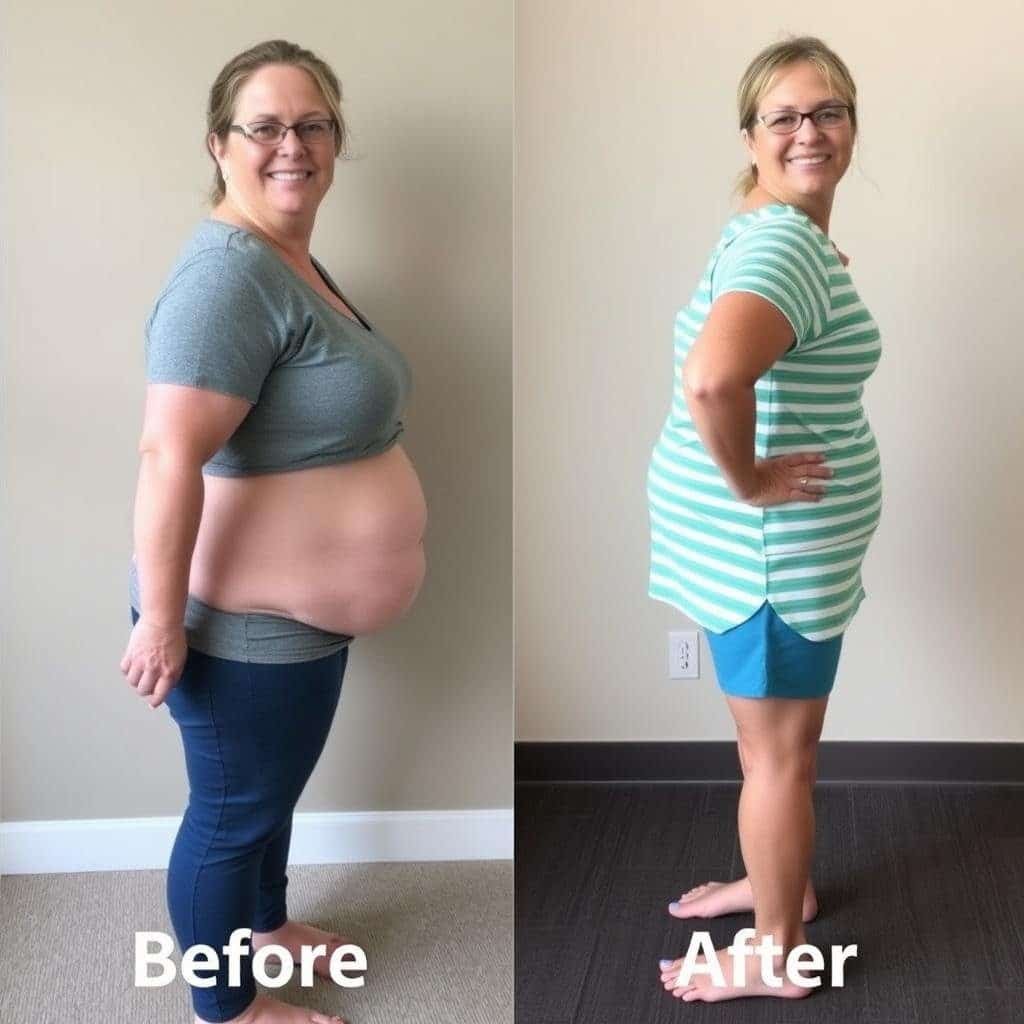
Many weight-loss conversations are built on dramatic before-and-after photos, but the research behind a Mediterranean-style way of eating, including Mediterranean diet weight loss before and after evidence, points to something less flashy. A 2023 review of 40 past studies, which included data from more than 35,000 trial participants, found that those at high risk of CVD who follow a Mediterranean diet had a lower chance of heart attack, stroke and early death compared to people with ‘minimal intervention’ [1]. If you are over 50 and searching for Mediterranean diet weight loss before and after, the honest answer is less about a sudden photo and more about steady, liveable change.
What does Mediterranean diet weight loss before and after look like?
A Mediterranean-style pattern tends to produce gradual weight changes rather than a sudden transformation. You may notice looser clothes and steadier energy before the scale moves much. The eating pattern is plant-focused, with olive oil as the main fat, fish at least twice weekly, and red meat limited to a few times per month [2][3]. This is general information only and does not replace medical advice.
Key takeaways
- The Mediterranean diet is more of an eating pattern than a strictly regimented diet plan, and it does not specify portion sizes or specific amounts [2].
- It emphasizes plant-based foods and healthy fats, with extra virgin olive oil as the main source of fat [3].
- In the PREDIMED trial, adults aged 55 to 80 at high risk of CVD eating a Mediterranean-style diet supplemented with nuts or extra-virgin olive oil had around a 30 per cent lower risk of heart attack or stroke than a control group advised to reduce dietary fat [1].
- Weight changes tend to be gradual, so before-and-after results are more about habits than quick fixes.
- The pyramid also highlighted daily exercise and the beneficial social aspects of eating meals together [2].
Which foods fill most of the plate?
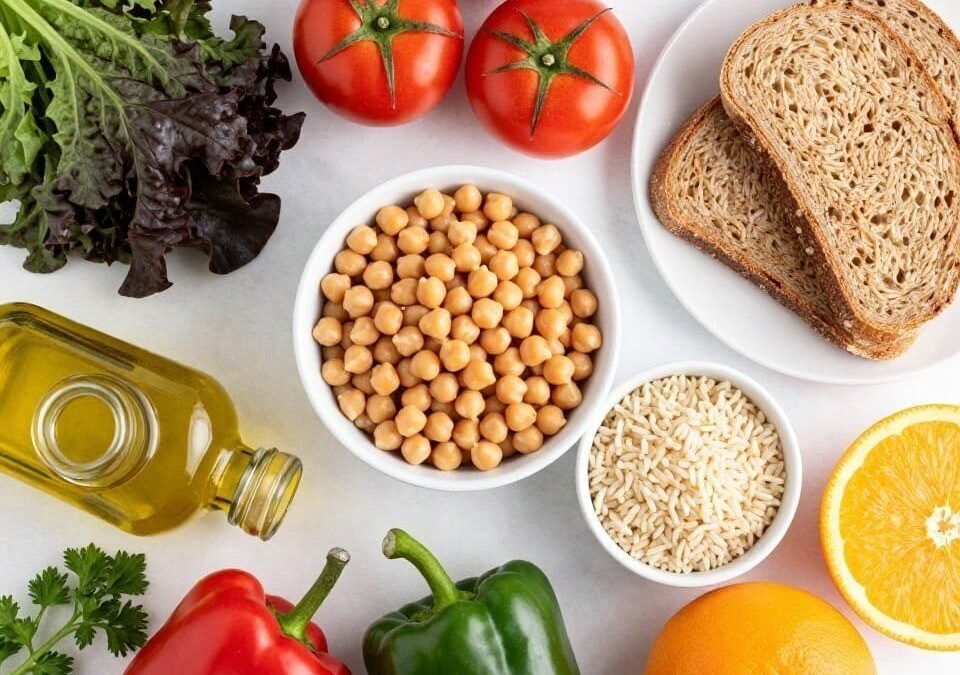
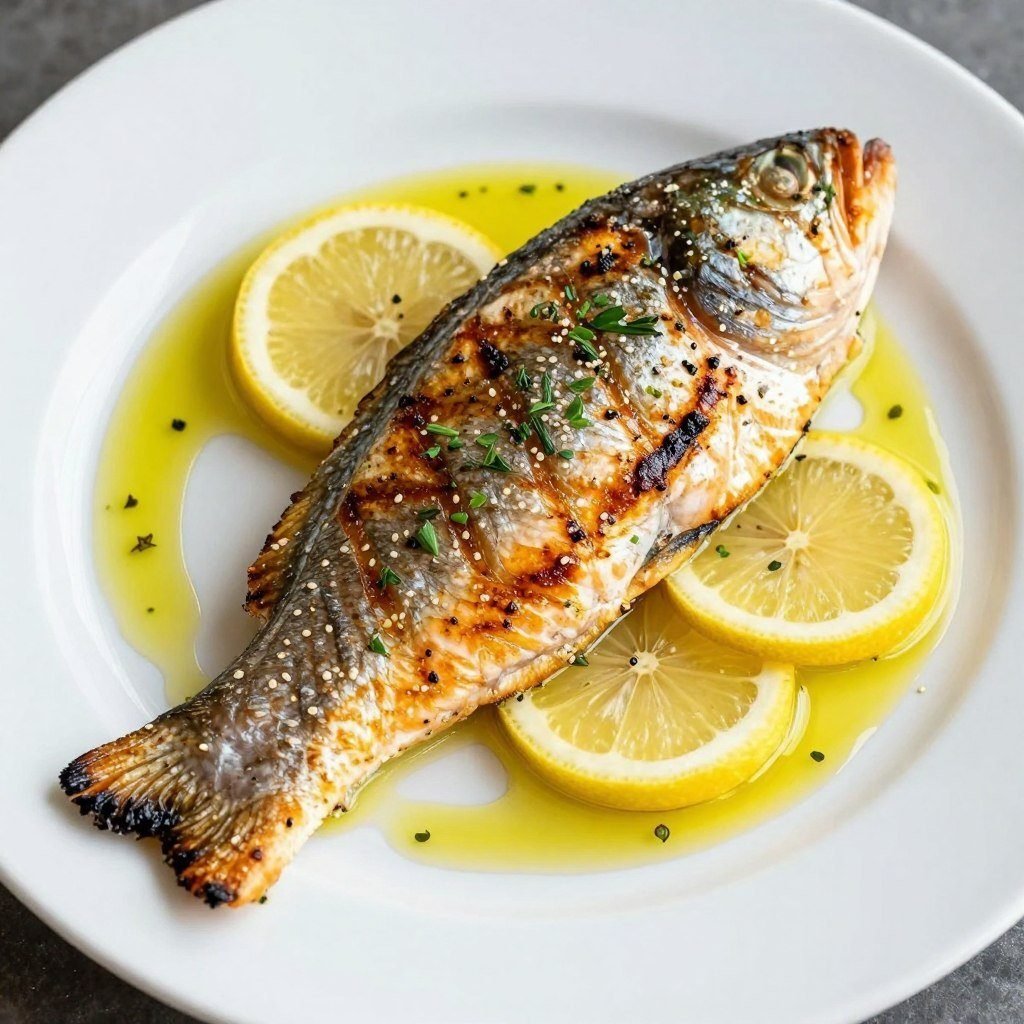
Many people imagine a plate of plain grilled chicken and lettuce. The reality is more generous. The diet includes daily intake of whole grains, olive oil, fruits, vegetables, beans and other legumes, nuts, herbs, and spices [2]. Fish and seafood are the preferred animal protein, and other animal proteins of poultry, eggs, and dairy (cheese or yogurt) are eaten in smaller portions either daily or a few times a week [2]. Cleveland Clinic paints a similar picture: lots of vegetables, fruit, beans, lentils and nuts; a good amount of whole grains like whole-wheat bread and brown rice; plenty of the oil as a source of healthy fat; a good amount of fish, especially fish rich in omega-3 fatty acids; a moderate amount of natural cheese and yogurt; and little or no red meat, sweets, sugary drinks or butter [3]. It is less a strict menu than a leaning: plants and olive oil first, a little fish and dairy, red meat only now and then.
Where do calories fit in?
A question I get often is whether calorie counting is needed. The Mediterranean diet does not specify portion sizes or specific amounts; it is up to the individual to decide exactly how much food to eat at each meal, as this will vary by physical activity and body size [2]. That does not mean calories can be ignored. According to the Dietary Guidelines for Americans, a healthy eating plan stays within your daily calorie needs, and you can calculate your daily calorie needs by your age, sex, height, weight, and activity level [4]. The practical issue for over-50s is often portion drift: a healthy handful of nuts becomes a bowl, olive oil pours become heavy, and whole grains double without noticing. I would not count every gram, but I would keep a simple plate check: vegetables and beans on half the plate, a palm-sized fish or poultry portion, and grains about the size of your fist. For a week mapped into meals, the weight loss meal plan page can help you see how the pieces fit together.
What does the research say about weight and health?
Some people arrive at Mediterranean diet weight loss before and after expecting a laboratory before-and-after trial, but the strongest data is about longer-term health. The PREDIMED trial, which ran from 2003 to 2011 and studied around 7,500 adults aged 55 to 80 at high risk of CVD, found that people eating a Mediterranean-style diet supplemented with nuts or the oil had around a 30 per cent lower risk of heart attack or stroke than a control group who were advised to reduce their dietary fat [1]. A 2024 Greek attica study of around 2,000 people reported that those with high adherence to the diet had a 44 per cent lower CVD risk than those with the lowest adherence [1]. A 2023 review of 40 past studies, drawing on data from more than 35,000 trial participants, found that a Mediterranean diet or low-fat diet were the only ones to show a benefit for CVD [1]. Healthline notes that the Mediterranean diet may help manage weight and focuses on whole foods rather than calorie restrictions [5]. The following is general information, not medical advice.
Which habits tend to trip people up?
One habit I see trip people up is treating olive oil as a free food. Olive oil is recommended as the primary added fat, replacing other oils and fats (butter, margarine) [2]. Another mistake is keeping red meat and full-fat dairy as everyday choices. Red meat is limited to a few times per month, and dairy is eaten in small amounts or a moderate amount [2][3]. A third issue is skipping the social side. The pyramid also highlighted daily exercise and the beneficial social aspects of eating meals together [2]. The World Health Organization lists four core principles of a healthy diet: adequacy, balance, moderation and diversity [6]. You do not need to fix all of these at once. Pick the one that feels easiest and build from there.
What are 5 easy tips for starting?
If you want a simple start, these five steps cover the pattern without making it complicated.
- Olive oil is recommended as the primary added fat, replacing other oils and fats (butter, margarine) [2].
- Choose fish as the preferred animal protein at least twice weekly, in smaller portions [2].
- Eat lots of vegetables, fruit, beans, lentils and nuts, and a good amount of whole grains [3].
- Red meat is limited to a few times per month, and choose poultry, fish or beans instead of red meat [2][3].
- The pyramid also highlighted daily exercise and the beneficial social aspects of eating meals together [2].

What is realistic before and after at 50 and beyond?
At 50 and beyond, the most useful before-and-after marker may not be a photo. It might be a pair of trousers fitting differently in the waist, fewer energy dips after lunch, or smaller portions feeling like enough. The eating pattern has minimal ultra-processed foods, salt and added sugars [1], and it emphasizes fruits, vegetables, whole grains, and healthy fats [5]. In my view, that is a more useful goal than a fast two-week drop. A dietitian can help you customize the diet to suit your needs, and can help you modify your approach as needed based on your medical history, underlying conditions, allergies and preferences [3]. If money is a concern, budget Mediterranean recipes for weight loss can keep plates satisfying without fancy ingredients.
Related reading
- Your Mediterranean diet weight loss meal plan: A week mapped into Mediterranean meals helps show how the pieces fit together.
- Budget Mediterranean Recipes for Weight Loss: Healthy Meals Without Fancy Ingredients: Budget-friendly plates keep the eating pattern simple and satisfying.
Frequently asked questions
How long before I notice changes?
Gradual patterns can take weeks to show a clear shift. Many people notice looser clothes or steadier energy before the scale moves much. This is general information, not medical advice.
Do I need to count calories?
The Mediterranean diet does not specify portion sizes or specific amounts, as this will vary by physical activity and body size [2]. A healthy eating plan stays within your daily calorie needs [4]. Use a simple plate check instead of strict counting.
Can I include bread and pasta?
Whole-grain versions fit the pattern. Olive oil is recommended as the primary added fat, replacing other oils and fats such as butter [2].
Is wine required?
No. A moderate amount of wine with meals is allowed, but if you don’t already drink, don’t start [3].
What if I have heart disease or diabetes?
Talk with your doctor or a dietitian before changing how you eat. A dietitian can help you modify your approach as needed based on your medical history, underlying conditions, allergies and preferences [3].
Honest take
The honest version of Mediterranean diet weight loss before and after is not a dramatic photo. It is a slower shift: food you enjoy, less afternoon fog, clothes that fit a little differently. I would not recommend this pattern to someone chasing a two-week number. I would recommend it to someone who wants eating to feel calmer and still see steady change. This is general information, not medical advice.
References
- BHF. Mediterranean diet meal plan and recipes. 2026. https://www.bhf.org.uk/informationsupport/heart-matters-magazine/nutrition/mediterranean-diet
- The Nutrition Source. Diet Review: Mediterranean Diet. https://nutritionsource.hsph.harvard.edu/healthy-weight/diet-reviews/mediterranean-diet/
- Cleveland Clinic. Mediterranean Diet. https://my.clevelandclinic.org/health/articles/16037-mediterranean-diet
- CDC. Tips for Healthy Eating for a Healthy Weight. 2026. https://www.cdc.gov/healthy-weight-growth/healthy-eating/index.html
- Healthline. Mediterranean Diet 101: A Meal Plan and Beginner's Guide. 2026. https://www.healthline.com/nutrition/mediterranean-diet-meal-plan
- WHO. Healthy diet. 2026. https://www.who.int/news-room/fact-sheets/detail/healthy-diet
Get well and stay well,
Ray Baker
