
By Ray Baker
I hear the worry often from readers over 50: “Ray, which diets that prevent cancer actually hold up under scrutiny?” The fear is fair. In the United States, about 2 million people will be diagnosed with cancer in 2025 [1], and nearly 10 million people died from cancer worldwide in 2024 [2]. Before you empty your pantry, here is the honest part: no food or eating pattern can promise to prevent cancer, and there is no magic list of diets that prevent cancer, but sensible daily choices can lower your risk alongside other habits.
Can diets that prevent cancer really help?
The short answer is yes in a limited sense. Food choices matter, but they work along with not smoking, staying active, limiting alcohol and keeping up with screening. No diet is a magic shield. Guidance points to unrefined carbohydrates from whole grains, vegetables, fruits and pulses [3], and to eating less red and processed meat [4].
This is general information, not medical advice. A clinician can help you put this together with your own screening plan.
Key takeaways
- No diet can guarantee cancer prevention; aim to lower risk, not eliminate it.
- Most national guidance favours more vegetables, fruit, whole grains, pulses and fish.
- Alcohol is a known cause of cancer, so less or none is the safer choice [5].
- A balanced plate over days and weeks matters more than a single “superfood” meal.
- Healthy diets help to protect against malnutrition in all its forms, as well as noncommunicable diseases (NCDs), including diabetes, heart disease, stroke and cancer [3].
Which foods deserve more room on the plate?
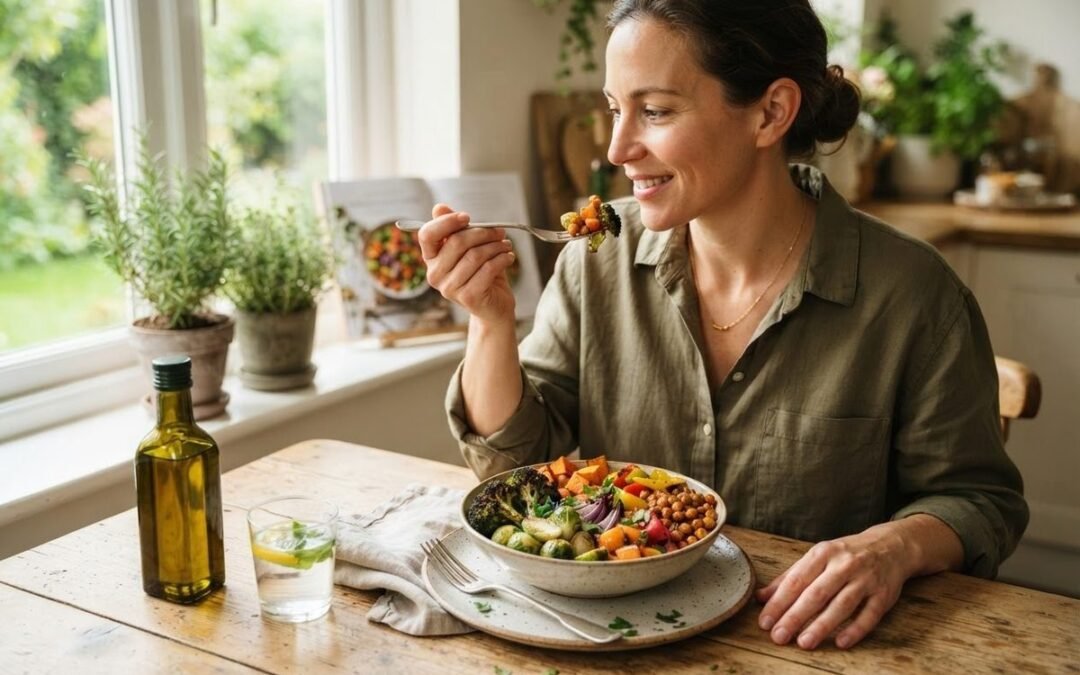
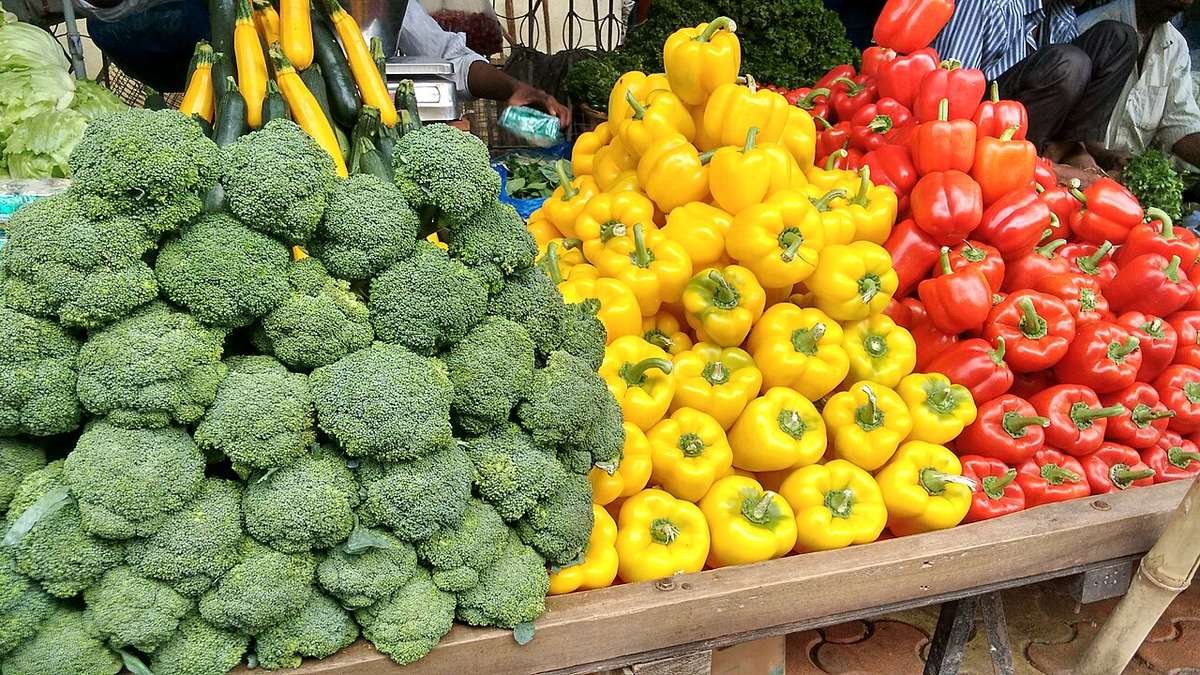
When I plan a week of meals after 50, I lean on the same backbone the NHS Eatwell Guide uses. Fruit and vegetables should make up just over a third of what you eat each day, and most of us are not eating enough [4]. Starchy foods should also make up just over a third, with higher fibre or wholegrain varieties such as wholewheat pasta, brown rice and potatoes with skins left on [4]. Pulses are low in fat and give you fibre and protein, which makes them a useful swap for some meat [4].
A World Health Organization healthy diet overview says a variety of unrefined carbohydrates should represent a significant portion of the diet, and carbohydrates in the diet should come primarily from whole grains, vegetables, fruits and pulses [3]. But the National Cancer Institute cautions that studies of human populations have not yet shown definitively that any one dietary component causes or protects against cancer [5], which is why claims about diets that prevent cancer should be treated with caution. That means no single vegetable or oil is the answer. The pattern over weeks, not one heroic dinner, is what matters for lowering risk. The NHS says to choose from fresh, frozen, tinned, dried or juiced fruit and vegetables [4]. A bag of frozen peas, a tin of chickpeas and an onion can do a lot of work.
For a wider look at those habits, see my cancer prevention lifestyle guide after 50.
Which drinks should I watch?
Alcohol is the big one I raise with readers, and the evidence is blunt. Drinking alcohol can lead to cancer, and heavy or regular consumption increases the risk of developing cancers of the oral cavity (excluding the lips), pharynx (throat), larynx (voice box), esophagus, liver, breast, colon, and rectum [5]. The World Health Organization says nearly a quarter of deaths from cancer are due to tobacco use, alcohol consumption, high body mass index, low fruit and vegetable intake, and lack of physical activity [2].
For daily drinking, I suggest water and unsweetened tea as go-to choices. If you enjoy juice, remember the NHS advice to limit fruit juice and smoothies to no more than 150ml a day combined [4]. Sugary soft drinks fall into the foods and drinks high in fat, salt and sugar category to have less often [4]. I do not ban the occasional glass, but I think of alcohol as a treat, not a daily habit.
Do I need to go fully vegetarian?
You do not need to give up meat to eat in a way that supports lower cancer risk, and I would not ask you to. The Eatwell Guide says pulses are good alternatives to meat, and to eat less red and processed meat like bacon, ham and sausages [4]. Aim for at least 2 portions (2 x 140g) of fish every week, 1 of which should be oily, such as salmon, sardines or mackerel [4].
The US Centers for Disease Control and Prevention keeps the wider message simple: you can lower your risk of getting many common kinds of cancer by making healthy choices [6]. That could mean smaller portions of red meat for a few meals a week, not a full vegetarian rule. I find the Mediterranean style works well here because it is built on beans, lentils, vegetables and fish first, with smaller amounts of meat as the supporting act. That pattern is practical because chickpeas, lentils and tinned fish are cheap, keep well and cook faster than many cuts of meat.

What are 5 easy tips for a sensible plate?
- Serve a generous portion of vegetables or fruit at every meal. The Eatwell Guide says fruit and vegetables should make up just over a third of the food we eat each day [4].
- Choose wholegrain starchy foods. Choose higher fibre or wholegrain varieties, such as wholewheat pasta and brown rice, or simply leave the skins on potatoes [4].
- Add pulses to soups, salads and stews. Pulses are low in fat and a good source of fibre and protein [4].
- Aim for at least 2 portions (2 x 140g) of fish every week, 1 of which should be oily, such as salmon, sardines or mackerel [4].
- Watch alcohol and sugary drinks. Alcohol can cause cancer [5], and fruit juice and smoothies should be limited to no more than a combined total of 150ml a day [4].
These are small, repeatable swaps rather than a rigid meal plan.
Where the eBook fits
I know the advice can feel like a lot when you are also watching your grocery budget. That is why I wrote my Mediterranean diet eBook with meal plans, shopping lists and recipes. It is US$27. The meal plans show how to put vegetables, pulses, fish and wholegrains together over a week, and the shopping lists help you buy only what you need. The recipes keep the emphasis on flavour, not deprivation. You still have to make the daily choices, but the planning is done for you. If you want a step-by-step version, see my Mediterranean diet after 50 guide and eBook.
Related reading
- Cancer Prevention Lifestyle After 50: Sensible Habits That Support Lower Risk: Related guide to sensible cancer prevention habits after 50
- Mediterranean Diet After 50: A Research-Backed Lifestyle (and the $27 Step-By-Step eBook): Step-by-step Mediterranean guide and eBook for over-50s
- The link between Mediterranean diet and breast cancer: Specific look at Mediterranean diet and breast cancer research
Frequently asked questions
Can any diet fully prevent cancer?
No. The National Cancer Institute says human population studies have not yet shown definitively that any dietary component causes or protects against cancer [5]. Healthy eating lowers risk but does not promise prevention.
Is a vegetarian diet better for cancer prevention?
Not necessarily. The Eatwell Guide says pulses are good alternatives to meat and to eat less red and processed meat; it also includes fish, eggs and dairy [4]. The overall pattern matters more than a strict label.
How much alcohol is safe if I want to lower risk?
There is no completely safe amount. Alcohol is a known cause of cancer, and heavy or regular alcohol consumption increases the risk of developing cancers of the oral cavity (excluding the lips), pharynx (throat), larynx (voice box), esophagus, liver, breast, colon, and rectum [5]. Less or none is the safer choice.
Do I need to count portions every day?
No. The NHS says you do not need to achieve the balance with every meal, but try to get it right over a day or week [4]. Aim for variety and sensible portions most days.
Are frozen and tinned vegetables okay?
Yes. The NHS says choose from fresh, frozen, tinned, dried or juiced fruit and vegetables [4]. They count toward your five a day, and they often cost less and keep longer.
Does a Mediterranean-style eating pattern make sense after 50?
It can be practical because it centres on vegetables, pulses, fish and olive oil with modest meat. These foods align with healthy diet guidance. Talk to your clinician about your own needs. For a specific research angle, read this look at Mediterranean diet and breast cancer.
Honest take
After years of reading this research, I am cautious about the phrase diets that prevent cancer. It suggests a promise that medicine cannot make. What I would tell a friend over 50 is simpler: lower your overall risk with a varied, mostly plant-forward plate, watch alcohol, keep moving and attend screening. That approach is boring but it holds up.
References
- National Cancer Institute. Cancer Prevention Overview (PDQ) Patient Version. https://www.cancer.gov/about-cancer/causes-prevention/patient-prevention-overview-pdq
- World Health Organization. Cancer. 2026. https://www.who.int/news-room/fact-sheets/detail/cancer
- World Health Organization. Healthy diet. 2026. https://www.who.int/news-room/fact-sheets/detail/healthy-diet
- National Health Service. The Eatwell Guide. https://www.nhs.uk/live-well/eat-well/food-guidelines-and-food-labels/the-eatwell-guide/
- National Cancer Institute. Diet and Cancer. https://www.cancer.gov/about-cancer/causes-prevention/risk/diet
- Centers for Disease Control and Prevention. Preventing Cancer. 2025. https://www.cdc.gov/cancer/prevention/index.html
Get well and stay well,
Ray Baker
