
By Ray Baker
If you have ever sat in a doctor’s office and wondered what is a cardioprotective diet, you are in good company. The phrase sounds clinical, but the idea behind it is plain. East Sussex Healthcare NHS Trust describes a cardioprotective diet as a healthy diet high in fibre, fruit and vegetables and oily fish, one that can help improve blood cholesterol and blood pressure and reduce your risk of having a stroke or heart disease [1]. That matters more with every birthday, and it is easier to act on than the jargon suggests.
What is a cardioprotective diet?
What is a cardioprotective diet? It is a heart-friendly eating pattern built on vegetables, fruit, whole grains, legumes and oily fish, with less salt, saturated fat and added sugar. The aim is to support healthy cholesterol and blood pressure so your blood vessels stay in better shape [1].
Key takeaways
- Focus on fibre-rich fruit and vegetables, aiming for 5 or more servings a day [2].
- Include oily fish twice a week for omega-3 fats [1].
- Keep salt under 6g a day, roughly one level teaspoon [1].
- Choose whole grains for at least half of your daily grain intake [2].
- Limit saturated fat, trans fat and added sugars [3].
How does it safeguard your heart?
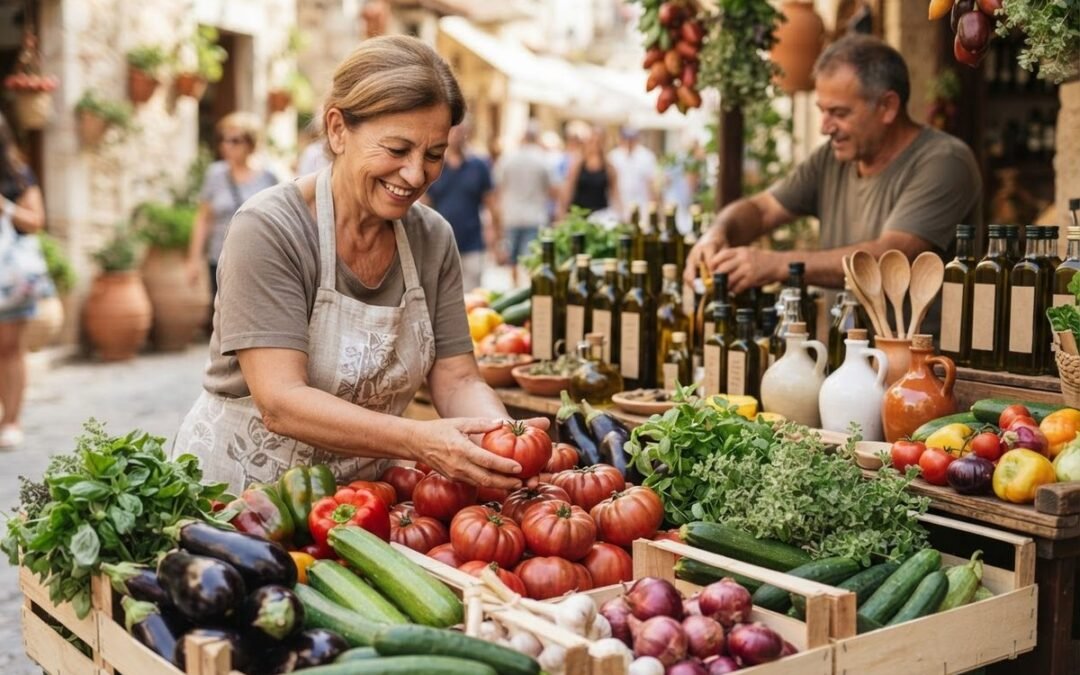
So what is a cardioprotective diet actually doing inside your body? It is not one magic food at work but the whole pattern of eating. The East Sussex leaflet says eating this way can help improve blood cholesterol and blood pressure [1]. Bradford Teaching Hospitals NHS Foundation Trust goes further, noting that the Mediterranean dietary plan is characterised as a whole-diet approach, and that studies have identified olive oil, fruit, vegetables and legumes as the most cardioprotective components [4]. Fibre earns its place too: the same leaflet says fibre can help reduce the risk of cardiovascular disease, and points to wholemeal bread, pasta, rice and cereals, along with beans, pulses and nuts [1]. Oily fish adds omega-3, a type of fat that can help protect your heart, and seeds, nuts and some vegetable oils such as rapeseed oil supply it as well [1]. If you would like a shopping list built around that idea, this food list is a good place to start.
Why is salt such a big deal after 50?
Salt is the part of what is a cardioprotective diet that trips up most people I talk to. Salt contains sodium, which can raise blood pressure, and the guidance from East Sussex Healthcare NHS Trust is to aim for less than 6g of salt a day [1]. In the United States, the National Heart, Lung, and Blood Institute advises adults and children over 14 to eat less than 2,300 milligrams of sodium a day [3]. Most of it hides in packaged bread, sauces and ready meals rather than in the salt shaker. Cooking from scratch is the easiest win, because then you control the shaker. My own rule is simple: taste first, then season with herbs, garlic, black pepper or lemon. The leaflet suggests pepper, herbs and spices rather than salt alternatives such as Lo-salt [1]. Give your taste buds a few weeks and food starts to taste brighter without the salt blanket.
Which fats help and which harm?
Once you understand what is a cardioprotective diet, the fat question comes up fast. A high intake of fat and salt can increase your risk of having a stroke or heart disease [1], and the National Heart, Lung, and Blood Institute notes that a heart-healthy eating plan limits saturated fat, added sugars and sodium [3]. The fats to favour are the unsaturated ones: the Institute lists canola, corn, olive, safflower, sesame, sunflower and soybean oils, and suggests leaving coconut and palm oil aside [3]. Olive oil sits at the centre of most Mediterranean kitchens, and nuts, seeds and fatty fish add more of the good kind. A handful of walnuts or half an avocado on toast gives you that creamy satisfaction without the saturated load. I would not tell you to ban butter, but using it as an occasional treat rather than a daily habit is a change your heart will notice. Portion awareness counts here too, since all oils are calorie dense.

What is a cardioprotective diet in practice?
Here are five easy tips that turn what is a cardioprotective diet into an ordinary week of meals.
- Start the day with whole grains. Plain oatmeal, wholemeal toast or a small bowl of high-fibre cereal. MedlinePlus suggests choosing whole-grain foods for at least half of your daily grain intake [2]. Add fruit rather than sugar.
- Fill half the plate with vegetables. Steamed broccoli, roasted capsicum, spinach or a chunky tomato salad. MedlinePlus recommends 5 or more servings of fruit and vegetables a day [2]. To see what a serving actually looks like, this servings chart is a clear guide.
- Eat fish twice a week. MedlinePlus advises at least 2 servings of low-mercury fish per week [2], and oily fish is the best source of omega-3 [1]. Tinned sardines or frozen fillets keep the cost down.
- Swap your cooking fat. Use olive or rapeseed oil for roasting and dressing instead of butter or coconut oil [3]. A drizzle added at the end keeps the flavour fresh.
- Read labels for hidden salt. Bread, cereal and sauces are common culprits. Compare brands and pick the lower-salt option, which is exactly what the East Sussex leaflet suggests [1].
What does a typical day look like?
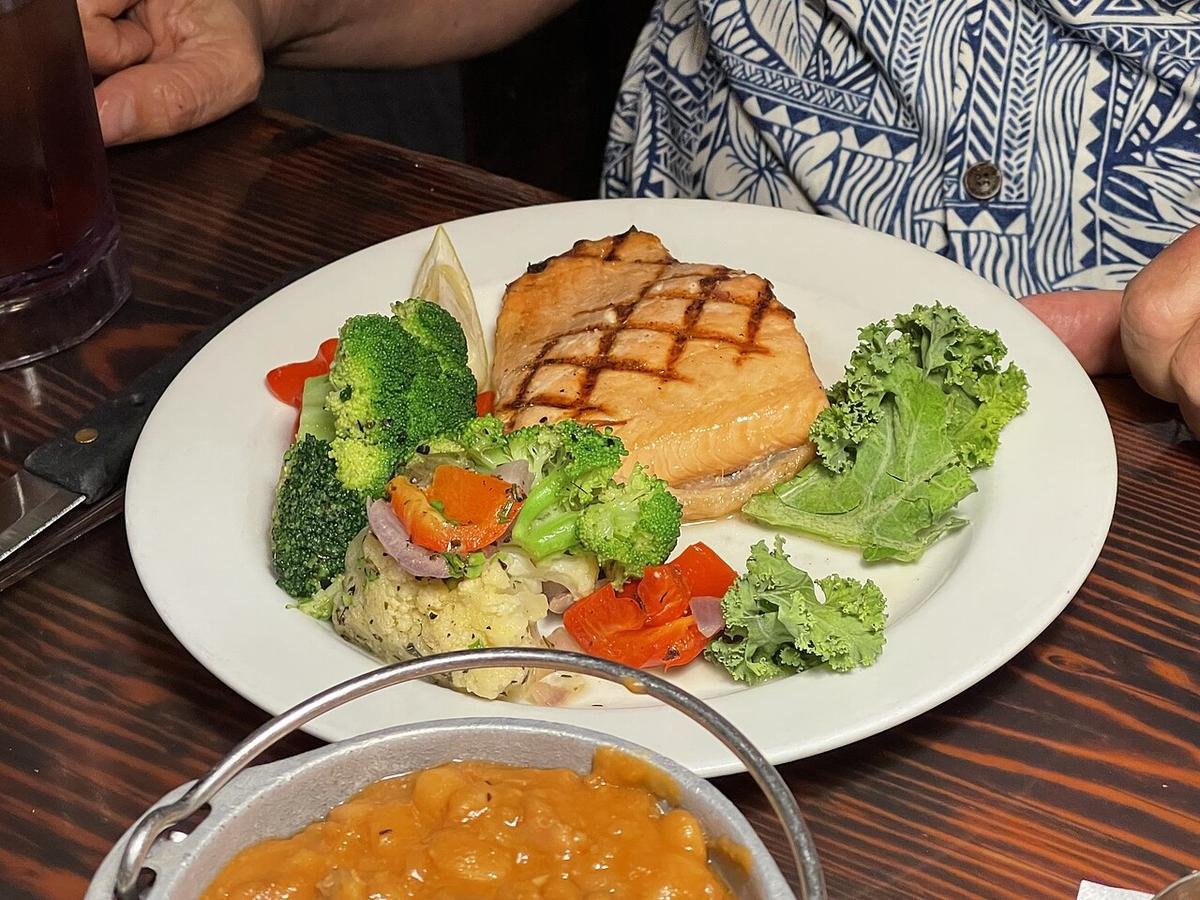
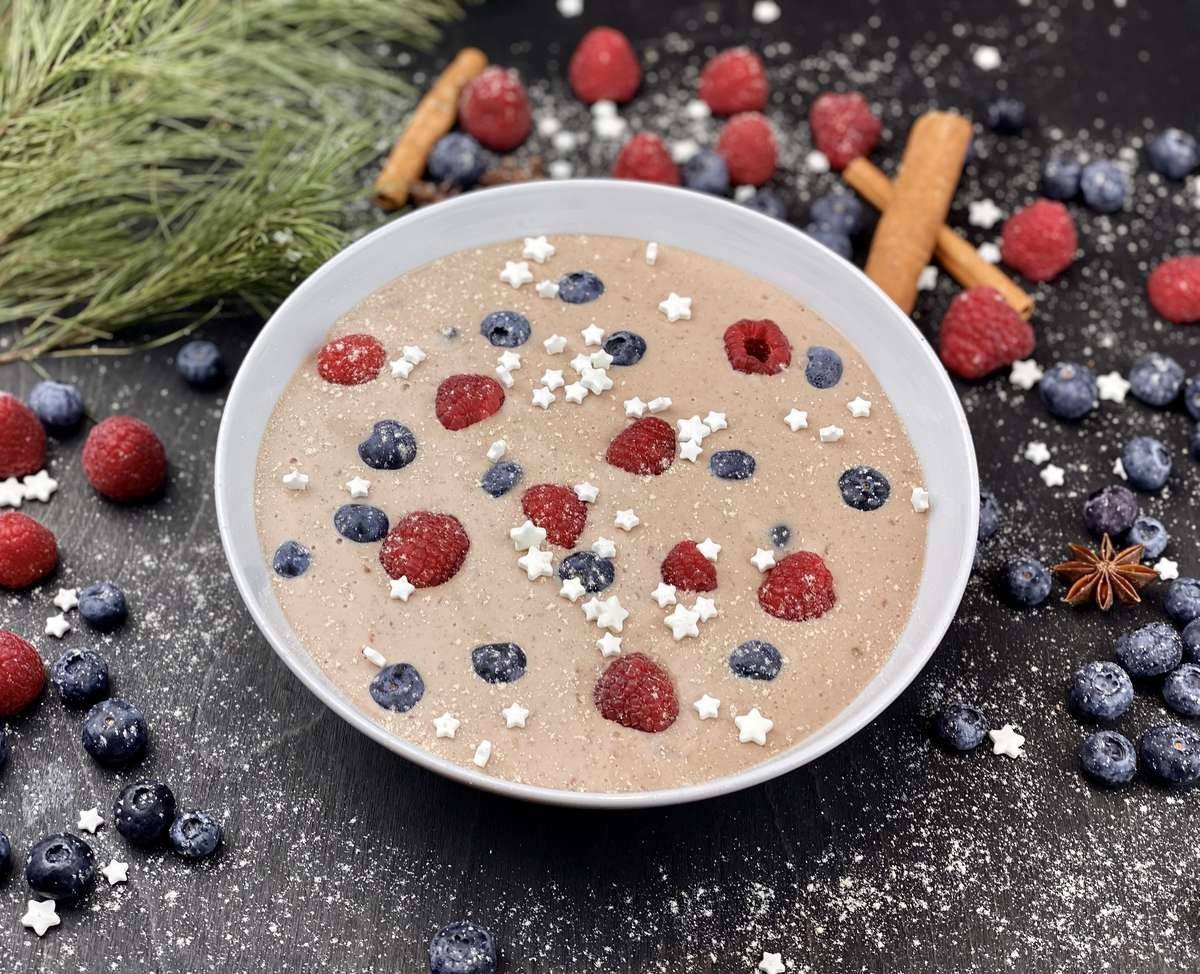
It helps to see what is a cardioprotective diet on a real plate. Breakfast is porridge made with semi-skimmed milk, topped with blueberries and a few walnuts. Lunch is a big salad with chickpeas, cucumber, tomato, red onion and olive oil, plus a slice of wholemeal bread. In the afternoon, an apple or a small handful of almonds. Dinner is grilled salmon with roasted sweet potato and steamed green beans. Pudding is plain yoghurt with a little honey. Water, tea or coffee with meals keeps it simple. There is nothing to weigh and no special product to buy. Many people over 50 find this pattern fits the way they already like to eat, and this look at living longer and healthier explains why the research keeps pointing the same way.
Related reading
- Your Mediterranean Anti Inflammatory Diet Food List: a food list that supports the heart-health message in this article
- How Many Mediterranean Diet Servings Per Day? A Clear Chart: a clear servings chart that helps readers build plates correctly
- Can You Live Longer And Healthier Through The Mediterranean Diet?: connects the cardioprotective approach to longevity research
- New evidence on Mediterranean diet after a heart attack: evidence that a Mediterranean pattern works for secondary prevention
Frequently asked questions
What is a cardioprotective diet, exactly?
It is a healthy diet high in fibre, fruit and vegetables and oily fish, with less fat and salt [1]. Bradford Teaching Hospitals NHS Foundation Trust calls the Mediterranean-style version a whole-diet approach, with olive oil, fruit, vegetables and legumes among its most cardioprotective parts [4].
Is it the same as the Mediterranean diet?
They overlap closely. The Mediterranean plan is the best-known example of a cardioprotective pattern, and the trust that runs cardiac rehab sessions teaches it that way [4]. Both put vegetables, fruit, legumes, fish and olive oil at the centre. The evidence after a heart attack is worth reading too.
Can I still eat cheese and bread?
Yes, in sensible amounts. A heart-healthy plan limits saturated fat, added sugars and sodium rather than banning foods outright [3]. Choose wholemeal bread and keep cheese to modest portions, then balance the rest of the day with vegetables, legumes and fish.
How quickly will my blood pressure change?
Nobody can promise a timeline. What the guidance says is that cutting salt and eating more vegetables and fruit supports healthier blood pressure [1]. Keep taking any medication your doctor prescribed and ask them before making big changes.
What if I do not like fish?
Omega-3 also turns up in seeds, nuts and some vegetable oils such as rapeseed oil [1]. Flaxseed, chia and walnuts are easy additions to porridge or salads. If you are unsure whether you need a supplement, ask your doctor or pharmacist.
Do I need to count calories?
Not usually. A cardioprotective diet works by improving food quality rather than forcing restriction. Fibre-rich vegetables and legumes are filling, so portions tend to settle naturally. If your weight is creeping up, check serving sizes before cutting foods out.
Honest take
I have read a lot of heart-health writing, and the message barely changes. Knowing what is a cardioprotective diet is not about exotic superfoods; it is about ordinary choices repeated most days. Start with one or two swaps from the tips above and let the rest follow in its own time. This is general information, not medical advice, so talk to your doctor before making major changes.
References
- East Sussex Healthcare NHS Trust. Cardioprotective diet leaflet. Review date July 2023. https://www.esht.nhs.uk/wp-content/uploads/2020/05/0755.pdf
- MedlinePlus. Heart disease and diet: MedlinePlus Medical Encyclopedia. United States National Library of Medicine. https://medlineplus.gov/ency/article/002436.htm
- National Heart, Lung, and Blood Institute. Heart-Healthy Living: Choose Heart-Healthy Foods. https://www.nhlbi.nih.gov/health/heart-healthy-living/healthy-foods
- Bradford Teaching Hospitals NHS Foundation Trust. Cardiac rehab diet leaflet. https://www.bradfordhospitals.nhs.uk/cardiac-rehab/dietician/
Get well and stay well,
Ray Baker
