
If you have landed here after searching for a Mediterranean inflammation detox program, I would guess you are tired, stiff or bloated and want a reset that feels manageable. The promise is attractive: a short clean-out that gets you back to energy. But there is a blunt fact worth knowing first. In a 2015 review, researchers found no compelling research to support detox diets for weight management or removing toxins from the body [1].
A Mediterranean inflammation detox program?
A Mediterranean inflammation detox program sounds like a clinical reset, but I treat it as a short, practical Mediterranean eating phase built around vegetables, beans, fish and olive oil. It is not a juice fast, a colon cleanse or a product, because the detox evidence is weak [1].
Key takeaways
- Most detox and cleanse products have little high-quality research behind them, and some contain hidden ingredients [1].
- The United States Food and Drug Administration and Federal Trade Commission have taken action against companies selling detox products with false or unsafe claims [1].
- A Mediterranean eating pattern is linked to lower risks for some chronic conditions, but the evidence has gaps and is not a promise [2].
- Build meals around vegetables, fruit, whole grains, beans, fish and extra virgin olive oil [3].
- If you have diabetes, kidney disease or a digestive condition, speak with your health team before any detox-style change [1].

What does the everyday pattern look like?
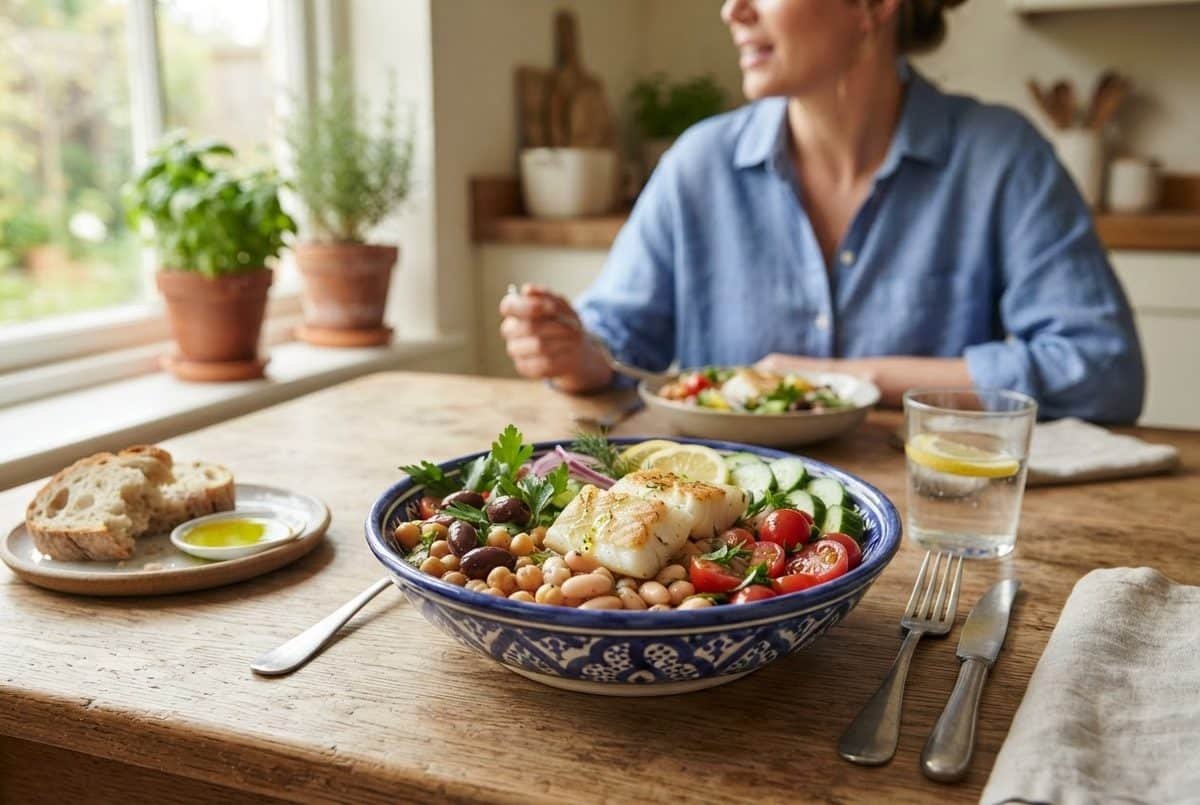
The useful part of a Mediterranean inflammation detox program is not usually the word detox. It is the food pattern underneath. The Cleveland Clinic describes the Mediterranean Diet as a way of eating that focuses on overall patterns rather than strict formulas, with vegetables, fruit, whole grains, beans, lentils, nuts and plenty of extra virgin olive oil [3]. Fish appears often, especially oily fish, while natural cheese and yoghurt sit in moderate amounts. Red meat, sweets, sugary drinks and butter stay low [3]. That is far from a punishing cleanse. It is a weeknight way to cook.
I see this as a plate check, not a calorie count. Half the plate can be vegetables, a quarter beans or fish, and a quarter whole grains. That is my simple serving guide, and it keeps portions sensible without weighing food. For budget awareness, I would lean on tinned beans, frozen fish, oats and whatever vegetables are in season. You do not need exotic ingredients. If you want a gentler starting point, I have written a longer look at healthy eating for chronic inflammation.
Why I question extreme detox cleanses
The word detox in a Mediterranean inflammation detox program deserves a careful look. The United States National Center for Complementary and Integrative Health says detox programs may involve fasting, juices, eating only certain foods, supplements, herbs, or colon cleansing with enemas, laxatives or colonics [1]. I understand the appeal. The trouble is the evidence. Some small studies have had positive results on weight, fat loss, insulin resistance and blood pressure, but that same health centre notes those studies were low quality, with design problems, few participants, or lack of peer review [1]. A 2017 review said juicing and detox diets can cause initial weight loss because of low calorie intake, but they tend to lead to weight gain once a normal diet resumes [1].
I am not against short periods of eating more vegetables and fewer ultra-processed foods. That is just good sense. What worries me is when a detox program adds laxatives, colonic irrigation or a row of unregulated supplements. For readers over 50, one detail matters. Unpasteurised juices used in some cleanses can make people sick, and the illnesses can be serious in elderly people and those with weakened immune systems [1]. Some juices are also high in oxalate from leafy greens and beets, which can be a concern for people prone to kidney stones [1]. I would rather see you enjoy a cooked spinach dish than drink a risky green juice.
What are five easy ways to start today?
If I were running a home reset, I would keep it very ordinary. Here is my five-step version.
- Make one meal a day a large vegetable dish. Roasted vegetables with chickpeas and olive oil are cheap and keep well [3].
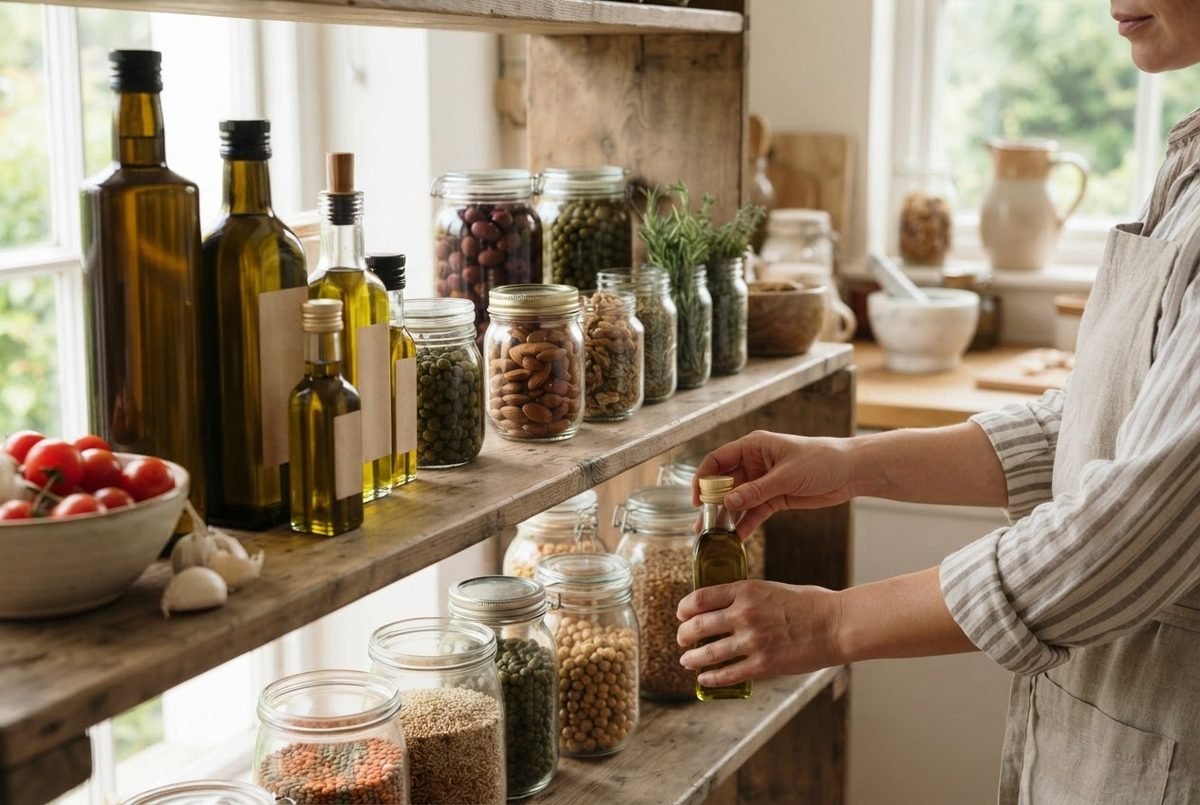
- Use extra virgin olive oil as your main added fat. It is the primary fat source in the Mediterranean pattern, so I use it instead of butter for most cooking [3].
- Swap red meat for fish, beans or lentils three nights a week. This follows the pattern of little red meat [3].
- Keep fruit and unsalted nuts where you can see them. When I want a snack, visible fruit tends to get eaten before biscuits.
- Rethink drinks. Water, coffee and tea are my daily base. If wine is not already in your routine, you do not need to start [3].
These are not dramatic steps, but they are the kind of changes that fit a real week. If you want meals already planned, see my simple diet plan for inflammation.
What does research say on inflammation?
An evidence summary in the National Center for Biotechnology Information Bookshelf looked at anti-inflammatory dietary patterns, including the Mediterranean diet and, to a lesser extent, vegetarian and plant-based diets. The authors concluded that moderate or high certainty evidence for conditions beyond cardiovascular disease, diabetes and obesity is relatively sparse [2]. At the same time, adherence to Mediterranean-type eating patterns might have beneficial associations with blood pressure, liver diseases, cognitive function and some types of cancer, though the associations could be due to foods included or excluded, or both [2].
If someone sells a Mediterranean inflammation detox program as a proven fix, the evidence does not back that word. A 2024 scoping review from Canadian researchers calls for better clinical trials of the Mediterranean diet in inflamm-aging, which tells me the science is still catching up to the marketing [4]. While that happens, I would keep my money in food, not in expensive detox extras. The same evidence summary notes that adverse events for diets with anti-inflammatory characteristics are essentially non-existent [2]. For colour beyond the basics, see polyphenol foods for inflammation.
When should you talk to a doctor first?
This is general information, not medical advice. Before you try any fasting plan, colon cleanse or detox product, I would check in with a doctor if you have diabetes, heart disease, kidney disease, severe haemorrhoids, a history of colon surgery or any gastrointestinal condition [1]. The National Center for Complementary and Integrative Health warns that colon cleansing procedures may have serious side effects, and harmful effects are more likely in those groups [1].
People with diabetes should follow the eating plan recommended by their health care team [1]. If you take regular medicines, water fasting or sudden large changes can be a problem. I would not want you to learn that the hard way. A dietitian can help customise the Mediterranean pattern to your needs, which is what Cleveland Clinic also suggests [3]. If a product claims to cure a serious disease, treat that as a red flag. The United States Food and Drug Administration and Federal Trade Commission have taken action against several companies selling detox products because they contained hidden ingredients, made false claims, or marketed devices for unapproved uses [1].
As we get older, I like to keep the long view. I have written about the Mediterranean diet for healthy aging, because the pattern is about decades, not a seven-day fix.
Related reading
- Healthy Eating for Chronic Inflammation: A Mediterranean Starting Point: A gentler starting point for chronic inflammation eating
- Simple Diet Plan for Inflammation: Mediterranean Meals That Fit Real Life: A practical meal plan for real-life Mediterranean eating
- Polyphenol Foods for Inflammation: The Mediterranean Color Rule: How colourful polyphenol foods fit the Mediterranean pattern
- Mediterranean Diet for Healthy Aging: What the Evidence Keeps Showing: Evidence on Mediterranean eating for healthy aging
Frequently asked questions
Is a Mediterranean inflammation detox program a juice cleanse?
No. I would not make it a juice cleanse. The National Center for Complementary and Integrative Health notes that juicing and detox diets can cause initial weight loss but often lead to regain, and unpasteurised juices carry risk, especially for older people [1].
How long should a Mediterranean reset last?
I would keep any strict phase to a few days or a week, then return to the everyday Mediterranean pattern. There are no studies on long-term effects of detox programs, so longer cleanses are not a smart bet [1].
Do I need expensive supplements?
No. A practical version uses tinned beans, frozen fish, seasonal vegetables, oats and olive oil. The United States Food and Drug Administration and Federal Trade Commission have taken action against several companies selling detox or cleansing products because the products contained hidden ingredients or made false claims [1].
Can I follow this if I have diabetes?
Talk to your health team. The National Center for Complementary and Integrative Health says people with diabetes should follow the eating plan recommended by their health care team rather than a restrictive detox [1].
What if I am prone to kidney stones?
Be careful with high-oxalate juices made from leafy greens and beets. The National Center for Complementary and Integrative Health says people susceptible to kidney stone formation should limit these foods and check with a doctor [1].
Honest take
I would not spend much money on a labelled Mediterranean inflammation detox program. I would save the retreat fee and put it toward good olive oil, frozen fish, vegetables, beans and a few hours of meal prep. The everyday Mediterranean pattern is not flashy, but it is practical, budget-friendly and easier to sustain than a box of powders. This is general information, not medical advice. If something feels wrong, start with a trusted health professional.
References
- National Center for Complementary and Integrative Health. Detoxes and Cleanses: What You Need To Know. https://www.nccih.nih.gov/health/detoxes-and-cleanses-what-you-need-to-know
- National Center for Biotechnology Information Bookshelf. Beyond Diabetes, Obesity, and Cardiovascular Disease: An Evidence Map of Anti-Inflammatory Diet and Related Dietary Interventions for the Prevention and Management of Chronic Health Conditions. https://www.ncbi.nlm.nih.gov/books/NBK614441/
- Cleveland Clinic. Mediterranean Diet: Food List & Meal Plan. Updated 2024. https://my.clevelandclinic.org/health/articles/16037-mediterranean-diet
- Hanna A.M.R., Hartford A.-M.E., Morassaei S. Ten Recommendations for the Next Clinical Trial of the Mediterranean Diet in Inflamm-Aging: Results & Insights from a Scoping Review. 2024. https://pmc.ncbi.nlm.nih.gov/articles/PMC11649874/
Get well and stay well,
Ray Baker
