
Your hands feel cold even when everyone else is comfortable. The hair brush collects more strands each morning. Joint stiffness greets you before your feet hit the floor. Managing hypothyroidism after 50 brings challenges that go beyond just taking a daily pill.
What if changing how you eat could help your body work with your thyroid medication instead of against it? The Mediterranean diet for hypothyroidism offers exactly that – a research-supported eating pattern that nourishes your thyroid gland naturally.
This guide walks you through everything you need to know. You’ll discover which foods support thyroid hormone production, get a complete 7-day meal plan designed for your needs, and learn practical strategies that fit into real life. No complicated rules or expensive supplements required.
Quick Answer
The Mediterranean diet for hypothyroidism centers on anti-inflammatory whole foods that naturally provide selenium, zinc, and iodine – essential nutrients for thyroid hormone production. This eating pattern includes abundant vegetables, fatty fish, extra virgin olive oil, nuts, and whole grains. Scientific evidence demonstrates it helps reduce thyroid antibodies, supports healthy weight management, and improves energy levels in people with underactive thyroid function (Endocrine Connections, 2024).
5 Key Benefits of Mediterranean Eating for Thyroid Function
- Delivers selenium from fish and Brazil nuts, which protects your thyroid gland from oxidative damage and helps convert inactive thyroid hormone to its active form
- Reduces chronic inflammation that interferes with thyroid hormone production and cellular response, particularly beneficial for Hashimoto’s thyroiditis patients (Clinical Nutrition, 2023)
- Provides sustained energy through balanced macronutrients and fiber-rich foods, addressing the persistent fatigue that accompanies hypothyroidism
- Supports healthy gut bacteria with fermented foods and fiber, which recent research links to improved thyroid function and hormone metabolism
- Emphasizes nutrient density over calorie restriction, making it sustainable for long-term thyroid health management without feeling deprived
Why Your Thyroid Needs Mediterranean-Style Nutrition
Your thyroid gland operates like a manufacturing facility. It takes raw materials – specific nutrients from your diet – and converts them into thyroid hormone that regulates metabolism, body temperature, and energy production. When you have hypothyroidism, this factory runs at reduced capacity.
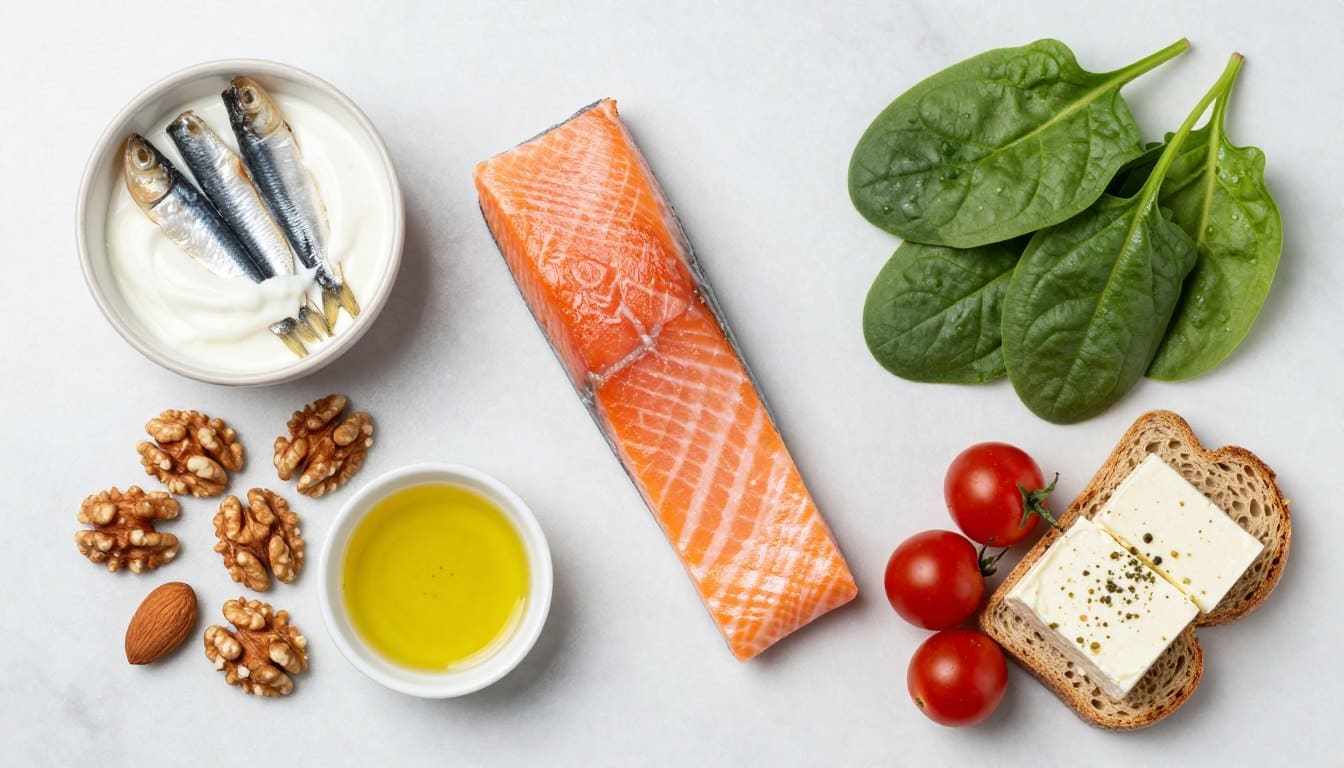
The Mediterranean diet provides those critical raw materials in their most bioavailable forms. Selenium from fish helps activate thyroid hormone. Zinc from nuts and seeds supports the enzymes involved in hormone production. Iodine from dairy and seafood gives your thyroid the building blocks it absolutely needs.
The Autoimmune Connection
Most cases of hypothyroidism in developed countries stem from Hashimoto’s disease, an autoimmune condition where your immune system mistakenly attacks the thyroid gland. The Mediterranean diet for Hashimoto’s thyroiditis addresses this underlying problem through powerful anti-inflammatory compounds.

Polyphenols in extra virgin olive oil reduce inflammatory markers. Omega-3 fatty acids from fish calm immune system overactivity. Antioxidants from vegetables protect thyroid tissue from further damage. This isn’t about curing autoimmune disease – it’s about creating an internal environment where your body functions better.
Research published in medical journals shows people with Hashimoto’s who follow Mediterranean eating patterns experience lower antibody levels over time. They report better energy, improved mood, and easier weight management compared to standard Western diets.
Nutrients Your Thyroid Cannot Function Without
Beyond the well-known iodine requirement, your thyroid depends on several other micronutrients. Iron helps thyroid peroxidase enzymes work properly. Vitamin D modulates immune function in Hashimoto’s disease. Magnesium participates in hundreds of reactions related to energy metabolism.
The beauty of the Mediterranean diet lies in its completeness. You get these nutrients from whole food sources, not isolated supplements. Shellfish provide zinc. Eggs deliver iodine and selenium. Dark leafy greens supply iron and magnesium. Your body absorbs and uses nutrients from food more effectively than from pills.
Essential Foods for Thyroid Health Mediterranean Diet
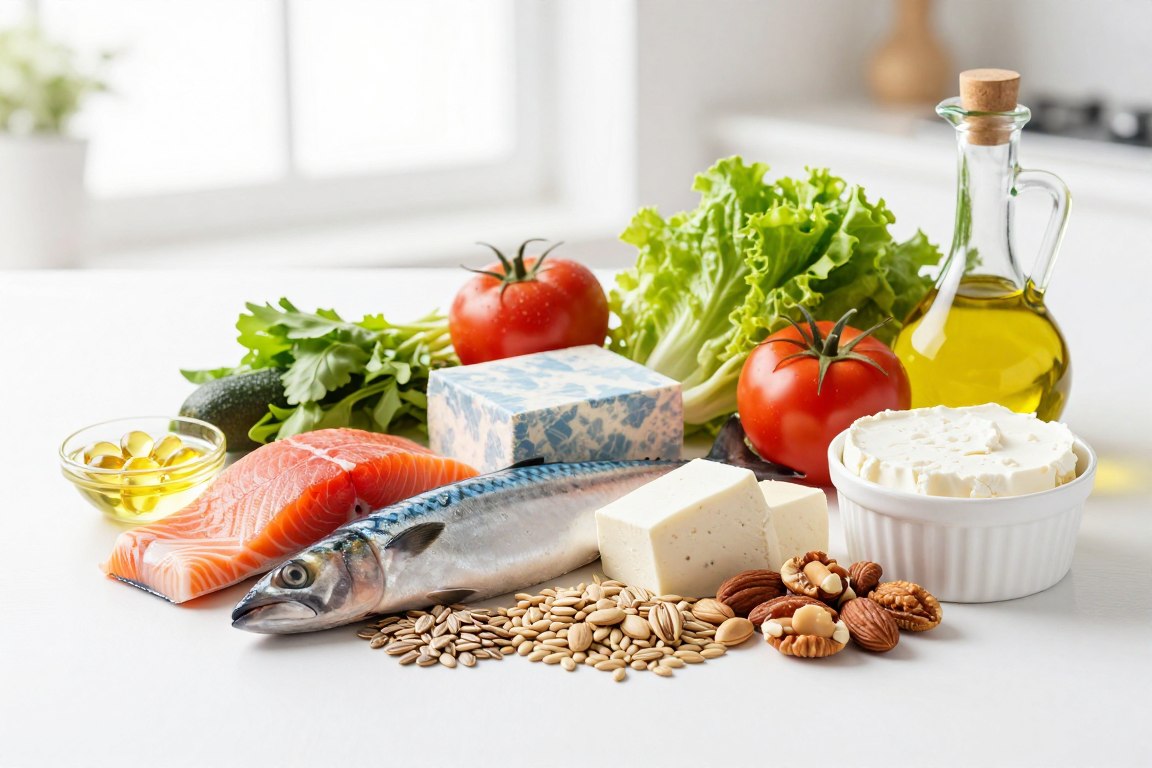
Building your hypothyroidism Mediterranean diet meal plan starts with understanding which foods deliver the most thyroid-supporting nutrition. Focus on variety and freshness rather than rigid rules.
Selenium-Rich Proteins
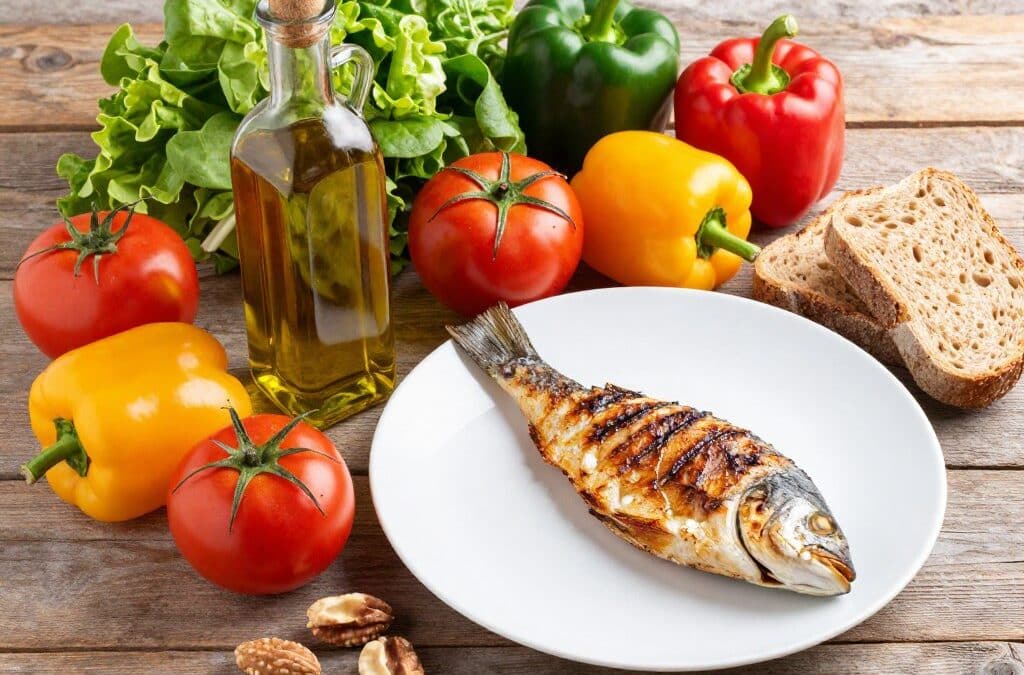
Fatty fish tops the list for thyroid health. Sardines, mackerel, and salmon provide selenium along with anti-inflammatory omega-3 fatty acids. Aim for three servings weekly. Don’t enjoy fish? Brazil nuts offer concentrated selenium – just two nuts daily meets your needs. Eggs, especially the yolks, contribute both selenium and iodine.
Selenium Note: More isn’t better with selenium. Excessive intake can actually harm thyroid function. Stick to food sources rather than high-dose supplements unless your doctor specifically recommends them based on blood tests.
Vegetables and Leafy Greens
Eat vegetables at every meal, cooked and raw. Tomatoes provide lycopene and vitamin C. Leafy greens like Swiss chard and arugula deliver magnesium and iron. Colorful bell peppers supply vitamin C, which improves iron absorption. Aim for seven to nine servings daily – it’s easier than you think when you count a serving as half a cup.
You may have heard cruciferous vegetables like broccoli interfere with thyroid function. The truth: cooking neutralizes most goitrogenic compounds, and the nutrient benefits far exceed any theoretical risks. Include them regularly unless you have severe iodine deficiency.
Healthy Fats for Hormone Production
Extra virgin olive oil forms the foundation of Mediterranean fat intake. It reduces inflammation and supports overall health. Use it generously for cooking and drizzling. Nuts – particularly walnuts, almonds, and the already-mentioned Brazil nuts – provide healthy fats plus minerals your thyroid needs.

Fermented Dairy and Probiotics
Plain Greek yogurt delivers probiotics that support gut health – increasingly important for thyroid function. The protein content helps with satiety and muscle maintenance. Kefir offers similar benefits with even more probiotic strains. Choose full-fat or low-fat based on your preferences, but avoid varieties with added sugars.
Whole Grains for Sustained Energy
Whole grains provide B vitamins, fiber, and steady energy release. Quinoa, bulgur, farro, and brown rice all fit the Mediterranean pattern. The fiber helps with digestive regularity – a common concern with hypothyroidism. If you have confirmed celiac disease or gluten sensitivity alongside your thyroid condition, choose naturally gluten-free grains.
Your Complete Mediterranean Diet Shopping List
Save this organized shopping guide to your phone. It groups foods by section to make grocery trips efficient and ensures you always stock thyroid-supporting ingredients.
Thyroid-Friendly Mediterranean Shopping Guide
Produce Section
Fresh vegetables and fruits to buy weekly:
- Leafy greens (spinach, arugula, Swiss chard)
- Tomatoes (various types)
- Bell peppers (red, yellow, orange)
- Zucchini and eggplant
- Fresh herbs (parsley, basil, oregano)
- Lemons and oranges
- Berries (blueberries, strawberries)
Protein & Seafood
Quality protein sources for thyroid support:
- Fatty fish (salmon, sardines, mackerel)
- White fish (cod, halibut)
- Chicken thighs and breasts
- Eggs (omega-3 enriched)
- Canned sardines and wild salmon
- White beans and chickpeas
- Lentils (green and red)
Pantry Staples
Essential ingredients to keep stocked:
- Extra virgin olive oil (cold-pressed)
- Whole grains (quinoa, farro, bulgur)
- Raw nuts (walnuts, almonds, Brazil nuts)
- Seeds (chia, flax, pumpkin)
- Canned tomatoes and tomato paste
- Greek yogurt (plain)
- Feta and goat cheese
Budget Tip: Frozen fish fillets and vegetables offer the same nutritional value as fresh at lower cost. Stock your freezer during sales. Canned sardines and salmon provide affordable, shelf-stable protein rich in thyroid-supporting selenium.
7-Day Hypothyroidism Mediterranean Diet Meal Plan
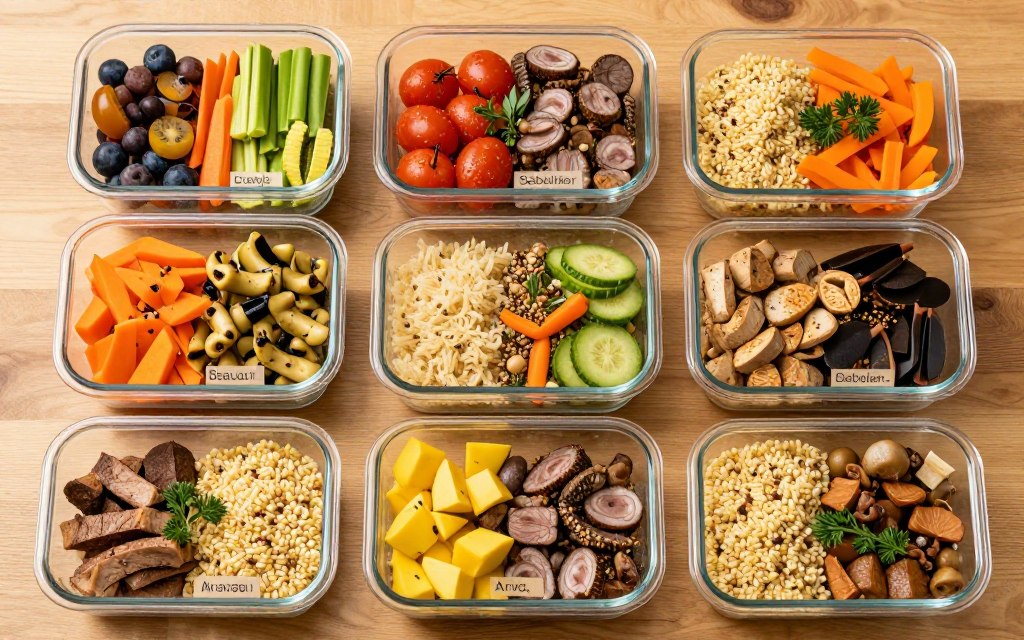
This complete week of meals provides the nutrients your thyroid needs while keeping preparation simple. Each day delivers selenium, iodine, zinc, and anti-inflammatory compounds through delicious, satisfying food.
Monday
Breakfast: Greek yogurt bowl with walnuts, sliced banana, chia seeds, and drizzle of honey
Lunch: Lentil and vegetable soup with whole grain bread and olive oil for dipping
Dinner: Grilled mackerel with roasted Brussels sprouts, sweet potato, and quinoa
Snack: Two Brazil nuts and an apple
Tuesday
Breakfast: Veggie omelet with spinach, tomatoes, and feta cheese, served with whole grain toast
Lunch: Chickpea salad with cucumber, cherry tomatoes, red onion, parsley, and lemon-olive oil dressing
Dinner: Baked cod with Mediterranean roasted vegetables (zucchini, eggplant, peppers) and bulgur wheat
Snack: Handful of almonds with fresh berries
Wednesday
Breakfast: Overnight oats with Greek yogurt, ground flaxseed, berries, and chopped walnuts
Lunch: Whole grain pita stuffed with hummus, grilled chicken, lettuce, tomatoes, and tahini sauce
Dinner: Mediterranean vegetable stew (recipe below) with side of farro
Snack: Carrot and cucumber sticks with white bean dip

Thursday
Breakfast: Smoothie with spinach, frozen berries, Greek yogurt, ground flaxseed, and almond milk
Lunch: White bean and kale soup with a side salad dressed in olive oil and lemon
Dinner: Grilled chicken breast with Greek salad (tomatoes, cucumbers, olives, feta) and brown rice
Snack: Plain kefir with a handful of blueberries
Friday
Breakfast: Whole grain toast with mashed avocado, poached eggs, and cherry tomatoes
Lunch: Sardine salad with mixed greens, red onion, capers, and whole grain crackers
Dinner: Baked salmon with lemon and dill, steamed broccoli, and quinoa pilaf
Snack: Fresh fruit salad with mint and a squeeze of lime
Saturday
Breakfast: Greek yogurt parfait with layers of granola, mixed berries, and chopped almonds
Lunch: Mediterranean grain bowl with farro, roasted vegetables, chickpeas, and tahini dressing
Dinner: Herb-crusted white fish with roasted asparagus, cherry tomatoes, and bulgur
Snack: Two Brazil nuts and sliced bell peppers
Sunday
Breakfast: Scrambled eggs with sautéed mushrooms, spinach, and whole grain toast with olive oil
Lunch: Chicken and vegetable soup with white beans and fresh herbs
Dinner: Grilled sardines with arugula salad, roasted red peppers, and brown rice
Snack: Apple slices with almond butter
Individual Needs: This meal plan provides general guidance for adults with hypothyroidism. Your specific calorie and nutrient requirements vary based on age, activity level, medication dose, and other health factors. Consult your healthcare provider before making significant dietary changes.
Want more on the Mediterranean diet? Visit https://the-mediterranean-diet.com/
Nourishing Recipe: Mediterranean Vegetable Stew
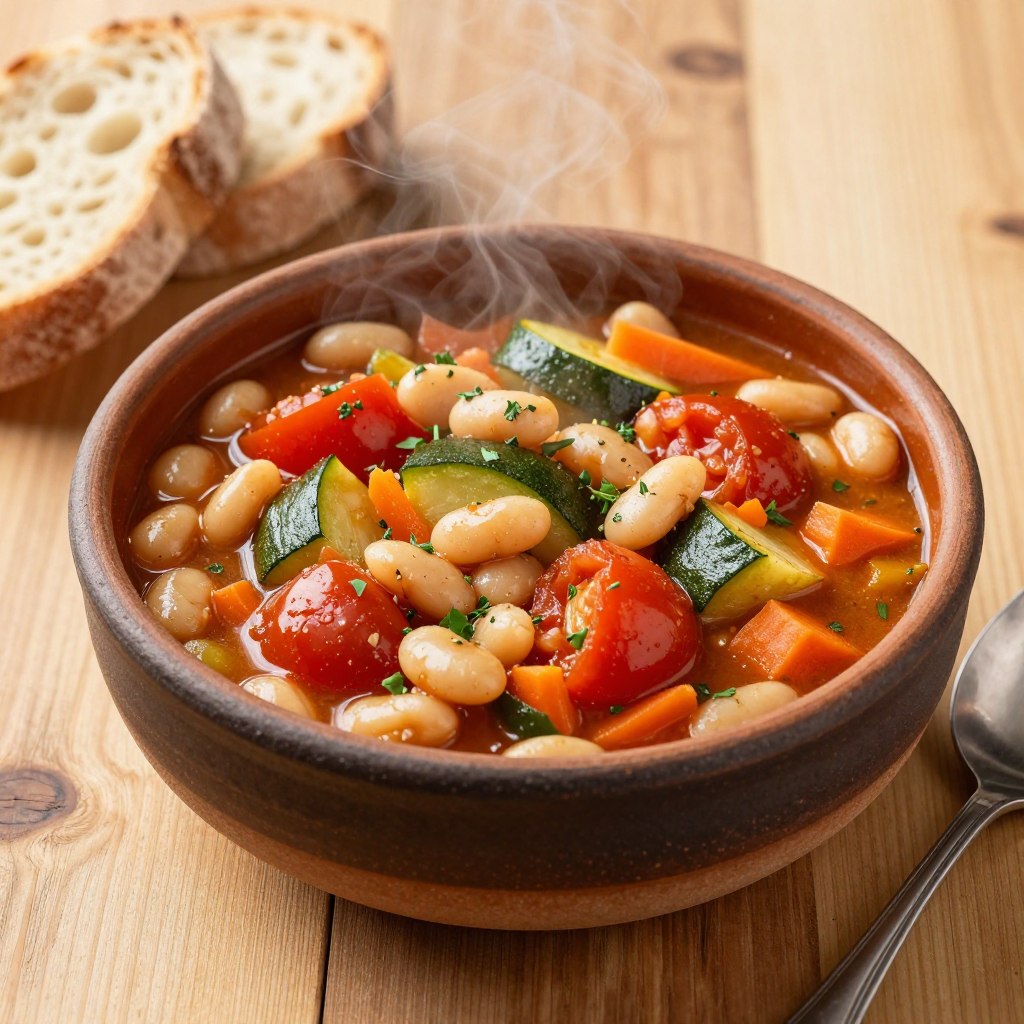
This one-pot wonder delivers thyroid-supporting nutrients through vegetables, beans, and olive oil. It makes enough for several meals and tastes even better the next day. Perfect for batch cooking on weekends.
Ingredients (Serves 4)
- 3 tablespoons extra virgin olive oil
- 1 large onion, diced
- 4 garlic cloves, minced
- 2 medium zucchini, chopped
- 1 red bell pepper, chopped
- 1 eggplant, cubed
- 1 can (400g) diced tomatoes
- 2 cans (400g each) white beans, drained
- 2 cups vegetable broth
- 1 teaspoon dried oregano
- Fresh basil and parsley
- Sea salt and black pepper to taste
Preparation Steps
- Heat olive oil in a large pot over medium heat. Add diced onion and cook until soft, about 5 minutes.
- Stir in minced garlic and cook for another minute until fragrant.
- Add zucchini, bell pepper, and eggplant. Cook for 8-10 minutes, stirring occasionally, until vegetables start to soften.
- Pour in diced tomatoes with their juice, white beans, vegetable broth, and dried oregano. Stir well to combine.
- Bring to a boil, then reduce heat and simmer uncovered for 25-30 minutes until vegetables are tender and flavors meld.
- Season with salt and pepper. Stir in fresh chopped basil and parsley just before serving.
- Serve hot with a side of whole grain bread or over quinoa.
Easy Variations
Add protein: Stir in cooked chicken pieces or canned sardines during the last 5 minutes of cooking.
Different beans: Chickpeas or cannellini beans work equally well instead of white beans.
More vegetables: Add spinach, kale, or Swiss chard during the final minutes of cooking for extra nutrients.
Spice it up: Include a pinch of red pepper flakes if you enjoy heat.
Make it creamy: Stir in a dollop of Greek yogurt when serving for added protein and creaminess.
Beyond Food: Supporting Your Thyroid Through Lifestyle

The best foods for thyroid health Mediterranean diet provides substantial benefits, but nutrition works synergistically with other lifestyle factors. Small changes in these areas amplify your dietary efforts.
Gut Health and Thyroid Function
Your gut microbiome influences thyroid hormone metabolism more than scientists previously understood. Beneficial bacteria help convert inactive T4 thyroid hormone into active T3. They also produce nutrients your thyroid needs and regulate inflammation.
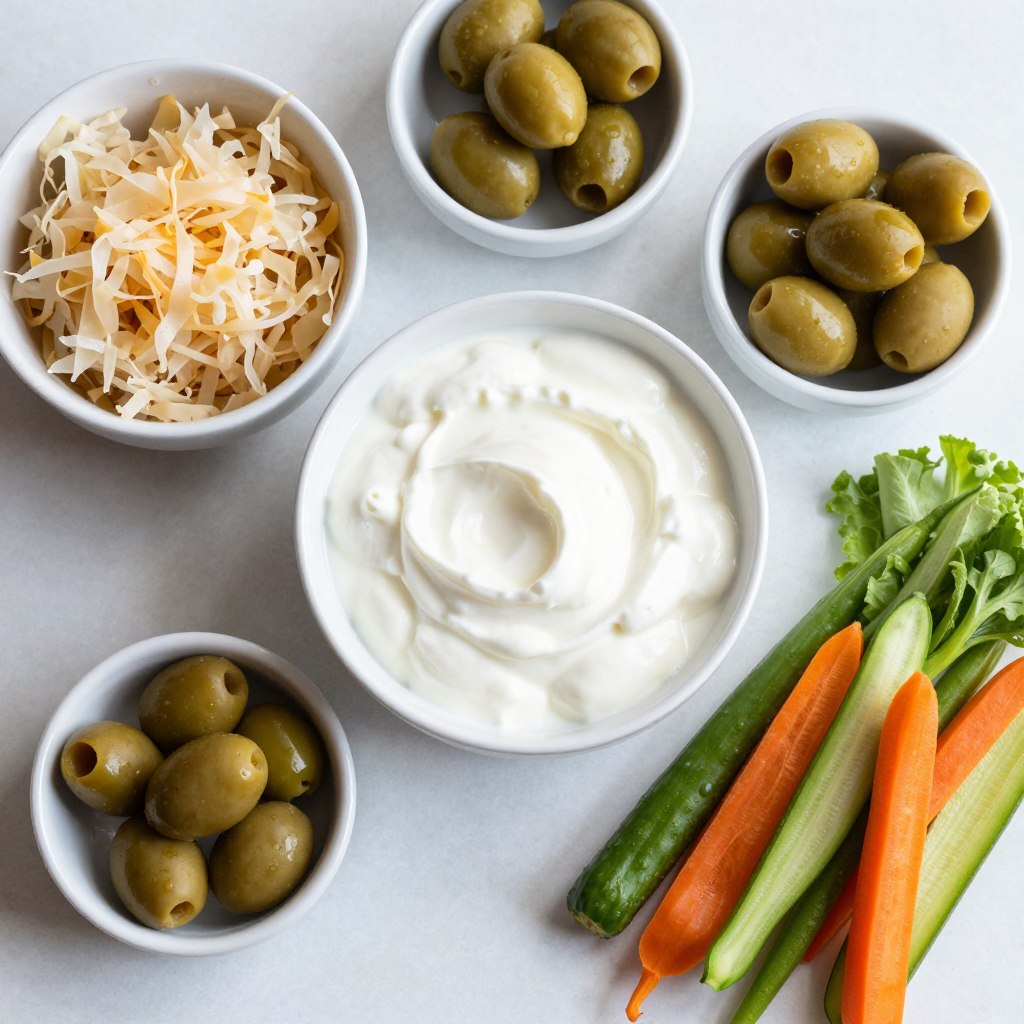
Support your gut through fermented foods like yogurt and kefir, which you’re already eating on the Mediterranean plan. Add variety with small amounts of sauerkraut or kimchi if you enjoy them. Probiotic diversity matters more than quantity.
Prebiotic fiber feeds beneficial bacteria. You get this naturally from vegetables, whole grains, and legumes in your Mediterranean meals. The diversity of plant foods matters – aim for 30 different plant foods weekly for optimal gut health.
Avoid unnecessary antibiotic use when possible, as these medications disrupt gut bacteria populations. If you must take antibiotics, rebuild your microbiome afterward with probiotic-rich foods and diverse plant intake.
Vitamin D and Immune Balance
Most people with Hashimoto’s thyroiditis have insufficient vitamin D levels. This vitamin modulates immune system function and may reduce thyroid antibody production. Your body makes vitamin D from sunlight exposure, but production decreases with age and varies by season and location.
Spend 15-20 minutes in midday sun several times weekly when possible. Fatty fish in your Mediterranean diet provides some vitamin D, but many people need supplementation. Have your doctor test your levels and recommend appropriate dosing.
Hydration and Metabolism
Proper hydration supports every metabolic process, including thyroid hormone production and utilization. Many people with hypothyroidism mistake thirst for hunger, leading to unnecessary snacking. Dehydration also worsens fatigue and constipation – common hypothyroid symptoms.
Drink water throughout the day, aiming for pale yellow urine as your hydration indicator. Herbal teas count toward fluid intake. Limit caffeine, which can interfere with thyroid medication absorption if consumed too close to your dose.
Movement for Metabolism
Regular physical activity improves insulin sensitivity, supports healthy weight, and helps your cells respond better to thyroid hormone. You don’t need intense exercise. Moderate daily movement provides the most sustainable benefits.
Walking
30 minutes daily improves cardiovascular health, supports weight management, and lifts mood. Break it into three 10-minute sessions if needed.
Strength Training
Twice weekly helps maintain muscle mass that naturally declines with age and hypothyroidism. Bodyweight exercises work perfectly.
Flexibility Work
Yoga or stretching reduces joint stiffness and stress. Morning sessions help combat the stiffness common with thyroid issues.
Coordinating Diet with Thyroid Medication
Your thyroid medication works best when absorbed properly. Several components of the Mediterranean diet can affect absorption if timing isn’t managed correctly. Understanding these interactions prevents frustration and ensures your treatment works optimally.
Timing Your Medication
Take levothyroxine or other thyroid medication on an empty stomach, typically first thing in the morning. Wait 30-60 minutes before eating breakfast. This timing allows maximum absorption before food interferes.
Coffee might reduce medication absorption in some people. If you’re a morning coffee drinker who can’t wait an hour, discuss this with your doctor. Some people do fine, others need to adjust their routine. Your lab results reveal whether absorption is adequate.
Foods That Affect Absorption
Space These 4+ Hours From Medication
- Calcium-rich foods (yogurt, cheese, fortified plant milks)
- Iron supplements or iron-rich foods in large amounts
- Soy products (tofu, soy milk, edamame)
- High-fiber meals
Generally Safe Anytime
- Most vegetables and fruits
- Fish and poultry
- Olive oil and nuts
- Whole grains in moderate amounts
This doesn’t mean avoiding these nutritious foods – just timing them appropriately. Since you’re taking medication first thing in the morning, eating these foods later in the day poses no problem. Plan calcium-rich yogurt for lunch or as an afternoon snack rather than breakfast.
Medication Adjustment: As you improve your diet, exercise habits, and overall health, your thyroid medication needs may change. Regular blood tests every 6-12 weeks initially, then every 6 months once stable, help your doctor adjust dosing appropriately. Never change your medication dose without medical supervision.
Need Help Staying Consistent? Get Free Support
Knowledge means nothing without action. Starting strong is easy – maintaining momentum over weeks and months challenges even the most motivated people. That’s exactly why we created a free 28-Day Mediterranean Diet Maintenance Program specifically for those managing thyroid conditions.
This program gives you daily meal inspiration, practical tips for common challenges, and the structure that transforms temporary changes into lasting habits. No purchase necessary, no credit card required – just helpful guidance when you need it most.
Help Someone You Care About

Know someone struggling with thyroid issues? Share what you’ve learned. Here’s a simple message you can copy and send.
Share This With Friends
I found this detailed guide about managing hypothyroidism through Mediterranean-style eating. It’s actually helpful – not preachy or restrictive. Includes a full week of meal ideas, shopping list, and explains the science behind why certain foods support thyroid function. They even offer a free 28-day program to help make it sustainable. Thought it might interest you since we’ve talked about thyroid stuff before. [Insert article link]
Monitoring Your Results and Making Adjustments
Sustainable change happens through consistent small steps, not perfection. Track your progress in ways that provide useful feedback without becoming obsessive or overwhelming.
What Deserves Your Attention
Energy Patterns
Notice when during the day you feel most energetic and when you crash. Quality nutrition often normalizes these patterns within 3-4 weeks.
Sleep Quality
Track whether you fall asleep easily, sleep through the night, and wake feeling rested. Better nutrition supports better sleep.
Digestive Function
Monitor bowel regularity, bloating, and digestive comfort. The fiber in Mediterranean eating typically improves these within two weeks.
Lab Values
Work with your doctor to monitor TSH, Free T4, and Free T3 levels. These objective measures show how your body responds over months.
Give Changes Time to Work
Your body needs time to respond to dietary improvements. Most people notice initial benefits in energy and digestion within two to four weeks. Thyroid hormone levels stabilize more slowly, typically over three to six months of consistent eating patterns.
Some days feel better than others – that’s completely normal. Focus on overall trends rather than daily fluctuations. Keep perspective and celebrate small improvements rather than waiting for dramatic transformations.
Making Mediterranean Eating Affordable
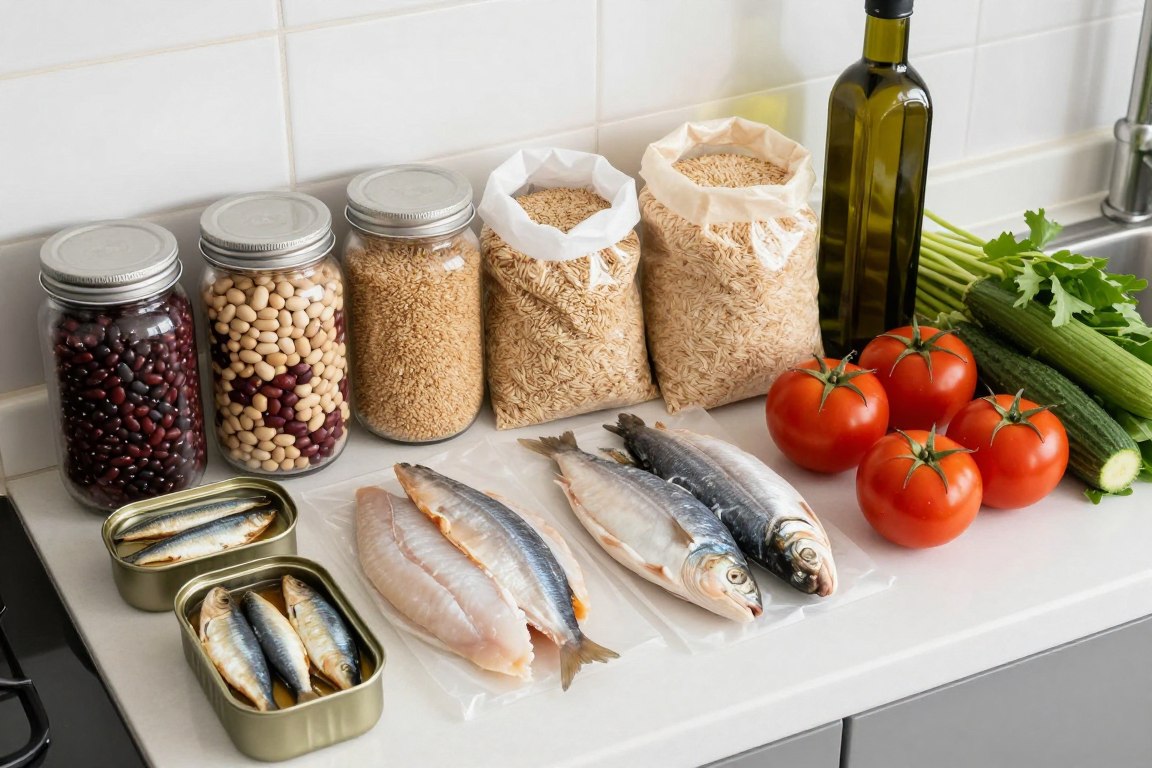
Quality nutrition shouldn’t strain your budget. The Mediterranean diet can actually cost less than typical Western eating patterns when you shop strategically.
Smart Shopping Tactics
- Purchase frozen fish fillets during sales – nutritionally identical to fresh and often half the price
- Stock pantry staples like canned beans, canned sardines, and whole grains in bulk quantities
- Choose seasonal produce for best value – winter squash in autumn, berries in summer
- Buy store-brand olive oil, Greek yogurt, and canned tomatoes – quality matches name brands
- Plan weekly menus around grocery store sales and specials
- Use dried beans instead of canned when you have time – costs a fraction of the price
Batch Cooking Saves Money and Time
Dedicate Sunday afternoon to preparing components for the week. Cook large batches of quinoa, brown rice, or farro. Make a big pot of vegetable stew or bean soup. Chop vegetables for several days. Batch cooking prevents expensive last-minute takeout and ensures thyroid-healthy options are always ready.
Properly stored in airtight containers, most cooked grains last five days refrigerated. Soups and stews last four to five days or can be frozen for later. Chopped raw vegetables keep three to four days in the refrigerator.
Restaurant Strategies for Mediterranean Eating
Social dining and eating out don’t derail your progress when you make informed choices. Most restaurants accommodate simple requests, and many cuisines align naturally with Mediterranean principles.
Mediterranean Restaurants
The obvious choice! Order grilled fish or chicken with vegetable sides. Choose olive oil-based preparations over cream sauces. Request extra vegetables.
Steakhouses
Select grilled fish or lean cuts of meat. Order double vegetables instead of potato. Ask for olive oil for your salad instead of heavy dressings.
Asian Restaurants
Choose steamed fish or stir-fried vegetables with lean protein. Request brown rice when available. Ask for sauces on the side to control sodium.
Restaurant Strategy: Don’t hesitate to ask questions or request modifications. “Can I get that grilled instead of fried?” and “Could I have vegetables instead of fries?” work at virtually any restaurant. Most establishments want satisfied customers and happily accommodate reasonable requests.
Common Questions About Mediterranean Diet for Hypothyroidism
How quickly will I notice improvements in my thyroid symptoms?
Initial improvements in energy, sleep quality, and digestive function typically appear within two to four weeks of consistent Mediterranean eating. Changes in thyroid hormone levels and medication requirements develop more gradually, usually over three to six months. Individual responses vary based on factors including medication optimization, stress levels, sleep quality, and overall health status. Focus on how you feel day-to-day rather than expecting overnight transformations.
Will Mediterranean diet help me lose weight with hypothyroidism?
The Mediterranean diet supports healthy weight management through nutrient-dense foods, adequate fiber, and satisfying meals that reduce cravings. However, hypothyroidism slows metabolism, making weight loss more challenging than for people with normal thyroid function. Optimal thyroid hormone replacement is essential – no diet compensates for inadequate medication. Focus on improved energy, better sleep, and stable blood sugar rather than rapid weight loss. Work with your healthcare provider to ensure your thyroid levels are properly managed.
Should I avoid all goitrogenic vegetables with hypothyroidism?
No, avoiding cruciferous vegetables is unnecessary for most people with hypothyroidism. Cooking deactivates most goitrogenic compounds, and you would need to consume massive quantities of raw crucifers to significantly impact thyroid function. The nutrients these vegetables provide – fiber, vitamins, minerals, and antioxidants – offer tremendous health benefits. Include moderate amounts of cooked broccoli, cauliflower, kale, and cabbage unless your doctor specifically advises otherwise due to severe iodine deficiency.
Do I need iodine supplements on the Mediterranean diet?
Most people get adequate iodine from the Mediterranean diet through fish, dairy products, and eggs without needing supplements. Excessive iodine can actually worsen hypothyroidism or trigger thyroid dysfunction in susceptible individuals. Some people with Hashimoto’s disease experience increased antibodies with high iodine intake. Use iodized salt moderately in cooking, but avoid high-dose iodine supplements unless your doctor specifically recommends them based on measured deficiency. Food sources provide safer, more balanced iodine intake.
Can I follow this diet if I’m also gluten-free?
Absolutely. The Mediterranean diet adapts easily to gluten-free needs by emphasizing naturally gluten-free whole grains like quinoa, brown rice, buckwheat, and millet instead of wheat-based options. People with celiac disease or confirmed gluten sensitivity should avoid gluten strictly, as these conditions often coexist with autoimmune thyroid disease. However, don’t eliminate gluten without reason – whole wheat provides valuable nutrients. If you suspect gluten sensitivity, get tested before removing it from your diet to ensure accurate diagnosis.
What if I don’t eat fish or seafood?
You can follow Mediterranean dietary principles without fish by focusing on other protein sources including chicken, turkey, eggs, legumes, and nuts. You’ll need alternative sources for omega-3 fatty acids and selenium typically provided by fish. Consider algae-based omega-3 supplements, and eat two Brazil nuts daily for selenium. Include plenty of walnuts, chia seeds, and flaxseed for plant-based omega-3s. Eggs provide some selenium and iodine. Discuss supplementation with your healthcare provider to ensure adequate nutrient intake without fish.
How does this diet help Hashimoto’s thyroiditis specifically?
The Mediterranean diet addresses the autoimmune inflammation underlying Hashimoto’s disease through anti-inflammatory compounds in olive oil, fatty fish, and colorful vegetables. Research shows this eating pattern may reduce thyroid antibody levels over time and decrease autoimmune activity. The diet also supports gut health through fiber and fermented foods, which influences immune function. While it cannot cure Hashimoto’s, this approach creates an internal environment that may slow disease progression and reduce symptoms when combined with appropriate thyroid hormone replacement (Thyroid, 2023).
Is intermittent fasting safe with hypothyroidism?
Intermittent fasting affects people with hypothyroidism differently. Some individuals report improved energy and easier weight management, while others experience worsened fatigue and increased stress hormones that further slow metabolism. If you want to try time-restricted eating, start with a modest 12-hour overnight fast (like 7 PM to 7 AM) rather than extreme fasting protocols. Monitor how you feel carefully. If fatigue worsens or you feel constantly cold, this approach may not suit your body. Always take thyroid medication on schedule, which might require adjusting your fasting window.
Your Next Steps: Building Sustainable Habits

Managing hypothyroidism through nutrition requires consistency rather than perfection. Small daily choices compound into meaningful health improvements over weeks and months. The Mediterranean diet provides the framework – you customize it to fit your life.
Begin wherever you are right now. Perhaps that means adding fish to your weekly rotation. Or switching to olive oil for cooking. Or eating vegetables with lunch and dinner. Each positive change builds momentum.
Your thyroid health improves through the accumulation of good decisions, not through dramatic overnight transformations. Celebrate the extra energy that lets you play with grandchildren. Notice when you sleep through the night without waking. Appreciate steady moods and improved mental clarity.
Partner with your healthcare team throughout this journey. Share your dietary changes during appointments. Monitor thyroid hormone levels regularly. Adjust medication as needed under medical supervision. The combination of proper treatment and supportive nutrition provides the best outcomes.
This way of eating isn’t a temporary fix – it’s a sustainable pattern you can maintain for years. It’s food that tastes good, satisfies hunger, and happens to support optimal thyroid function. No deprivation, no complicated rules, no perfect execution required.
The free 28-Day Mediterranean Diet Maintenance Program mentioned earlier gives you the structure and support to transform information into action. Daily guidance helps you navigate challenges and build lasting habits. Because knowing what to do and actually doing it consistently are entirely different challenges.
Medical Disclaimer
This article provides educational information about nutrition and hypothyroidism management. It does not constitute medical advice and should not replace consultation with qualified healthcare professionals. Always discuss significant dietary changes with your doctor, especially when taking thyroid medication or managing other health conditions. Individual nutritional needs vary considerably based on age, activity level, medication requirements, and overall health status. Regular medical monitoring remains essential for proper thyroid disease management. The author and publisher assume no responsibility for actions taken based on information provided herein.
References
- Endocrine Connections, peer-reviewed endocrinology journal (2024)
- Clinical Nutrition, international journal of nutritional science (2023)
- Thyroid, official journal of the American Thyroid Association (2023)
- American Thyroid Association Clinical Guidelines
- Journal of Clinical Endocrinology and Metabolism
- Nutrients, open-access nutrition and dietetics journal (2024)
- National Institutes of Health Office of Dietary Supplements
- Harvard T.H. Chan School of Public Health Nutrition Source
- European Journal of Endocrinology
- Frontiers in Endocrinology
You now have everything needed to support your thyroid health through Mediterranean-style eating. The meal plans, shopping lists, recipes, and practical strategies all work together as tools for better health. What matters most is taking action today rather than waiting for the perfect moment.
Your thyroid doesn’t require perfection. It needs consistent, nutrient-rich fuel that supports hormone production and reduces systemic inflammation. That’s precisely what this eating pattern delivers through foods that actually taste good.
Start with one simple change this week. Choose a single meal from the 7-day plan and prepare it. Enjoy how it tastes and how you feel afterward. Next week, add another. Before long, Mediterranean eating becomes your comfortable default rather than something requiring constant thought and effort.
Get well and stay well,
Ray Baker
