

By Ray Baker
That top number on your blood pressure reading, the systolic one, is often driven by stiff arteries rather than by your heart alone [1]. Not what most people expect. If your doctor has mentioned ‘stiff arteries,’ you’re probably wondering how to reduce artery stiffness without a cabinet full of pills. Arterial stiffness predicts cardiovascular disease, and in people with chronic kidney disease that risk is especially high [2]. I’ve spent a fair bit of time reading the research, and I want to share what actually moves the needle. This isn’t about expensive treatments or extreme regimens. It’s about small, steady changes that your blood vessels respond to over time.
How to reduce artery stiffness naturally?
A combination of regular aerobic exercise, dietary changes like salt reduction and weight loss, and stress management can help reduce artery stiffness. These non-pharmacological interventions work by improving blood vessel elasticity and lowering pressure from wave reflections, as shown in multiple studies [1].
Key takeaways
If you want to know how to reduce artery stiffness, these are the habits that matter most.
- Aerobic exercise, like brisk walking, can lower arterial stiffness over time [1].
- Reducing salt intake has been shown to produce a small but significant fall in pulse wave velocity [3].
- Quality sleep and stress management support heart and vessel health [4].
- A Mediterranean-style diet rich in vegetables, fruits, whole grains, and lean protein helps maintain flexible arteries [4].
- Smoking accelerates artery hardening, so quitting is one of the most powerful steps [4].
What does artery stiffness mean after 50?
Artery stiffness happens when the walls of your large arteries lose their natural elasticity. Think of a new rubber band versus an old, brittle one. As we age, the elastic fibres in our artery walls can degenerate, and inflammation can speed this up [5]. Doctors often measure it with something called pulse wave velocity, which is considered the most reliable marker [5]. It’s a primary cause of elevated systolic blood pressure, the top number you see at the doctor’s office, and it makes your heart work harder over time [1]. You might not feel it directly, but over time it can lead to fatigue and shortness of breath because your heart is pumping against stiffer pipes. The result is a greater risk of cardiovascular trouble down the track [2]. This is especially relevant if you have chronic kidney disease, where arterial stiffness is a strong predictor of heart problems [2]. I see this as a gentle nudge to pay more attention to daily habits that support vascular health, rather than a reason to panic.
Why does salt matter for stiff arteries?
Excess salt makes your body hold onto fluid, which raises blood pressure and puts extra strain on artery walls. A meta-analysis of studies designed to examine the effect of a reduction in sodium intake on pulse wave velocity noted a small but significant fall in PWV with a 90 mEq/day sodium intake on average [3]. In my experience, the biggest salt culprit isn’t the shaker on your table, it’s packaged and restaurant foods. Swapping those for home-cooked meals with herbs and spices is a straightforward way to cut back. I often suggest starting by removing the salt shaker from the dinner table and using lemon juice or vinegar instead. Over a few weeks, your palate adjusts. The Mediterranean diet naturally limits salt because it emphasises fresh vegetables, fish, and olive oil rather than processed items. Cutting back on salt is one of the simplest answers to how to reduce artery stiffness without medication. For more small changes that help, see these healthy blood pressure habits after 50.
Can exercise soften stiff arteries?
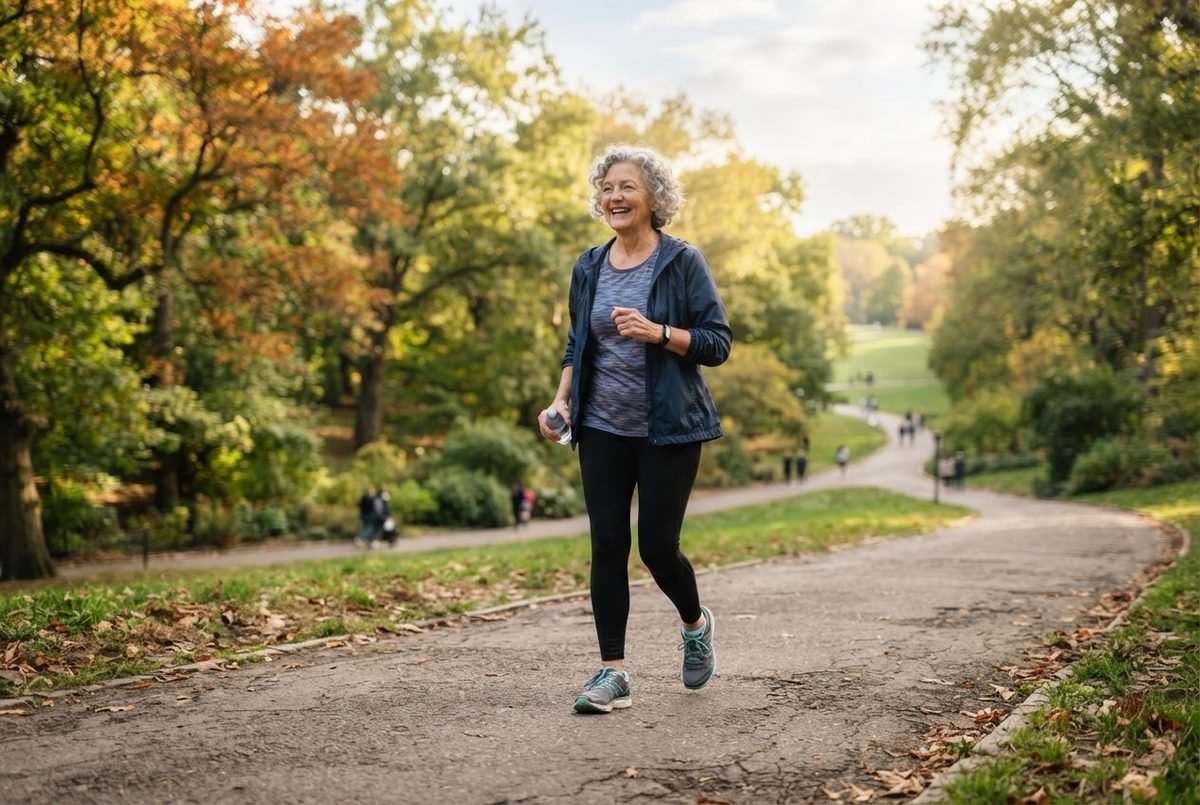
I’m not talking about running marathons. Brisk walking, swimming, or cycling most days can make a real difference. The research on aerobic exercise and arterial stiffness is not perfectly uniform, some studies show clear improvements in pressure from wave reflections while others are mixed [1]. But the overall weight of evidence favours regular aerobic movement to keep your arteries more flexible, especially as you get older. The effects of exercise appear to depend on the type, intensity, and duration, and many aspects remain unclear [1]. Consistency matters more than intensity. If you’re new to exercise, start with 10 minutes a day and build up gradually. Your arteries respond to the cumulative effect, not a single heroic effort. Even gardening or dancing counts as aerobic activity if it gets your heart rate up and you do it regularly. If you want to know how to reduce artery stiffness, start with a daily walk after lunch or dinner. It’s one of the simplest habits to stick with. If you’d like a full pattern to follow, read about the daily pattern that helps keep blood flow on your side.
What role do stress and sleep play?
Quality sleep plays an important role in the healing and repair of your heart and blood vessels. Aim for seven to nine hours a night [4]. Chronic stress, on the other hand, can take a toll on your heart. Managing stress is a powerful way to reduce artery stiffness. Steps like meditation, exercise, or talk therapy can reduce that load [4]. This is another piece of how to reduce artery stiffness that people often overlook. I’ve noticed that when I keep a consistent wind-down routine in the evening, avoiding screens and sipping herbal tea, my mornings feel calmer and my body seems to recover better. That’s my own experience, not a study finding, but it lines up with the general advice on sleep and stress.

5 easy tips to reduce artery stiffness
Here are five simple steps for how to reduce artery stiffness.
- Swap salty snacks for unsalted nuts or fresh fruit. Instead of chips or pretzels, reach for a handful of almonds or an apple. This small change cuts sodium and adds fibre. It’s a swap that doesn’t feel like deprivation. Over time, your taste buds adjust and you’ll start to appreciate the natural flavours of food.
- Take a brisk 30-minute walk after your largest meal. It aids digestion, helps control blood sugar, and gives your arteries a gentle workout. I find that walking with a friend makes it more enjoyable and helps me stay consistent. If 30 minutes feels like a lot, break it into two 15-minute walks.
- Add an extra serve of leafy greens to your plate each day. Spinach, kale, or silverbeet are packed with nutrients that support vessel health. Try sautéing them with garlic and olive oil for a simple side dish. The garlic and olive oil add flavour and healthy fats that your arteries love. Explore more foods for healthy arteries that fit a Mediterranean lifestyle.
- Set a consistent bedtime and aim for 7-9 hours of sleep. Your blood vessels repair themselves while you rest. Keep your bedroom cool and dark to improve sleep quality. Avoid caffeine late in the day if you have trouble falling asleep.
- Try meditation or talk therapy when stress builds up. Both are listed among the steps that can reduce stress and support heart health [4]. Even ten quiet minutes a day can help. You can start with a simple guided meditation online or a short walk in nature.
For a deeper look at how the Mediterranean way of eating helps, read about preventing arterial stiffness with the Mediterranean diet.
Related reading
- Protect Arteries After 50: The Daily Pattern That Helps Keep Blood Flow on Your Side: Daily habits that keep your blood vessels flexible.
- Healthy Blood Pressure Habits After 50: Small Changes Your Doctor Will Not Roll Their Eyes At: Simple tweaks that support healthy blood pressure.
- Foods for Healthy Arteries That Fit a Mediterranean Lifestyle: Mediterranean foods that nourish your arteries.
- Prevent Arterial Stiffness with the Mediterranean Diet: How the Mediterranean diet helps prevent stiff arteries.
Frequently asked questions
Does losing weight help reduce artery stiffness?
Yes, weight loss is listed among non-pharmacological interventions that reduce arterial stiffness, likely by lowering inflammation and blood pressure [1].
How quickly can lifestyle changes help?
The honest answer to how to reduce artery stiffness is that it takes steady effort, and the timeline varies by person. The research on exercise and pulse wave velocity is not uniform [1].
Can I reverse artery stiffness completely?
You cannot fully reverse age-related stiffening, but you can slow its progression and improve your arteries’ functional elasticity. Think of it as keeping them more supple than they would otherwise be.
Is walking enough exercise to make a difference?
Yes, regular brisk walking is an aerobic exercise that has been shown to reduce arterial stiffness and improve vascular tone, especially when done consistently [1].
Does the Mediterranean diet specifically help?
Its emphasis on vegetables, whole grains, fish, and healthy fats supports lower blood pressure and less inflammation. The diet’s anti-inflammatory nature matters, as inflammation contributes to arterial stiffening [5].
What about supplements for artery stiffness?
There is no strong evidence from these studies that any single supplement works as well as whole foods and regular exercise. Always speak with your doctor before starting any supplement, as some can interact with medications.

Honest take
I believe the most underrated tool for softer arteries is simply walking after meals and cutting back on packaged foods. If you’re wondering how to reduce artery stiffness, start with these two habits. It’s not flashy, but it works. The research backs it, and I’ve seen the difference in my own energy levels. Start there and build.
References
- Recommendations for Improving and Standardizing Vascular Research on Arterial Stiffness. 2015. https://pmc.ncbi.nlm.nih.gov/articles/PMC4587661/
- Arterial stiffness: A brief review. 2021. https://pmc.ncbi.nlm.nih.gov/articles/PMC8059465/
- Clinical Applications Measuring Arterial Stiffness: An Expert Consensus for the Application of Cardio-Ankle Vascular Index. 2022. https://pmc.ncbi.nlm.nih.gov/articles/PMC9088840/
- Mayo Clinic. Healthy aging. Accessed 2026. https://www.mayoclinic.org/healthy-lifestyle/healthy-aging/in-depth/aging/art-20046070?p=1
- The pathogenesis of arterial stiffness and its prognostic value in essential hypertension and cardiovascular diseases. 2009. https://pmc.ncbi.nlm.nih.gov/articles/PMC2683461/
Get well and stay well,
Ray Baker
