
By Ray Baker
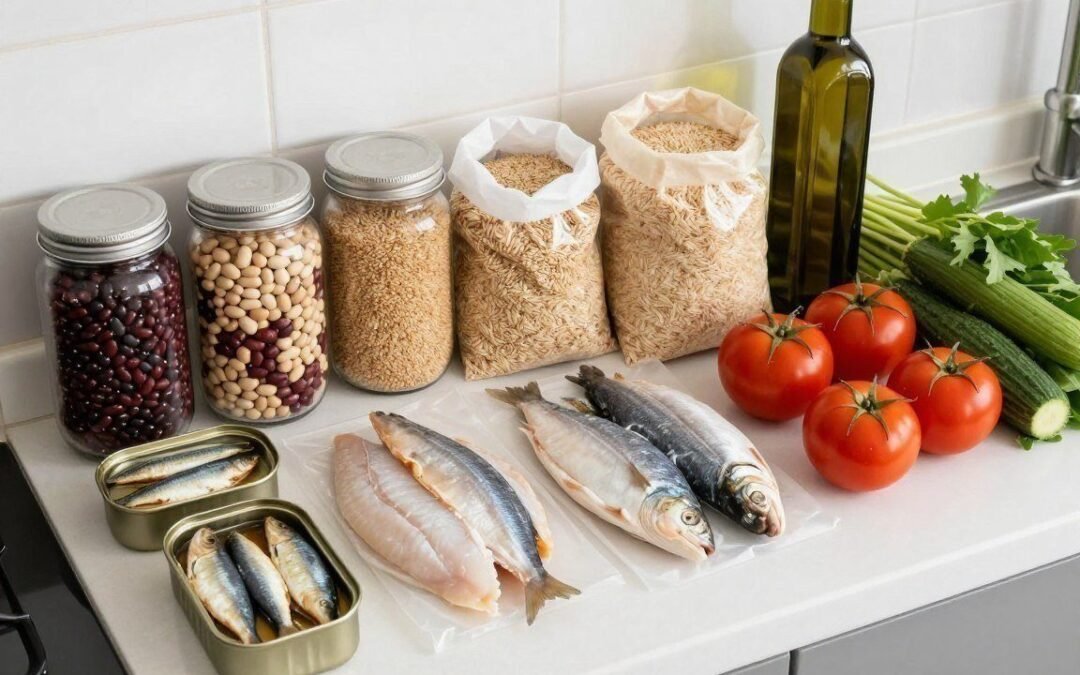
A study in the Archives of Internal Medicine found that people with the highest ratio of sodium to potassium in their diets had double the risk of dying of a heart attack than people with the lowest ratio [1]. The practical takeaway is not to fear salt with a spreadsheet. It is to put more everyday foods that relax blood vessels on your plate. Beets, leafy greens, fish, beans and a little garlic do the quiet work, and they all fit a Mediterranean way of eating. This is general information, not medical advice.
Which foods that relax blood vessels matter most?
The short list is potassium-rich vegetables and fruit, nitrate-rich beets and leafy greens, and omega-3-rich fish. Each supports blood vessel function in a slightly different way, so a mix of foods that relax blood vessels beats one hero ingredient. These foods fit everyday eating without exotic shopping.
If you take medicine that affects blood pressure or clotting, check with your doctor before making a big change.
Key takeaways
- Potassium helps muscles to contract and supports normal blood pressure [1].
- Beets are rich in dietary nitrates, which your body can convert to nitric oxide [2].
- Omega-3 fats also lower blood pressure and heart rate, and improve blood vessel function [3].
- The DASH eating plan requires no special foods and instead provides daily and weekly nutritional goals [4].
- The functions of sodium and potassium in the body are closely related and often studied together [1].
How does potassium help blood vessels?
Potassium and sodium are closely connected but push in opposite directions. High potassium intake can help relax blood vessels and excrete sodium while decreasing blood pressure [1]. High salt intake increases blood pressure, which can lead to heart disease [1]. The problem is the typical U.S. diet tilts heavily toward sodium: Americans average about 3,300 milligrams of sodium per day, about 75% of which comes from processed foods, while only getting about 2,900 milligrams of potassium each day [1]. That is not about a single salted meal; it is a daily pattern. More fresh vegetables and fruit, especially beans, spinach, tomatoes, bananas and oranges, gently shifts the balance. That daily tug-of-war is where foods that relax blood vessels do their quiet work.
The DASH eating plan from the National Institutes of Health puts that shift into friendly numbers: 4 to 5 servings of vegetables and 4 to 5 servings of fruit each day, 6 or less daily servings of meats, poultry, and fish, and 4 to 5 weekly servings of nuts, seeds, dry beans, and peas for a 2,000-calorie day [4]. No special foods are needed. I think of it as a plate half-full of vegetables, a palm-sized protein, and something beany or nutty most days. If you want a wider set of everyday choices, the guide to foods for better circulation walks through the same plate-level ideas.
Why do beets and leafy greens help?
Vegetables such as spinach and rocket, along with beetroot, are rich in natural nitrates. Nitric oxide is a vital molecule produced in your body that helps your blood vessels dilate to promote proper blood flow [2]. One small study in 38 adults showed beet juice raised nitric oxide levels by 21% after 45 minutes [2]. A separate 2016 study found 100 millilitres of beet juice increased nitric oxide in both men and women [2]. That does not mean you need juice every day. Roasted beets, a handful of rocket or silverbeet, or a beet and orange salad gives you the same family of nitrates in a meal. That is why beets and greens sit near the top of the list of foods that relax blood vessels.
If you are watching your budget, frozen spinach and canned beetroot work well. Drain and rinse canned beetroot to cut the liquid, and use frozen spinach in soups, eggs or a warm bean salad. Portion sense is simple: a small beet or half a cup of grated beetroot, or a loose handful of greens, is enough to matter without turning meals into a maths lesson.
What about omega-3s from fish?
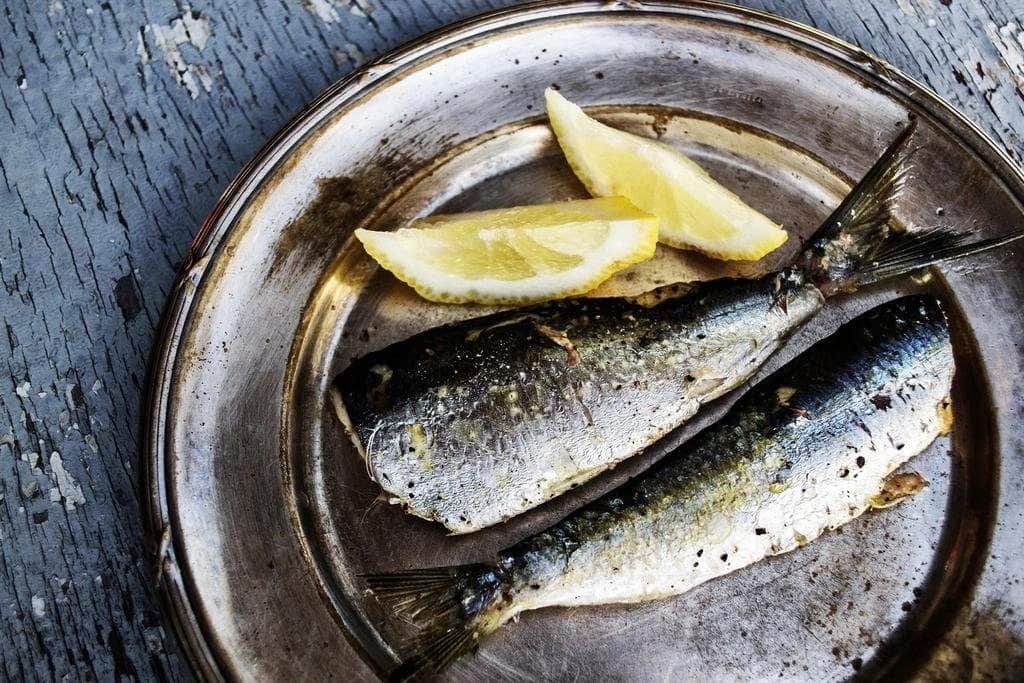
Omega-3 fats play a different part. They provide the starting point for making hormones that regulate blood clotting, contraction and relaxation of artery walls, and inflammation [3]. Omega-3 fats also lower blood pressure and heart rate, and improve blood vessel function [3]. The strongest evidence for benefit concerns heart disease [3]. Fish earns its place among foods that relax blood vessels for a different reason than beets do. Salmon, mackerel, tuna, herring, and sardines contain high amounts of EPA/DHA [3]. ALA is found in plant oils, nuts (especially walnuts), chia and flax seeds, and leafy vegetables; it can be converted into EPA and DHA, but the conversion rate is limited [3]. Canned sardines are a budget-friendly way to keep this habit after 50; they sit well on toast or tossed through a tomato salad. A couple of serves of fatty fish a week is a common pattern, but I would rather someone eat one realistic serve than quit because two feels like a chore. I prefer sardines on sourdough with a squeeze of lemon and a few capers; it takes five minutes. If your focus is artery walls, the guide to foods for healthy arteries works through the same everyday pattern without exotic ingredients.
What are 5 easy tips for daily meals?
One mistake I see is treating this as a supplement list. It works better as a plate pattern of foods that relax blood vessels. These are the five moves I would keep first if money and energy are tight.
- Start one meal with a potassium anchor: a cup of cooked beans, two handfuls of spinach, tomatoes, a small orange or roast pumpkin.
- Add a nitrate-rich green: rocket, silverbeet, baby spinach or a spoonful of grated beetroot, raw or gently cooked.
- Choose fish such as sardines, mackerel or salmon twice a week, and lean on beans or lentils on the other days.
- Cut the sodium source, not just the salt shaker: fewer processed soups, sauces, deli meats and salted snacks.
- Keep garlic in the rotation, but think food first and check with your doctor if you take blood-thinning medicine.
The DASH eating plan recommends eating vegetables, fruits, and whole grains and including fat-free or low-fat dairy products, fish, poultry, beans, nuts, and vegetable oils [4]. If money is tight, frozen spinach, dried beans, canned sardines and frozen fish do the same job. Perfection is not the goal; one tip kept all week beats five tried for two days.
Is garlic worth a place on the plate?
Garlic gets a lot of attention, and there is some real biology behind it. It can boost nitric oxide by activating the enzyme that helps convert the amino acid L-arginine to nitric oxide [2]. Both human and animal studies indicate that garlic’s ability to increase nitric oxide levels may have health benefits and can help lower blood pressure and improve exercise tolerance [2]. Limited evidence suggests that garlic supplements may reduce blood pressure to a small extent in people who have high blood pressure [5]. Garlic supplements may reduce levels of total cholesterol and low-density lipoprotein (LDL) cholesterol to a small extent in people who have high blood cholesterol levels [5]. I would not treat garlic as a daily medicine. I would use it generously in cooking because it makes vegetables and beans taste better, and any small support is a bonus. A whole head is cheap, keeps for weeks, and turns a plain can of beans into something I actually want to eat. Roasting a whole head with a little olive oil turns it soft and spreadable. Fresh raw garlic may not be safe when used topically and can cause severe skin irritation and chemical burns [5].
Related reading
- Foods for Better Circulation That Support Heart and Vessel Health: A wider list of everyday foods for steady blood flow
- Foods for Healthy Arteries That Fit a Mediterranean Lifestyle: How to support artery walls with Mediterranean staples
Frequently asked questions
Do beets work as well as medicine for blood pressure?
No. Food is not a stand-in for prescribed medicine. Beets are rich in dietary nitrates, which your body can convert to nitric oxide [2]. This is general information, not medical advice.
How much potassium should I aim for each day?
For women 19+, the AI is 2,600 mg daily; for men 19+, 3,400 mg [1]. This article offers general information only and is not a substitute for medical advice.
Are canned sardines as good as fresh salmon?
Salmon and sardines contain high amounts of EPA/DHA [3]. Canned sardines are convenient and budget-friendly, but choose versions with less added salt when you can. General information only.
Does cooking garlic reduce the benefit?
Garlic can boost nitric oxide levels by activating nitric oxide synthase, the enzyme that helps convert the amino acid L-arginine to nitric oxide. But using aged garlic extract or garlic oil is not the same as eating garlic [2]. Ordinary cooked garlic may still fit a healthy pattern, but the evidence for a strong single-food effect is limited. General information only.
What if I take a blood thinner?
Garlic supplements may increase the risk of bleeding, so tell your health care provider before using them, especially before surgery or if you take anticoagulants or aspirin [5]. General information, not medical advice.
Honest take
My honest take is that foods that relax blood vessels are not a mystery list. The real mistake is adding one magical juice while keeping a sodium-heavy processed-food pattern. Pick one potassium anchor, one nitrate-rich green, and one oily fish, and make that your ordinary week. That is the Mediterranean habit I would keep after 50.
References
- The Nutrition Source. Potassium. https://nutritionsource.hsph.harvard.edu/potassium/
- Healthline. The 10 Best Foods to Boost Nitric Oxide Levels. October 19, 2026. https://www.healthline.com/nutrition/nitric-oxide-foods
- The Nutrition Source. Omega-3 Fatty Acids: An Essential Contribution. https://nutritionsource.hsph.harvard.edu/what-should-you-eat/fats-and-cholesterol/types-of-fat/omega-3-fats/
- NHLBI, NIH. DASH Eating Plan. February 25, 2026. https://www.nhlbi.nih.gov/health/dash-eating-plan
- National Institutes of Health. Garlic: Usefulness and Safety. https://www.nccih.nih.gov/health/garlic
Get well and stay well,
Ray Baker
