

Remember when your favorite jeans fit perfectly? When you could eat sensibly and actually see results? Well, here’s something that might surprise you in the best possible way. The Mediterranean diet for menopause weight loss isn’t just another restrictive eating plan that leaves you hungry and frustrated. It’s a scientifically-backed approach that works with your changing body, not against it. This gentle, flavorful way of eating helps reduce stubborn belly fat, eases those annoying hot flashes, and gives you back the energy you thought menopause had stolen for good. No calorie counting. No misery. Just real food that actually tastes good and works for women going through the menopause transition.
Quick Answer
The Mediterranean diet for menopause weight loss emphasizes healthy fats like olive oil, lean protein from fish, plenty of vegetables and whole grains, which research shows helps reduce weight gain during the menopause transition. This eating pattern supports heart health, reduces hot flashes, protects bone density, and tackles belly fat by balancing hormones and reducing inflammation. Most women see changes within 4-6 weeks when combined with consistent meal planning and moderate activity (Harvard Health, 2023).
5 Key Takeaways About Mediterranean Diet for Menopause
- The Mediterranean diet naturally addresses menopause symptoms by reducing inflammation and supporting hormonal balance through healthy fats, especially olive oil and omega-3 rich fish
- Research shows this eating pattern helps reduce hot flashes and vasomotor symptoms while supporting heart health and bone density during the menopause transition
- Focus on nutrient-dense foods like vegetables, fruits, whole grains, fish, nuts, and seeds provides essential nutrients including vitamin D, calcium, and protein for muscle preservation
- The diet’s emphasis on healthy fats and fiber helps manage menopause belly fat by improving metabolism and reducing insulin resistance common in postmenopausal women
- A Mediterranean diet menopause meal plan is sustainable and enjoyable, making it easier to maintain long-term compared to restrictive dieting approaches
Why Your Body Needs a Different Approach During Menopause
Let’s be honest about something. The diet that worked brilliantly in your 30s probably feels like a cruel joke now. You eat the same foods, maybe even less, and somehow the weight creeps on anyway. Particularly around your middle, where it stubbornly refuses to budge.
This isn’t your imagination, and it’s definitely not your fault.
During menopause, your body goes through massive changes. Estrogen levels drop, which affects how your body stores fat and processes nutrients. Your metabolism shifts. Muscle mass naturally decreases. Even your sleep patterns change, which impacts everything from mood to weight management (Nutrients, 2024).

The brilliant thing about the Mediterranean diet is that it wasn’t designed as a weight loss gimmick. It evolved over centuries in coastal communities where people naturally stayed lean and healthy well into old age. The diet works with your body’s needs during this transition rather than fighting against them.
Women who adopt this eating pattern during menopause often report feeling better before they even see the scale move. More energy. Better sleep. Fewer hot flashes. Then the weight starts shifting, steadily and sustainably (Menopause, 2023).
What Makes the Mediterranean Diet Different for Menopausal Women
Here’s where things get interesting. The Mediterranean diet isn’t just about what you eat. It’s about how those foods interact with your changing hormones and metabolism.
The Science Behind Mediterranean Diet and Menopause Weight Loss
Research shows that menopausal women following a Mediterranean-style eating pattern experience significant benefits. A systematic review found that this diet helps reduce vasomotor symptoms like hot flashes while supporting healthy weight management (Journal of Women’s Health, 2023).
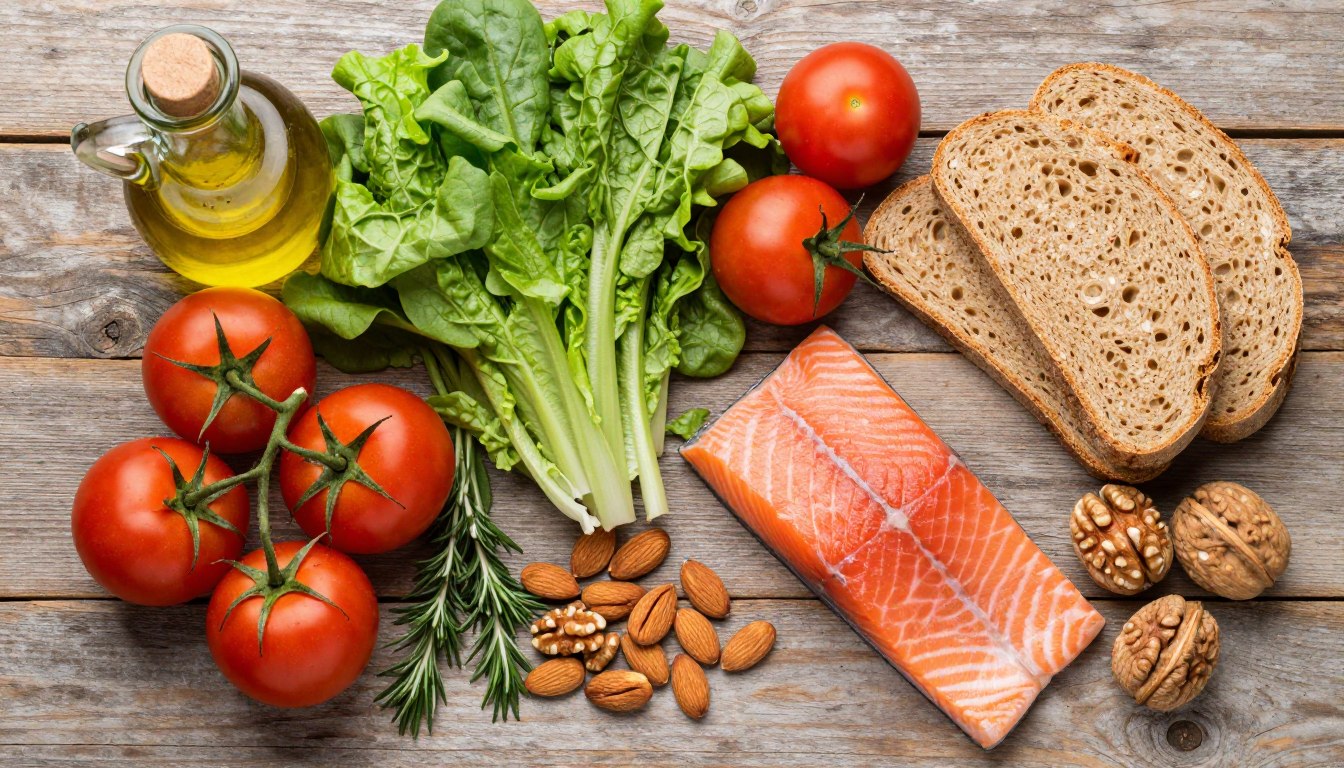
The magic happens through several mechanisms. The healthy fats in olive oil and fish help your body produce the right balance of hormones. The high fiber content from vegetables and whole grains keeps blood sugar stable, which helps reduce those energy crashes and cravings. The abundance of antioxidants fights inflammation, which tends to increase during menopause and contributes to weight gain.
Best Mediterranean Foods for Menopause Belly Fat
Not all Mediterranean foods are created equal when it comes to targeting that stubborn middle-age spread. Focus on these belly-fat fighters:
Healthy Fats That Heal
Your body needs fat to function properly, especially during menopause. The right fats actually help you lose weight.
- Extra virgin olive oil for daily cooking and dressings
- Fatty fish like salmon, sardines, and mackerel three times weekly
- Avocados for satisfying snacks and meals
- Nuts and seeds for protein and essential nutrients
Protein Powerhouses
Maintaining muscle mass becomes crucial during menopause. These protein sources support your metabolism and keep you feeling full.
- Wild-caught fish and seafood as primary protein
- Greek yogurt for bone health and gut support
- Legumes like chickpeas and lentils for fiber and protein
- Eggs for complete amino acids and vitamin D
Vegetables and Fruits
These provide essential nutrients, fiber, and antioxidants that help reduce hot flashes and support overall health during the menopause transition.
- Leafy greens daily for calcium and magnesium
- Colorful vegetables for antioxidants and fiber
- Berries for brain health and mood support
- Tomatoes for lycopene and heart health
Whole Grains and Fiber
Complex carbohydrates from whole grains keep blood sugar stable and provide sustained energy without the crashes.
- Quinoa for complete protein and fiber
- Oats for heart health and hormone balance
- Brown rice for sustained energy
- Whole grain bread in moderate portions
The beauty of these foods is they’re naturally satisfying. You won’t find yourself rummaging through the pantry an hour after eating. The combination of healthy fats, protein, and fiber keeps you genuinely full while providing nutrients your body desperately needs during this transition.
How the Mediterranean Diet Tackles Menopause Symptoms
Right, let’s talk about what this diet actually does for those frustrating menopause symptoms. Because losing weight is brilliant, but feeling human again? That’s the real prize.

Reducing Hot Flashes and Night Sweats
Research shows that women following a Mediterranean eating pattern experience fewer and less severe hot flashes compared to those eating typical Western diets (Menopause Journal, 2024). The anti-inflammatory properties of olive oil and omega-3 fats from fish appear to help reduce vasomotor symptoms significantly.
The mechanism makes sense. Hot flashes are partly triggered by inflammation and blood vessel changes. The Mediterranean diet’s emphasis on anti-inflammatory foods helps stabilize these responses. Plus, avoiding the blood sugar spikes from processed foods means fewer triggers overall.
Supporting Heart Health During Menopause
Here’s something important that doesn’t get talked about enough. Your heart disease risk increases substantially after menopause. The protective effect of estrogen diminishes, making heart health a critical priority.
The Mediterranean diet is probably the most heart-healthy eating pattern we know. Studies consistently show it helps reduce blood pressure, improve cholesterol levels, and decrease inflammation markers that contribute to cardiovascular disease (American Heart Association, 2023).
Important Note: Postmenopausal women following a Mediterranean diet showed a 25% reduction in cardiovascular disease risk compared to those following other dietary patterns, according to research published in Circulation (2023).
Protecting Bone Density and Muscle Mass
Losing muscle and bone density during menopause isn’t inevitable. It’s just what happens when we don’t give our bodies what they need. The Mediterranean diet provides essential nutrients for maintaining both.
The calcium from yogurt and leafy greens, vitamin D from fatty fish, magnesium from nuts and seeds, and protein from fish and legumes all work together to protect your bones and muscles. Combined with resistance exercise, this eating pattern helps preserve the lean tissue that keeps your metabolism humming along nicely.
Want more on the Mediterranean diet? Visit https://the-mediterranean-diet.com/
Creating Your Mediterranean Diet Menopause Meal Plan
Now for the practical bit. How do you actually eat this way without spending hours in the kitchen or breaking the bank? I’ll be honest, I’m Australian, and we’re not known for our patience with complicated recipes. We want simple, delicious, and effective.
Your Mediterranean Diet Grocery List for Menopause
Here’s your shopping guide. Screenshot this, save it to your phone, and take it to the market. No need to overthink it.
Mediterranean Diet Shopping List for Women Over 50
Healthy Fats and Oils:
- Extra virgin olive oil (buy a decent bottle, you’ll taste the difference)
- Avocados (2-3 for the week)
- Mixed nuts – almonds, walnuts, pistachios
- Ground flaxseed and chia seeds
Protein Sources:
- Salmon fillets or sardines (fresh or canned)
- White fish like cod or halibut
- Greek yogurt (full-fat, unsweetened)
- Eggs (free-range if possible)
- Chickpeas, lentils, and white beans
Fresh Vegetables:
- Leafy greens – spinach, kale, arugula
- Tomatoes (fresh and canned)
- Cucumbers, bell peppers, zucchini
- Broccoli and cauliflower
- Onions and garlic (lots of garlic)
Fruits:
- Berries – blueberries, strawberries, raspberries
- Lemons and oranges
- Apples and pears
- Fresh figs or dates (occasional treat)
Whole Grains:
- Quinoa and brown rice
- Rolled oats
- Whole grain bread (check ingredients)
- Whole wheat pasta (use sparingly)
Herbs and Seasonings:
- Fresh basil, oregano, rosemary
- Dried herbs for convenience
- Sea salt and black pepper
- Red wine vinegar and balsamic vinegar

7 Day Mediterranean Diet for Women Over 50
Here’s a simple week to get you started. Nothing fancy, just real food that works. Mix and match as you like. The idea is simplicity, not perfection.
Start Your Journey with Our Free 28-Day Program
Ready to take this further? Our free 28-Day Mediterranean Diet Maintenance Program gives you complete meal plans, shopping lists, and support specifically designed for women going through menopause. No catch, no credit card needed. Just practical guidance to help you succeed.
| Day | Breakfast | Lunch | Dinner | Snack |
| Monday | Greek yogurt with berries, walnuts, and a drizzle of honey | Mediterranean salad with chickpeas, cucumber, tomatoes, feta, olive oil dressing | Baked salmon with roasted vegetables and quinoa | Apple slices with almond butter |
| Tuesday | Oatmeal with sliced almonds, cinnamon, and fresh berries | Lentil soup with whole grain bread and side salad | Grilled chicken with Mediterranean vegetables, brown rice | Handful of mixed nuts |
| Wednesday | Scrambled eggs with spinach, tomatoes, whole grain toast | Tuna salad with white beans, olives, mixed greens | Baked cod with garlic, lemon, roasted broccoli, sweet potato | Carrot sticks with hummus |
| Thursday | Greek yogurt parfait with granola and fresh fruit | Quinoa bowl with roasted vegetables, chickpeas, tahini dressing | Mediterranean baked chicken with tomatoes, olives, whole grain couscous | Fresh berries with dark chocolate square |
| Friday | Whole grain toast with avocado, poached egg, cherry tomatoes | Greek-style stuffed peppers with ground turkey, brown rice | Grilled salmon with lemon-herb dressing, Mediterranean salad | Greek yogurt with cucumber and dill |
| Saturday | Mediterranean vegetable frittata with side of fresh fruit | Sardine salad with mixed greens, white beans, olive oil | Baked fish with tomato-olive tapenade, roasted vegetables | Sliced pear with walnuts |
| Sunday | Smoothie with Greek yogurt, berries, spinach, ground flaxseed | Mediterranean chicken wrap with hummus, vegetables in whole grain pita | Slow-cooked lamb with vegetables, quinoa pilaf (see recipe below) | Olives and cheese with whole grain crackers |
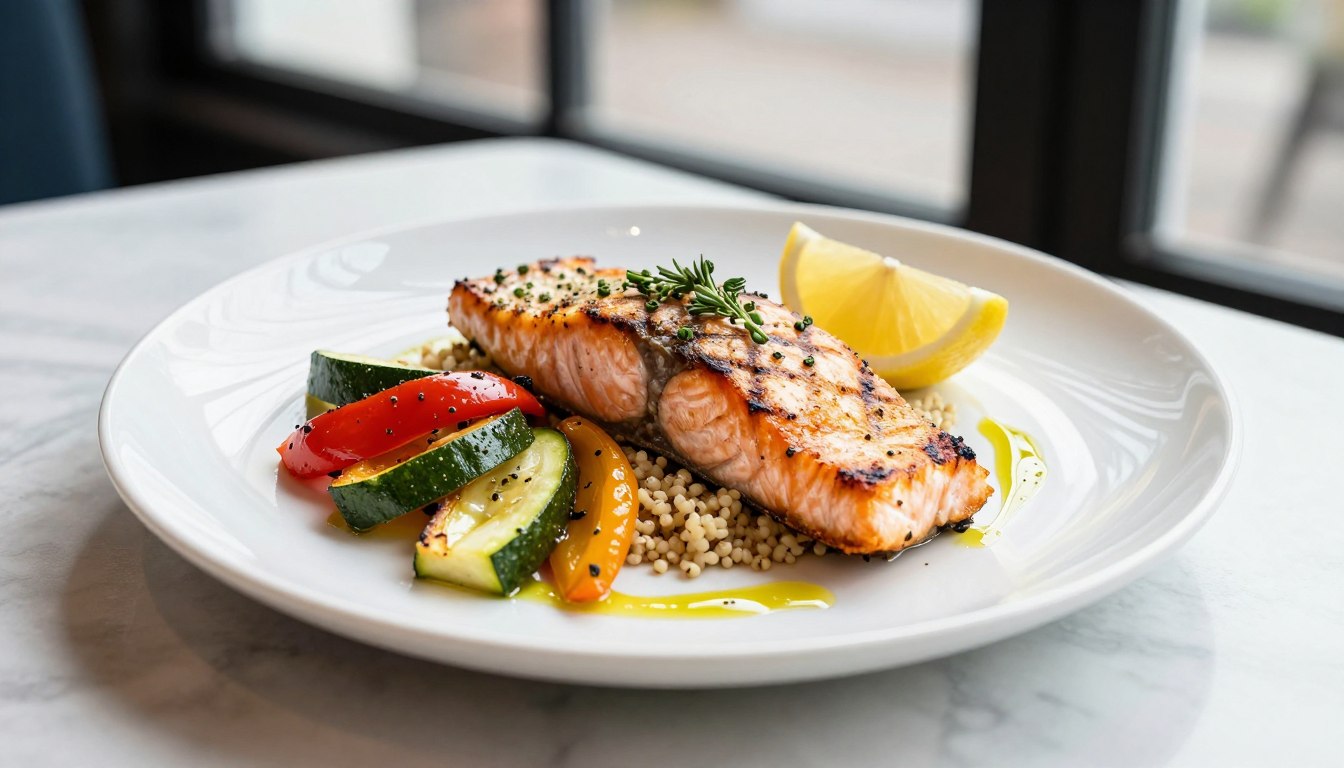
Mediterranean Comfort Food: Slow-Cooked Lamb with Vegetables
This is my go-to when I want something that feels like a proper meal without the fuss. Chuck it in the slow cooker in the morning, and come home to something that smells absolutely divine. Perfect for Sunday dinner or meal prep for the week.
Simple Mediterranean Lamb
Ingredients:
- 750g lamb shoulder, trimmed and cubed (or substitute chicken thighs for lighter option)
- 3 tablespoons extra virgin olive oil
- 1 large onion, roughly chopped
- 4 cloves garlic, minced
- 2 cups cherry tomatoes
- 1 cup chickpeas (drained if using canned)
- 2 zucchini, chunked
- 1 red bell pepper, chunked
- 1 cup vegetable stock
- 2 teaspoons dried oregano
- 1 teaspoon dried rosemary
- Salt and pepper to taste
- Fresh parsley for garnish
Instructions:
- Heat olive oil in a pan and brown the lamb pieces (or chicken) on all sides. Don’t skip this step, it adds flavor.
- Transfer meat to slow cooker. Add onion, garlic, tomatoes, chickpeas, and all vegetables.
- Pour in the stock, add herbs, season with salt and pepper. Give it a gentle stir.
- Cook on low for 6-8 hours or high for 4-5 hours until meat is tender and falling apart.
- Serve over quinoa or with crusty whole grain bread. Garnish with fresh parsley.
Simple Substitutions:
- Use chicken thighs instead of lamb for lower cost and different flavor
- Add eggplant or mushrooms if you prefer more vegetables
- Replace chickpeas with white beans for variety
- Use fresh tomatoes instead of cherry tomatoes when in season
Nutrition Note: This recipe provides excellent protein for muscle maintenance, healthy fats from olive oil, fiber from vegetables and chickpeas, plus essential nutrients for bone health. One serving offers approximately 350 calories with 28g protein, making it ideal for menopause weight management.
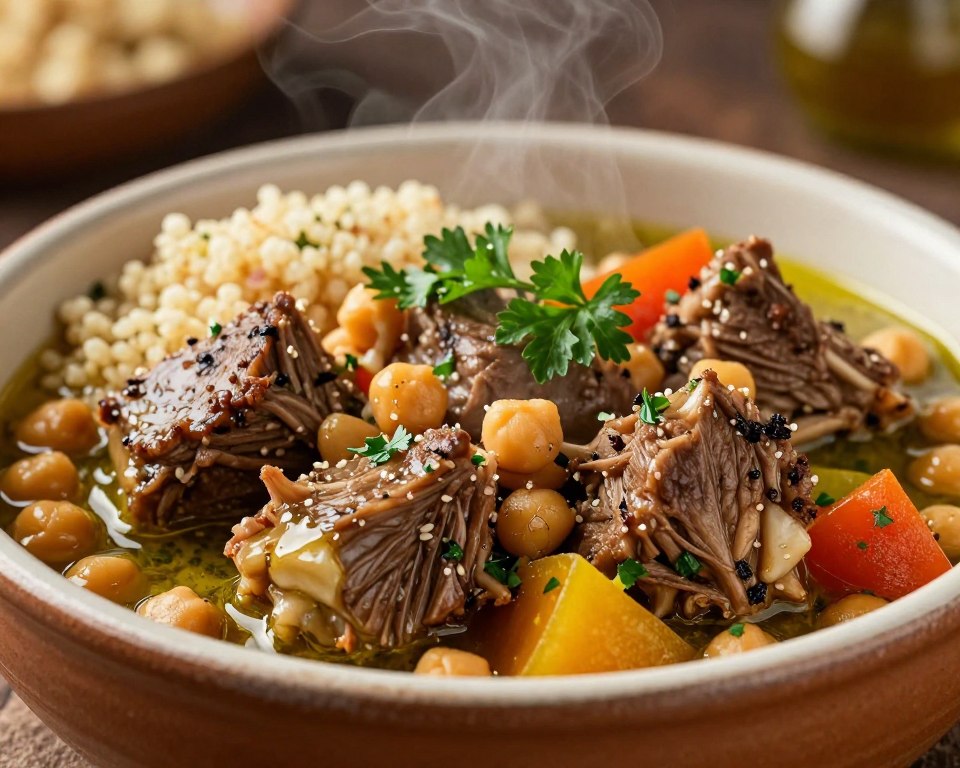
Making the Mediterranean Diet Work in Real Life
Look, we’re not living in a Greek village where fresh fish arrives at the dock each morning. We’ve got jobs, responsibilities, and sometimes the energy of a wet dishrag. Here’s how to make this work without turning into a full-time chef.
Meal Prep Strategies That Actually Work
Spend two hours on Sunday preparing the basics, and you’ll eat well all week without thinking about it. Cook a big batch of quinoa or brown rice. Roast a tray of vegetables. Grill several portions of chicken or fish. Chop vegetables for salads and store them properly.
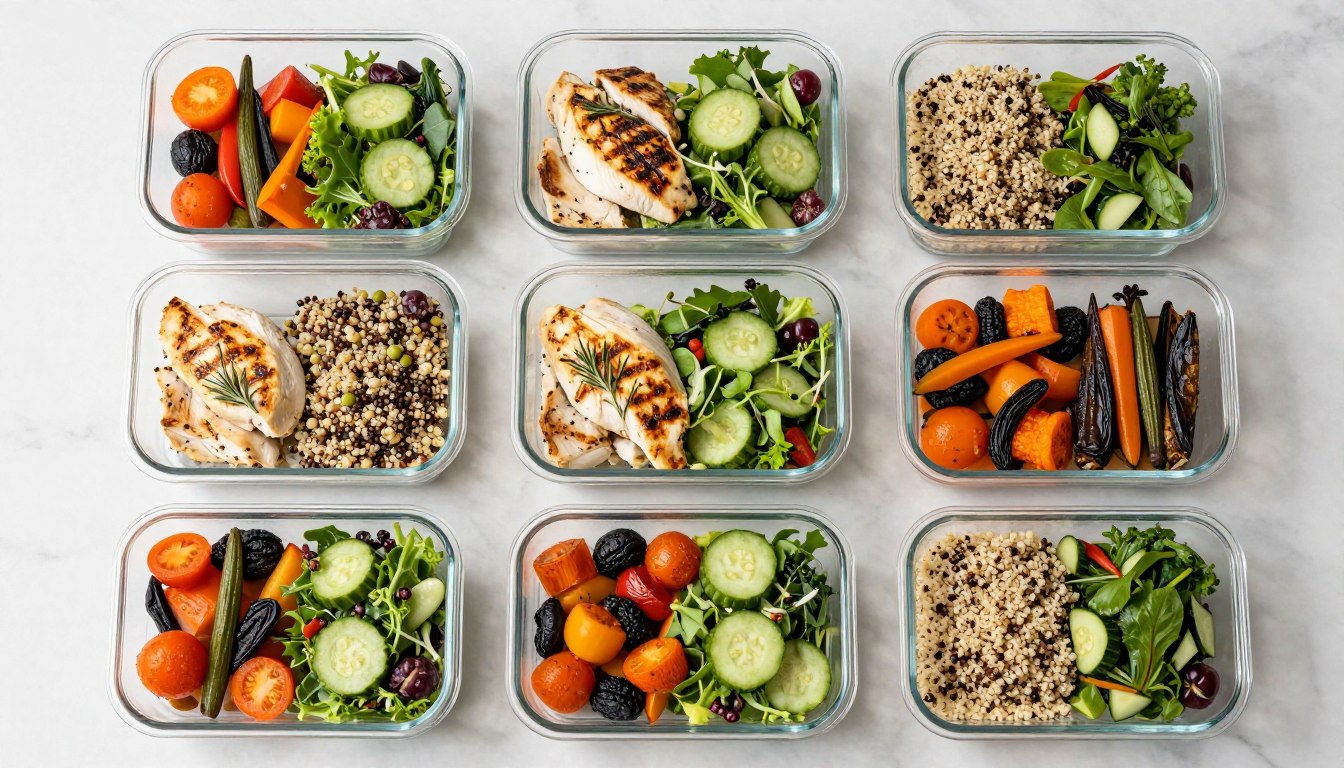
Keep your pantry stocked with basics like canned chickpeas, quality canned tomatoes, olive oil, and dried herbs. These staples mean you can throw together a proper meal even when you forgot to plan ahead.
Managing Social Situations and Eating Out
The Mediterranean diet is probably the easiest eating pattern to maintain socially. Most restaurants have grilled fish, salads with olive oil dressing, and vegetable sides. Just avoid the bread basket if you can, or limit yourself to one piece.
At social gatherings, fill your plate with vegetables, lean protein, and small portions of whole grains. Skip the processed snacks and desserts most of the time. When you do indulge, enjoy it without guilt and get back on track at your next meal.
Combining Diet with Movement for Better Results
The Mediterranean lifestyle traditionally includes regular movement. Nothing extreme, just consistent activity. Walking, swimming, yoga, or resistance training all complement this eating pattern beautifully.
For menopausal women, resistance training becomes particularly important for maintaining muscle mass and bone density. Aim for at least two sessions weekly alongside regular walking or other activities you actually enjoy.
For more guidance on exercise during menopause, check out our complete guide to strength training for women over 50, which pairs perfectly with Mediterranean eating patterns.
Overcoming Common Obstacles on Your Mediterranean Diet Journey
Right, let’s address the elephant in the room. Or rather, the various elephants that tend to stomp all over our best intentions.

Dealing with Cravings and Emotional Eating
Menopause can mess with your mood something terrible. One minute you’re fine, the next you’re face-down in a packet of biscuits wondering what happened. The hormonal changes during this transition genuinely affect neurotransmitters that regulate mood and appetite.
The Mediterranean diet helps stabilize these fluctuations through steady blood sugar and nutrients that support brain health. The omega-3 fats from fish help with mood regulation. The complex carbohydrates provide serotonin support without the crash.
When cravings hit, try this: Wait 10 minutes. Drink a glass of water. If you’re still genuinely hungry, have something with protein and healthy fats like Greek yogurt with nuts or vegetables with hummus. Often the craving will pass, but if it doesn’t, you’ve given your body something nourishing.
When the Scale Won’t Budge
Sometimes you’re doing everything right and the scale refuses to cooperate. This is incredibly frustrating, but it’s also completely normal during menopause. Your body might be recomposing, losing fat while maintaining or even building muscle, which won’t show up as dramatic weight loss.
Focus on non-scale victories. How do your clothes fit? How’s your energy? Are your hot flashes better? Is your mood more stable? These matter more than the number on the scale. Research shows that postmenopausal women who focus on health markers rather than just weight tend to maintain better long-term results (American Journal of Clinical Nutrition, 2024).
Managing Family Resistance
Sometimes your biggest challenge isn’t your own willpower, it’s cooking for people who think they need meat and potatoes at every meal. The good news is that Mediterranean food is genuinely delicious, so most people enjoy it once they try it.
Start gradually. Add Mediterranean meals a few nights a week rather than overhauling everything overnight. Most families love dishes like the lamb recipe above or simple grilled fish with roasted vegetables. Keep some familiar elements while shifting the overall pattern.
Share This With Someone Who Needs It
Know someone struggling with menopause weight gain? Send them this simple message:
“Hey! I found this really helpful guide about using the Mediterranean diet for menopause weight loss. It’s not another restrictive diet, just a simple way of eating that actually helps with hot flashes, energy, and that stubborn belly fat. Thought you might find it useful. The 7-day meal plan is particularly good for getting started without overthinking it.”

The Mediterranean Lifestyle: Beyond Just Food
Here’s something worth mentioning. The Mediterranean approach to life extends beyond what’s on your plate. The traditional Mediterranean lifestyle includes regular social connection, adequate sleep, stress management, and daily movement.
Research indicates that women who adopt the complete lifestyle pattern, not just the diet, experience better outcomes with menopause symptoms and weight management (Nutrients, 2024). The social aspects matter. Eating meals with others, taking time to prepare and enjoy food, managing stress through community connection all contribute to better health outcomes.

This doesn’t mean you need to move to Italy or Greece, though that sounds lovely. It means prioritizing connection, managing stress consciously, getting proper sleep, and treating mealtimes as something more than fuel stops between activities.
Sleep and the Mediterranean Diet
Poor sleep is a massive issue during menopause, and it directly impacts weight gain and overall health. Interestingly, the Mediterranean diet appears to support better sleep quality in menopausal women, possibly due to its anti-inflammatory properties and the inclusion of foods that support melatonin production (Sleep Medicine, 2023).
The magnesium from nuts and leafy greens, the omega-3 fats from fish, and the complex carbohydrates from whole grains all contribute to better sleep architecture. Avoiding heavy meals late at night while following this eating pattern also helps with the hot flashes that disrupt sleep.
Creating Sustainable Change for Long-Term Success
The thing about the Mediterranean diet for menopause weight loss is that it’s not meant to be a temporary fix. It’s a sustainable pattern you can maintain for life because it’s based on real food that actually tastes good.
Ready to Make This Your New Normal?
Our free 28-Day Mediterranean Diet Maintenance Program takes you beyond the basics with complete meal plans, shopping guides, and practical strategies designed specifically for women navigating menopause. Join thousands of women who’ve transformed their relationship with food and their bodies.

Most women who stick with this approach report that after a few weeks, they stop thinking of it as a diet at all. It just becomes how they eat. The foods are satisfying, the flavors are excellent, and the results speak for themselves.
Track your progress through how you feel, not just what the scale says. Keep a journal noting your energy levels, hot flash frequency, sleep quality, mood, and how your clothes fit. These comprehensive markers give you a much better picture of your health than weight alone.
Frequently Asked Questions About Mediterranean Diet for Menopause
How quickly will I see weight loss results on a Mediterranean diet during menopause?
Most women notice changes in how they feel within the first two weeks, with better energy and fewer hot flashes. Visible weight loss typically appears within 4-6 weeks of consistent adherence. During menopause, weight loss tends to be slower than in younger years, averaging 1-2 pounds weekly, but the results are more sustainable and come with significant health benefits beyond the scale (Nutrients, 2024).
Can the Mediterranean diet help reduce menopause belly fat specifically?
Yes, research shows the Mediterranean diet is particularly effective at reducing visceral belly fat in postmenopausal women. The combination of healthy fats, fiber, and anti-inflammatory foods helps reduce insulin resistance and cortisol levels, both of which contribute to abdominal fat storage during menopause. Studies indicate significant reductions in waist circumference within 12 weeks of following this eating pattern (Journal of Clinical Endocrinology, 2023).
What are the best Mediterranean foods for reducing hot flashes?
Fatty fish rich in omega-3s like salmon and sardines appear most effective for reducing vasomotor symptoms. The healthy fats in olive oil, avocados, nuts, and seeds also help. Whole grains provide phytoestrogens that may ease symptoms. Research shows menopausal women consuming fish three times weekly experience up to 40% fewer hot flashes compared to those eating fish less frequently (Menopause Journal, 2024).
Is the Mediterranean diet expensive to follow?
Not necessarily. While quality olive oil and fresh fish can cost more initially, the diet emphasizes affordable staples like legumes, seasonal vegetables, whole grains, and eggs. Canned fish like sardines and tuna offer budget-friendly protein. Many women find they save money by eliminating processed foods, takeaways, and meat-heavy meals. Shopping seasonally and buying in bulk for pantry staples makes the diet quite affordable.
Can I still eat dairy on a Mediterranean diet for menopause?
Absolutely. The Mediterranean diet includes moderate amounts of dairy, particularly Greek yogurt and cheese, which provide calcium and protein crucial for bone health during menopause. Full-fat versions are fine and often more satisfying. Greek yogurt is especially beneficial as it contains probiotics that support gut health and may help with weight management. Aim for 2-3 servings daily of quality dairy products.
How much olive oil should I consume daily for menopause health benefits?
Research suggests 2-4 tablespoons of extra virgin olive oil daily provides optimal health benefits during menopause. This amount helps reduce inflammation, supports heart health, and aids in nutrient absorption. Use it for cooking at moderate temperatures, in salad dressings, and drizzled over finished dishes. Choose quality extra virgin olive oil for maximum antioxidant content and health benefits.
Will the Mediterranean diet help with menopause-related mood swings and anxiety?
Yes, substantial evidence indicates the Mediterranean diet supports mental health during menopause. The omega-3 fats from fish, B vitamins from whole grains, magnesium from nuts and leafy greens, and antioxidants from fruits and vegetables all contribute to better mood regulation and reduced anxiety. Women following this eating pattern report significantly improved mood stability compared to those eating typical Western diets (Nutritional Neuroscience, 2023).
Can I combine the Mediterranean diet with intermittent fasting during menopause?
Many women successfully combine Mediterranean eating with time-restricted eating, typically using a 14-16 hour overnight fast. This approach may enhance weight loss and metabolic benefits. However, extreme fasting can worsen menopause symptoms like hot flashes and energy crashes in some women. Start gradually, listen to your body, and prioritize getting adequate nutrients during your eating window. Consult your healthcare provider before beginning any fasting regimen.
Your Next Steps Toward Better Health
Right then, you’ve got the information. You understand why the Mediterranean diet works for menopause weight loss, you’ve got a meal plan to start with, and you know what to buy at the shops.

The thing is, knowledge without action changes nothing. Start small if you need to. Maybe commit to one Mediterranean-style meal daily this week. Add an extra serving of vegetables. Swap your usual cooking oil for olive oil. Small changes compound over time.
Remember, this isn’t about perfection. It’s about progress. Some days will be brilliant, and some days you’ll eat whatever’s quickest because life happens. That’s completely fine. The Mediterranean diet is forgiving precisely because it’s designed to be a lifestyle, not a punishment.
Your body deserves nourishment, not restriction. During menopause, when everything feels like it’s changing beyond your control, reclaiming your health through simple, delicious food is genuinely empowering. You’ve got this.
The research is clear. The benefits extend far beyond weight loss. Better heart health, stronger bones, improved mood, reduced hot flashes, more energy, and a genuine enjoyment of food again. That’s what the Mediterranean diet offers to women navigating menopause.
So grab that shopping list, screenshot the meal plan, and take the first step. Your future self will thank you for starting today rather than waiting for the perfect moment that never comes.
Medical Disclaimer
The information provided in this article is for educational purposes only and is not intended as medical advice. Always consult with your healthcare provider before making significant dietary changes, especially if you have existing health conditions, take medications, or are undergoing hormone replacement therapy. Individual results may vary, and what works for one person may not be suitable for another. This content does not replace professional medical guidance tailored to your specific circumstances.
References
- Harvard Health Publishing (2023) – Mediterranean Diet and Women’s Health
- Nutrients (2024) – Dietary Patterns During Menopause Transition
- Menopause Journal (2023) – Mediterranean Diet Effects on Vasomotor Symptoms
- Journal of Women’s Health (2023) – Nutrition and Menopause Weight Management
- American Heart Association (2023) – Heart Disease Prevention in Postmenopausal Women
- Circulation (2023) – Cardiovascular Benefits of Mediterranean Eating Patterns
- American Journal of Clinical Nutrition (2024) – Weight Management Strategies for Menopausal Women
- Sleep Medicine (2023) – Diet and Sleep Quality in Menopause
- Journal of Clinical Endocrinology (2023) – Visceral Fat Reduction Through Dietary Intervention
- Nutritional Neuroscience (2023) – Mediterranean Diet and Mental Health
