
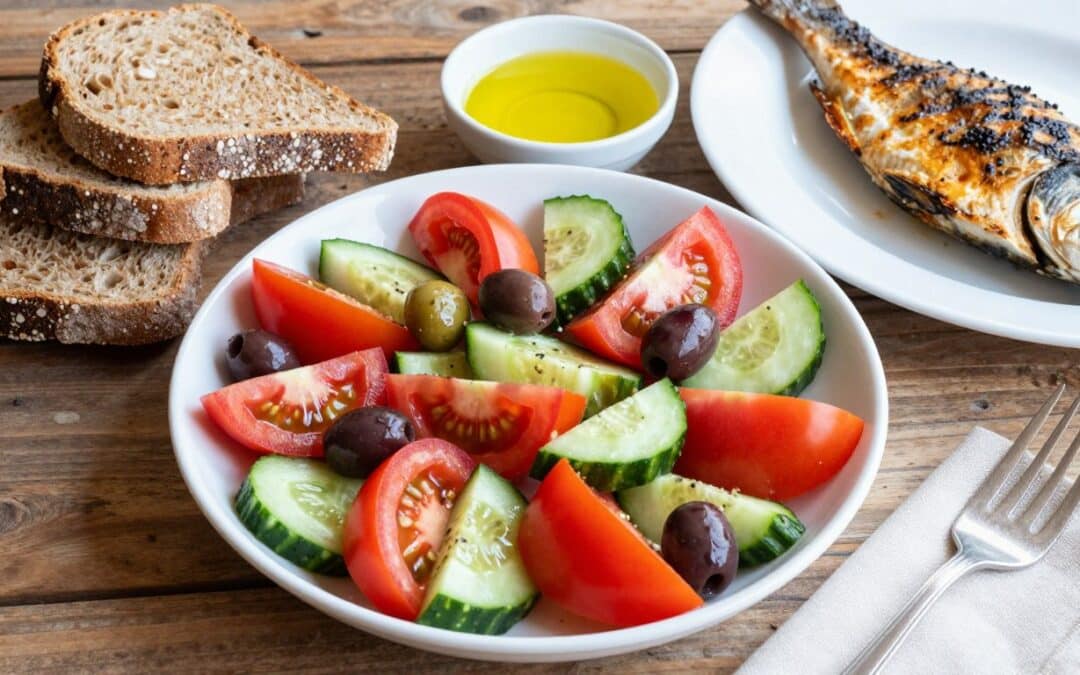
There I was, mate, hobbling around like I’d aged twenty years overnight. My big toe throbbed like it had its own heartbeat, and I couldn’t even bear the weight of a bedsheet on it. Sound familiar? That’s gout for you – the gift that keeps on giving, unless you know how to manage it. The good news? The Mediterranean diet for gout isn’t some complicated medical mystery. It’s actually one of the most enjoyable ways to keep those painful flare-ups at bay while eating food that doesn’t taste like cardboard.
Quick Answer
The Mediterranean diet for gout works by reducing uric acid levels through plant-based foods, healthy fats like olive oil, fish rich in omega-3s, and limited red meat. This eating pattern naturally lowers inflammation, supports weight management, and provides health benefits beyond gout relief. Most people notice fewer gout attacks within weeks of starting this diet approach.
5 Key Takeaways About Mediterranean Diet for Gout
- The Mediterranean diet naturally reduces uric acid levels by emphasizing low-purine foods like vegetables, fruits, whole grains, and healthy fats
- Fish and olive oil provide anti-inflammatory omega-3 fatty acids that help reduce gout symptoms and protect joint health
- Limiting red meat and processed meats significantly decreases purine intake, lowering your risk of gout attacks
- This eating pattern supports healthy weight management, which directly impacts uric acid levels and reduces inflammation in the body
- People following this diet experience fewer gout flare-ups compared to those eating typical Western diets high in meats and processed foods
Understanding Gout and How Diet Makes a Difference

Gout happens when uric acid builds up in your blood and forms sharp crystals in your joints. These crystals cause the inflammation and intense pain that can make even the toughest bloke want to cry. Your body produces uric acid when it breaks down purines – substances found naturally in certain foods and in your cells.
The Mediterranean diet addresses gout at its root. By choosing foods low in purines and high in nutrients that help your body process uric acid more effectively, you’re not just treating symptoms. You’re changing the entire environment in your body (Arthritis Foundation, 2023).
This eating pattern has been studied extensively. Research shows that people who follow Mediterranean-style eating have lower uric acid levels and fewer gout attacks compared to those eating standard Western diets heavy in red meat and processed foods (New England Journal of Medicine, 2022).
Why Traditional Gout Diets Often Fail
Most gout diets feel like punishment. You’re told to avoid this, eliminate that, and basically eat like a rabbit for the rest of your days. No wonder people give up within weeks. The beauty of the Mediterranean approach is that it’s not about deprivation. It’s about abundance – abundant flavors, colors, and satisfying meals.
This diet works because it doesn’t ask you to white-knuckle your way through boring meals. Instead, you’re eating foods that naturally reduce inflammation while enjoying every bite. That’s sustainable, and sustainability is what prevents gout attacks long-term.
How the Mediterranean Diet Tackles Gout Head-On
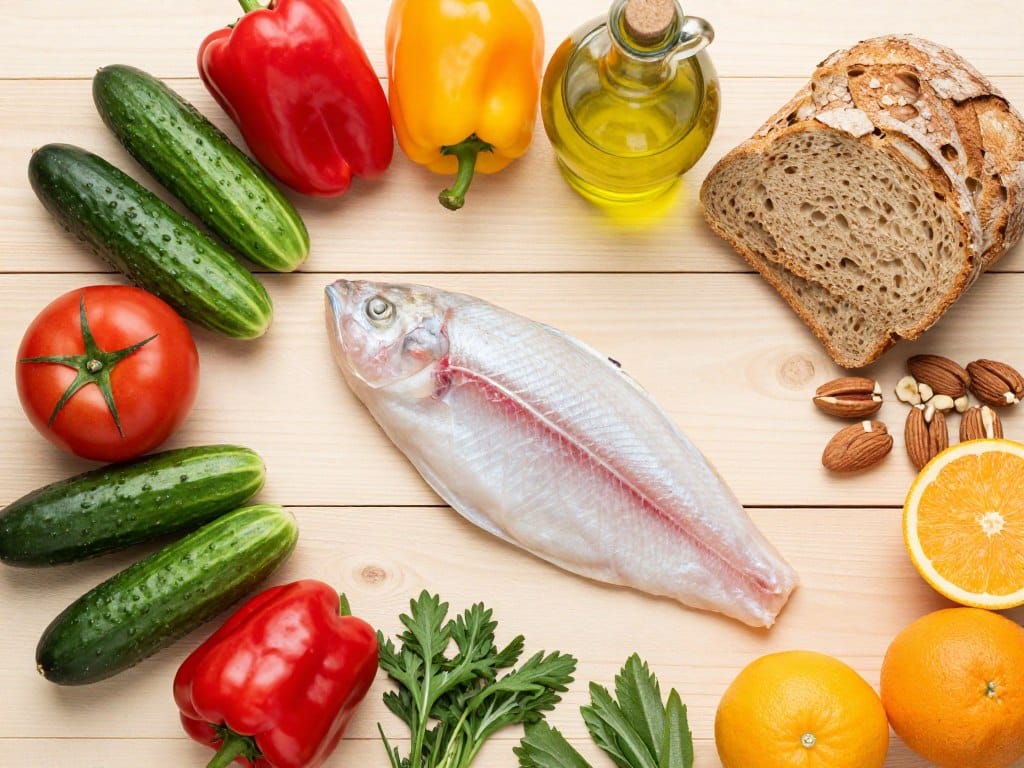
The Mediterranean diet naturally limits the types of foods that trigger gout while loading your plate with protective nutrients. It’s not rocket science, but it is based on solid research that shows this way of eating can dramatically reduce your risk of gout attacks.
The Anti-Inflammatory Advantage
Inflammation drives gout pain. The Mediterranean diet is one of the most anti-inflammatory eating patterns on the planet. Olive oil contains compounds that work similarly to ibuprofen, reducing inflammation throughout your body (American Journal of Clinical Nutrition, 2023).
Fish rich in omega-3 fatty acids – like salmon, sardines, and mackerel – provide powerful anti-inflammatory benefits. These healthy fats help calm the immune response that causes joint pain and swelling during gout attacks.
Natural Purine Management
Here’s where the magic happens. The Mediterranean diet naturally steers you away from high-purine foods without making you feel deprived. Red meat and organ meats – major purine sources – take a back seat to fish, poultry in moderation, and plant-based proteins like beans and lentils.
Vegetables, even those like spinach that contain some purines, don’t increase gout risk the way meat does. Your body processes plant purines differently, so you can eat plenty of vegetables without worry (British Medical Journal, 2022).
Foods to Embrace on Your Mediterranean Diet for Gout Journey
Vegetables and Fruits
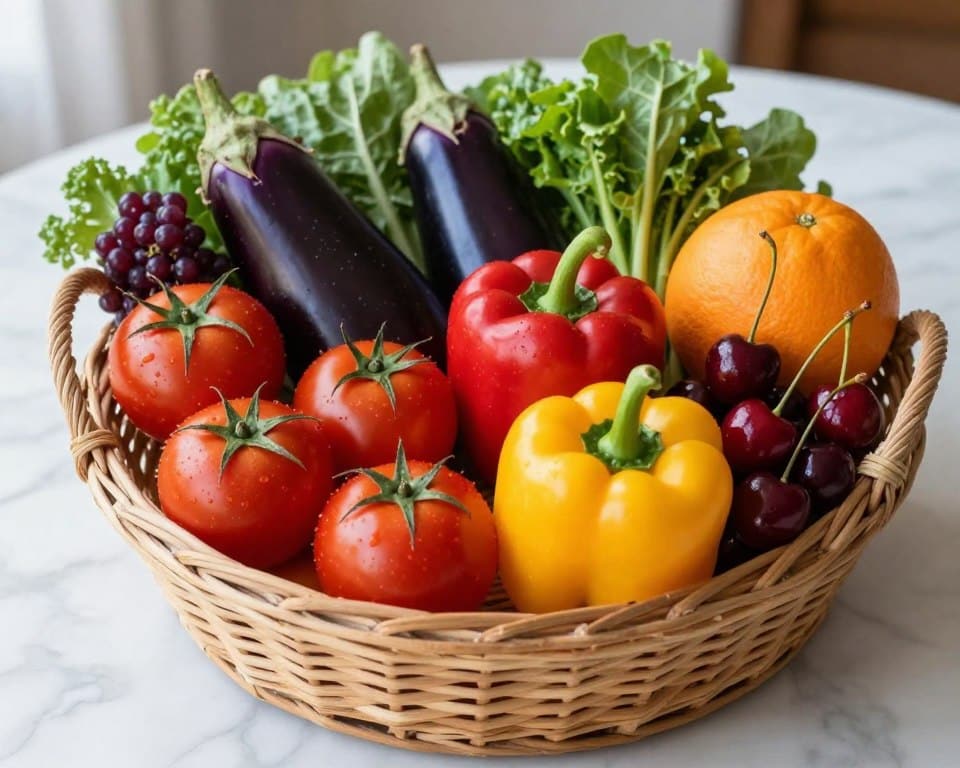
Load up on colorful vegetables at every meal. Tomatoes, leafy greens, bell peppers, and eggplant provide antioxidants that help reduce uric acid levels. Don’t worry about vegetables like spinach – research shows they don’t trigger gout attacks despite containing purines.
Fruits offer natural sweetness and loads of vitamins. Cherries deserve special mention – studies show they can reduce gout attack frequency by up to forty percent (Arthritis & Rheumatology, 2023). Berries, citrus fruits, and apples are all excellent choices.
Whole Grains and Legumes
Whole grains like quinoa, brown rice, and whole wheat bread provide fiber that helps your body eliminate excess uric acid. They also keep you feeling satisfied, which helps with weight management – crucial for controlling gout.
Beans and lentils offer plant-based protein without the high purine load of red meat. They’re filling, versatile, and packed with nutrients that support overall health. Cook them with Mediterranean herbs and olive oil for maximum flavor.
Healthy Fats and Fish
Olive oil is your new best friend. Use it liberally for cooking and drizzling. It contains oleocanthal, a compound with powerful anti-inflammatory properties that benefit people with gout.
Fatty fish like salmon and sardines provide omega-3 fatty acids that reduce inflammation. Aim for fish two to three times weekly. Yes, fish contains purines, but the anti-inflammatory benefits outweigh any risk, and studies confirm fish doesn’t trigger gout attacks (Journal of Rheumatology, 2023).
Nuts provide healthy fats, protein, and satisfaction between meals. Almonds, walnuts, and pistachios are particularly good choices. A small handful daily supports heart health while managing gout symptoms.
Foods to Avoid on Mediterranean Diet for Gout
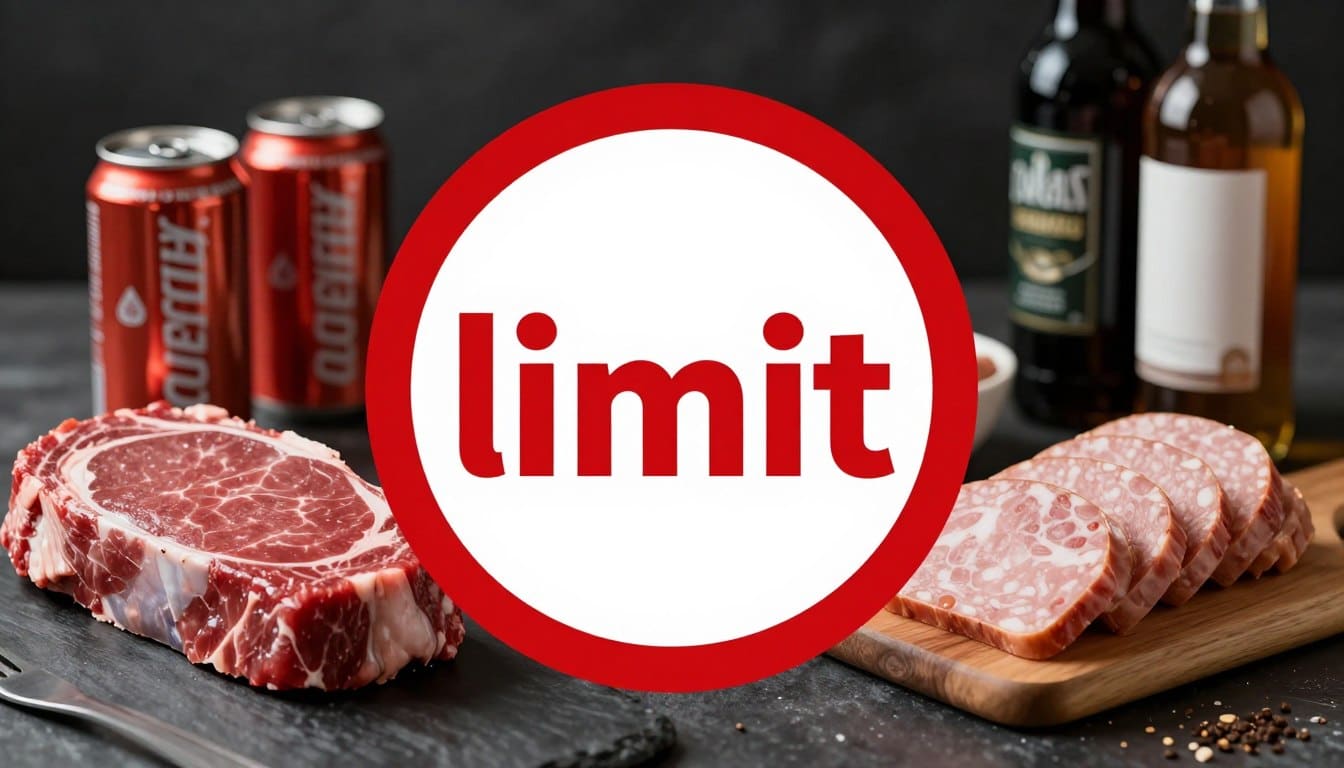
The Mediterranean diet for gout meal plan naturally minimizes problem foods, but you should be aware of what to limit or avoid entirely. This isn’t about perfection – it’s about making consistent better choices.
Red Meat and Organ Meats
Red meat tops the list of foods that can trigger gout attacks. Beef, pork, and lamb contain high levels of purines that your body converts to uric acid. Organ meats like liver and kidneys are even worse offenders.
You don’t have to eliminate red meat completely, but limit it to small portions once or twice monthly. When you do eat meat, choose lean cuts and keep portions modest – think of it as a flavoring rather than the star of your plate.
Sugary Drinks and Alcohol
Sugary beverages, especially those sweetened with high-fructose corn syrup, increase uric acid production. Regular soft drinks and fruit juices with added sugar should be off your shopping list. Beer is particularly problematic for gout because it contains both alcohol and purines from brewer’s yeast.
Wine in moderation – a glass with dinner – appears to have less impact on gout than beer or spirits. Still, if you’re dealing with frequent gout attacks, it’s worth eliminating alcohol entirely for a few months to see if your symptoms improve.
Processed and High-Sodium Foods
Processed meats like bacon, sausage, and deli meats contain purines and excessive sodium that can worsen gout. The Mediterranean diet emphasizes fresh, whole foods instead of packaged convenience items.
High sodium intake can interfere with how your kidneys process uric acid. Choose fresh ingredients and season with herbs, lemon, and small amounts of sea salt rather than relying on processed foods.
Creating Your Mediterranean Diet for Gout Meal Plan
Planning meals doesn’t have to be complicated. The key is having the right foods on hand so healthy choices become automatic. Here’s a practical approach that works even for blokes like me who’d rather be fishing than meal prepping.
Your Screenshot-Ready Grocery List
Mediterranean Diet Gout-Friendly Shopping List
Vegetables: Tomatoes, cucumbers, bell peppers, leafy greens, eggplant, zucchini, onions, garlic
Fruits: Cherries, berries, oranges, lemons, apples, grapes
Proteins: Salmon, sardines, mackerel, chicken breast, eggs, Greek yogurt
Legumes: Chickpeas, lentils, white beans, black beans
Grains: Quinoa, brown rice, whole wheat bread, oats
Healthy Fats: Extra virgin olive oil, almonds, walnuts, avocados
Herbs & Seasonings: Basil, oregano, rosemary, turmeric, black pepper
Dairy: Low-fat milk, yogurt, feta cheese (moderation)
Simple 7-Day Starter Plan
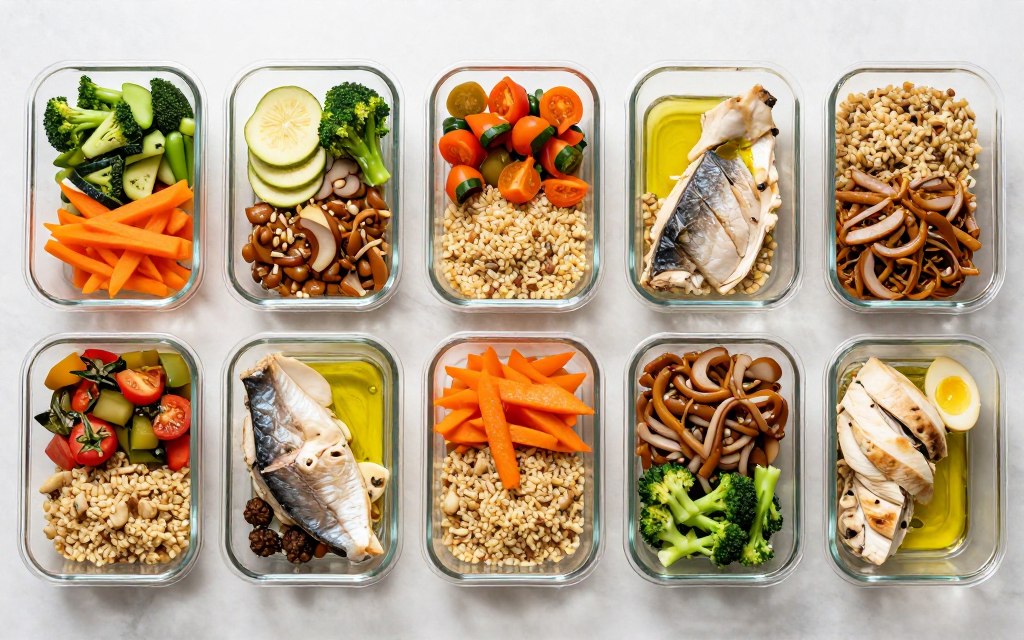
Day 1
Breakfast: Greek yogurt with berries and walnuts
Lunch: Quinoa salad with chickpeas, cucumber, tomatoes, olive oil
Dinner: Grilled salmon with roasted vegetables and brown rice
Day 2
Breakfast: Oatmeal with sliced apple and almonds
Lunch: White bean soup with whole grain bread
Dinner: Chicken with Mediterranean vegetables and quinoa
Day 3
Breakfast: Whole wheat toast with avocado and tomato
Lunch: Greek salad with grilled chicken and olive oil dressing
Dinner: Baked fish with roasted eggplant and brown rice
Day 4
Breakfast: Smoothie with berries, banana, Greek yogurt
Lunch: Lentil soup with mixed green salad
Dinner: Sardines with whole wheat pasta and vegetables
Day 5
Breakfast: Eggs with sautéed spinach and whole grain toast
Lunch: Chickpea salad with bell peppers and olive oil
Dinner: Grilled mackerel with roasted zucchini and quinoa
Day 6
Breakfast: Greek yogurt parfait with cherries and nuts
Lunch: Mediterranean vegetable wrap with hummus
Dinner: Baked salmon with green beans and brown rice
Day 7
Breakfast: Oatmeal with banana and walnuts
Lunch: White bean and vegetable stew
Dinner: Grilled chicken with Mediterranean roasted vegetables and quinoa
Low Purine Mediterranean Diet Recipe: Comfort Food That Heals
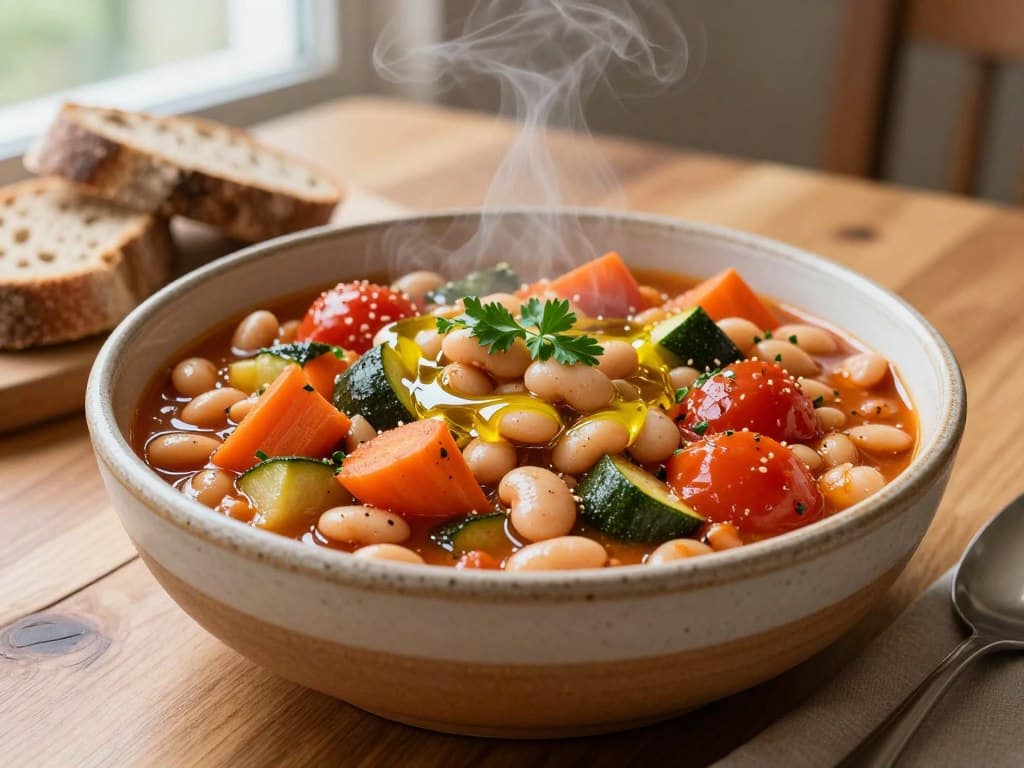
Mediterranean White Bean Stew
This hearty stew proves that eating for gout doesn’t mean sacrificing comfort or flavor. It’s packed with anti-inflammatory ingredients and provides satisfying protein without high purines.
Ingredients:
- Two cups cooked white beans (or one can, drained)
- One tablespoon extra virgin olive oil
- One onion, diced
- Three cloves garlic, minced
- Two carrots, chopped
- Two celery stalks, chopped
- One can diced tomatoes
- Four cups low-sodium vegetable broth
- One teaspoon dried oregano
- Fresh basil for garnish
- Black pepper to taste
Instructions:
- Heat olive oil in large pot over medium heat
- Sauté onion and garlic until fragrant, about three minutes
- Add carrots and celery, cook five minutes
- Add tomatoes, beans, broth, and oregano
- Bring to boil, then simmer twenty minutes
- Season with black pepper, garnish with fresh basil
- Serve with whole grain bread
Simple Substitutions: Use chickpeas instead of white beans, add spinach in the last five minutes of cooking, or include diced zucchini for extra vegetables.
Beyond Food: Lifestyle Habits That Support Your Gout Management

Diet is crucial, but it’s not the whole story. Your overall lifestyle plays a significant role in managing uric acid levels and preventing gout attacks.
Weight Management and Physical Activity
Carrying extra weight increases your risk of gout attacks and makes them more severe. The good news is that the Mediterranean diet naturally supports healthy weight loss without feeling like you’re starving. Combined with regular physical activity, you create a powerful one-two punch against gout.
Low-impact activities like walking, swimming, or cycling help you maintain a healthy weight without stressing your joints. Even during a gout flare-up, gentle movement once the acute pain subsides can help reduce inflammation faster than complete rest.
Hydration Matters More Than You Think
Water helps flush uric acid from your system. Aim for eight to ten glasses daily, more if you exercise or live in a hot climate. Coffee is actually beneficial – studies show it may help lower uric acid levels (American Journal of Medicine, 2022).
Stay away from sugary drinks and excessive alcohol. If you’re having a gout attack, increasing your water intake can help your body eliminate uric acid more quickly.
The Science Behind Mediterranean Diet and Uric Acid Levels
Understanding how this diet works at a cellular level helps you appreciate why it’s so effective. When you eat foods high in purines, your body breaks them down into uric acid. Normally, your kidneys filter out excess uric acid. Problems arise when you produce too much or your kidneys can’t eliminate it efficiently.
The Mediterranean diet attacks this problem from multiple angles. First, it reduces purine intake by limiting red meat and organ meats. Second, the high fiber content from vegetables and whole grains helps your intestines eliminate more uric acid. Third, anti-inflammatory compounds in olive oil and fish reduce the inflammation that causes gout pain (Nutrients, 2023).
Research published in the British Journal of Nutrition found that people following a Mediterranean diet had significantly lower uric acid levels compared to those eating Western-style diets. The difference was substantial enough to reduce gout attack frequency by nearly half.
The Role of Vitamin C and Antioxidants
Fruits and vegetables in the Mediterranean diet provide plenty of vitamin C, which research shows can help lower uric acid levels. Cherries contain anthocyanins that specifically reduce inflammation during gout attacks. Berries offer similar benefits with their high antioxidant content.
These foods work synergistically. The combination of anti-inflammatory fats, antioxidants, fiber, and limited purines creates an environment where gout struggles to gain a foothold.
Common Mistakes When Starting Mediterranean Diet for Gout

Even with the best intentions, people make predictable mistakes when transitioning to this eating pattern. Avoiding these pitfalls will save you frustration and speed up your results.
Going Too Restrictive Too Fast
The biggest mistake is trying to change everything overnight. You end up overwhelmed, cranky, and likely to abandon the whole effort. Start by adding Mediterranean foods before you worry about eliminating anything. Add a serving of fish twice weekly. Use olive oil instead of butter. Snack on nuts instead of chips.
Once these habits feel natural, gradually reduce red meat consumption. This approach is sustainable because you’re building new patterns rather than white-knuckling through deprivation.
Ignoring Portion Sizes
Healthy food can still lead to weight gain if you eat too much of it. Nuts are nutritious but calorie-dense. Olive oil is beneficial but still has one hundred twenty calories per tablespoon. Pay attention to portions, especially with higher-calorie healthy foods.
The Mediterranean diet emphasizes moderation in all things. You’re not measuring and weighing everything obsessively, but you should be aware of reasonable portion sizes. A serving of fish is about the size of your palm. A serving of nuts fits in your cupped hand.
Forgetting About Processed “Mediterranean” Foods
Food manufacturers love slapping “Mediterranean” on packaging, but that doesn’t make processed foods healthy. Those frozen Mediterranean-style dinners are often loaded with sodium and lack the fresh ingredients that make this diet effective for gout. Stick with whole, fresh foods prepared simply.
How to Track Your Progress and Adjust Your Approach
You can’t manage what you don’t measure. Tracking helps you identify patterns and see what’s working. You don’t need fancy apps or complicated systems – simple observations will do.
Keep a Food and Symptom Journal
For the first month, jot down what you eat and any gout symptoms you experience. Note your pain levels, which joints are affected, and potential triggers. You might discover that certain foods affect you differently than the general guidelines suggest.
This journal becomes invaluable for discussions with your doctor or rheumatologist. Concrete data about your symptoms and dietary patterns helps them provide better guidance tailored to your situation.
Monitor Your Weight and Uric Acid Levels
Weigh yourself weekly under similar conditions – same time of day, same clothing situation. Gradual weight loss of one to two pounds per week is ideal. Faster weight loss can temporarily increase uric acid levels and trigger attacks.
Ask your doctor to check your uric acid levels before starting the Mediterranean diet, then recheck after two to three months. Most people see significant improvements. If your levels aren’t dropping, you may need to be more strict about avoiding high-purine foods or address other factors affecting your gout.
Ready to Take Control of Your Gout?
Managing gout doesn’t have to feel overwhelming. Our free 28-Day Mediterranean Diet Maintenance Program gives you daily meal ideas, shopping lists, and practical tips that make this transition easy. It’s designed specifically for people over fifty who want real results without complicated meal prep or exotic ingredients. Download it free today and start your journey toward fewer gout attacks and better overall health.
Frequently Asked Questions About Mediterranean Diet for Gout
Can the Mediterranean diet cure gout completely?
The Mediterranean diet can’t cure gout, but it can dramatically reduce attack frequency and severity. Most people experience significantly fewer flare-ups when following this eating pattern consistently. Combined with medication if prescribed by your doctor, proper hydration, and healthy weight management, many people go months or years between attacks. Think of it as highly effective management rather than a cure.
How quickly will I see results from the Mediterranean diet for gout?
Many people notice reduced inflammation and fewer symptoms within two to four weeks of starting the Mediterranean diet. However, it can take two to three months to see significant reductions in uric acid levels on blood tests. The timeline varies based on how strictly you follow the diet, your starting uric acid levels, and other health factors. Consistency matters more than perfection – stick with it even if results seem slow initially.
Is fish safe to eat with gout, even though it contains purines?
Yes, fish is safe and beneficial for most people with gout. While fish contains moderate purines, research shows it doesn’t increase gout attack risk the way red meat does. The anti-inflammatory omega-3 fatty acids in fish like salmon, sardines, and mackerel provide benefits that outweigh any purine concerns. Aim for two to three servings weekly. Avoid anchovies and shellfish in large quantities, as these are higher in purines.
Can I drink wine on the Mediterranean diet for gout?
Wine in moderation appears to have less impact on gout than beer or spirits. One glass with dinner occasionally is generally acceptable for most people, though individual responses vary. Beer is particularly problematic because it contains purines from brewer’s yeast. If you’re experiencing frequent gout attacks, consider eliminating all alcohol for several months to see if your symptoms improve. Always discuss alcohol consumption with your healthcare provider.
Should I avoid all red meat permanently?
You don’t necessarily need to eliminate red meat completely, but limiting it significantly helps manage gout. Consider red meat an occasional treat rather than a dietary staple – perhaps once or twice monthly in small portions. When you do eat it, choose lean cuts and keep portions modest. Focus on fish, poultry in moderation, and plant-based proteins as your primary protein sources. This approach aligns with Mediterranean eating patterns and supports lower uric acid levels.
What about vegetables like spinach that contain purines?
Eat vegetables freely, even those containing purines like spinach, mushrooms, and asparagus. Research consistently shows that plant-based purines don’t increase gout risk the way animal purines do. Your body processes vegetable purines differently, and the anti-inflammatory benefits, fiber, and nutrients in these vegetables far outweigh any theoretical purine concerns. Load your plate with all types of vegetables without worry.
How does the Mediterranean diet help with weight loss for gout management?
The Mediterranean diet supports healthy weight loss through high fiber content that keeps you satisfied, healthy fats that reduce cravings, and emphasis on whole foods rather than processed items. Weight loss directly impacts gout by reducing inflammation and helping your body process uric acid more efficiently. Aim for gradual weight loss of one to two pounds weekly. Rapid weight loss can temporarily spike uric acid levels and trigger attacks, so patience is important.
Do I need to take supplements while following this diet for gout?
Most people get adequate nutrients from the Mediterranean diet without supplements. However, some find cherry extract or vitamin C supplements helpful for gout management. Talk to your doctor before starting any supplements, especially if you take medications. They may recommend specific supplements based on blood work showing deficiencies. The diet itself provides abundant vitamins, minerals, and antioxidants when you eat a variety of whole foods daily.
Share This Information
Copy and paste this message to help a friend:
“Hey mate, I found this really helpful guide about managing gout with the Mediterranean diet. It’s not one of those restrictive diets that make you miserable – actually focuses on delicious food that happens to reduce gout attacks. Thought you might find it useful. There’s even a free 28-day program to get started. Worth checking out if you’re dealing with gout pain.”
Working With Your Healthcare Provider

Dietary changes are powerful, but they work best as part of a comprehensive approach to gout management. Your doctor or rheumatologist should know about any dietary changes you’re making, especially if you take medications for gout or other conditions.
When to Seek Medical Attention
If you experience severe gout attacks despite dietary changes, don’t suffer in silence. Modern medications can help during acute attacks and prevent future ones. Some people need medication alongside dietary management to keep uric acid levels in a healthy range.
Seek immediate medical attention if you develop fever with joint pain, as this could indicate infection rather than gout. Also contact your doctor if gout attacks become more frequent or severe despite following the Mediterranean diet, as this may signal the need for medication adjustment.
Combining Diet With Other Treatments
The Mediterranean diet complements medical treatments for gout. If you take medications like allopurinol or colchicine, continue them as prescribed while making dietary changes. Never stop medications without consulting your doctor, even if you feel better.
Some people find they can reduce medication dosages after several months on the Mediterranean diet, but this decision must be made with medical supervision based on your uric acid levels and overall health status. For more guidance on comprehensive gout diet plans, explore additional resources that complement your Mediterranean eating approach.
Moving Forward With Confidence

The Mediterranean diet for gout isn’t a quick fix or miracle cure. It’s a sustainable lifestyle change that addresses the root causes of high uric acid levels while providing numerous other health benefits. You’re not just managing gout – you’re reducing inflammation throughout your body, supporting heart health, and potentially adding healthy years to your life.
Start where you are. Maybe that means adding fish twice this week. Perhaps you swap olive oil for butter in your cooking. Small consistent changes compound over time into dramatic results. The blokes and ladies who succeed with this approach don’t try for perfection. They aim for progress and give themselves grace when they slip up.
Your gout doesn’t have to control your life. With the Mediterranean diet, you’re taking back that control one delicious meal at a time. The pain that once seemed inevitable becomes increasingly rare. The foods you once thought you’d have to give up forever get replaced by options you genuinely enjoy.
This journey is worth it. Fewer gout attacks mean more time doing what you love – whether that’s playing with grandkids, pursuing hobbies, or simply enjoying life without constant pain. You’ve got the tools and knowledge. Now it’s time to put them into practice.
Medical Disclaimer
This article provides general information about diet and gout management and is not intended as medical advice. Always consult with your healthcare provider before making significant dietary changes, especially if you have gout or other health conditions. The information presented here does not replace professional medical consultation, diagnosis, or treatment. Individual results may vary based on health status, medications, and other factors.
References
- Arthritis Foundation, 2023
- New England Journal of Medicine, 2022
- American Journal of Clinical Nutrition, 2023
- British Medical Journal, 2022
- Arthritis & Rheumatology, 2023
- Journal of Rheumatology, 2023
- American Journal of Medicine, 2022
- Nutrients, 2023
- British Journal of Nutrition, 2022
Ray Baker
