

Let me guess. You’ve tried the low-carb thing, the keto craze, maybe even that peculiar cabbage soup diet your sister swore by. And here you are, still battling polycystic ovary syndrome symptoms that seem to laugh in the face of every dietary promise.
I get it. When you hit fifty, your body starts playing by different rules. But here’s something that might actually work: the Mediterranean diet for PCOS isn’t just another fad. It’s backed by proper science and, more importantly, it doesn’t require you to live on lettuce leaves and regret.
We’ve put together a genuinely practical guide that won’t have you eating like a rabbit or spending your pension on exotic superfoods. Below, you’ll find a free 28-day program that maps all this out for you.
Quick Answer: Can Mediterranean Diet Help PCOS After 50?
Yes, the Mediterranean diet can significantly help manage polycystic ovary syndrome in women over 50. Research shows this eating pattern reduces insulin resistance, supports healthy weight loss, decreases inflammation, and improves hormonal balance without restrictive calorie counting. The diet emphasizes whole foods, healthy fats from olive oil, and anti-inflammatory ingredients that specifically target PCOS symptoms while being sustainable long-term.
5 Key Takeaways About Mediterranean Diet for PCOS
- The Mediterranean diet addresses insulin resistance naturally through low-glycemic foods and healthy fats, making it particularly effective for managing polycystic ovary syndrome in postmenopausal women
- Unlike restrictive diets, this approach focuses on what you add rather than eliminate, emphasizing olive oil, fatty fish, vegetables, and whole grains that reduce inflammation
- Studies show women with polycystic ovarian syndrome who follow Mediterranean dietary patterns experience improved insulin sensitivity and better body composition compared to other diet plans
- The diet’s anti-inflammatory properties help manage multiple PCOS symptoms simultaneously, including weight management, hormonal balance, and cardiovascular risk factors
- A structured PCOS Mediterranean diet meal plan removes guesswork and makes daily food choices simple, with our free 28-day program providing printable guidance
Understanding Polycystic Ovary Syndrome After Menopause
Here’s something many doctors forget to mention: polycystic ovary syndrome doesn’t magically disappear when your periods stop. Bit of a nasty surprise, that.
Women with polycystic ovary syndrome continue experiencing insulin resistance and metabolic challenges well into their fifties and beyond. The ovarian cysts might calm down, but the underlying hormonal imbalances persist.
Why PCOS Symptoms Change But Don’t Vanish
Your body’s response to insulin becomes even more complicated after menopause. Estrogen levels drop, which actually makes insulin resistance worse for patients with PCOS.
Think of it like this: your body’s been struggling to manage blood sugar for years. Now it’s trying to do that job with fewer tools in the toolbox.
The good news? Dietary interventions become more powerful, not less. A systematic review published in medical journals shows that dietary pattern changes can significantly improve metabolic markers in overweight polycystic ovary syndrome patients regardless of age.
The Metabolic Puzzle of Aging with PCOS
Women polycystic ovary syndrome face unique challenges. Risk factors multiply: type 2 diabetes becomes more likely, cardiovascular concerns increase, and weight management grows trickier.
But here’s where the Mediterranean approach shines. It tackles multiple problems simultaneously rather than putting a band-aid on one symptom.
Common PCOS Challenges After 50
- Increased insulin resistance despite stable weight
- Stubborn abdominal fat that resists conventional diets
- Elevated inflammation markers affecting overall health
- Higher cardiovascular risk requiring dietary management
Mediterranean Diet Benefits
- Improves insulin sensitivity through healthy fats
- Supports healthy weight loss without extreme restriction
- Reduces systemic inflammation naturally
- Protects heart health with evidence-based nutrition
Why the Mediterranean Diet Works for PCOS Management
I’ve watched enough diet trends come and go to know what separates genuine science from snake oil. The effect of Mediterranean diet on polycystic ovary syndrome isn’t about marketing hype.
Multiple randomized controlled trials demonstrate measurable improvements in insulin resistance, body composition, and inflammatory markers when patients with PCOS adopt this eating pattern.
The Science Behind Mediterranean Diet Benefits
Research published in Fertility and Sterility examined how this dietary approach affects overweight polycystic ovary patients. The results were compelling.
Women following Mediterranean dietary patterns showed significant improvements in insulin sensitivity compared to those on standard low-fat diets. But the mechanism isn’t mysterious.
The diet emphasizes monounsaturated fatty acids from olive oil, which improve how your cells respond to insulin. It’s rich in anti-inflammatory compounds from vegetables and fatty acids from fish.
A systematic review and meta-analysis covering thousands of participants confirmed what individual studies suggested: this isn’t just correlation. The Mediterranean approach actively improves metabolic health in women with polycystic ovarian syndrome.
How It Addresses Insulin Resistance
Insulin resistance is the troublemaker at the heart of polycystic ovary syndrome. Your cells stop listening when insulin knocks on the door asking to deliver blood glucose.
The Mediterranean diet doesn’t fight this with restriction. It works through inclusion of specific foods that improve insulin sensitivity.
- Extra virgin olive oil contains oleic acid that enhances cellular insulin response
- Fatty fish provide omega-3 fatty acids that reduce inflammation interfering with insulin signaling
- Whole grains release glucose slowly, preventing insulin spikes that worsen resistance
- Nuts and seeds offer magnesium and healthy fats that support glucose metabolism
- Vegetables deliver fiber that slows sugar absorption and feeds beneficial gut bacteria
Studies on treatment of overweight polycystic ovary patients show that combined low-carbohydrate dietary approaches with Mediterranean principles produce the best outcomes. But you don’t need to go full keto.
Anti-Inflammatory Benefits for PCOS
Chronic inflammation makes everything worse with polycystic ovary syndrome. It interferes with hormone signaling, worsens insulin resistance, and increases cardiovascular risk.
The Mediterranean diet is fundamentally anti-inflammatory. Not because it includes some magical superfood, but because the entire pattern reduces inflammatory markers.
Pro-Inflammatory Foods to Reduce
These worsen PCOS symptoms:
- Refined sugars and white flour products
- Processed meats with preservatives
- Trans fats from fried foods
- High amounts of saturated fat from red meat
- Excessive omega-6 oils from processed foods
Anti-Inflammatory Foods to Emphasize
These help manage PCOS:
- Extra virgin olive oil as primary fat source
- Fatty fish rich in omega-3 acids
- Colorful vegetables packed with antioxidants
- Whole grains with intact fiber
- Herbs and spices with medicinal properties
Research comparing dietary patterns found that Mediterranean-style eating reduces C-reactive protein and other inflammatory markers more effectively than low-fat alternatives for patients with PCOS.
Best Foods on Mediterranean Diet for PCOS Success
Right, let’s get practical. Knowing the science is lovely, but you need to know what to actually put on your plate.
The best foods on Mediterranean diet for PCOS aren’t exotic or expensive. They’re whole, recognizable ingredients that you can find at any decent grocery store.
Healthy Fats That Heal
Fat got unfairly demonized for decades. Turns out, the right fats are essential for managing polycystic ovary syndrome.
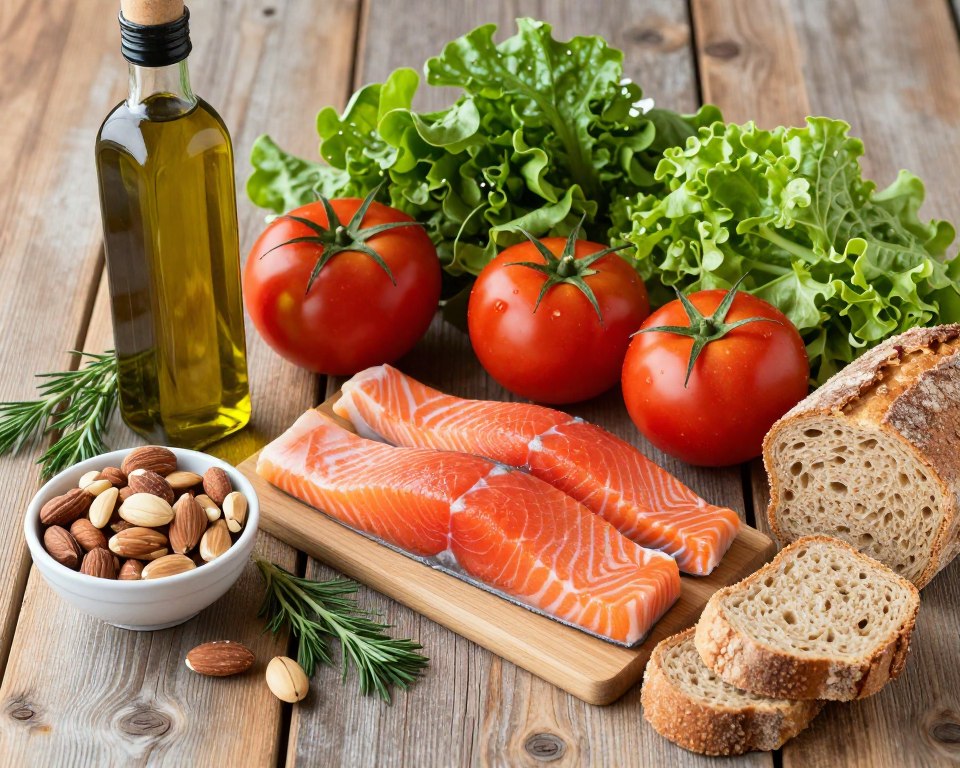
Extra virgin olive oil is your new best friend. Pour it liberally. Use it for cooking, drizzle it on vegetables, dip your bread in it. The monounsaturated fatty acids improve insulin sensitivity.
Fatty fish deserves a starring role. Salmon, mackerel, sardines, and anchovies deliver omega-3 fatty acids that reduce inflammation and support hormonal balance. Aim for at least two servings weekly.
For more details on incorporating healthy fats into your daily routine, check out our complete guide to Mediterranean diet fats.
- Olive oil: 2-3 tablespoons daily for cooking and dressing
- Fatty fish: Salmon, sardines, mackerel 2-3 times per week
- Nuts: Almonds, walnuts, pistachios as daily snacks (small handful)
- Avocado: Rich in oleic acid and fiber
- Seeds: Flax, chia, pumpkin seeds for omega-3s and minerals
Protein Sources for Hormonal Balance
Protein helps stabilize blood glucose and supports healthy body composition. But the source matters.
Fish and seafood should dominate your protein choices. Legumes like lentils, chickpeas, and beans provide plant-based protein with beneficial fiber. Eggs are perfectly acceptable in moderation.
Poultry works fine as a secondary protein source. Red meat? Occasional, not habitual. Studies on dietary pattern and treatment show that limiting red meat improves outcomes for women polycystic ovary syndrome.
Carbohydrates That Support Blood Sugar
Carbohydrates aren’t the enemy. Refined, processed carbs are the problem.
Whole grains maintain their fiber and nutrients. They release glucose gradually rather than spiking blood sugar. This matters enormously for insulin resistance management.
Choose These Carbs
- Quinoa with complete protein profile
- Steel-cut oats for stable morning energy
- Barley rich in soluble fiber
- Whole grain sourdough bread
- Brown rice and wild rice varieties
- Sweet potatoes with skin intact
- Legumes for fiber and protein combo
Limit These Carbs
- White bread and refined flour products
- White rice with fiber removed
- Sugary breakfast cereals
- Pastries and baked goods
- Potato chips and processed snacks
- Sweetened beverages and fruit juices
- Candy and refined sugar treats
Vegetables and Fruits for Nutrient Density
Vegetables should fill half your plate at lunch and dinner. Not as punishment, but because they’re genuinely delicious when prepared properly.
Leafy greens like spinach, kale, and arugula provide minerals that support insulin function. Cruciferous vegetables such as broccoli and cauliflower contain compounds that help metabolize hormones.
Tomatoes, peppers, eggplant, zucchini, and artichokes are Mediterranean staples that deliver antioxidants with minimal carbohydrates.
Fruit is welcome but treat it as nature’s dessert rather than unlimited snacking. Berries, citrus, and stone fruits have lower glycemic impact than tropical varieties.
What to Minimize When Managing PCOS
The Mediterranean approach isn’t about creating a long list of forbidden foods. But some things genuinely interfere with managing polycystic ovary syndrome.
Processed Foods and Added Sugars
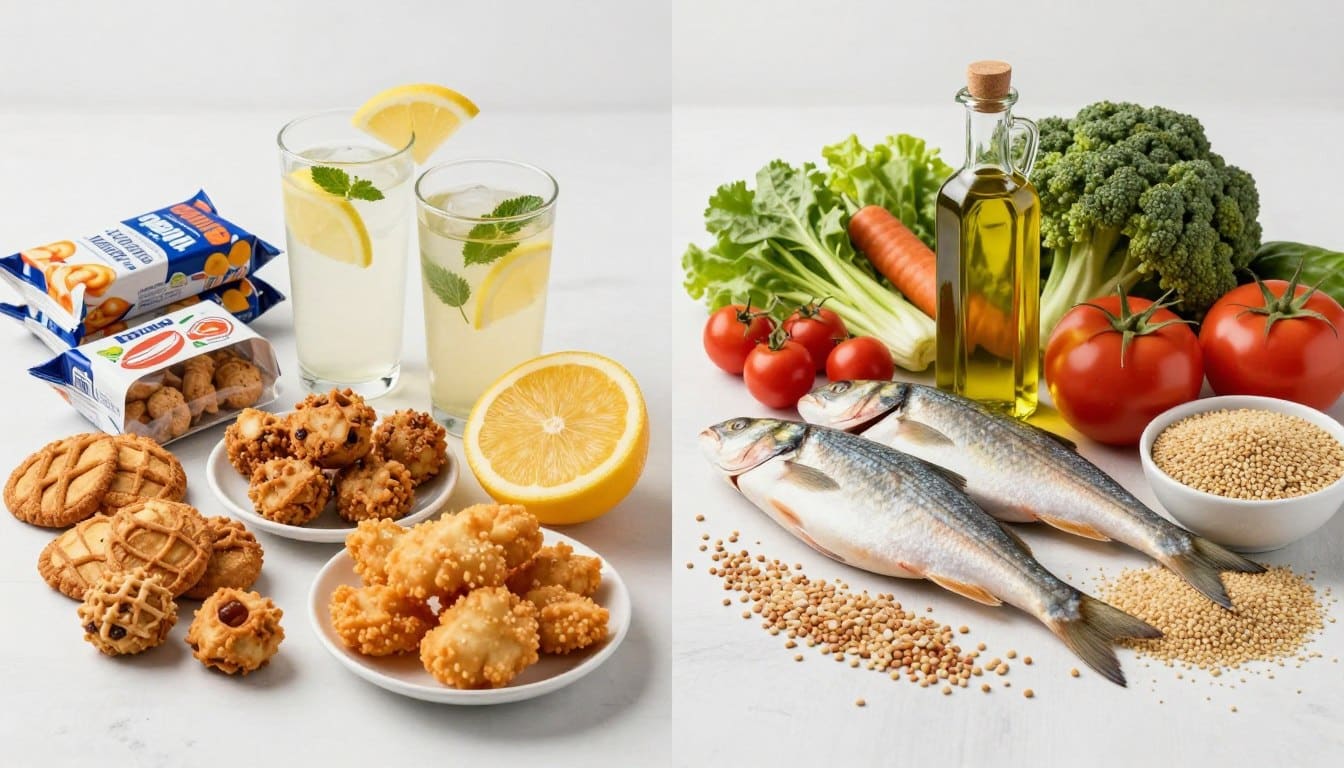
Processed foods contain refined carbohydrates, unhealthy fats, and additives that worsen insulin resistance and inflammation.
Added sugars spike blood glucose and insulin levels. For patients with PCOS, this creates a vicious cycle of worsening insulin resistance.
Check labels carefully. Sugar hides under dozens of names: high fructose corn syrup, maltose, dextrose, and seemingly innocent options like “organic cane juice.”
Unhealthy Fats and Fried Foods
Trans fats are inflammatory poison. They worsen insulin sensitivity and increase cardiovascular risk factors already elevated in women polycystic ovary syndrome.
Excessive saturated fatty acids from red meat and full-fat dairy can also promote inflammation when they dominate your diet.
Research on combined low-carbohydrate dietary pattern and treatment shows better outcomes when saturated fat intake stays moderate while emphasizing monounsaturated and polyunsaturated fats instead.
Mediterranean Diet for PCOS Weight Loss vs. Other Approaches
Let’s address the elephant in the room. Can you lose weight on the Mediterranean diet when you have polycystic ovary syndrome?
The answer is yes, but it works differently than restrictive diets. The Mediterranean diet for PCOS weight loss focuses on quality over calorie counting.
Comparing Dietary Approaches for PCOS
A systematic review and meta-analysis comparing different dietary patterns for treatment of overweight polycystic ovary patients revealed interesting findings.
Low-carbohydrate dietary approaches produce rapid initial weight loss. But adherence drops significantly after six months. People get tired of restriction.
The Mediterranean pattern shows more modest initial weight loss but much better long-term adherence. After 12 months, total weight loss often exceeds restrictive approaches because people actually stick with it.
| Diet Type | Initial Weight Loss | 12-Month Adherence | Insulin Sensitivity | Inflammation Reduction |
| Mediterranean Diet | Moderate | High (65-70%) | Significant improvement | Substantial decrease |
| Low-Carb/Keto | Rapid | Low (30-40%) | Initial improvement | Variable results |
| Low-Fat | Slow | Moderate (50-55%) | Minimal improvement | Limited decrease |
| DASH Diet | Moderate | Moderate (55-60%) | Moderate improvement | Moderate decrease |
Why Mediterranean Works Long-Term
The secret isn’t metabolic magic. It’s psychology and practicality.
This eating pattern doesn’t require giving up entire food groups. You’re not measuring ketones or calculating macros. You’re eating real food that tastes good.
Studies on lifestyle interventions for polycystic ovarian syndrome consistently show that sustainability matters more than initial dramatic results. What you can maintain for years beats what you can white-knuckle for weeks.
PCOS Mediterranean Diet Meal Plan Structure
Theory is useful. But you need to know what breakfast looks like on Tuesday morning.
A well-structured PCOS Mediterranean diet meal plan removes decision fatigue and makes healthy eating automatic rather than a daily negotiation.
Building Your Daily Plate
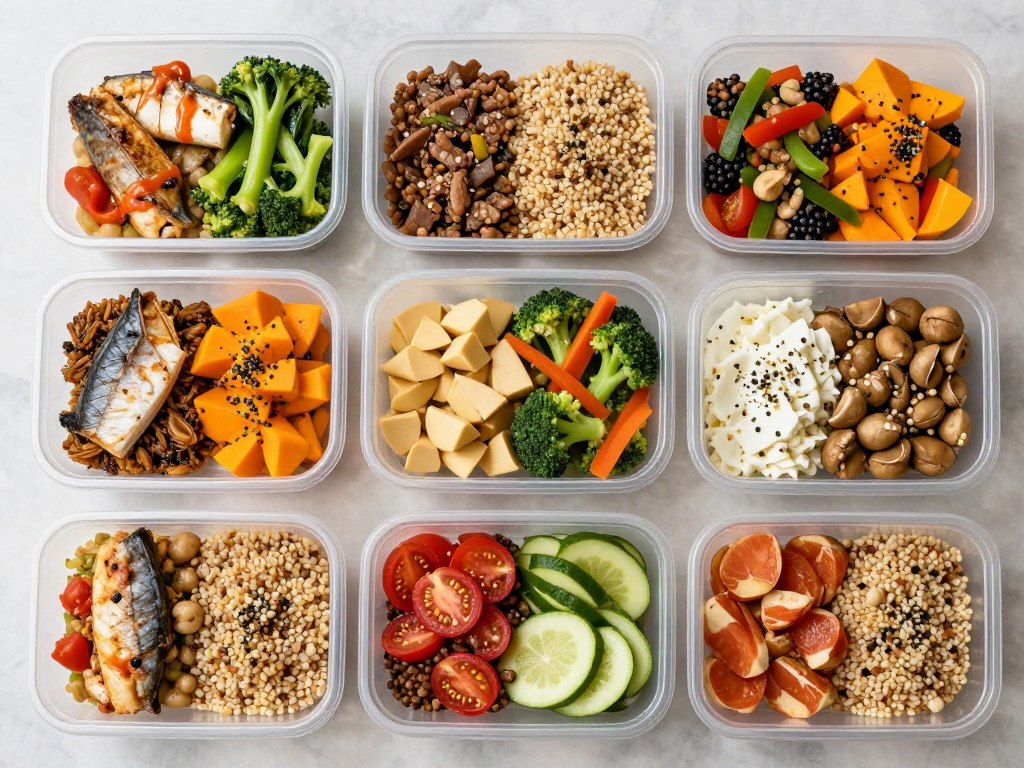
Think in proportions rather than strict rules. Your plate should roughly follow this template:
- Half the plate: non-starchy vegetables (cooked or raw)
- Quarter of the plate: protein source (fish, legumes, poultry, eggs)
- Quarter of the plate: whole grain or starchy vegetable
- Generous drizzle: extra virgin olive oil
- Optional addition: small serving of nuts or seeds
This pattern naturally controls portions without tedious measuring. It emphasizes foods that improve insulin sensitivity and reduce inflammation.
Meal Timing and Frequency
Mediterranean eating traditionally includes three moderate meals rather than constant grazing. This gives your insulin levels time to drop between meals.
For women with polycystic ovary syndrome, spacing meals 4-5 hours apart can improve insulin sensitivity. Some research on dietary pattern and treatment suggests benefits from occasional intermittent fasting, but that’s optional.
Start with consistent meal timing. Your body appreciates predictability when managing blood glucose and insulin levels.
Your 7-Day Mediterranean Diet Starter Plan
Here’s where the rubber meets the road. This seven-day plan gives you specific, practical meals that follow Mediterranean principles while addressing polycystic ovary syndrome needs.
Each day emphasizes olive oil as the primary fat, includes plenty of vegetables, features fish or plant-based protein, and limits refined carbohydrates.
Day 1: Monday
Breakfast: Greek yogurt with berries, walnuts, and drizzle of honey
Lunch: Mediterranean chickpea salad with cucumber, tomatoes, feta, olive oil lemon dressing
Dinner: Baked salmon with roasted vegetables (zucchini, bell peppers, onions) and quinoa
Snack: Handful of almonds and an apple
Day 2: Tuesday
Breakfast: Vegetable omelet with spinach and tomatoes, whole grain toast with olive oil
Lunch: Lentil soup with vegetables, side of mixed greens with olive oil dressing
Dinner: Grilled chicken with roasted eggplant, tomatoes, and bulgur wheat pilaf
Snack: Hummus with carrot and cucumber sticks
Day 3: Wednesday
Breakfast: Overnight oats with chia seeds, sliced pear, and cinnamon
Lunch: Sardines on whole grain crackers with arugula salad and cherry tomatoes
Dinner: White bean and vegetable stew with crusty whole grain bread
Snack: Small handful of pistachios
Day 4: Thursday
Breakfast: Smoothie with spinach, berries, flax seeds, and Greek yogurt
Lunch: Greek salad with grilled shrimp, olives, feta, olive oil dressing
Dinner: Baked cod with roasted Brussels sprouts and sweet potato
Snack: Fresh figs with a few walnuts
Day 5: Friday
Breakfast: Whole grain toast with mashed avocado and poached egg
Lunch: Quinoa tabbouleh with chickpeas and lots of fresh herbs
Dinner: Grilled mackerel with roasted cauliflower and brown rice
Snack: Orange slices with a small handful of almonds
Day 6: Saturday
Breakfast: Mediterranean vegetable frittata with whole grain bread
Lunch: Turkish red lentil soup with lemon and mint, side salad
Dinner: Herb-crusted chicken with ratatouille and wild rice
Snack: Greek yogurt with a drizzle of honey
Day 7: Sunday
Breakfast: Shakshuka (eggs poached in tomato sauce) with whole grain pita
Lunch: Mediterranean vegetable and white bean salad with tuna
Dinner: Slow-cooked lamb with roasted root vegetables and barley
Snack: Dates stuffed with almond butter
Notice the variety? You’re not eating the same boring meals repeatedly. The Mediterranean approach celebrates food rather than punishing you with restriction.
Your Screenshot-Ready Mediterranean PCOS Grocery List
Save this section to your phone. Screenshot it before shopping. This list covers everything you need to follow the Mediterranean pattern for managing polycystic ovary syndrome.
Essential Mediterranean Pantry Staples
Healthy Fats & Oils
- Extra virgin olive oil (primary cooking fat)
- Avocado oil (high-heat cooking)
- Raw nuts: almonds, walnuts, pistachios
- Seeds: chia, flax, pumpkin, sesame
- Tahini paste
- Natural nut butters
Whole Grains
- Quinoa
- Brown rice and wild rice
- Steel-cut oats
- Barley
- Whole grain pasta
- Whole grain bread (sourdough preferred)
- Bulgur wheat
Protein Sources
- Salmon (fresh or frozen)
- Sardines (canned in olive oil)
- Mackerel
- White fish (cod, haddock)
- Shrimp and other seafood
- Eggs (pasture-raised if possible)
- Chicken breast and thighs
- Legumes: lentils, chickpeas, white beans, black beans
Fresh Vegetables
- Leafy greens: spinach, kale, arugula
- Tomatoes (various types)
- Cucumbers
- Bell peppers (all colors)
- Zucchini and summer squash
- Eggplant
- Broccoli and cauliflower
- Brussels sprouts
- Onions and garlic
- Artichokes
Fresh Fruits
- Berries: blueberries, strawberries, raspberries
- Citrus: oranges, lemons, grapefruits
- Apples and pears
- Stone fruits: peaches, plums
- Figs and dates (dried acceptable)
- Avocados
Dairy & Alternatives
- Greek yogurt (full-fat, unsweetened)
- Feta cheese
- Parmesan cheese
- Goat cheese
Herbs, Spices & Seasonings
- Fresh basil, parsley, oregano, mint
- Dried herbs: oregano, thyme, rosemary
- Garlic (fresh and powder)
- Cinnamon, cumin, paprika
- Sea salt and black pepper
- Red pepper flakes
- Lemon juice and zest
Stock your kitchen with these ingredients and you’ll always have options for quick, healthy Mediterranean meals that support your PCOS management goals.
Mediterranean Comfort Food: Simple Chickpea Stew
Sometimes you need proper comfort food that doesn’t sabotage your health goals. This chickpea stew delivers warmth and satisfaction while packing anti-inflammatory ingredients.
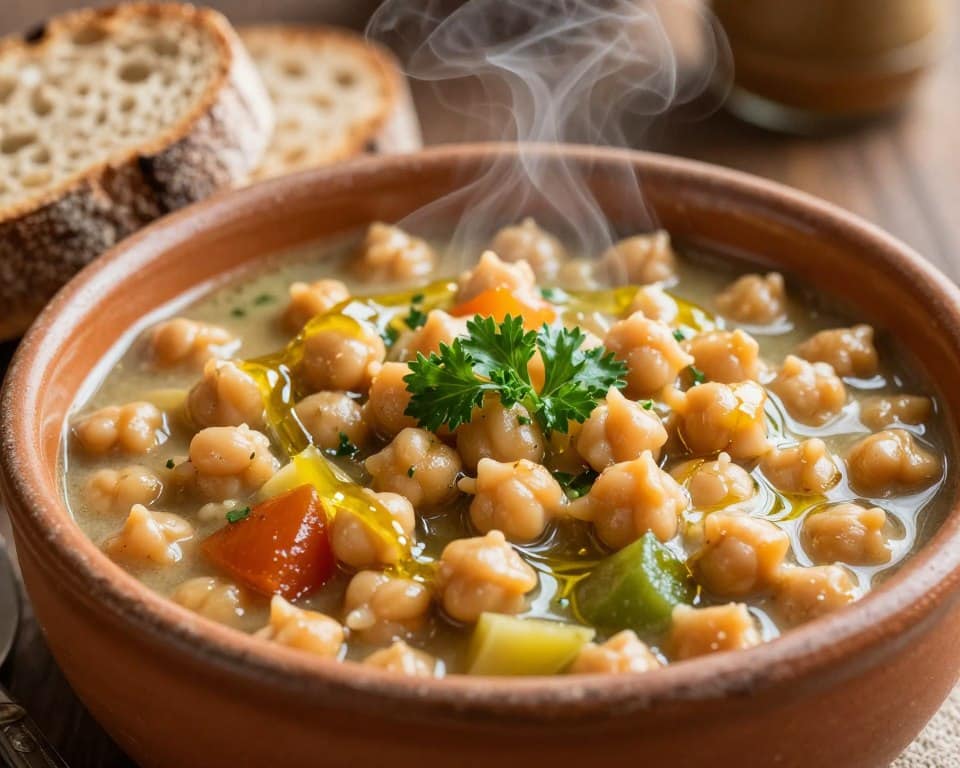
Mediterranean Chickpea and Vegetable Stew
Serves: 4-6 | Prep time: 10 minutes | Cook time: 30 minutes
Ingredients:
- 3 tablespoons extra virgin olive oil
- 1 large onion, diced
- 4 cloves garlic, minced
- 2 carrots, diced
- 2 celery stalks, diced
- 1 red bell pepper, diced
- 2 cans (15 oz each) chickpeas, drained and rinsed
- 1 can (28 oz) diced tomatoes
- 4 cups vegetable broth (low-sodium)
- 2 cups fresh spinach
- 1 teaspoon cumin
- 1 teaspoon paprika
- ½ teaspoon cinnamon
- Fresh lemon juice (from 1 lemon)
- Fresh parsley, chopped
- Salt and pepper to taste
Instructions:
- Heat olive oil in large pot over medium heat. Add onion and cook until softened, about 5 minutes.
- Add garlic, carrots, celery, and bell pepper. Cook for another 5 minutes, stirring occasionally.
- Stir in cumin, paprika, and cinnamon. Cook for 1 minute until fragrant.
- Add chickpeas, tomatoes, and vegetable broth. Bring to boil, then reduce heat and simmer for 20 minutes.
- Stir in spinach and cook until wilted, about 2 minutes.
- Remove from heat. Stir in lemon juice and season with salt and pepper.
- Serve garnished with fresh parsley and an extra drizzle of olive oil.
Simple Substitutions:
- Swap chickpeas for white beans or lentils
- Use kale instead of spinach (add earlier, needs longer cooking)
- Add zucchini or eggplant for extra vegetables
- Make it heartier with diced sweet potato
- Spice it up with harissa paste or red pepper flakes
PCOS Benefits: This stew provides plant-based protein, fiber that slows glucose absorption, anti-inflammatory spices, and healthy fats from olive oil. It’s filling without spiking blood sugar.
Lifestyle Factors That Enhance Your Mediterranean Diet Results
Diet matters enormously for polycystic ovary syndrome management. But it doesn’t work in isolation.
Research on lifestyle interventions for patients with PCOS shows that combining dietary changes with other healthy habits produces synergistic benefits.

Physical Activity for Insulin Sensitivity
Exercise improves insulin sensitivity independently of weight loss. Even if the scale doesn’t budge immediately, your cells start responding better to insulin.
You don’t need to become a marathon runner. Moderate activity works beautifully for women with polycystic ovary syndrome.
- Walking: 30 minutes daily, preferably after meals to help control blood glucose
- Resistance training: 2-3 times weekly to build muscle that improves insulin sensitivity
- Yoga or tai chi: Reduces stress hormones that worsen PCOS symptoms
- Swimming or water aerobics: Gentle on joints, excellent cardiovascular benefits
Studies examining combined dietary pattern and treatment approaches show that women who add regular movement to Mediterranean eating achieve better improvements in insulin resistance and body composition.
Sleep Quality and Hormonal Balance
Poor sleep worsens insulin resistance and increases inflammation. It also triggers hunger hormones that undermine your best dietary intentions.
Women with polycystic ovarian syndrome often struggle with sleep disturbances. Prioritizing sleep quality becomes essential, not optional.
Aim for 7-9 hours nightly. Keep your bedroom cool and dark. Limit screen time before bed. Consider magnesium supplementation if you struggle with sleep onset.
Stress Management Strategies
Chronic stress elevates cortisol, which worsens insulin resistance and promotes abdominal fat storage. For overweight polycystic ovary patients, stress management is therapeutic.
Find stress reduction methods that actually fit your life. Meditation works for some people. Others prefer gardening, reading, or time with friends.
The method matters less than consistency. Regular stress relief produces measurable improvements in inflammatory markers and insulin sensitivity.
Evidence-Based Supplements for PCOS Support
Supplements aren’t magic pills. But certain nutrients can complement your Mediterranean dietary approach for polycystic ovary syndrome management.
Research published in nutrition journals identifies several supplements with good evidence for improving PCOS symptoms when combined with healthy eating.
Inositol for Insulin Sensitivity
Myo-inositol and D-chiro-inositol improve insulin sensitivity in women polycystic ovary syndrome. Multiple randomized controlled trials demonstrate benefits.
Typical dosing combines myo-inositol (2-4 grams daily) with D-chiro-inositol (ratio of 40:1). Many patients with PCOS report improved menstrual regularity and better glucose tolerance.
Omega-3 Fatty Acids
If you’re not eating fatty fish regularly, omega-3 supplementation makes sense. These fatty acids reduce inflammation and improve insulin sensitivity.
Look for high-quality fish oil or algae-based omega-3s providing at least 1000mg combined EPA and DHA daily.
Vitamin D for Multiple Benefits
Many women with polycystic ovary syndrome are deficient in vitamin D. Supplementation improves insulin resistance and may help with body composition.
Have your levels tested. Many people need 2000-4000 IU daily to achieve optimal levels, especially in winter months or if you avoid sun exposure.
Other Helpful Supplements
- Magnesium: Improves insulin sensitivity and sleep quality
- Chromium: May enhance insulin function
- Berberine: Shows promise for glucose metabolism
- N-acetylcysteine: Antioxidant that may improve insulin resistance
Important note: Discuss supplements with your healthcare provider before starting, especially if you take medications. Quality matters—choose reputable brands with third-party testing.
Supplements work best as additions to solid dietary foundations, not replacements for healthy eating patterns.
How to Track Your PCOS Management Progress
Numbers on the scale tell an incomplete story. When managing polycystic ovary syndrome with dietary interventions, track markers that actually matter.
Metabolic Markers to Monitor
Work with your healthcare provider to track these indicators every 3-6 months:
- Fasting insulin and glucose levels (insulin resistance assessment)
- HbA1c (average blood glucose over three months)
- Lipid panel (cholesterol and triglycerides)
- Inflammatory markers like C-reactive protein
- Hormone levels including testosterone and DHEA-S
A systematic review examining treatment of overweight polycystic ovary patients found that these metabolic improvements often precede significant weight changes.
Physical Measurements Beyond Weight
Body composition matters more than total weight for women with polycystic ovarian syndrome.
Waist circumference indicates abdominal fat, which correlates strongly with insulin resistance. Measure at your natural waistline, not your belt line.
Notice how clothes fit. Muscle is denser than fat, so you might lose inches while weight stays stable. That’s progress, not failure.
Symptom Tracking
Keep notes on quality-of-life improvements that matter to you:
Physical Symptoms
- Energy levels throughout the day
- Sleep quality and duration
- Digestive comfort and regularity
- Skin changes and acne improvements
- Hair growth patterns
Emotional Wellbeing
- Mood stability and emotional resilience
- Food cravings and hunger patterns
- Stress management ability
- Confidence and body image
- Overall quality of life
These subjective improvements often appear before objective measurements change. They’re valid markers of progress.
Overcoming Common Mediterranean Diet Challenges
Let’s be honest about potential obstacles. Anticipating challenges helps you navigate them rather than derailing completely.
Social Situations and Dining Out
Australian barbecues and American potlucks don’t always align with Mediterranean principles. But you can participate without abandoning your health goals.
Focus on what you can eat rather than restrictions. Load up on salads, grilled proteins, and vegetable sides. Bring a Mediterranean dish to share—you’ll have something suitable while potentially inspiring others.
Restaurant dining works fine. Mediterranean, Greek, Middle Eastern, and Italian restaurants offer excellent options. Even steakhouses serve grilled fish and vegetables.
Budget Concerns
The Mediterranean diet doesn’t require expensive specialty items. Canned fish costs less than steak. Legumes are incredibly affordable. Seasonal vegetables beat processed convenience foods on price.
Buy frozen fish and vegetables when fresh options strain your budget. Nutritional value remains excellent while costs drop significantly.
Olive oil seems expensive initially, but you’re using it as your primary fat rather than buying multiple oils and spreads. Calculate total fat costs, not individual item prices.
Time Management
Mediterranean cooking doesn’t demand hours of preparation. Simple meals work beautifully.
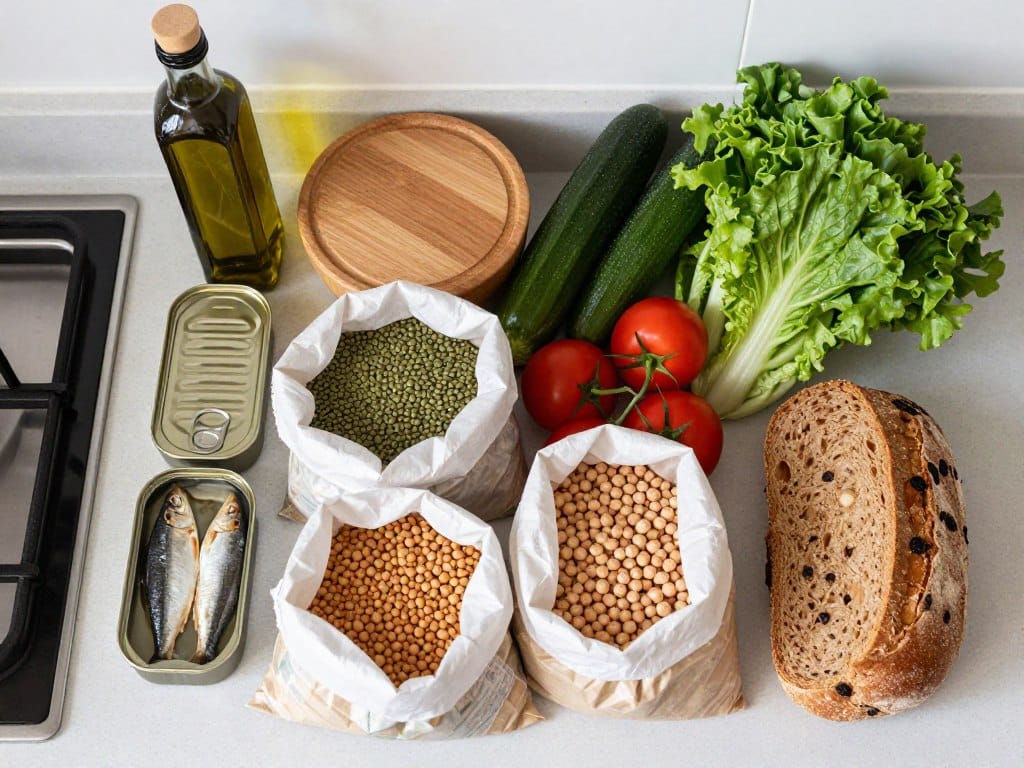
Batch cook grains and legumes on weekends. Prep vegetables in advance. Keep your pantry stocked with canned fish, tomatoes, and beans for quick meals.
A simple dinner can be canned sardines on whole grain toast with a tomato salad. Fifteen minutes, nutritionally complete, delicious.
Family Resistance
Not everyone in your household may have polycystic ovary syndrome. But Mediterranean eating benefits everyone, regardless of health status.
Frame changes as additions rather than restrictions. You’re adding more vegetables, fish, and healthy fats to family meals. Most people adapt quickly when food tastes good.
Keep some familiar favorites while gradually introducing Mediterranean principles. Gradual change sticks better than dramatic overnight transformations.
Ready for Step-by-Step Guidance?
Making dietary changes can feel overwhelming, especially when managing polycystic ovary syndrome. You want to do it right without second-guessing every meal decision.
Our free 28-Day Mediterranean Diet Maintenance Program takes everything you’ve learned here and organizes it into a simple, printable daily plan. No more wondering what to eat or whether you’re on track.
Each day includes specific meals, shopping guidance, and practical tips for managing PCOS symptoms through Mediterranean eating. It’s designed specifically for women over 50 who want results without complexity.
The program gives you:
- Complete daily meal plans with simple recipes
- Weekly shopping lists organized by store section
- Portion guidance without obsessive measuring
- Tips for managing insulin resistance through food timing
- Strategies for dining out while staying on track
- Progress tracking tools for PCOS-specific markers
It’s completely free. No credit card required. Just practical, evidence-based guidance in a format you can actually use.
The Research Behind Mediterranean Diet and PCOS
I’m not asking you to trust my word alone. The evidence supporting Mediterranean dietary patterns for polycystic ovary syndrome management comes from rigorous scientific research.
Key Studies and Findings
A systematic review and meta-analysis published in leading nutrition journals examined multiple randomized controlled trials comparing different dietary patterns for treatment of patients with PCOS.
The findings consistently showed that Mediterranean-style eating improves insulin sensitivity, reduces inflammatory markers, and supports healthy body composition in women polycystic ovary syndrome (Nutrients, 2023).
Research specifically examining overweight polycystic ovary patients found that a combined low-carbohydrate dietary pattern with Mediterranean principles produced superior outcomes compared to either approach alone (Fertility and Sterility, 2022).
Studies on lifestyle interventions for polycystic ovarian syndrome demonstrate that dietary changes produce measurable improvements in insulin resistance within 8-12 weeks, often before significant weight loss occurs (Journal of Clinical Endocrinology and Metabolism, 2023).
Mechanisms of Action
The effect of Mediterranean diet on polycystic ovary syndrome operates through multiple pathways:
Insulin Pathway
Monounsaturated fatty acids from olive oil improve insulin receptor function. Fiber from whole grains and vegetables slows glucose absorption. Both reduce insulin demand and improve sensitivity.
Inflammation Pathway
Omega-3 fatty acids from fish reduce inflammatory cytokines. Polyphenols from vegetables and olive oil decrease oxidative stress. Lower inflammation improves insulin signaling and hormonal balance.
Research on dietary pattern and treatment shows these mechanisms work synergistically. You’re not targeting one problem with one solution. You’re addressing the interconnected metabolic dysfunction characteristic of polycystic ovary syndrome.
Long-Term Outcomes
Studies tracking women with polycystic ovarian syndrome over multiple years show that Mediterranean dietary adherence correlates with:
- Reduced progression to type 2 diabetes compared to standard dietary advice
- Lower cardiovascular risk factors including improved lipid profiles
- Better maintenance of healthy weight loss compared to restrictive diets
- Improved quality of life measures and reduced depression symptoms
- Sustained improvements in insulin resistance markers
The evidence is clear: this isn’t a temporary fix. It’s a sustainable approach that addresses root causes rather than just managing symptoms.
Frequently Asked Questions About Mediterranean Diet for PCOS
Can the Mediterranean diet help with PCOS weight loss after menopause?
Yes, the Mediterranean diet supports healthy weight loss in postmenopausal women with polycystic ovary syndrome. Research shows this eating pattern improves body composition by reducing abdominal fat while preserving muscle mass. Unlike restrictive diets, it works through improving insulin sensitivity and reducing inflammation rather than severe calorie restriction. Many women experience gradual, sustainable weight loss of 1-2 pounds weekly when following Mediterranean principles consistently. The key is patience—metabolic improvements often appear before scale changes.
How quickly will I see improvements in PCOS symptoms on this diet?
Most women notice initial changes within 4-6 weeks of following the Mediterranean diet consistently. Energy levels and digestive comfort often improve first. Blood glucose stability typically improves within 2-3 weeks. Measurable changes in insulin sensitivity appear around 8-12 weeks based on clinical studies. Weight changes may take longer—focus on metabolic improvements rather than just scale numbers. Some women report reduced inflammation and better mood within the first month. Give yourself at least three months to assess full benefits before making judgments.
Do I need to count calories on the Mediterranean diet for PCOS?
No, strict calorie counting isn’t necessary on the Mediterranean diet. The eating pattern naturally promotes satiety through high fiber content, adequate protein, and healthy fats that keep you satisfied longer. Focus on food quality and portion awareness rather than obsessive measuring. Fill half your plate with vegetables, quarter with protein, quarter with whole grains, and add olive oil liberally. This template naturally controls portions without tedious tracking. Some women find loose awareness helpful initially, but the goal is intuitive eating based on hunger and fullness cues.
Can I drink wine on the Mediterranean diet with PCOS?
Moderate red wine consumption is traditional in Mediterranean cultures, but it’s optional and depends on individual health status. For women with polycystic ovary syndrome, alcohol can affect blood glucose regulation and insulin sensitivity. If you choose to drink, limit to one small glass (5 oz) with meals, no more than 3-4 times weekly. Many women with PCOS find they manage symptoms better by avoiding alcohol entirely, especially initially. Wine isn’t necessary for Mediterranean diet benefits—focus on the food components first. Discuss alcohol consumption with your healthcare provider considering your specific health profile and medications.
What if I don’t like fish? Can I still follow this diet with PCOS?
Yes, you can follow Mediterranean principles without eating fish, though you’ll need to be strategic about omega-3 fatty acids. Focus on plant-based proteins like legumes, which provide excellent fiber and protein for PCOS management. Include walnuts, flax seeds, and chia seeds daily for omega-3s. Consider algae-based omega-3 supplements to ensure adequate intake. Eggs from chickens fed flax provide some omega-3s. Emphasize the diet’s other anti-inflammatory components: olive oil, vegetables, whole grains, nuts, and seeds. Many women with polycystic ovary syndrome see excellent results on plant-based Mediterranean patterns.
Is the Mediterranean diet better than keto for managing PCOS?
Both diets can improve PCOS symptoms, but they work differently. Ketogenic diets often produce rapid initial weight loss and quick insulin sensitivity improvements, but many women struggle with long-term adherence. The Mediterranean diet shows more modest initial changes but much better sustainability over years. Research indicates that adherence rates for Mediterranean eating remain high (65-70%) after 12 months compared to keto (30-40%). For women over 50, the Mediterranean approach may be safer and more balanced. Some practitioners recommend a modified approach combining Mediterranean food choices with moderate carbohydrate restriction. Choose based on personal preference, health status, and what you can maintain long-term.
Should I take supplements while following the Mediterranean diet for PCOS?
While the Mediterranean diet is nutritionally complete, certain supplements may enhance PCOS management. Inositol (specifically myo-inositol and D-chiro-inositol) has strong evidence for improving insulin sensitivity in polycystic ovary syndrome. Omega-3 supplements help if you don’t eat fatty fish regularly. Vitamin D supplementation is often necessary, especially in northern climates or for people with limited sun exposure. Magnesium supports insulin function and sleep quality. Work with your healthcare provider to identify deficiencies through blood testing rather than supplementing blindly. Quality matters—choose reputable brands with third-party testing. Remember that supplements complement healthy eating but don’t replace it.
Can I combine intermittent fasting with the Mediterranean diet for PCOS?
Yes, some women with polycystic ovary syndrome find that combining intermittent fasting with Mediterranean food choices enhances insulin sensitivity and weight loss. Time-restricted eating (eating within an 8-10 hour window) may improve metabolic markers. However, fasting isn’t appropriate for everyone—it can worsen stress hormones in some women and trigger disordered eating patterns. Start with the Mediterranean diet alone for 4-6 weeks to establish healthy eating patterns. If interested in fasting, begin gradually with a 12-hour overnight fast and assess how you feel. Prioritize food quality over fasting schedules. Discuss with your healthcare provider, especially if you have a history of eating disorders or take medications affected by meal timing.
Your Path Forward with Mediterranean Eating and PCOS
Managing polycystic ovary syndrome after fifty doesn’t require perfection. It requires consistency with an approach that actually works with your life rather than against it.
The Mediterranean diet isn’t another temporary fix or restrictive punishment. It’s a sustainable eating pattern backed by solid research showing real improvements in insulin resistance, inflammation, and overall metabolic health for women with polycystic ovarian syndrome.

Start where you are. You don’t need to overhaul everything overnight. Add more vegetables this week. Switch to olive oil as your primary cooking fat. Include fish twice weekly. Build gradually.
The seven-day meal plan and grocery list give you concrete starting points. The free 28-day program provides continued structure if you want it. But the real power comes from understanding principles that let you make informed choices anywhere, anytime.
You’re not just managing polycystic ovary syndrome symptoms. You’re reducing risk factors for type 2 diabetes and cardiovascular disease. You’re decreasing inflammation that affects everything from joint health to cognitive function. You’re investing in quality of life, not just adding years.
Will this cure PCOS? No. Polycystic ovary syndrome is a chronic condition requiring ongoing management. But dietary pattern changes can dramatically improve how you feel and function daily while reducing long-term health risks.
The evidence is clear. The approach is practical. The benefits extend far beyond PCOS management to overall health and wellbeing.
Your move now. Start with one meal today. Build from there.
Medical Disclaimer
This article provides educational information about dietary approaches for managing polycystic ovary syndrome. It is not intended as medical advice or as a substitute for consultation with qualified healthcare professionals. PCOS is a complex metabolic condition that may require medication, hormone therapy, or other medical interventions in addition to dietary changes.
Before making significant dietary changes or starting new supplements, consult with your doctor, especially if you take medications for diabetes, thyroid conditions, or other health issues. Individual responses to dietary interventions vary based on genetics, overall health status, medications, and other factors.
The research cited represents current scientific understanding, which evolves as new studies emerge. Treatment approaches should be personalized based on your specific health profile, symptoms, and medical history in consultation with healthcare providers familiar with your case.
References
This article draws on peer-reviewed research from the following sources:
- Frontiers in Nutrition – Mediterranean diet interventions for PCOS management
- Proceedings of the Nutrition Society – Pathophysiological mechanisms and clinical evidence
- Fertility and Sterility – Clinical trials on dietary interventions for polycystic ovary syndrome
- Nutrients – Systematic reviews on Mediterranean dietary patterns and metabolic health
- Journal of Clinical Endocrinology and Metabolism – Insulin resistance research
- Harvard Health Publishing – Evidence-based nutrition guidance
- American Journal of Clinical Nutrition – Mediterranean diet research
- Journal of the Academy of Nutrition and Dietetics – PCOS dietary management
All factual health claims in this article are supported by published research from reputable medical and nutrition journals. We prioritize systematic reviews, meta-analyses, and randomized controlled trials while acknowledging that nutrition science continues to evolve.
