
Do you ever feel lost in the grocery aisle? You’re not alone. Many people get confused by all the bottles and labels.
It’s easy to feel overwhelmed when you just want to cook a simple meal. But, this liquid gold is a versatile kitchen staple that should be in every pantry. Once you learn the basics, you can cook with confidence.
We made a handy starter guide for you. Click the button below to download your free resource and learn how to pick the perfect bottle today.
Key Takeaways
- Identify the best types of fats for your specific cooking needs.
- Learn how to read labels to avoid low-quality products.
- Discover simple ways to store your pantry staples for maximum freshness.
- Understand the difference between finishing and cooking varieties.
- Gain the confidence to experiment with new flavors in your daily meals.
The Quick Start Guide to Olive Oil for Beginners
Starting with olive oil is easy. You don’t need to be a pro to use it. Just a few simple steps can make your cooking better and your health better too.
The 60-Second Summary for Busy People
When you buy olive oil, look for “Extra Virgin” on the label. This means it’s the best quality and not processed much. Also, check the harvest date. Quality olive oil is best used within 12-18 months of that date.
Keep your bottle in a cool, dark place. This helps keep its flavor and quality.
Three Key Takeaways for Your Health Journey
Remember these three important points as you start using olive oil:
- Flavor Profile: Good oil tastes fresh, peppery, or fruity. It makes simple foods like veggies and bread taste better.
- Health Benefits: Using this healthy fat in your diet helps your heart. It also gives you important antioxidants.
- Freshness Matters: Always choose the harvest date over the “best by” date. This way, you get the most nutrients and flavor.
Why Your Brain and Body Crave Extra Virgin Olive Oil
Extra virgin olive oil is the top choice for boosting daily energy. It’s made from cold-pressed olives without chemicals. This keeps all the good stuff in, giving you lots of extra virgin olive oil benefits.
Fueling Your Energy and Mood Naturally
Your body needs good fats to stay energized all day. Choosing natural fats helps avoid energy crashes. Many people feel better and more balanced when they eat this oil.
Healthy fats are key for lasting energy. They’re easy to add to your diet. Your body will thank you for choosing these natural fats.
The Science of Healthy Fats for Cognitive Clarity
Your brain is mostly fat, so what you eat matters for your mind. Good fats help your brain cells stay strong. This leads to clearer thinking and focus. Knowing the extra virgin olive oil benefits helps you make smart choices for your brain.
The table below shows why the right oil is important for your health.
| Fat Source | Processing Method | Nutrient Density | Best Use |
|---|---|---|---|
| Extra Virgin Olive Oil | Cold-Pressed | High | Raw or Light Heat |
| Refined Vegetable Oil | Chemical Extraction | Low | High-Heat Frying |
| Butter | Churning | Moderate | Baking |
How to Choose the Right Bottle Without the Confusion
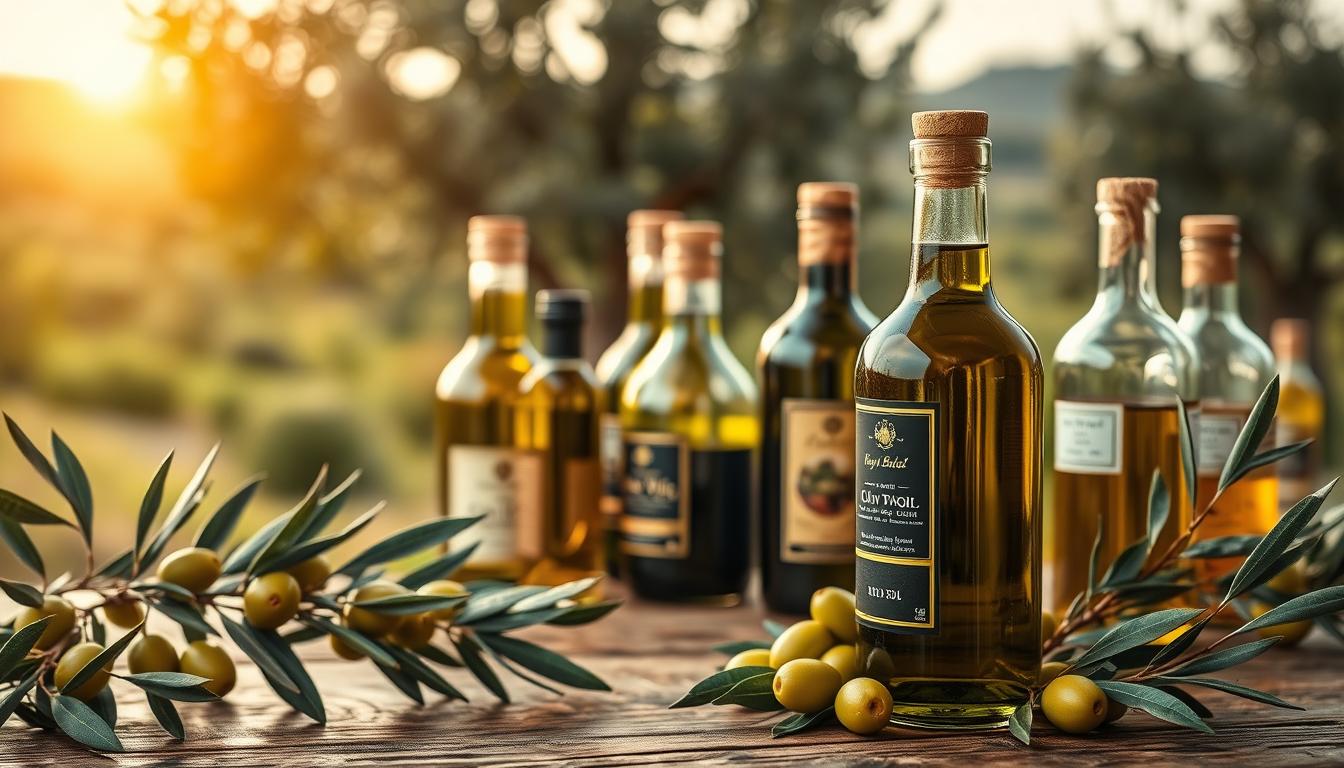
Walking down the grocery aisle can feel like a maze when you are looking for the perfect bottle of oil. With so many options available, it is easy to feel lost. But learning a few simple rules can help you unlock the extra virgin olive oil benefits you deserve. If you want to master the art of shopping, you can check out this helpful guide on how to buy olive to get started.
Decoding Labels: What Extra Virgin Really Means
The term “extra virgin” is not just a marketing label; it is a specific grade of quality. To earn this title, the oil must be extracted mechanically without chemicals or excessive heat. Most importantly, it must have a free fatty acid (FFA) content below 0.8% by international standards.
Always look for a harvest date on the bottle instead of just a “best by” date. Freshness is key to maximizing the extra virgin olive oil benefits for your health. When comparing fats, you might wonder how it stacks up against other options. So, consider reading about olive oil vs coconut oil to understand why this liquid gold is a pantry staple.
Storage Tips to Keep Your Oil Fresh and Potent
Once you bring your bottle home, proper storage is essential to maintain its quality. Light, heat, and oxygen are the three enemies of high-quality oil. You should always store your bottle in a cool, dark cupboard away from the stove.
Keep the cap tightly sealed after every use to prevent oxidation. By following these simple steps, you ensure that you continue to enjoy the extra virgin olive oil benefits in every meal you prepare. Proper care keeps your oil flavorful and potent until the very last drop.
Simple Ways to Incorporate Olive Oil Into Your Daily Routine
Adding a splash of liquid gold can change your cooking. You don’t need to be a pro to use Mediterranean diet olive oil. Just make small choices to make your meals better.
Drizzling for Beginners: From Salads to Soups
Start by drizzling oil over your food. This keeps the flavors and nutrients alive.
Try a tablespoon in your morning soup or on a salad. You’ll see a big difference in taste.
Cooking with Confidence: When to Heat and When to Keep it Raw
Knowing when to heat oil is key. Use oils with a low smoke point for sautéing. But they’re best raw.
Wondering how much olive oil daily is good? Experts say two tablespoons is a good start. Use it for cooking or dressing salads.
The Grocery List for Your Mediterranean Pantry
Having the right foods makes healthy eating easy. Use this list for your next shopping trip.
| Category | Item | Purpose |
|---|---|---|
| Fats | Extra Virgin Olive Oil | Daily drizzling and light cooking |
| Produce | Leafy Greens | Base for salads and sautéing |
| Pantry | Chickpeas | Protein-rich fiber source |
Your 7-Day Simple Start Plan
Sticking to a plan helps you use olive oil every day. Here’s a simple plan to get you started:
- Days 1-2: Drizzle one tablespoon over your lunch salad.
- Days 3-4: Use a light coating for sautéing your evening vegetables.
- Days 5-6: Dip whole-grain bread in oil instead of using butter.
- Day 7: Create a homemade vinaigrette for your family dinner.
Ready to improve your health? Click here to download our full Mediterranean meal guide and start eating better today!
Mastering Mediterranean Flavors in Your Own Kitchen
You can make your meals better by learning about Mediterranean flavors. Exploring olive oil can make every dish special. You can find the perfect oil for your taste, whether you like a light or strong flavor.
Knowing how oils work with heat and food is key. Adding a good Mediterranean diet olive oil to your kitchen opens up new cooking ideas. Use the table below to pick the right oil for your next dish.
| Flavor Profile | Best Use | Intensity |
|---|---|---|
| Fruity & Smooth | Baking & Light Salads | Mild |
| Balanced & Grassy | Roasted Vegetables | Medium |
| Intense & Peppery | Drizzling over Steaks | Strong |
Easy Swaps to Boost Your Nutrient Intake
Changing your diet doesn’t have to be hard. Simple swaps can make a big difference. These small changes help you enjoy the Mediterranean diet olive oil lifestyle easily.
- Replace butter on your morning toast with a drizzle of extra virgin olive oil.
- Swap heavy cream in soups for a swirl of smooth, fruity oil.
- Use oil instead of processed vegetable oils when sautéing your favorite greens.
Sharing the Love: A Message for Your Friends
Sharing your cooking with friends is fun. If you’ve found a new favorite way to use Mediterranean diet olive oil, share it. You can copy and paste this message to send to a friend today:
“Hey! I have been experimenting with some new ways to use olive oil in my kitchen. It has completely changed my cooking. I thought you might enjoy trying some of these simple swaps to boost your meals too. Let me know if you want to swap recipes sometime!”
Sharing these tips helps create a community of health-conscious cooks. When you encourage your friends to try Mediterranean diet olive oil, you make health journeys more fun for everyone.
Conclusion
Turning your kitchen into a wellness center starts with a simple step. Just one bottle of high-quality extra virgin olive oil can do it. You now know how to pick, store, and enjoy this oil with confidence.
Adding these healthy fats to your diet is a great start. It helps you live a vibrant life every day.
How much olive oil is right for you? Experts say one to two tablespoons a day is good. The right amount for you depends on your diet and calorie needs.
Frequently Asked Questions
Does the oil’s color show its quality? No, color changes with the olive type and when it’s picked. Look at the harvest date and who made it instead.
Can I use olive oil for frying? Yes, good extra virgin olive oil can handle most home cooking. It has a high smoke point.
How do I know if my oil is bad? Use your senses. If it smells like crayons or old putty, it’s gone bad.
Should I choose organic oil? Organic means no synthetic pesticides were used. It’s good for your health and the planet.
Disclaimer: This content provides general information for educational purposes. It does not replace professional medical advice, diagnosis, or treatment. Always consult with a healthcare provider regarding your specific nutritional requirements or health conditions.
