
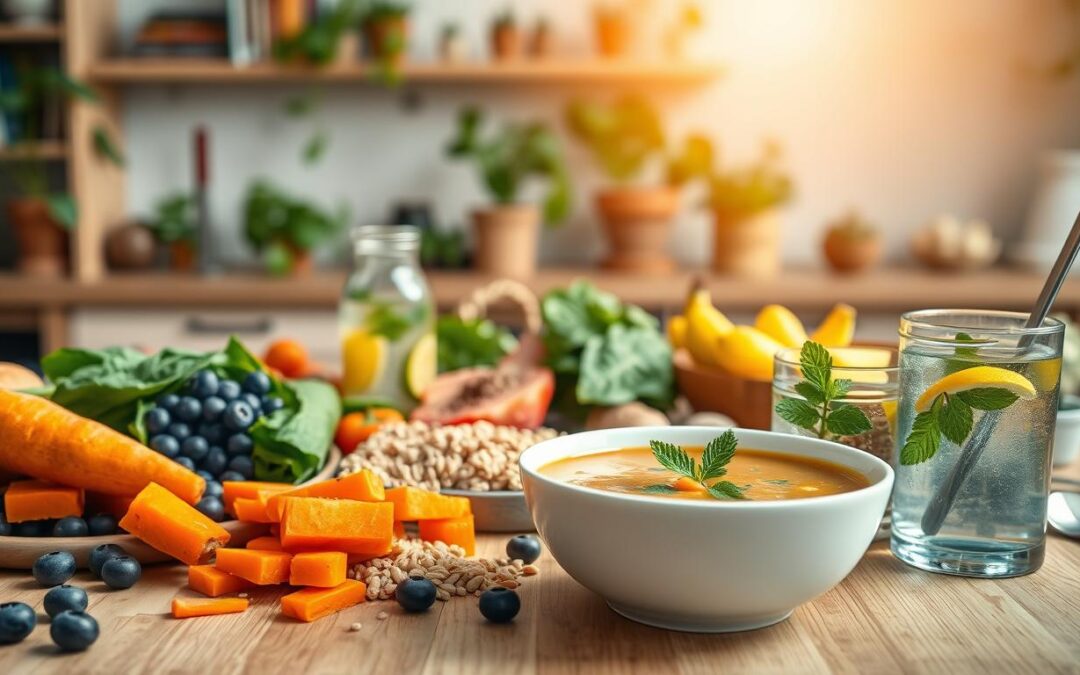
Ever wondered why your energy drops when you’re at your best? It’s a common problem. I’ve felt like a rusty gate many mornings too. We often look for quick fixes in expensive pills, but the real answer is simpler.
Building a strong immune system isn’t about magic. It’s about making smart food choices. Foods rich in Vitamin C are key because our bodies can’t make it. By eating well, you can boost your energy without falling for false promises.
Want to feel more alive? Click here to begin your journey today.
Key Takeaways
- Focus on whole foods instead of expensive supplements.
- Vitamin C is vital because our bodies can’t make it.
- Being consistent is more important than being perfect all the time.
- Small, steady changes help you stay strong over time.
- Stay away from claims that promise quick fixes for your health.
Why Your Body Needs a Different Approach After 50
Turning fifty is like upgrading your car. You can’t use regular gas in a high-performance engine anymore. Your body changes quietly, but you might feel slower than before.
It’s not just getting older. It’s about optimizing your internal systems for new demands. Your metabolism and cells change. Embracing these changes is key to staying ahead.
The Reality of Changing Nutritional Needs
One big change is how your body uses protein. As you age, it’s harder to keep muscle mass. You need to eat high-quality protein all day, not just at dinner.
Forget about counting calories. Focus on nutrient density. Your body wants vitamins, minerals, and antioxidants for repair. Think of your plate as a tool for longevity.
| Focus Area | Youthful Habit | Post-50 Strategy |
|---|---|---|
| Protein Intake | Occasional consumption | Consistent daily portions |
| Calorie Focus | Strict calorie counting | Prioritizing nutrient density |
| Supplement Use | Relying on quick fixes | Whole food foundation |
Moving Beyond Quick Fixes and Miracle Supplements
Ads promise a “miracle” pill for all health problems. But, real health comes from food, not pills. Supplements can help, but not replace a balanced diet.
Focus on whole, unprocessed foods. They give your immune system what it needs. Chopping veggies might take more effort, but your body will thank you.
Understanding the Link Between Aging and Immunity
Aging changes how your body works. It’s important to eat right as you get older. A healthy aging immune diet helps your body stay strong.
How Your Immune System Evolves Over Time
Your immune system keeps you safe. But, as you age, it makes fewer new cells. This makes it harder for your body to fight off sickness.
Eating well can help. A healthy aging immune diet gives your body what it needs. This helps your immune system stay strong.
The Role of Inflammation in Daily Energy
Chronic inflammation makes you tired. It’s like your body is always fighting, even when it’s not needed. This makes you feel weak and tired.
Not getting enough vitamins can make inflammation worse. For example, not enough Vitamin C is common in adults. Getting enough vitamins helps fight inflammation.
Less inflammation means more energy. A healthy aging immune diet helps you stay energetic. Small changes in your diet can make a big difference in how you feel.
A Practical Diet to Support Immune Health After 50
Starting a diet to support immune health after 50 can seem hard. But, it’s all about making small, smart changes. Focus on adding good foods, not just cutting out bad ones. This way, you build a healthy relationship with food.
Focusing on Whole Foods Over Processed Alternatives
Choosing whole foods is a big step for your health. Studies show that whole grains boost your immune system more than refined foods. Learn more about this in this scientific review on nutritional impacts.
Switching to whole foods keeps your energy up all day. Here’s a table to help you shop:
| Processed Item | Whole Food Swap | Primary Benefit |
|---|---|---|
| White Bread | Sprouted Grain Bread | Higher Fiber Content |
| Sugary Cereal | Steel-Cut Oats | Sustained Energy |
| Potato Chips | Roasted Chickpeas | Plant-Based Protein |
| Fruit Juice | Whole Fresh Berries | Antioxidant Boost |
Why Consistency Beats Perfection
Many think a diet to support immune health after 50 must be perfect every day. But, your body benefits from daily habits, not just one meal. Aim for progress, not perfection, to stay motivated.
Here’s a simple shopping list to make your transition easier:
- Leafy Greens: Spinach, kale, or arugula for essential vitamins.
- Healthy Fats: Walnuts, chia seeds, and extra virgin olive oil.
- Lean Proteins: Wild-caught salmon, lentils, or organic poultry.
- Colorful Produce: Bell peppers, blueberries, and sweet potatoes.
You don’t need to be a great cook to eat well. Keep your pantry full of these basics. This way, healthy choices are always easy to make. Being consistent is key to a lasting diet to support immune health after 50.
Mediterranean Immune Support Foods for Brain and Mood
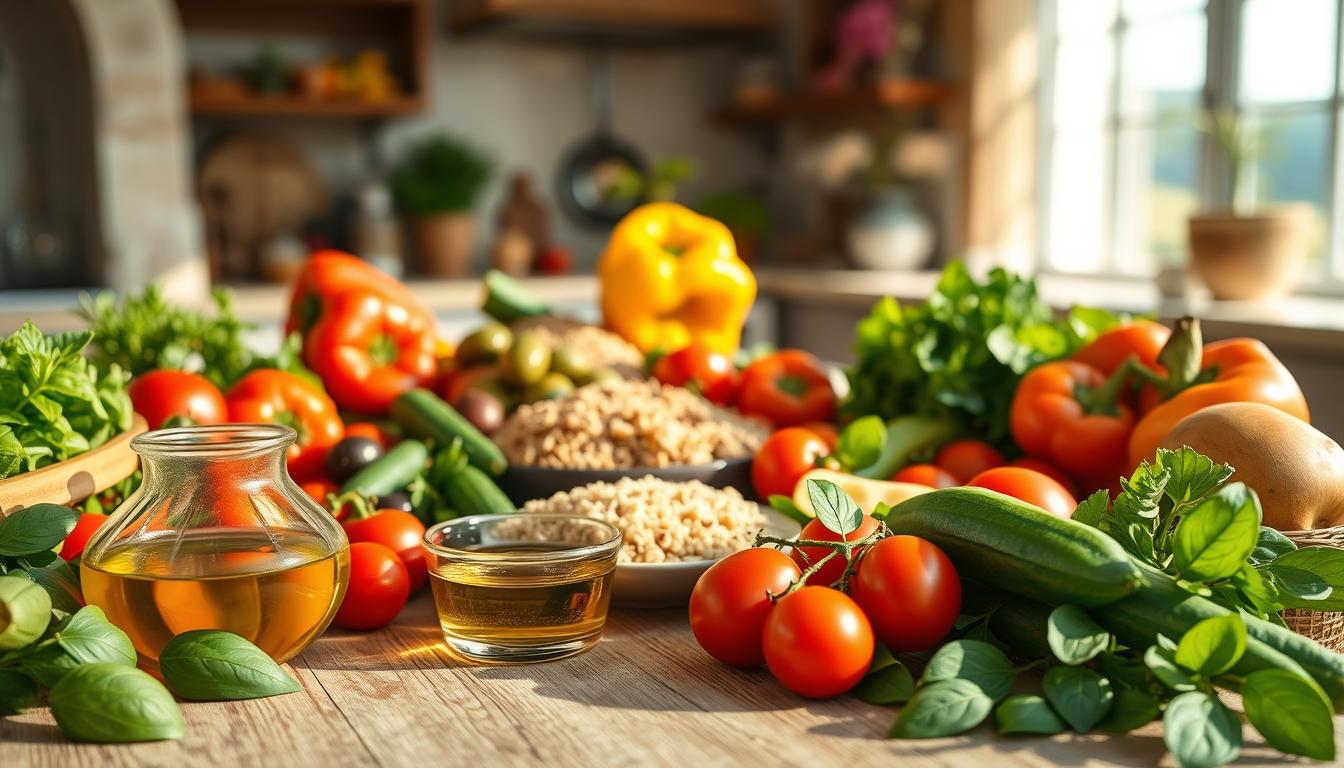
Learn how easy it is to clear your mind and feel better every day. Eating Mediterranean immune support foods gives your brain what it needs to stay sharp. These foods also help keep your mood stable and your energy up all day.
Healthy Fats and Cognitive Clarity
Your brain is mostly fat. So, eating good fats is key for your brain health. Walnuts, flax meal, and chia seeds are full of ALA omega-3 fats. Your body turns these into EPA and DHA, which protect your brain cells and keep your mind clear.
Adding these fats to your diet is easy. Just sprinkle seeds on yogurt or snack on walnuts. These small steps help keep your mind sharp as you go about your day.
Antioxidant-Rich Produce for Better Days
Antioxidants fight oxidative stress, which can make you feel tired and sad. Blueberries, spinach, and kale are full of these good guys. Eating these foods helps your immune system and makes you feel happier.
Want an easy way to eat healthy? Check out our low-effort healthy meals and Mediterranean recipes for busy people. It makes eating well a joy, not a hassle. Here’s a quick guide to pick the best brain-boosting foods for your next grocery trip.
| Food Item | Primary Benefit | Best Way to Serve |
|---|---|---|
| Walnuts | Omega-3 Fatty Acids | Raw or in salads |
| Blueberries | High Antioxidants | Fresh or frozen |
| Chia Seeds | Brain Protection | Smoothies or oatmeal |
| Spinach | Cognitive Support | Sautéed or raw |
Ready to change your kitchen habits? Download our 7-day meal plan today. It’s a great way to make sure you eat the right Mediterranean immune support foods every day.
Nutrient-Dense Foods for Sustained Energy
After 50, you need to think differently about food. Eating nutrient dense foods gives your body the energy it needs. This keeps you active and alert all day.
Prioritizing Protein for Muscle and Vitality
Protein is key for your muscles, and your needs change with age. Eating enough high-quality protein keeps you strong. It’s important to have protein in every meal to keep your energy up.
Cottage cheese is a great protein source. It has whey protein, which helps build muscles. You can add it to breakfast or have it as a snack.
Fiber-Rich Choices for Gut Health
Your gut health affects your immune system. Eating nutrient dense foods high in fiber helps your gut. This balance is important for feeling good and having steady energy.
Adding simple, whole foods to your diet can help a lot. Here are some easy ways to increase fiber and protein:
- Beans and legumes: They are affordable, versatile, and full of fiber and protein.
- Greek yogurt: It’s great for your gut and has lots of protein.
- Lean meats and poultry: They give you important amino acids without bad fats.
- Whole grains: Oats or quinoa in your meals gives you lasting energy.
Choosing these nutrient dense foods is good for your health. Small changes to your diet can improve digestion and energy over time.
Building Your Weekly Routine

Creating a good routine helps keep you healthy and strong. It makes your life easier by removing guesswork. Small steps lead to a healthy lifestyle that your body will thank you for.
Your Downloadable Grocery List
Start your week with a kitchen full of good food. Choose foods rich in vitamins to keep your body strong. Foods like fortified dairy, fatty fish, and egg yolks are great for fighting off colds and flu.
Focus on these staples to keep your immune system resilient:
- Leafy greens like spinach and kale for essential antioxidants.
- Berries for a quick, immune-boosting snack.
- Lean proteins such as chicken, beans, or lentils.
- Healthy fats like walnuts, flaxseeds, and olive oil.
The 7-Day Meal Plan for Busy Lives
Plan your meals to avoid unhealthy choices when you’re tired. This plan helps you eat the right mix of fiber, protein, and fats all week.
| Day | Breakfast | Lunch | Dinner |
|---|---|---|---|
| Monday | Oatmeal with berries | Quinoa salad | Baked salmon |
| Wednesday | Greek yogurt | Lentil soup | Grilled chicken |
| Friday | Scrambled eggs | Spinach salad | Stir-fry tofu |
| Sunday | Smoothie bowl | Roasted veggies | Turkey breast |
Sharing the Journey with Friends
Sharing your journey with friends makes it more fun. Having friends to support you makes aging easier and more enjoyable. Why not text a friend to join you in your new routine?
Try sending this message to a friend today:
“Hi! I’ve been working on a new, simple routine to boost my energy and immune health, and I’d love for you to join me. It’s all about eating better and feeling great, and I think it would be much more fun if we kept each other on track. Are you interested in trying out some new recipes with me this week?”
Lifestyle Habits That Complement Your Plate
Your plate is key to health, but your daily habits are just as important. A healthy aging immune diet works best with good habits. You don’t have to change everything at once to feel better.
The Importance of Movement and Sleep
Moving your body helps your immune cells work better. Try walking, strength training, or yoga to keep strong. Just thirty minutes a day can help a lot.
Sleep is also vital for your immune system. It helps your body make proteins that fight off sickness. Try to sleep seven to nine hours a night to support your health.
Managing Stress Without Overcomplicating It
Too much stress can weaken your immune system. Vitamin C helps your body handle stress better. Eating right is important for staying calm.
Simple habits can help you manage stress. Try deep breathing, nature walks, or journaling. These small changes can make a big difference.
| Habit | Primary Benefit | Frequency |
|---|---|---|
| Brisk Walking | Circulation | Daily |
| Deep Breathing | Stress Reduction | As Needed |
| Consistent Sleep | Immune Repair | Nightly |
Frequently Asked Questions
- How much exercise is enough for immune support? Try for at least 150 minutes of moderate activity a week.
- Can stress really impact my immune system? Yes, too much stress can weaken your immune system.
- Do I need a meditation retreat to lower stress? No, simple daily practices like breathing exercises work well.
- How does a healthy aging immune diet interact with sleep? Good food helps your body repair itself while you sleep.
Disclaimer: This content is for educational purposes only and does not constitute professional medical advice, diagnosis, or treatment. Always seek the advice of your physician or other qualified health provider with any questions you may have regarding a medical condition.
Conclusion
You have the power to make your health better every day. It’s not about being perfect or following strict rules. It’s about building a strong base for your body.
Focus on three main things for real results. Eat whole foods that give your cells good energy. Stick to your habits for the long run, not just quick fixes.
Don’t forget how important moving and sleeping well are. They’re just as key as what you eat.
Small changes can make a big difference in how you feel. Stores like Whole Foods or local farmers markets have fresh food. You have the tools to stay healthy and feel good.
Begin by changing one simple thing today. Your future self will thank you. Start this new decade knowing you can live a healthy life on your own terms.
