
By Ray Baker
If you have been told that food does not matter for psoriasis, you are not alone. A 2025 review in the American Journal of Clinical Dermatology notes that nutrition and diet are areas of considerable interest because patient diets may have a significant impact on disease activity and severity [1]. That makes a well-thought-out diet plan for psoriasis patient a practical step worth exploring. I am Ray Baker, and I want to walk you through what a Mediterranean-style eating pattern could look like, without fads or unrealistic promises.
What is a diet plan for psoriasis patient?
A diet plan for psoriasis patient is a way of eating that prioritises anti-inflammatory foods, healthy fats, lean proteins, and plenty of vegetables and fruit, while reducing processed foods, sugar, and saturated fats. It is not a cure, but research suggests it may help calm skin and support overall health [1][2].
Key takeaways
- A Mediterranean-style diet plan for psoriasis patient focuses on whole foods, fish, olive oil, and colourful vegetables.
- Reducing alcohol, processed foods, and high-sugar items can be as important as adding good foods [3][4].
- Even modest weight loss may reduce psoriasis severity, according to NHS guidance [4].
- Omega-3 fatty acids from fish like salmon and sardines are often recommended [5][2].
- Always work with your healthcare provider to tailor any diet plan for psoriasis patient to your individual needs [1][3].

What foods should I favour on this plan?
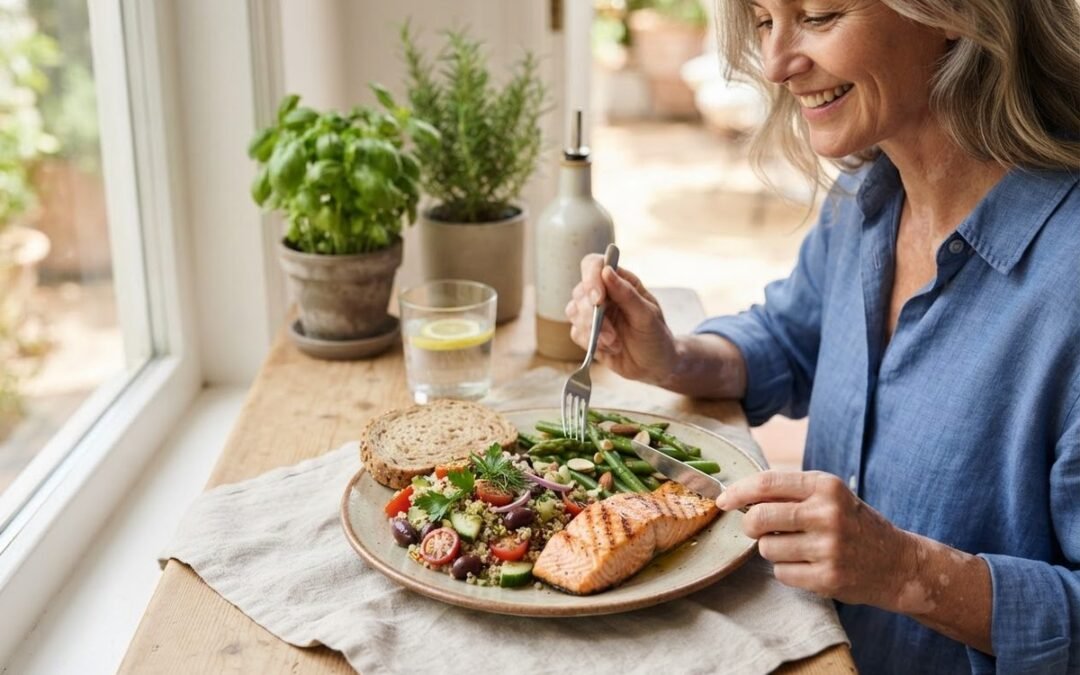
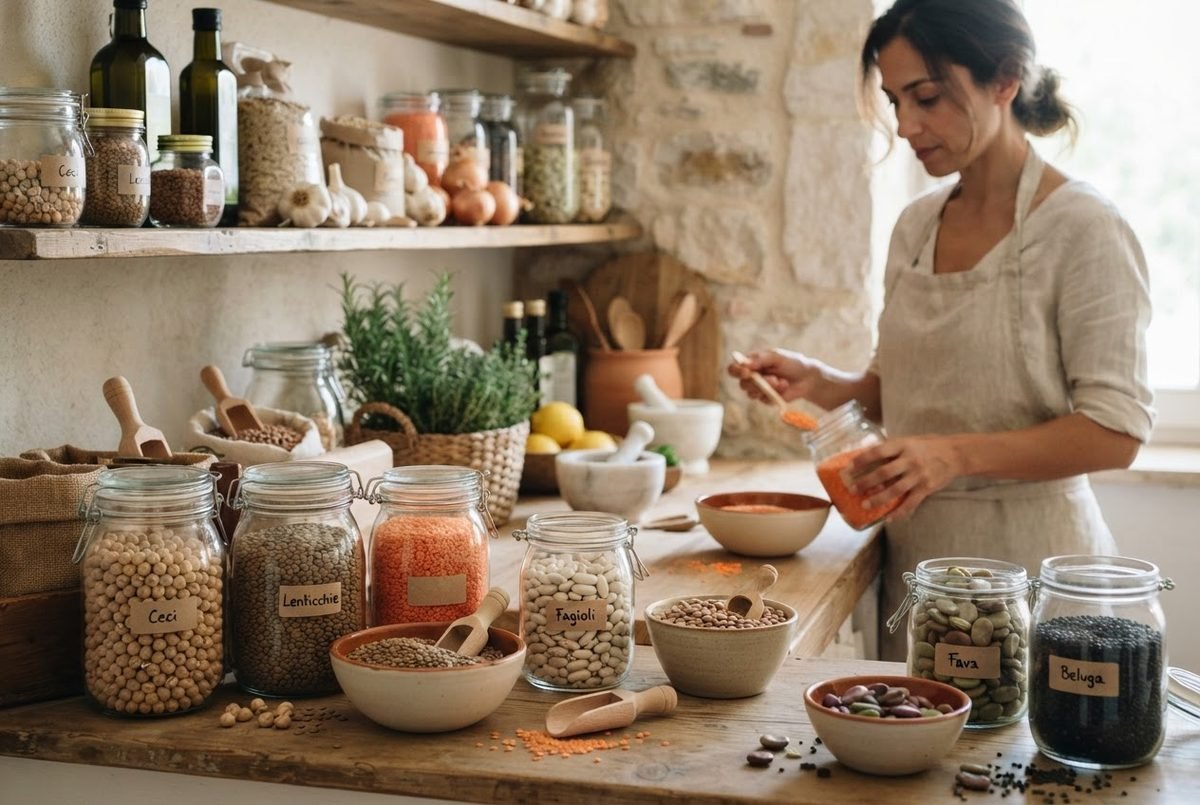
When you build a diet plan for psoriasis patient around the Mediterranean pattern, you naturally lean towards foods that fight inflammation. Fatty fish like salmon, trout, and herring are rich in omega-3 fatty acids and are recommended at least twice a week [5]. For more on why that matters, you can read our guide on omega-3 fatty acids and lifelong health. NHS advice also highlights fruits, vegetables, pulses such as lentils and chickpeas, and wholegrains like brown rice and porridge [4]. Olive oil replaces butter, and nuts and seeds become your go-to snacks. Legumes like chickpeas and lentils are cheap, filling, and full of fibre, which supports gut health. A 2022 review in Dermatologic Therapy by Musumeci and colleagues found that Mediterranean and low-calorie diets may be beneficial for psoriasis patients [2]. I think the beauty of this approach is that it does not feel like a restrictive diet; it is simply real food, prepared simply. Colour is a good guide: the deep red of tomatoes, the orange of carrots, the green of spinach all bring different protective compounds to your plate.
What foods might trigger psoriasis flares?
While no single food causes psoriasis, certain items are widely recognised as potential triggers. The Cleveland Clinic points to alcohol, high-sugar foods like doughnuts and soft drinks, foods high in saturated and trans fats such as red and processed meats, and ultra-processed snacks [3]. The NHS adds that processed food high in sugar, salt, and fat makes your body work harder to digest it, which can worsen psoriasis [4]. The National Psoriasis Foundation also suggests limiting alcohol, keeping an eye on portion sizes, and aiming for less than 1,500 milligrams of sodium per day [5]. I always remind people that triggers vary from person to person. Keeping a simple food and symptom diary for a few weeks can help you spot patterns. If you want a broader anti-inflammatory approach, our simple diet plan for inflammation might give you more ideas. Remember, it is not about perfection; even small swaps, like choosing sparkling water over a sugary soft drink, can make a difference over time.
Can weight loss really help psoriasis?
Yes, and the evidence is encouraging. The NHS reports that even a small amount of weight loss can reduce the amount of psoriasis on the skin, because both obesity and psoriasis increase inflammation in the body [4]. A 2025 review in the American Journal of Clinical Dermatology confirms a strong association between obesity and psoriatic disease activity and progression [1]. Losing weight slowly, about 1 to 2 pounds per week, is more sustainable, and the Mediterranean diet naturally supports this when you fill your plate with vegetables and lean proteins. The Mediterranean diet makes this easier because it emphasises foods that are naturally lower in calories but high in nutrients. If weight management is a goal, you might find our Mediterranean diet plan for weight maintenance useful. I have seen many people over 50 feel discouraged by strict diets, but small, steady changes really do add up. Even a small amount of weight loss can reduce inflammation, and that is a realistic target [4].
5 easy tips for a diet plan for psoriasis patient
Adopting a new way of eating does not need to be overwhelming. For more on how the Mediterranean diet can specifically help psoriasis, see our article on the Mediterranean diet for psoriasis. Here are five practical steps I would suggest starting with.
- Swap one meal a day. Replace your usual lunch with a big salad that includes canned sardines or chickpeas, a handful of greens, and a drizzle of olive oil. It is quick, affordable, and packed with anti-inflammatory ingredients. This single change can increase your vegetable and omega-3 intake without much effort.
- Use olive oil as your main fat. Replace butter and margarine with extra virgin olive oil for cooking and dressing. It is a cornerstone of the Mediterranean pattern and rich in healthy monounsaturated fats. Look for cold-pressed varieties for the most flavour and beneficial compounds.
- Keep frozen fish and vegetables handy. Frozen salmon fillets, mixed vegetables, and frozen berries make it easy to throw together a psoriasis-friendly meal even on busy days. They are often more budget-friendly than fresh and just as nutritious.
- Cut back on sugary drinks. The Cleveland Clinic lists high-sugar beverages like soda and fruit juices as potential triggers [3]. Try sparkling water with a squeeze of lemon or a few fresh berries instead. This small change can reduce your daily sugar load significantly.
- Track what you eat and how you feel. Jot down meals and skin symptoms in a notebook. This helps you identify personal triggers, because everyone reacts differently [3]. Over time, you will build your own list of foods that work for you and those that do not.

How does Mediterranean compare to other diets?
You may have heard of other diets for psoriasis, like gluten-free or ketogenic. A 2025 review in the American Journal of Clinical Dermatology notes that a gluten-free diet could be helpful only if you have celiac disease or specific antibody sensitivities [1]. The ketogenic diet, while popular for weight loss, has potential downsides, including increased cholesterol and lack of important nutrients and fibre [1]. In contrast, the Mediterranean diet has no known downside from a health perspective and is well studied with no obvious detrimental effects [1]. That is why I favour it as a safe, long-term approach, especially for readers over 50 who need to consider heart health and overall wellbeing alongside psoriasis.
How to start a diet plan for psoriasis patient?
Starting a diet plan for psoriasis patient does not require perfection, just a willingness to begin. I suggest taking a quiet weekend to clear out the most obvious trigger foods from your pantry and stock up on Mediterranean staples like olive oil, canned beans, and frozen fish. Then try a few simple meals that you genuinely enjoy, such as a lentil soup or a tuna and white bean salad. Pick two or three changes from the tips above and stick with them for a fortnight. You will be surprised how quickly small steps become habits, and you can always build from there without feeling overwhelmed.
Related reading
- Omega-3 Fatty Acids: Your Secret Weapon for Lifelong Health and Disease Prevention: Explains the role of omega-3s in health, relevant for psoriasis.
- Simple Diet Plan for Inflammation: Mediterranean Meals That Fit Real Life: Offers a broader anti-inflammatory eating plan that complements psoriasis management.
- Mediterranean Diet Plan for Weight Maintenance: Eat Well Without Turning Dinner Into Homework: Helps with weight management, which can reduce psoriasis severity.
- Mediterranean Diet for Psoriasis: The Natural Path to Calmer Skin: Specific article on how the Mediterranean diet can help psoriasis.
Frequently asked questions
Can a diet plan for psoriasis patient replace my medication?
No. Diet is a complementary approach. Always continue prescribed treatments and talk to your dermatologist before making changes. The Cleveland Clinic notes that people with psoriasis should work with their healthcare providers to design nutrition plans in addition to pursuing current treatment options [3].
How long before I see changes in my skin?
It varies. Some people notice less itching or redness within a few weeks of consistent healthy eating and weight loss, but significant changes may take months. Patience and consistency matter.
Do I need to avoid all dairy?
Not necessarily. The National Psoriasis Foundation recommends low-fat or fat-free dairy products as part of a heart-healthy pattern [5]. If you notice dairy triggers flares, you can experiment with reducing it.
Is alcohol completely off limits?
The NHS and Cleveland Clinic both suggest limiting alcohol because it can worsen psoriasis [4][3]. Some people with severe psoriasis may benefit from eliminating it entirely, but occasional light drinking might be acceptable for others.
What if I am not overweight? Does this diet still help?
Yes. The anti-inflammatory benefits of the Mediterranean diet go beyond weight loss. Even at a healthy weight, the pattern of eating can support skin health and reduce systemic inflammation [2][1].
Can I still eat out on this diet plan for psoriasis patient?
Absolutely. Choose grilled fish or chicken, ask for dressings on the side, and favour vegetable-based sides. Most restaurants can accommodate simple requests, and you can still enjoy social meals without stress.
Honest take
In my view, a diet plan for psoriasis patient built on Mediterranean principles is one of the most sensible, research-backed places to start. It is not a magic fix, but it nourishes your body, helps manage weight, and avoids the risks of extreme diets. I have seen too many people chase quick solutions and end up frustrated. Slow, steady changes with real food feel far more sustainable, especially after 50. Please run any big changes past your own doctor, because your health picture is unique.
References
- American Journal of Clinical Dermatology. Nutrition and Psoriasis: The Latest Evidence and How to Approach Nutrition in Clinical Practice. 2025. https://link.springer.com/article/10.1007/s40257-025-00992-2
- Musumeci ML, Nasca MR, Boscaglia S, Micali G. The role of lifestyle and nutrition in psoriasis: Current status of knowledge and interventions. Dermatol Ther. 2022. https://pmc.ncbi.nlm.nih.gov/articles/PMC9541512/
- Cleveland Clinic. Psoriasis Diet: Foods To Avoid. https://health.clevelandclinic.org/psoriasis-diet
- Kingston and Richmond NHS Foundation Trust. Psoriasis and healthy lifestyle choices. https://www.kingstonandrichmond.nhs.uk/patients-and-families/patient-leaflets/psoriasis-and-healthy-lifestyle-choices
- National Psoriasis Foundation. Psoriasis: Diet Modifications. https://www.psoriasis.org/dietary-modifications/
Get well and stay well,
Ray Baker
