

By Ray Baker
Muscle cramps, fatigue, that twitchy eyelid that won’t quit. When these annoyances pile up, it’s easy to start Googling ‘magnesium deficiency diet’ and wonder if you’re missing something. I get it. After 50, our bodies can feel a bit less forgiving, and we want to do everything we can to stay well. But before you overhaul your pantry, let’s look at what the evidence actually says about low magnesium and whether a special diet is the answer.
What is a magnesium deficiency diet?
A magnesium deficiency diet is simply a way of eating that focuses on foods naturally rich in magnesium to correct or prevent low levels. For most healthy adults over 50, it’s not about strict rules but about consistently including nuts, seeds, leafy greens, legumes and whole grains [1][2][3].
Key takeaways
- Magnesium is needed for more than 300 biochemical reactions, including muscle and nerve function [3].
- True magnesium deficiency is rare in healthy people, but risk increases with age, digestive conditions, and certain medications [2][4].
- The recommended daily intake for adults over 50 is 310 to 420 mg, depending on age and sex [1].
- A magnesium deficiency diet emphasises whole foods rather than supplements, which are rarely necessary [1][3].
- Common signs of low magnesium include muscle cramps, fatigue, numbness, and abnormal heart rhythms [4][3].

What are the symptoms of low magnesium?
Magnesium shortfalls tend to announce themselves in stages. Early signs are often vague: a loss of appetite, a touch of nausea, or just feeling unusually tired and weak [4][3]. If fatigue is your main concern, you might also find our guide on preventing chronic fatigue after 50 helpful. As levels dip further, the symptoms become harder to ignore. You might notice muscle cramps, numbness or tingling in your hands and feet, or even personality changes and abnormal heart rhythms [4]. In severe cases, blood calcium and potassium can drop dangerously low [3]. Because these signs overlap with many other conditions, a blood test is the only way to know for sure. If you’re ticking several of these boxes, see your GP rather than guessing. Don’t ignore persistent fatigue or cramps. They’re your body’s way of asking for help.
Who is most at risk of magnesium deficiency?
While a true deficiency is rare in healthy people, certain life stages and health conditions raise the odds [2]. Older adults often eat less and may not choose magnesium-rich foods as regularly. Type 2 diabetes, Crohn’s disease, and other digestive disorders can interfere with absorption [2][4]. Long-term use of diuretics (water pills), proton pump inhibitors for reflux, or heavy alcohol intake can also drain your body’s magnesium stores [2]. Even if you eat well, conditions like Crohn’s can stop your body from absorbing magnesium properly, so food alone may not be enough. If you fall into one of these groups, a magnesium deficiency diet might be especially worth considering. And because magnesium supports bone health, pairing this with our bone strength after 50 advice makes sense.
Best foods for a magnesium deficiency diet
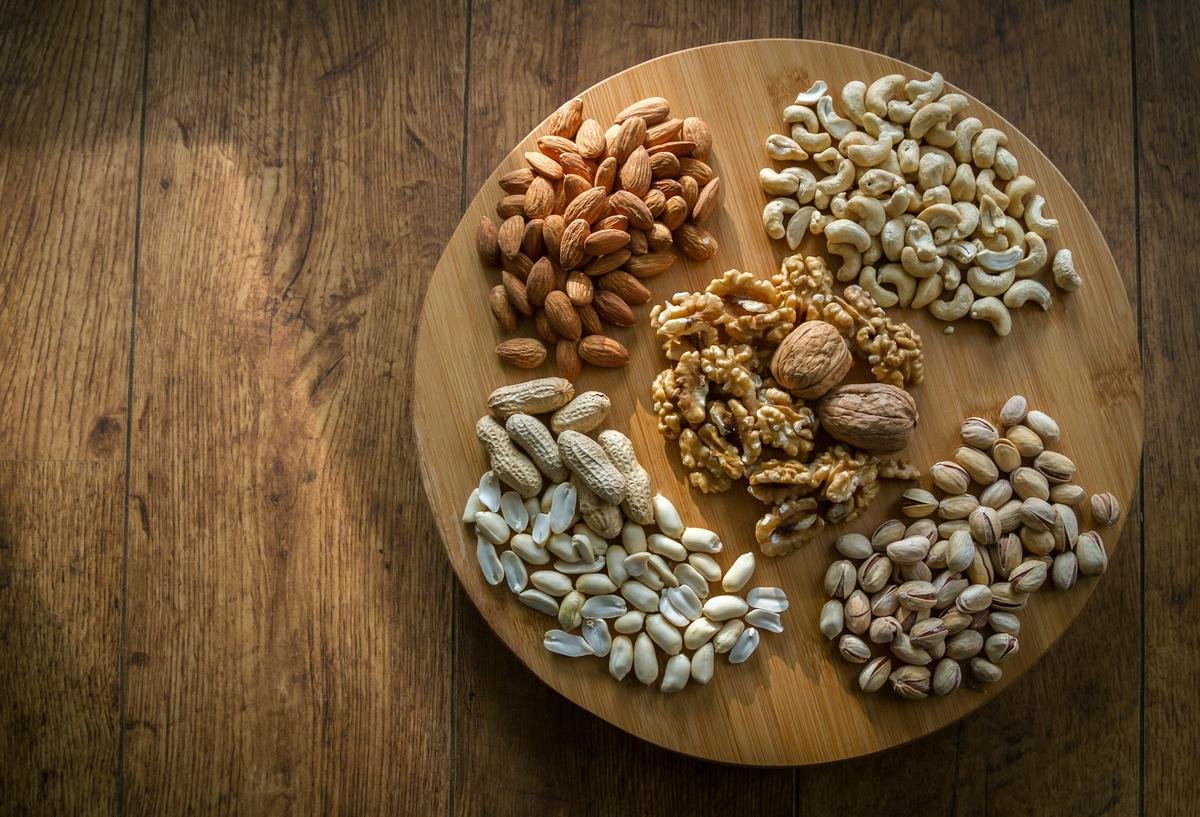
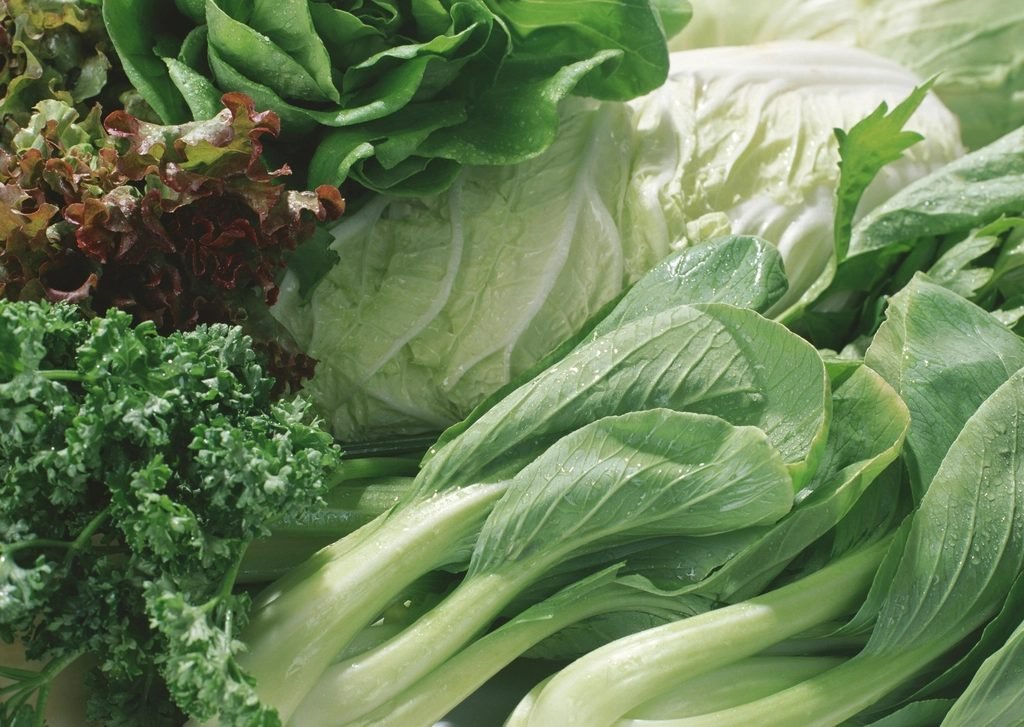
The good news is that magnesium is found in many delicious, everyday foods. Dark leafy greens like spinach, silverbeet, and kale top the list [3]. Nuts (especially almonds and cashews), seeds, legumes, and whole grains are also excellent sources [1][3]. Fruits like bananas, dried apricots, and avocados contribute, as do milk and yoghurt [3]. If you’re also noticing other vague symptoms, our guide to early signs of vitamin deficiency can help you spot what’s worth checking. A Mediterranean-style eating pattern naturally includes many of these foods. Think a handful of almonds as a snack, a lentil soup for lunch, and a big spinach salad with dinner. You’re already most of the way there.
5 easy tips to boost magnesium through diet
- Start your day with whole grains. A bowl of porridge or a slice of wholemeal toast gives you a solid magnesium base. Oats and whole wheat are reliable sources, and they keep you full until lunch [1].
- Snack on a handful of nuts or seeds. Almonds, cashews, and pumpkin seeds are particularly rich. Keep a small container in your bag or on the kitchen bench so they’re the easiest option [1][3].
- Add a serve of legumes to your lunch. Half a cup of chickpeas, lentils, or black beans in a salad or soup does the trick. They’re affordable, filling, and packed with fibre as well [1].
- Make leafy greens a dinner staple. Spinach, silverbeet, and kale are magnesium powerhouses. A quick sauté with garlic and olive oil takes minutes and lifts any meal [3].
- Enjoy a serve of milk or yoghurt daily. Dairy products contribute a modest but useful amount of magnesium, plus calcium for your bones [2][3].
These small shifts don’t feel like a ‘diet’ at all. They’re just good, honest eating.
How much magnesium do you need each day?
According to the Institute of Medicine (US), the recommended dietary allowance for magnesium is 310 to 420 mg per day for adults, depending on age and sex [5]. For those over 50, aiming for the upper end is wise [1]. To put that in perspective, a quarter-cup of almonds or a cup of cooked spinach each provide a meaningful amount toward your daily goal [1]. Magnesium plays a key role in cellular energy, so a mitochondrial health diet often overlaps with magnesium-rich eating. Interestingly, research suggests that modern farming may affect magnesium levels in food, so choosing whole, minimally processed foods is wise [6]. The beauty of a food-first approach is that you don’t need to count milligrams. Just eat a variety of whole foods and let your body do the rest.
Should you take magnesium supplements?
I rarely recommend supplements for magnesium unless a blood test confirms a deficiency. Most people can get enough through food, and high-dose supplements can cause diarrhoea or other issues, especially if you have reduced kidney function [3]. Taylor, quoted in the Cleveland Clinic article [1], puts it bluntly: ‘I rarely recommend people tally up magnesium or other vital nutrients. Instead, make sure to include a variety of fibre-rich plant foods in your diet every day and you’ll get where you need to be’ [1]. That’s advice I stand behind. If your doctor does suggest a supplement, follow their guidance on type and dose, as quality and absorption vary.
Simple meal ideas to get more magnesium
Putting a magnesium deficiency diet into practice doesn’t require fancy recipes. For breakfast, try porridge topped with sliced banana and a sprinkle of pumpkin seeds. Lunch could be a chickpea and spinach salad with a yoghurt dressing. For dinner, grilled fish with a side of sautéed silverbeet and brown rice covers all bases. Snack on a small handful of almonds and dried apricots. These meals are not only magnesium-rich but also simple and satisfying. The key is consistency. A few magnesium-rich choices each day add up quickly, and leftovers make tomorrow’s lunch even easier.
Related reading
- Prevent Chronic Fatigue After 50: Energy Habits Before You Blame Age for Everything: Related reading: Prevent Chronic Fatigue After 50: Energy Habits Before You Blame Age for Everything
- Bone Strength After 50: Prevention Habits Before a Fall Becomes a Drama: Related reading: Bone Strength After 50: Prevention Habits Before a Fall Becomes a Drama
- 10 Early Signs of Vitamin Deficiency You Should Never Ignore: Related reading: 10 Early Signs of Vitamin Deficiency You Should Never Ignore
- How to Restore Energy at the Cellular Level: The Mitochondrial Health Diet: Related reading: How to Restore Energy at the Cellular Level: The Mitochondrial Health Diet
Frequently asked questions
Can I get enough magnesium from food alone?
Yes, for most people. A balanced diet with plenty of plant foods easily meets daily needs. Supplements are rarely needed unless a doctor finds a deficiency through testing [1][3].
What are the early signs of magnesium deficiency?
Early symptoms can be subtle: loss of appetite, nausea, fatigue, and weakness. As levels drop further, you might notice muscle cramps, numbness, or tingling in the hands and feet [4][3].
Is magnesium deficiency common in older adults?
It’s more likely in older adults who don’t eat enough magnesium-rich foods, or who have conditions like type 2 diabetes or take certain medications long-term. Regular check-ups can catch it early [2].
Can a magnesium deficiency diet help with muscle cramps?
If cramps are caused by low magnesium, increasing magnesium-rich foods may help. However, many other factors cause cramps, so it’s worth checking with your GP before self-treating [4].
Are there any risks to eating too much magnesium?
From food, no. The body excretes excess. High-dose supplements can cause diarrhoea, and people with kidney problems should be cautious. Always talk to your doctor before starting supplements [3].
How quickly can a magnesium deficiency diet improve levels?
It varies. Mild deficiencies can improve within a few weeks of consistent dietary changes, but severe cases may need medical treatment. A blood test is the best way to monitor progress [4].
Honest take
I think the real beauty of a magnesium deficiency diet is that it’s just a healthy, balanced way of eating. You don’t need to count milligrams or buy fancy supplements. A plate filled with colour, a handful of almonds, and a few extra serves of greens each week can quietly cover your bases. But if you’re dealing with persistent symptoms, talk to your GP. It might not be magnesium at all. For most of us, a few tweaks to our weekly shop is all it takes.
References
- 25 Magnesium-Rich Foods You Should Be Eating. https://health.clevelandclinic.org/foods-that-are-high-in-magnesium
- healthdirect. Magnesium deficiency: symptoms, causes, treatment and prevention. https://www.healthdirect.gov.au/healthy-living/food-and-nutrition/magnesium-deficiency
- MedlinePlus. Magnesium in diet. https://medlineplus.gov/ency/article/002423.htm
- MedlinePlus. Magnesium deficiency. https://medlineplus.gov/ency/article/000315.htm
- Institute of Medicine (US). Dietary Reference Intakes for Calcium, Phosphorus, Magnesium, Vitamin D, and Fluoride. 1997. https://www.ncbi.nlm.nih.gov/books/NBK109816/
- Cazzola R, Della Porta M, Manoni M, Iotti S, Pinotti L, Maier JA. Going to the roots of reduced magnesium dietary intake: A tradeoff between climate changes and sources. Heliyon. 2020. https://pmc.ncbi.nlm.nih.gov/articles/PMC7649274/
Get well and stay well,
Ray Baker
