

You wanted to feel full of energy. But, even with healthy food, you’re tired in the afternoon. It seems like you’re doing everything right, but you’re not losing weight and you’re always hungry.
I’ve been there too. I’d eat a salad and then want to sleep. It’s because we make simple mistakes. These Mediterranean diet mistakes happen when we forget a few important things.
Don’t worry, you don’t need to start over. Small changes can make a big difference. Let’s find out how to fix this so you can feel great again.
Get Your 28-Day Plan Now
Key Takeaways
- Focus on nutrient density to keep hunger levels stable throughout the day.
- Ensure you are consuming enough healthy fats to maintain consistent energy.
- Avoid the trap of over-relying on refined grains, even if they seem healthy.
- Prioritize protein portions to support muscle health and satiety.
- Small, consistent lifestyle adjustments are more effective than drastic changes.
The Reality Check: Why Your Mediterranean Diet Isn’t Working
The Mediterranean diet is the top choice in the US News & World Report for seven years. Yet, many people don’t see the results they hope for. It’s more than just food; it’s a whole lifestyle.
The Quick Answer: Finding Your Balance
Wondering why Mediterranean diet not working for you? It might be because you’re missing out on social connection, exercise, and eating mindfully. Many people make Mediterranean diet beginner mistakes by seeing it as strict rules, not a flexible lifestyle.
To find your balance, eat whole foods and make sure your portions match your energy needs. Look at Mediterranean diet meal plans for beginners to learn how to eat well. Success is not about being perfect; it’s about finding a rhythm that works for you.
Three Key Takeaways for Sustainable Success
It’s key to move away from seeing food as the enemy for lasting health. When you stop seeing food as bad, you open up to real change. Here are three important points for lasting success:
- Practice Patience: Real health changes take time, so don’t expect quick results.
- Prioritize Consistency: Small, daily habits are better than trying to follow a strict plan all at once.
- Embrace the Lifestyle: Focus on the quality of your food and the joy of sharing meals to stay motivated.
Common Mediterranean Diet Mistakes That Sabotage Your Energy
If you feel tired or sluggish, you might be making common healthy eating mistakes. Your energy levels depend on the quality of your meals. Ignoring the balance of nutrients can make you feel tired and moody.
Underestimating Portion Sizes of Healthy Fats
Healthy fats like extra virgin olive oil are good for you. But they have a lot of calories. Pouring too much oil on your food can lead to eating too many calories. Moderation is key to keep these fats healthy for you.
The Trap of Refined Carbohydrates Disguised as Whole Grains
Not all grains are the same. Many “whole grain” foods are actually processed. These can make your blood sugar go up and down, making you feel tired and cranky. Always check the ingredients for hidden sugars and refined flours.
Neglecting Protein Density at Every Meal
Protein is important for steady energy and focus. Many people don’t eat enough good protein. This can make you hungry soon after eating. To get enough protein, try a mediterranean diet meal plan for beginners.
Over-Reliance on Convenience Foods
Today, we often choose processed foods that are not good for us. A 2017 CDC study showed few people eat enough vegetables. Choose fresh, whole foods instead of packaged snacks to keep your energy up.
Fueling Your Brain and Body: The Missing Nutritional Links
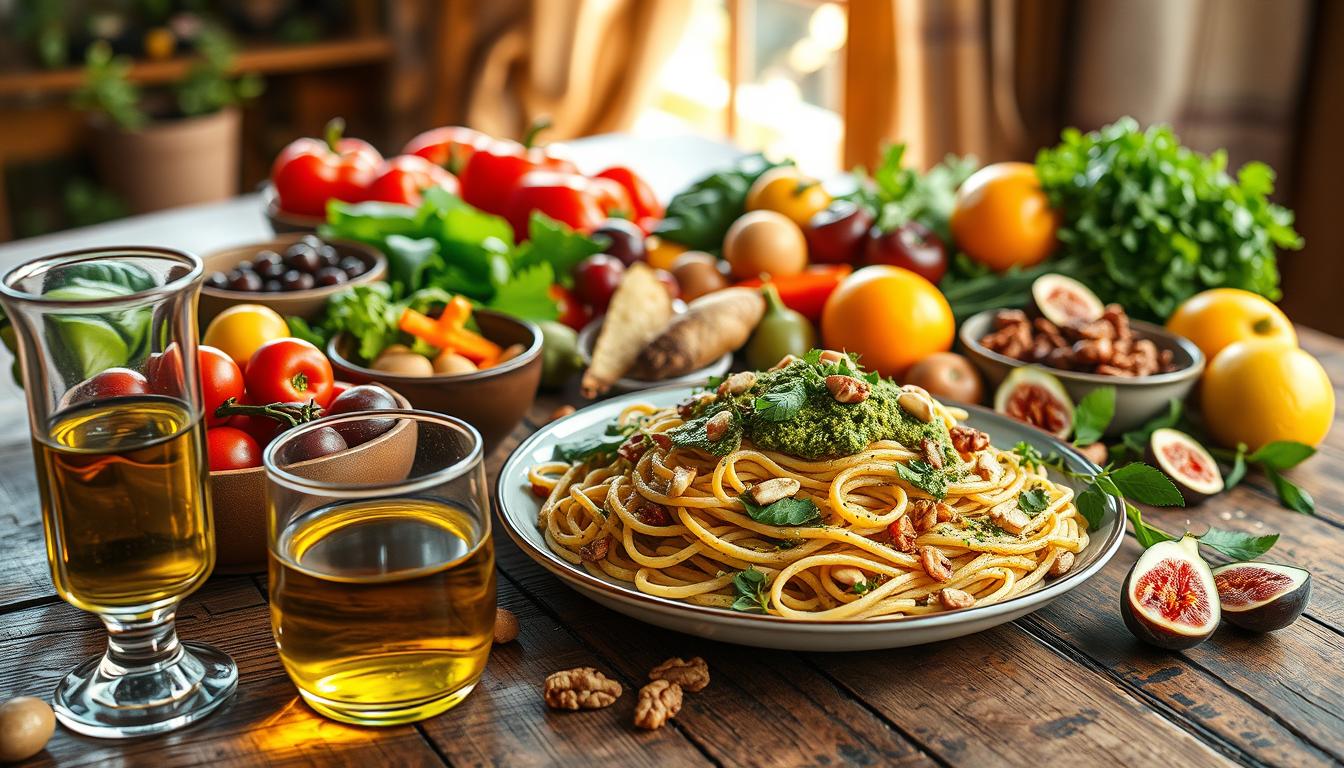
Olive oil is great, but it’s just one part of a big puzzle. Your brain needs many nutrients to work well. Eating just one food group is not enough for your brain’s health.
Why Your Brain Craves More Than Just Olive Oil
Your brain needs lots of vitamins and minerals for focus and energy. Healthy fats are good, but they need antioxidants from veggies and legumes. These foods protect your cells from damage.
Think of your plate as a colorful canvas. Dark greens, peppers, and berries give your brain important nutrients. Eating a variety of foods helps your brain stay healthy.
Balancing Micronutrients for Sustained Mood and Focus
Staying in a good mood depends on what you eat. It takes 15 to 20 minutes for your brain to tell your body it’s full. Eating too fast can make you eat too much.
Eating nutrient-rich foods helps you feel full longer. Complex carbs and lean proteins give your brain steady energy. This stops energy crashes that make you feel bad.
The Role of Hydration and Electrolytes in Daily Energy
Many people think they’re hungry when they’re really thirsty. Drinking enough water is key for digestion and getting nutrients to your brain. Even a little dehydration can make you tired and foggy.
Here’s how different foods help you stay energized:
| Food Category | Key Nutrient | Primary Benefit |
|---|---|---|
| Leafy Greens | Vitamin K & Folate | Supports cognitive function |
| Legumes | Magnesium | Promotes steady energy |
| Berries | Flavonoids | Enhances mood and focus |
| Water/Hydration | Electrolytes | Prevents mental fatigue |
Drinking enough water and eating a variety of foods is key for energy. Your brain and body work together. Nourishing them well boosts your daily energy.
Simple Adjustments to Get Your Progress Back on Track

Getting back on track with your nutrition is easy. Focus on small changes to avoid healthy eating mistakes. These tips will make your routine simpler and boost your energy.
Building a Plate That Keeps You Full Longer
Staying full is all about fiber and volume. Fill half your plate with veggies like spinach or broccoli. They give you nutrients without extra calories.
Then, add a good protein and a bit of healthy fat. This mix slows down digestion and keeps your energy up. It stops the crash that happens in the afternoon.
Strategic Meal Planning for Busy Schedules
Cooking at home helps you control what you eat. Restaurant meals often have too much fat and sugar.
Batch-cook proteins and grains on Sunday. This way, you can make a healthy meal fast, even when you’re busy.
How to Adjust Your Grocery List for Better Results
Your grocery list is key to success. Choose whole foods over processed ones with hidden additives.
Here’s a table to help you avoid mistakes and make better choices:
| Common Mistake | The Better Choice | Why It Works |
|---|---|---|
| Refined white pasta | Whole grain or legume pasta | Higher fiber for satiety |
| Store-bought salad dressing | Extra virgin olive oil & lemon | Eliminates hidden sugars |
| Frozen convenience meals | Grilled chicken & roasted veggies | Lower sodium, higher nutrients |
We have a 7-day meal plan and a detailed grocery list for you. Share this message with a friend for support: “Hey! I’m improving my nutrition and need your help. Want to try these new habits with me?”
Ready to make these changes permanent? Click the button below for our 28-day plan.
Start Your 28-Day Transformation Plan
Conclusion
Eating this way is for long-term health, not just quick fixes. You can learn the dos and donts of the Mediterranean diet. Focus on fresh, whole foods that make your body strong.
Experts like Christy Brissette and Trista Best say being consistent is key. It’s better than trying to be perfect all the time.
Frequently Asked Questions
Can I snack? Yes, choose simple things like olives, almonds, or Greek yogurt. Are alcoholic drinks okay? You can have a glass of red wine with dinner, but just a little.
How do I handle social events? Stick to grilled meats and veggies to stay on track. Is this a strict plan? No, it’s flexible and fits your life.
Always talk to your doctor before changing your diet. This info is just a guide, not medical advice. Enjoy finding new tastes and the path to better health.
