
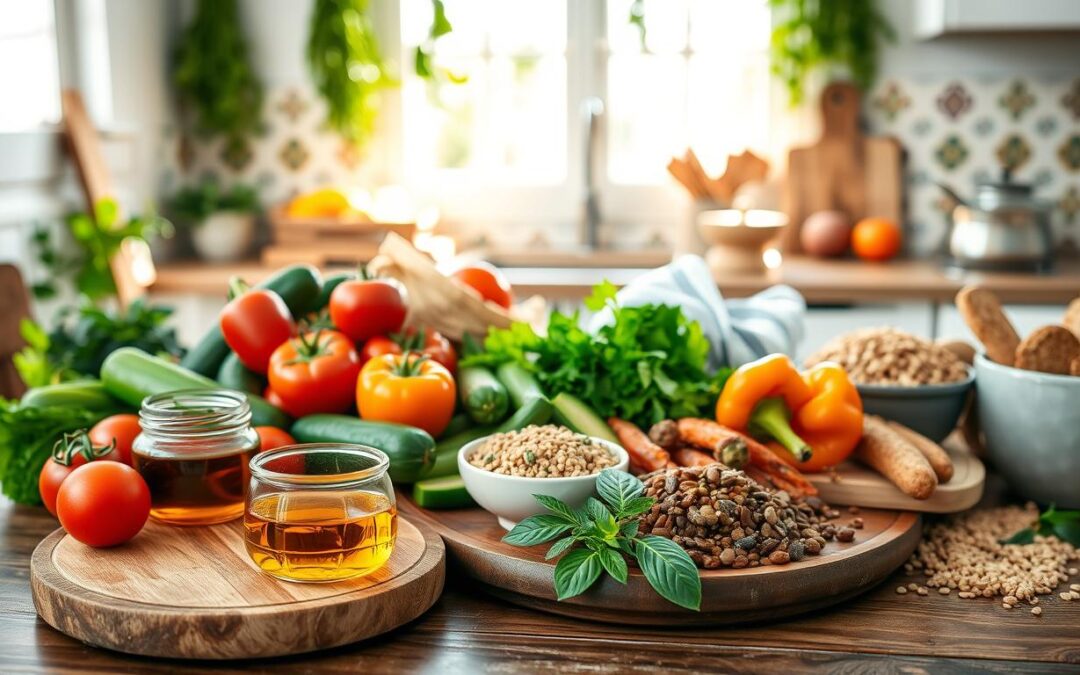
Ever feel tired by mid-afternoon? It’s common. With more people over 60, we all want to stay young. But, we don’t want to live on kale or spend all day at the gym.
Good news! You don’t need a hard plan to feel good. The Mediterranean diet for healthy aging is simple and backed by science. It’s not just a trend. It’s a way to keep your energy up through life’s stages.
Start Your Journey Today
Key Takeaways
- The global population of seniors is expected to reach 22% by 2050, making proactive wellness essential.
- Feeling sluggish after 50 is a common challenge that can be managed through better nutrition.
- This approach focuses on sustainable, long-term habits, not restrictive fads.
- Scientific evidence consistently supports this lifestyle as a foundation for long-term vitality.
- Small, consistent changes in your daily meals lead to significant improvements in how you feel.
Why Your Energy Levels Are Dipping and How to Fix Them
Feeling tired by 3:00 PM is not just normal as you get older. Fatigue is not a must after 50. Your energy levels show what you do every day. Eating better foods can help you feel more alive all day.
The Afternoon Slump Reality Check
Many people don’t get enough food, and others eat bad food that hurts their health. Eating processed snacks makes your blood sugar go up and down. This makes you feel very tired. Eating healthy aging foods is the best way to stop this.
Studies show that eating like an older adult on the Mediterranean diet can make you feel better. This diet uses whole foods that give you energy all day. You don’t need to change your whole kitchen to feel better.
Small Dietary Tweaks for Immediate Results
Start with small changes for big results. Instead of sugary snacks, eat foods high in fiber. These changes help you stay full and have more energy without spending hours cooking.
- Swap refined crackers for a handful of raw almonds or walnuts.
- Choose Greek yogurt with fresh berries instead of pre-packaged pastries.
- Add a side of leafy greens to your lunch to boost your fiber intake.
The table below shows how easy changes can boost your energy. Eating healthy aging foods helps your body stay strong.
| Current Habit | Energy Impact | Better Alternative |
|---|---|---|
| White Bread Toast | Rapid Blood Sugar Spike | Whole Grain Sourdough |
| Sugary Energy Drink | Mid-Afternoon Crash | Green Tea or Infused Water |
| Potato Chips | Inflammatory Fats | Roasted Chickpeas |
| Candy Bar | Temporary Sugar Rush | Fresh Seasonal Fruit |
The Mediterranean Diet for Healthy Aging: What the Science Says
For decades, scientists have studied the Mediterranean diet for healthy aging. This diet is not just a trend. It was recognized by UNESCO in 2010 as a cultural treasure. Ancel Keys showed us how food choices affect our health.
Moving Beyond the Fad Diet Label
There are always new diets that promise quick fixes. But the longevity diet is different. It’s not about quick results or strict rules. It’s a way of eating that has kept people healthy for centuries.
This diet focuses on eating whole foods, not just counting calories. It’s about eating plants, healthy fats, and lean proteins. This way of eating is good for your body and makes eating enjoyable.
Why Consistency Beats Perfection
Many people give up because they want to be perfect. But you don’t have to be perfect to see benefits from the longevity diet. Making small, steady changes can make a big difference in your health.
The Mediterranean diet for healthy aging is all about balance and flexibility. Seeing nutrition as a lifelong journey helps you enjoy food without worrying about failure. This approach helps you stay healthy for years.
| Feature | Fad Diets | Mediterranean Approach |
|---|---|---|
| Sustainability | Short-term | Lifelong |
| Food Variety | Highly Restrictive | Diverse & Inclusive |
| Scientific Basis | Limited/Anecdotal | Extensive Research |
| Primary Goal | Rapid Weight Loss | Overall Vitality |
Fueling Your Brain and Balancing Your Mood
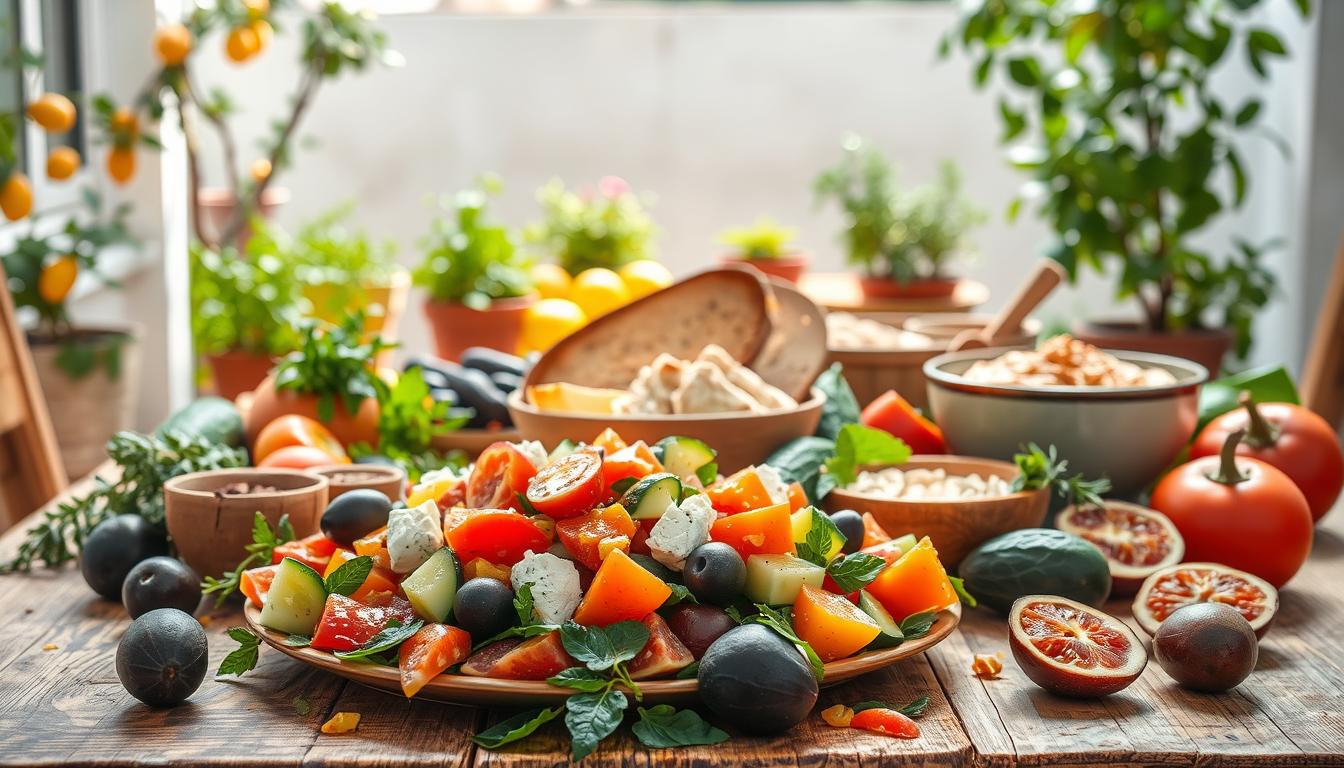
Keeping your brain sharp as you age starts with what you eat. A Mediterranean diet for healthy aging gives your brain what it needs. Eating whole foods helps your mind stay clear and your mood stable.
The Gut-Brain Connection After 50
Your gut is like a second brain. After 50, it’s key for your mood and thinking. Eating foods high in fiber and fermented foods keeps your gut healthy.
A healthy gut means less inflammation. This is why the Mediterranean diet older adults follow is great for brain health.
Essential Nutrients for Cognitive Clarity
To keep your mind sharp, focus on certain nutrients. These nutrients protect your brain cells from aging. Adding them to your meals is a smart choice for your future.
Omega-3 Fatty Acids and Your Mental Edge
Omega-3 fatty acids are vital for brain cell health. You can find them in salmon, walnuts, and flaxseeds. Regularly eating these fats can help prevent memory loss.
Antioxidants and Brain Longevity
Antioxidants protect your brain from damage. Eating colorful fruits, veggies, and olive oil helps. Following the Mediterranean diet for healthy aging can lower Alzheimer’s risk.
Starting these habits can greatly improve your life. Small changes can make a big difference in how you feel and think every day.
Sustaining Energy Through Nutrient-Dense Choices
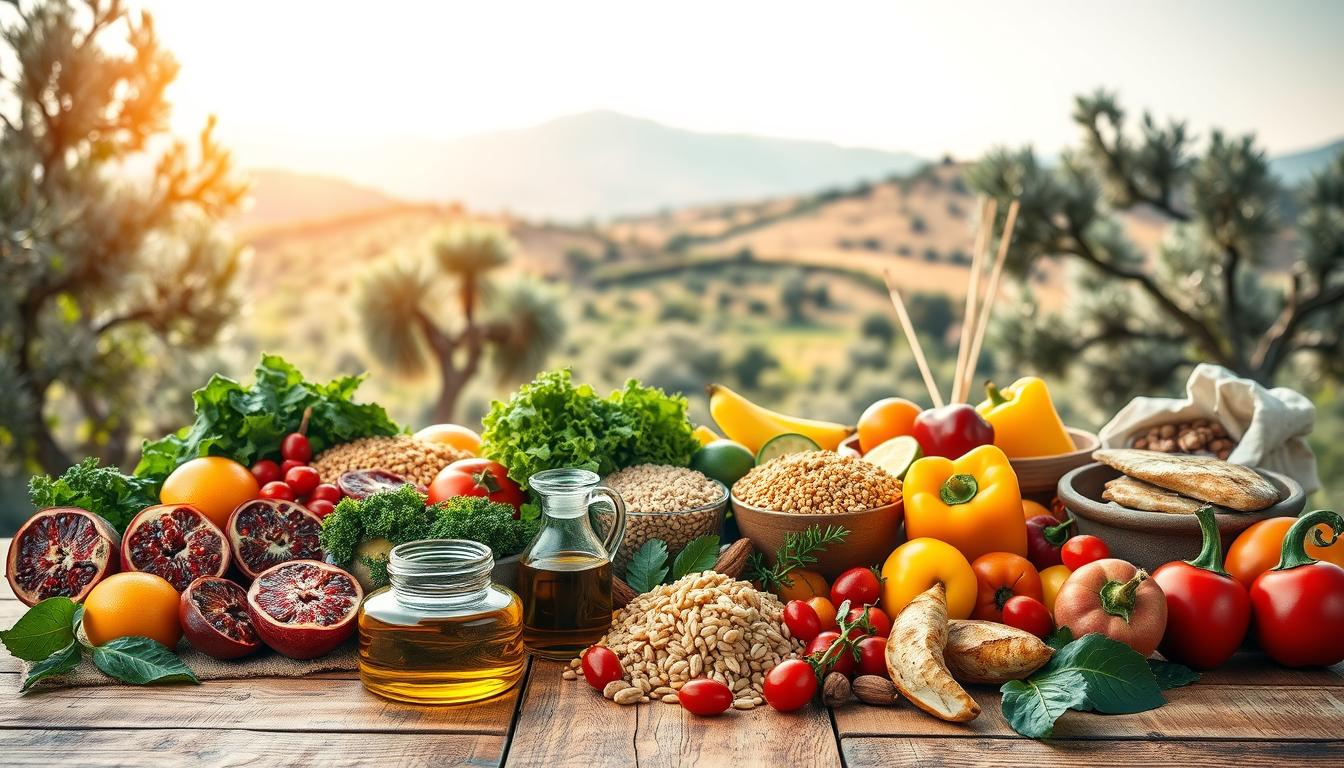
Did you know the secret to lasting energy is in your pantry? Eating healthy aging foods gives your body the best vitamins and minerals. This helps your cells work well all day.
Prioritizing Whole Foods Over Supplements
Supplements are good, but whole foods are better. They have vitamins, fiber, and antioxidants together. This mix is hard to find in pills.
Whole foods are key to a longevity diet. Eating colorful veggies, legumes, and lean proteins boosts your health. It’s better than taking pills.
The Role of Healthy Fats in Daily Vitality
Healthy fats are important for your brain and hormones. They keep you full and stop energy drops. A longevity diet uses plant-based fats instead of bad ones.
Why Olive Oil Remains the Gold Standard
Extra virgin olive oil is the best for cooking. It’s better than butter or margarine. It’s full of good fats for your heart.
| Nutrient Source | Bioavailability | Added Benefits |
|---|---|---|
| Whole Vegetables | High | Fiber & Antioxidants |
| Extra Virgin Olive Oil | High | Heart-Healthy Fats |
| Synthetic Supplements | Variable | None |
Small changes in your diet can lead to big health benefits. Sticking to these choices is key to lasting health.
Practical Steps to Refresh Your Kitchen Routine
Starting a healthier lifestyle is easy. Just make small changes to your pantry and shopping. This way, you can easily add healthy aging foods to your diet.
Building Your Mediterranean Grocery List
Start by stocking up on the right foods. Choose whole, unprocessed items for lasting energy. This is great for the Mediterranean diet older adults find easy to follow.
- Produce: Leafy greens, tomatoes, cucumbers, and seasonal berries.
- Pantry: Extra virgin olive oil, chickpeas, lentils, and walnuts.
- Proteins: Wild-caught salmon, sardines, and Greek yogurt.
- Grains: Quinoa, farro, and whole-grain sourdough bread.
Simple Recipes for Busy Weeknights
You don’t need to spend hours cooking. These recipes are quick and tasty. They help you stay healthy even when you’re busy.
Quick Mediterranean Bowls for Energy
Start with cooked quinoa, fresh spinach, and cherry tomatoes. Add canned chickpeas, olive oil, and lemon juice. This makes a nutrient-dense meal that lasts.
The Seven-Day Longevity Meal Plan
This plan offers variety and balance. It keeps your meals interesting. Studies show it helps with weight management and sticking to a diet.
| Day | Breakfast | Lunch | Dinner |
|---|---|---|---|
| Mon-Wed | Oatmeal with walnuts | Lentil salad | Baked salmon |
| Thu-Fri | Greek yogurt | Chickpea bowl | Grilled chicken |
| Sat-Sun | Veggie omelet | Quinoa bowl | Roasted vegetables |
Key Takeaways: Focus on whole foods and healthy fats. Keep your pantry full of staples. Sharing your journey makes it more fun. Tell a friend: “I’m starting a new healthy eating plan. Want to join me?”
Download Your Full Meal Plan Here
Conclusion
Starting a longevity diet changes your golden years. It helps your bones, brain, and energy. You can make your health better with simple habits every day.
Studies say this diet fights Alzheimer’s disease and keeps you feeling good. It’s not about cutting out food. It’s about eating foods that make your body and mind strong. Try adding olive oil, legumes, and fresh veggies to your meals.
Frequently Asked Questions
Is this diet expensive? No, you can save money by buying in season and in bulk. It’s affordable for many people.
Do I have to give up my favorite foods? No, you add good foods instead of cutting out bad ones. Balance is important for lasting health.
Can I start at any age? Yes, your body gets better with these foods at any time. Every meal helps your future health.
How do I keep going? Make simple recipes and shopping lists that fit your life. Small steps lead to big changes.
Disclaimer: This content provides general information only. Always consult your healthcare provider before making significant changes to your diet or exercise routine.
