
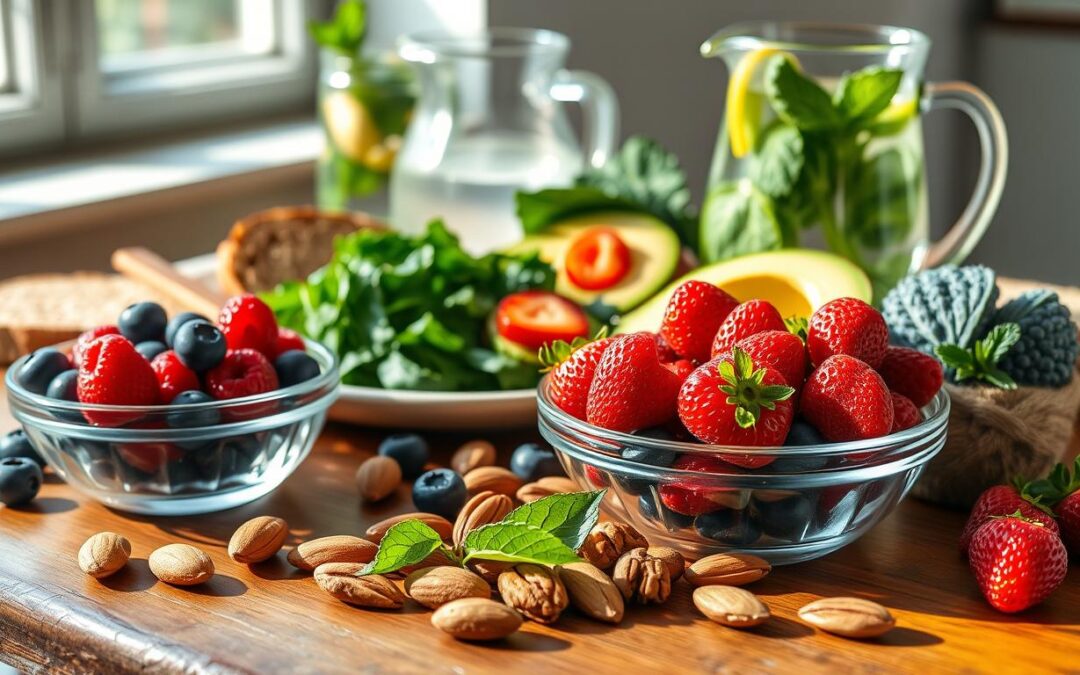
Ever feel like your dinner is boring because your blood test shows high fat levels? It’s common to feel this way when your triglycerides are over 150 mg/dL. This can be scary for your heart health.
You want to eat well but don’t want to give up tasty food. The thought of eating only steamed broccoli and air seems too hard.
But, you don’t have to give up all the fun in cooking. Small, sustainable shifts in your daily life can help. You can learn these lifestyle changes to reduce triglycerides to find a balance that works for you. It’s about making smart choices, not hard ones, to keep your heart healthy.
Want to take charge of your health without giving up food you love? Start your journey today. You’ll see how easy it is to make changes that make a big difference.
Key Takeaways
- Triglyceride levels above 150 mg/dL can increase your risk of heart disease.
- Small, consistent dietary changes are more effective than extreme, restrictive diets.
- Focus on incorporating healthy fats and whole grains while minimizing added sugars.
- Regular physical activity is a vital partner to your nutrition plan for better results.
- Consulting with a registered dietitian can help you create a personalized, sustainable strategy.
The Reality of Managing Triglycerides Through Food
Did you know your daily energy is linked to triglyceride levels? These fats are a main fuel source in your blood. But too many can make you feel slow and harm your heart. Learning to lower triglycerides naturally can boost your energy and protect your heart.
Why Your Triglyceride Levels Matter for Daily Energy
Your body stores extra energy as triglycerides, which are fats in your blood. Normal levels are below 150 mg/dL. But levels between 200 and 499 mg/dL are high and can hurt your health.
When these levels rise, your body can’t use energy well. This often makes you feel tired or confused.
| Category | Level (mg/dL) | Health Status |
|---|---|---|
| Normal | Less than 150 | Optimal |
| Borderline High | 150 – 199 | Monitor closely |
| High | 200 – 499 | Requires action |
| Very High | 500 or above | Medical attention |
The Quick Answer: What You Need to Know Now
To keep your health in check, cut down on refined sugars and processed carbs. They raise blood fats. Add healthy fats like those in salmon or walnuts to balance your system.
Eating whole foods and staying active can lower triglycerides naturally. Focus on making small, lasting changes for better health.
Three Key Takeaways for Your Health Journey
Remember these key points to stay on track:
- Prioritize whole foods: Choose fiber-rich veggies and lean proteins to help lower triglycerides naturally.
- Monitor your progress: Regular blood tests show how your changes are working.
- Stay consistent: Daily habits are better for your heart than big efforts now and then.
Disclaimer: This content is for informational purposes only and does not constitute medical advice. Always consult with a qualified healthcare provider before making significant changes to your diet or exercise routine, specially if you have existing health conditions.
Essential Foods to Lower Triglycerides Naturally
Eating the right foods helps you lower triglycerides naturally. It also makes you feel better and think clearer. Good foods give your brain the energy it needs all day.
It’s not about cutting out food. It’s about picking the best ones. Eating the right foods to lower triglycerides can really improve how you feel.
The Power of Omega-3 Rich Fatty Fish
Fatty fish like salmon, mackerel, and sardines are full of omega-3s. These fats fight inflammation and help your heart.
They also help your brain work better and keep your mood steady. Try to eat these fish at least twice a week for your heart’s sake.
Choosing Complex Carbohydrates Over Refined Sugars
It’s important to balance healthy fats and carbs for stable blood sugar. Refined sugars can raise triglycerides. So, choose complex carbs instead.
The American Heart Association says to limit added sugar. Choose whole grains like quinoa and brown rice for energy that lasts.
Fiber-Packed Vegetables and Legumes for Sustained Energy
Vegetables and legumes are full of vitamins and minerals. They’re low in fat and high in nutrients. They’re great for your pantry.
Why Soluble Fiber is Your Best Friend
Soluble fiber helps soak up and remove fats. It keeps your blood lipid levels healthy.
Beans, lentils, and peas are great sources of soluble fiber. Add them to soups or salads to get more fiber.
Healthy Fats That Support Heart and Brain Function
Following a Mediterranean diet triglycerides means eating healthy fats. Avocados, walnuts, and olive oil are good for your brain and heart.
| Food Category | Recommended Item | Primary Benefit |
|---|---|---|
| Fatty Fish | Wild-caught Salmon | High Omega-3 content |
| Complex Carbs | Steel-cut Oats | Sustained energy release |
| Legumes | Lentils | Rich in soluble fiber |
| Healthy Fats | Avocado | Supports brain health |
Smart Swaps for Your Favorite Real Meals

Making small changes in your kitchen can lower triglyceride levels. You don’t need to change everything at once. Focus on healthy fats and carbs for meals that are good for you.
Transforming Your Weekend Roast into a Heart-Healthy Feast
A weekend roast is a favorite for many. But it often uses a lot of butter or margarine. Use extra virgin olive oil for roasting veggies and meats instead. This adds healthy fats to your diet.
Season your roast with fresh rosemary, garlic, and lemon zest. These give deep flavor without processed additives. Your roast will be juicy and better for your heart.
Mediterranean-Inspired Pasta Alternatives That Satisfy
Pasta is a comfort food, but white flour can raise blood sugar and triglycerides. Try whole-grain, chickpea, or lentil pasta for more fiber and protein. These keep your energy steady.
For sauce, use crushed tomatoes, fresh basil, and sautéed spinach. Avoid heavy cream sauces that are high in saturated fats. This way, you can enjoy pasta that keeps you full and energized.
How to Keep Your Comfort Foods While Cutting Triglycerides
Keeping a balanced diet is easier with a plan. Here’s a simple way to make these changes part of your weekly routine.
| Meal Type | Traditional Ingredient | Healthy Swap |
|---|---|---|
| Salad Dressing | Creamy Ranch | Olive Oil & Vinegar |
| Cooking Fat | Butter | Avocado or Olive Oil |
| Side Dish | White Rice | Quinoa or Cauliflower Rice |
Being consistent is key to managing your health. We have a 7-day meal plan with these tasty swaps. It makes meals exciting and healthy. Follow this guide for easy grocery shopping and meal prep all week.
Ready to take control of your health? Click the button below to download your 7-day meal plan. Start your journey to better heart health today.
Nutrition for Brain Health, Energy, and Mood
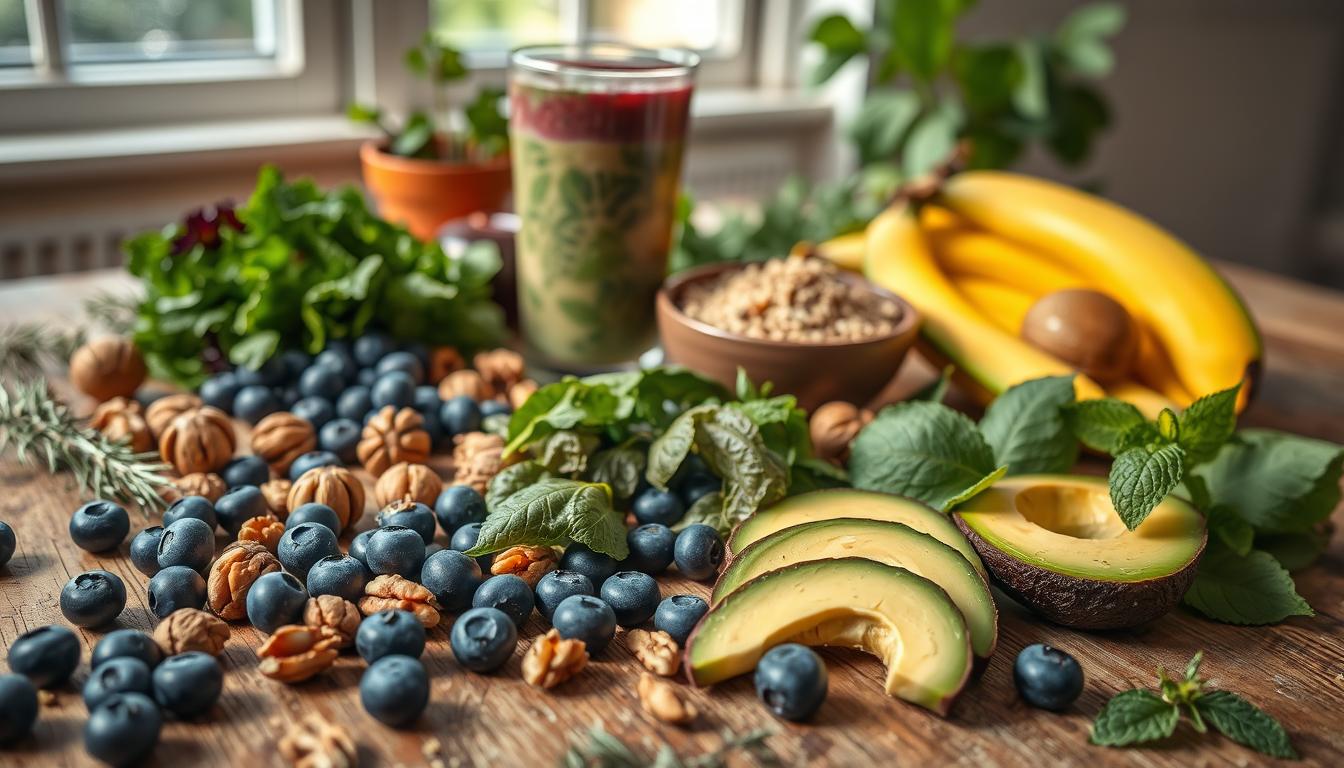
Your food choices do more than just fuel your body. They shape your mental clarity and emotional well-being. Eating nutrient-dense meals gives your brain what it needs to function well.
This approach helps you stay energized and feel good all day. It’s a holistic way to take care of your mind and body.
The Gut-Brain Connection and Your Dietary Choices
Your digestive system and brain are closely linked. A balanced gut microbiome talks to your brain, affecting your focus and stress levels. Eating fiber-rich foods and fermented options helps keep your gut healthy.
A healthy gut means your body fights inflammation better. This leads to clearer thinking and a better mood. Nourishing your gut is the first step to nourishing your mind.
Vitamins and Minerals That Boost Your Daily Vitality
Some nutrients boost your energy. Magnesium, B vitamins, and omega-3 fatty acids are key for thinking clearly. They turn food into energy and protect your brain.
Eating colorful veggies, nuts, and seeds gives you these nutrients. Consistency in your nutrient intake helps avoid energy slumps. Eating right makes you feel more alert and ready for the day.
Managing Stress Through Mindful Eating Habits
Stress can harm your health and energy levels. Mindful eating helps you eat slowly and listen to your body. It reduces stress that can lead to bad food choices.
Being active also affects how you use energy. For example, walking after eating lowers triglycerides by 30% to 50%. Your muscles burn fat, keeping your metabolism going.
If you have a friend who could use a little extra motivation, feel free to share this message with them:
“Hey! I’ve been learning about how simple food swaps and mindful habits can really boost our energy and mood. I thought you might find these tips helpful for your own health journey. Let’s support each other in feeling our best!”
Conclusion
Small changes to your daily plate can make a big difference in your health. You can improve your blood markers by eating whole foods. These foods fuel your body and mind.
Consistency is key to success. It’s the secret ingredient.
Do you have questions about your journey? Here are answers to common concerns.
Can I eat out at restaurants? Yes, you can. Look for grilled fish or lean proteins at places like Chipotle or True Food Kitchen. Ask for sauces on the side to control sugar intake.
How long until I see results? Many people feel more energetic within weeks. Blood work often shows positive changes after three months of good habits.
Is fruit bad for my levels? Whole fruits are good because they have fiber. This helps balance your system. Choose berries and apples instead of fruit juices or dried snacks.
Do I need expensive supplements? Eat real food first. Brands like Wild Planet offer high-quality sardines. They provide natural nutrients without the need for pills.
Taking care of your heart health is important. Every meal is a chance to nourish your cells and improve your focus. Start these habits today for a vibrant, active life in the future.
