

Have you ever thought about how your meals might be affecting your health? About 25% of people worldwide are dealing with a group of health problems. If you’re feeling lost in all the nutrition advice, you’re not alone.
But there’s hope. A Mediterranean diet metabolic syndrome approach is a proven solution. It focuses on eating whole, healthy foods. This improves how your body handles sugar and lowers inflammation. It’s a way to take back control without feeling like you’re missing out.
By following this diet for metabolic syndrome, you can manage your health better. Start your journey to better health today by clicking the button below.
Key Takeaways
- Approximately one-quarter of the world’s population meets the criteria for this health cluster.
- The Mediterranean eating pattern is clinically recognized for reducing risks of heart disease and diabetes.
- Focusing on whole foods helps improve your body’s insulin sensitivity naturally.
- Reducing systemic inflammation is a primary benefit of this nutritional approach.
- Small, consistent changes to your daily habits lead to significant long-term health improvements.
The Quick Fix: Why Your Body is Craving a Mediterranean Shift
We’ve all stared at a sad salad, dreaming of a greasy burger. Wondering why healthy eating has to be so hard. If your body protests your food choices, you’re not alone. Choosing a diet for metabolic syndrome shouldn’t feel like a prison.
Your body is screaming for a change, but it doesn’t want more restriction. It wants real, nutrient-dense food that satisfies hunger. A Mediterranean diet upgrades your body with high-quality ingredients.
This approach is not about cutting calories but upgrading your diet. Unlike fad diets, it focuses on abundance, not deprivation. A study on metabolic health shows it’s effective for long-term health. Swapping processed snacks for whole foods gives your body steady energy.
Looking for a sustainable path? A Mediterranean diet for metabolic syndrome can be a natural reset. You’ll notice several benefits:
- Increased satiety from healthy fats like olive oil and nuts.
- Stable blood sugar levels that prevent energy crashes.
- Reduced inflammation, helping your body function better.
Embracing this change is about consistency, not perfection. It’s a gentle transition that respects your body. By choosing a diet for metabolic syndrome that’s flavorful, you’re setting yourself up for a happier, healthier future.
Understanding the Metabolic Cluster: Belly Fat, Blood Pressure, and Cholesterol
Getting to know the metabolic cluster is key to feeling better for a long time. This group of health issues often shows up together. They can affect your whole body.
Checking your belly fat blood pressure cholesterol levels helps you see how your body is doing. These signs are connected in your body’s chemistry.
The Science of the Cluster
Your body’s energy processing is at the core of this cluster. When your cells don’t respond well to insulin, managing blood sugar becomes tough.
This problem can cause too much belly fat blood pressure cholesterol and inflammation. These issues make it hard for your body to stay healthy.
Why Traditional Approaches Often Fall Short
Many health plans just treat one symptom at a time. You might get medicine for high blood pressure but not fix the metabolic issue that caused it.
This way of treating health rarely fixes the real problem. You need a full insulin resistance diet to help your body balance itself.
By choosing a lasting insulin resistance diet, you avoid quick fixes. This approach helps your body stay healthy for a long time.
The Mediterranean Diet for Metabolic Syndrome: More Than Just Olive Oil
Olive oil is important, but the Mediterranean diet is more than that. It’s about eating whole, plant-based foods. This diet is not just a quick fix. It’s a way of life that helps your body stay healthy.
Core Principles of the Mediterranean Pattern
This diet focuses on eating high-quality foods. Fill your plate with colorful fruits and veggies. Also, eat fiber-rich grains for important vitamins and minerals.
To follow this diet for metabolic syndrome, add these foods to your meals:
- Fresh Produce: Fruits and veggies are full of antioxidants.
- Whole Grains: Oats, barley, and brown rice keep your energy up.
- Legumes and Nuts: They’re great for plant-based protein and healthy fats.
- Healthy Fats: Use extra virgin olive oil instead of butter.
Why This Approach Targets Metabolic Health
The Mediterranean diet metabolic syndrome link is about fighting inflammation. Eating foods high in antioxidants helps your body. This is key for better insulin sensitivity and metabolic health.
Choosing these foods helps with belly fat blood pressure cholesterol. The mix of fiber, healthy fats, and phytonutrients works better than processed foods.
| Feature | Western Diet | Mediterranean Diet |
|---|---|---|
| Primary Fat Source | Saturated/Trans Fats | Monounsaturated Fats |
| Fiber Content | Low | High |
| Inflammation Level | High | Low |
| Metabolic Impact | Increases Risk | Supports Balance |
Fueling Your Brain and Mood: The Nutritional Connection
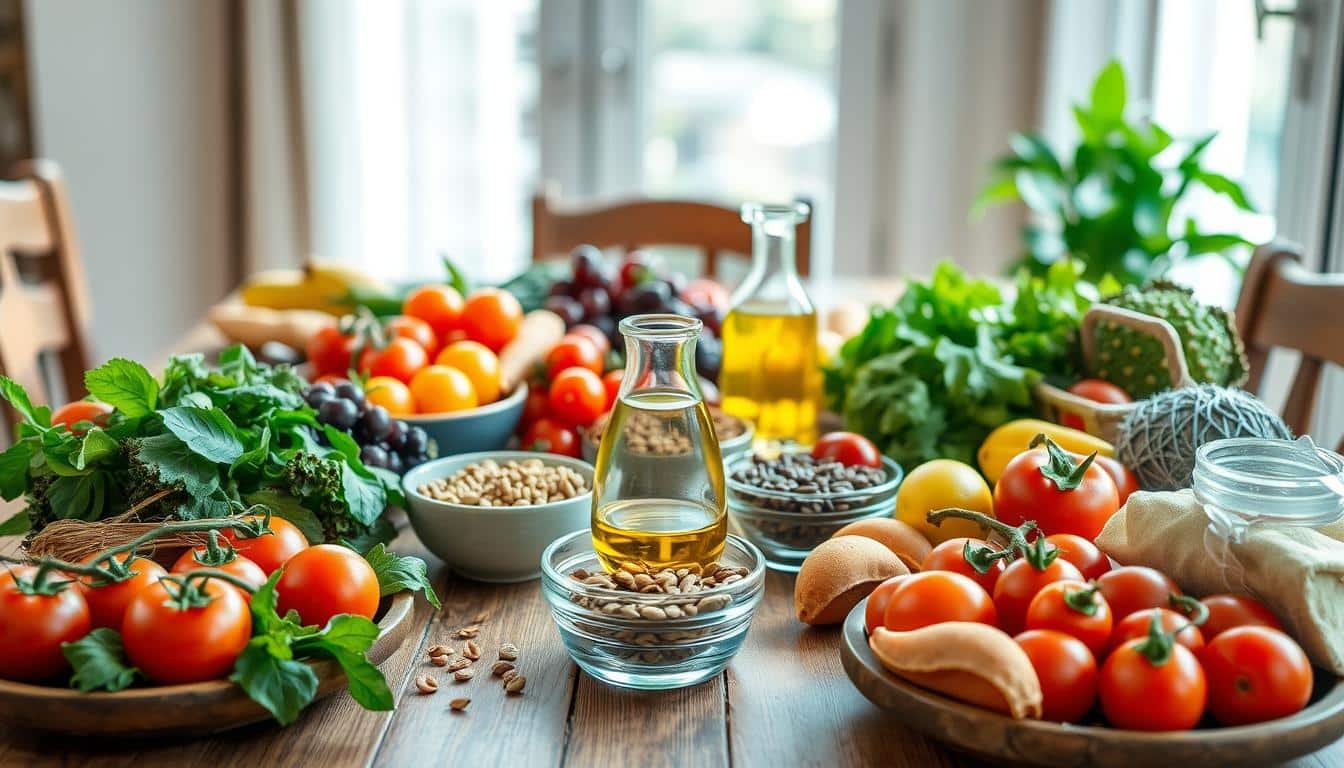
Did you know your brain is very active? It needs the right food to stay sharp. A good diet helps your brain work well.
Good food choices boost your brain power. Eating whole foods and healthy fats is key. This keeps you focused and alert.
Vitamins and Minerals for Cognitive Clarity
Your brain needs special helpers from food. Brain-derived neurotrophic factor (BDNF) and adropin are important. They protect and grow brain cells.
Eating like a Mediterranean diet is good. It gives your brain the vitamins and minerals it needs. Add foods like leafy greens, walnuts, and berries to your meals.
- Leafy greens for folate and vitamin K.
- Walnuts and flaxseeds for essential omega-3 fatty acids.
- Legumes as a primary source of plant-based proteins.
- Berries to provide antioxidants that combat oxidative stress.
How Stable Blood Sugar Impacts Your Daily Mood
Ever felt tired and grumpy in the afternoon? This “brain fog” comes from blood sugar issues. Your brain needs steady energy to stay happy.
Choosing complex carbs and fiber helps. This keeps your blood sugar stable. You’ll feel better and handle stress better.
Good food choices are good for your brain. Eating right keeps your mind sharp and calm.
Practical Steps to Build Your Insulin Resistance Diet
Creating a good insulin resistance diet is simpler than you think. You don’t have to change everything at once. Start with small steps to make eating better for your health.
Prioritizing Whole Foods Over Processed Alternatives
Choosing natural foods helps keep your blood sugar stable. Avoid processed snacks with hidden sugars and bad flours. They make you feel tired. Go for foods that make you feel full and sharp.
Here are easy changes for a better diet for metabolic syndrome:
- Replace sugary granola bars with raw almonds or walnuts.
- Swap white bread for sprouted grain or sourdough.
- Choose fresh berries over dried fruit or fruit snacks.
Managing Portion Sizes Without the Stress
Counting every calorie can be stressful. Use the “plate method” instead. It helps you balance fiber, fats, and proteins without tracking every bite.
Fill half your plate with veggies like spinach or peppers. Use one-quarter for protein and the last quarter for carbs. This insulin resistance diet keeps your energy steady. Listen to your hunger to make healthy eating easy, not hard.
Your Mediterranean Toolkit: Grocery Lists and 7-Day Meal Plans

Switching to a Mediterranean diet metabolic syndrome plan starts with a good kitchen. Having the right ingredients makes your day easier. This is the key to success.
Essential Items for Your Pantry
A healthy pantry means you always have what you need for a good meal. Choose items that are full of fiber, healthy fats, and plant-based proteins. These help you make a quick, healthy dinner any day.
- Extra virgin olive oil: Your main source of healthy fats.
- Legumes: Have canned or dried chickpeas, lentils, and black beans.
- Whole grains: Keep quinoa, farro, and brown rice for easy sides.
- Nuts and seeds: Walnuts, almonds, and chia seeds are great for snacks or salads.
- Canned tomatoes and spices: They make tasty, low-sodium sauces.
A Sample Week of Mediterranean Eating
Following a Mediterranean diet metabolic syndrome plan means being consistent. The table below shows a balanced week. You can save or print it to make shopping easier.
| Day | Breakfast | Lunch | Dinner |
|---|---|---|---|
| Monday | Oatmeal with walnuts | Chickpea salad | Grilled salmon |
| Wednesday | Greek yogurt | Lentil soup | Roasted chicken |
| Friday | Avocado toast | Quinoa bowl | Baked cod |
| Sunday | Veggie omelet | Bean salad | Stuffed peppers |
Having a plan helps you stay on track and avoid bad foods. We suggest bookmarking this page or downloading the full list. Start your journey today by clicking the button below to get your printable resources.
Staying the Course: Tips for Long-Term Success
Starting a health journey is like running a marathon, not a sprint. Your insulin resistance diet is a big help. But, being consistent is the key to lasting change. By making small, lasting changes, you can manage your belly fat, blood pressure, cholesterol levels well.
Handling Social Situations and Dining Out
Social events often center around food, which can be tough. You don’t have to stay away to follow your diet. Instead, make smart choices when eating out or at someone’s home.
When eating out, look for grilled meats, steamed veggies, and olive oil dressings. Ask for sauces on the side to control sugar or fat. Remember, one bad meal won’t ruin your progress. Enjoy the time with friends and get back on track soon.
Maintaining Motivation When Progress Feels Slow
It’s normal to feel upset if the scale doesn’t change fast. Look at other signs of progress, like more energy, better sleep, or clearer thinking. These signs show your body is responding well to your insulin resistance diet.
Keep a journal to track your feelings, not just numbers. When you hit a plateau, remember your body is adjusting. Stay patient with your belly fat, blood pressure, cholesterol goals. You will see results.
Frequently Asked Questions
- Can I enjoy dessert sometimes? Yes, in moderation. Choose fresh fruit or a small piece of dark chocolate to satisfy cravings without ruining your diet.
- What if I eat processed food by mistake? Don’t worry or give up. Just acknowledge the slip-up and eat healthy again next time.
- How long does it take to see results? It varies, but many feel better in a few weeks of healthy eating.
- Is exercise important? While diet is key, exercise also boosts insulin sensitivity and overall health.
Disclaimer: This info is for learning only and not medical advice. Always talk to a doctor or dietitian before big diet or lifestyle changes, if you have health issues.
Conclusion
Choosing the Mediterranean pattern is a great way to get healthy. You can change your body by picking foods that are good for you. These foods help you stay well for a long time.
There are three main things to remember. First, eat lots of whole foods like legumes, nuts, and veggies. They make your body strong. Second, keeping your blood sugar steady makes you feel good and clear-minded. Third, it’s better to be consistent than perfect in your eating habits.
Even small changes can make a big difference if you stick to them. You don’t have to change everything at once. Just try eating one less processed snack and choose something healthier instead.
Your body likes it when you make healthy choices all the time. Start making better choices today. A happier, more energetic you is just waiting for you.
