
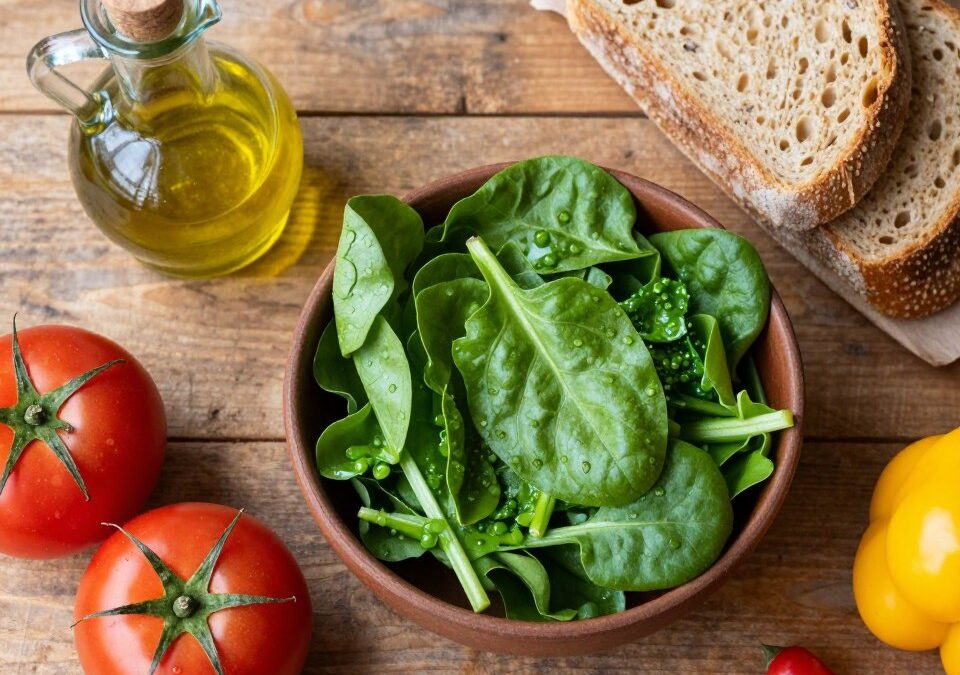
You wake up, and there it is again. That persistent itch. Those red, scaly patches that seem to have a mind of their own. You’ve tried the creams, taken the tablets, and still, your psoriasis symptoms persist like an uninvited houseguest who won’t take the hint.
Here’s some genuinely good news: what you eat might be just as important as what you put on your skin. The Mediterranean diet for psoriasis isn’t just another fad. It’s a time-tested eating pattern backed by solid research that suggests it can help ease psoriasis symptoms naturally.
I’m Ray Baker, and I’ve spent years researching how diet influences inflammation in our bodies. After working with hundreds of people over 50 who struggle with psoriasis, I’ve seen firsthand how this approach can make a real difference. No magic promises, just practical strategies that work.
Quick Answer
The Mediterranean diet for psoriasis focuses on anti-inflammatory foods like olive oil, fish, fruits, vegetables, and whole grains while limiting processed foods, red meat, and sugar. Research shows this eating pattern may help reduce inflammation throughout the body, potentially easing psoriasis symptoms. Most people see improvements within 8-12 weeks of consistent eating changes.
5 Key Takeaways
- The Mediterranean diet emphasizes anti-inflammatory foods that may help ease psoriasis symptoms naturally
- Olive oil, fatty fish, and colorful vegetables form the foundation of this eating approach
- Reducing processed foods and sugar helps lower inflammation throughout the body
- Most people notice skin improvements within 8-12 weeks of following this diet consistently
- This eating pattern supports overall health, including heart health and gut function, not just skin
To help you get started without the usual trial-and-error, I’ve put together a free 28-Day Mediterranean Diet Maintenance Program that walks you through everything step by step. But first, let’s understand exactly why this approach works.
What Is the Mediterranean Diet and Why Does It Matter for Psoriasis?

The Mediterranean diet isn’t really a “diet” in the restrictive sense. It’s simply how people in countries like Greece, Italy, and Spain have eaten for centuries. Think of it as a celebration of whole foods rather than a list of forbidden treats.
At its heart, this eating pattern prioritizes plants, healthy fats, and moderate amounts of protein. For people with psoriasis, this matters because these foods naturally fight inflammation in the body. And since psoriasis is fundamentally an inflammatory condition, reducing that inflammation can help ease psoriasis symptoms.
The Science Behind Diet and Psoriasis
Research published in medical journals shows a clear link between what we eat and how our immune system behaves. Studies indicate that people following an anti-inflammatory Mediterranean diet experience fewer psoriasis flare-ups and less severe symptoms overall (JAMA Dermatology, 2018).
Your gut health plays a starring role here. The Mediterranean diet supports healthy gut bacteria, which influences inflammation throughout your body. When your gut is happy, your skin often follows suit.
How the Mediterranean Diet for Psoriasis Can Help Better Manage Your Symptoms
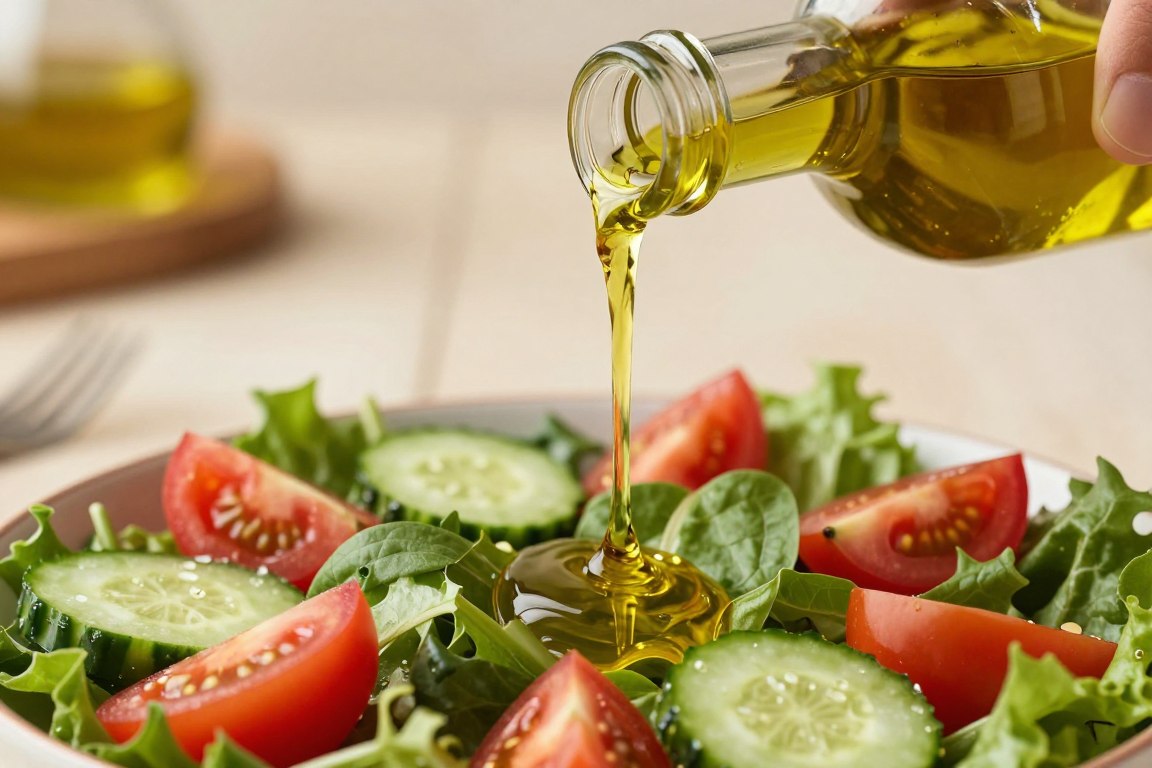
The beauty of following a Mediterranean diet for psoriasis meal plan lies in its multi-pronged approach. You’re not just addressing one symptom. You’re supporting your entire system.
Reducing Inflammation Throughout the Body
Inflammation is the real troublemaker in psoriasis. The Mediterranean diet tackles this head-on with foods rich in omega-3 fatty acids, antioxidants, and polyphenols. These compounds actively calm inflammation rather than just masking symptoms.
Olive oil deserves special mention. Extra virgin olive oil contains oleocanthal, a natural compound with anti-inflammatory properties similar to ibuprofen. Using it generously in your cooking isn’t indulgent. It’s therapeutic.
Supporting Gut Health and Immune Function
Your gut houses about 70% of your immune system. When gut bacteria get out of balance, your immune system can overreact, triggering psoriasis flares. The Mediterranean diet’s emphasis on fiber-rich whole grains, fruits, and vegetables feeds beneficial gut bacteria.
Fermented foods like yogurt provide probiotics that further support gut health. Think of it as giving your digestive system the tools it needs to keep inflammation in check.
Providing Essential Nutrients for Skin Health
Your skin needs specific nutrients to repair and regenerate. The Mediterranean diet delivers these in spades. Vitamin D from fatty fish, vitamin E from nuts and seeds, and zinc from whole grains all support healthy skin function.
People with psoriasis often have lower levels of certain nutrients. This eating pattern naturally fills those gaps without requiring supplements for most people.
Ready to Get Started? I’ve Got You Covered
I know changing your eating habits can feel overwhelming, especially when you’re already dealing with psoriasis symptoms. That’s exactly why I created a free 28-Day Mediterranean Diet Maintenance Program that takes the guesswork out of getting started. You’ll get daily meal ideas, shopping lists, and practical tips that fit into real life—not some Instagram-perfect fantasy. No sign-up fees, no catches, just straightforward help.
Best Mediterranean Foods for Psoriasis Skin Health
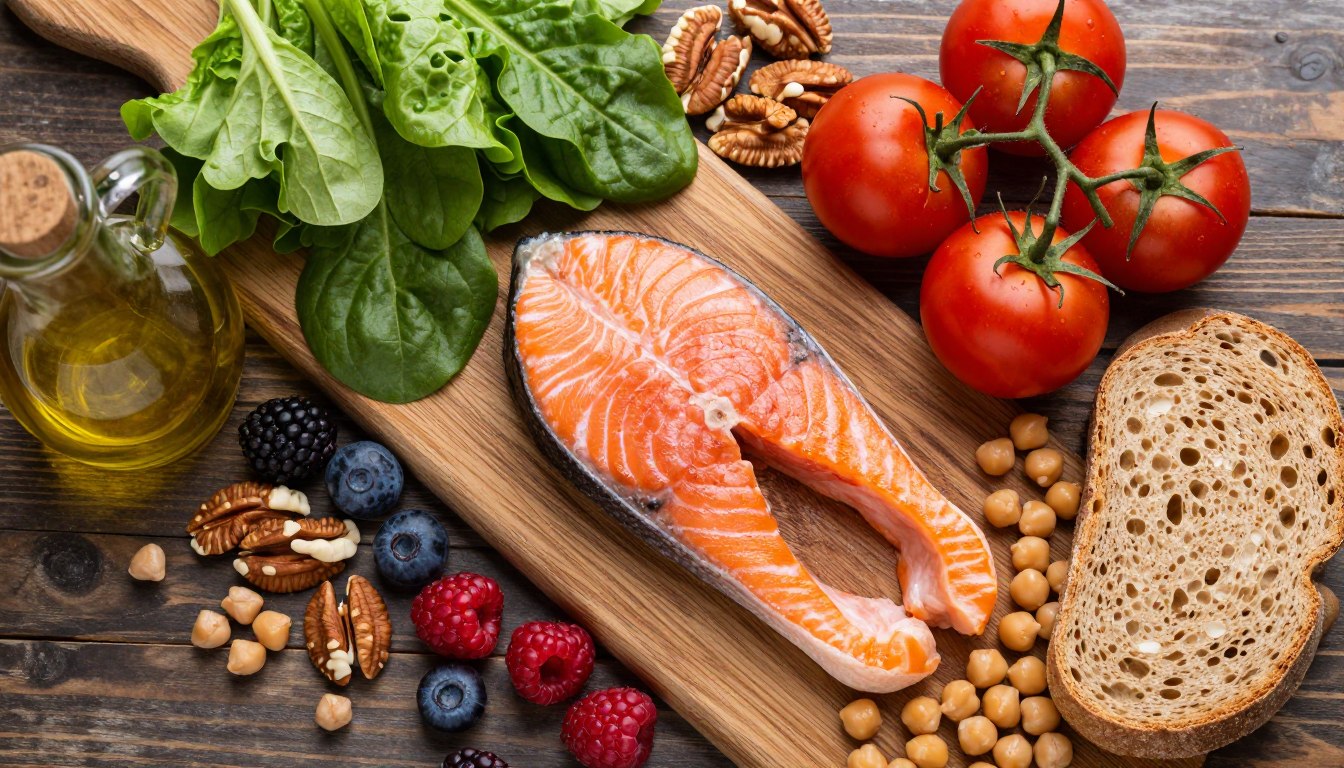
Not all Mediterranean foods affect psoriasis equally. Some are particularly powerful for calming inflammation and supporting skin health. Here’s what to prioritize.
Fatty Fish: Your Omega-3 Powerhouse
Salmon, sardines, and mackerel contain high amounts of omega-3 fatty acids, which directly combat inflammation. Aim for at least two servings weekly.
Wild-caught fish typically has higher omega-3 content than farmed varieties. If fresh fish isn’t available, canned sardines or salmon work brilliantly and cost less.
Olive Oil: Liquid Gold for Your Skin
Extra virgin olive oil is the cornerstone of Mediterranean cooking. Use it liberally for salads, cooking, and even drizzling over finished dishes.
The key is quality. Look for bottles labeled “extra virgin” and stored in dark glass to protect the beneficial compounds. A little bitterness or peppery finish indicates high polyphenol content.
Colorful Vegetables and Fruits
The more colors on your plate, the better. Different pigments contain different antioxidants that fight inflammation from multiple angles.
Berries, tomatoes, leafy greens, and bell peppers are particularly beneficial. Aim for at least five servings daily of varied produce.
Whole Grains and Legumes
Replace refined grains with whole versions. Brown rice, quinoa, oats, and whole wheat pasta provide fiber that supports gut health and steady blood sugar.
Legumes like chickpeas, lentils, and beans offer protein and fiber without the inflammatory potential of red meat. They’re also budget-friendly.
Nuts, Seeds, and Herbs
Walnuts, almonds, and flaxseeds provide additional omega-3s and vitamin E. Fresh herbs like oregano, basil, and rosemary aren’t just flavor enhancers. They contain compounds that actively reduce inflammation.
A handful of nuts daily makes an ideal snack. Just watch portion sizes, as they’re calorie-dense.
Foods to Eat and Avoid If You Have Psoriasis
While the Mediterranean diet focuses on what to add rather than restrict, certain foods can trigger inflammation and worsen psoriasis symptoms. Here’s what research suggests limiting.
Reduce These Inflammation Triggers
Foods That Help Ease Psoriasis
- Fatty fish rich in omega-3s
- Extra virgin olive oil
- Colorful fruits and vegetables
- Whole grains and legumes
- Nuts and seeds in moderate amounts
- Herbs and spices
Foods That May Worsen Symptoms
- Processed meats and red meat
- Refined sugar and sweets
- Processed foods with additives
- Excessive alcohol
- Trans fats and fried foods
- High amounts of dairy products
The Role of Advanced Glycation End Products
Advanced glycation end products (AGEs) form when proteins or fats combine with sugar at high temperatures. Think crispy, browned, or charred foods. These compounds promote inflammation throughout the body.
You don’t need to avoid cooked food entirely. Just favor gentler cooking methods like steaming, poaching, or gentle sautéing over high-heat grilling or deep frying.
Dairy Products: A Personal Decision
The evidence on dairy products and psoriasis is mixed. Some people with psoriasis find that reducing dairy helps, while others notice no difference. The Mediterranean diet includes moderate amounts of yogurt and cheese.
I suggest a two-week trial of reducing dairy to see how your body responds. If symptoms improve, you’ve learned something valuable. If not, there’s no need to restrict it.
Your Screenshot-Ready Mediterranean Diet Grocery List
Essential Mediterranean Pantry Staples
Proteins
- Salmon (wild-caught if possible)
- Sardines (canned or fresh)
- Mackerel
- Chicken breast
- Eggs
- Chickpeas and lentils
Healthy Fats
- Extra virgin olive oil
- Walnuts
- Almonds
- Flaxseeds
- Avocados
Produce
- Spinach and kale
- Tomatoes
- Bell peppers
- Berries (mixed)
- Lemons
- Garlic and onions
Grains & Others
- Brown rice
- Quinoa
- Whole grain pasta
- Oats
- Greek yogurt
- Fresh herbs
Pro tip: Screenshot this list and keep it on your phone for quick reference at the supermarket. Share it with a friend who’s also looking to improve their health—it makes shopping and meal planning more enjoyable together.
Mediterranean Diet for Psoriasis Meal Plan: Your Simple 7-Day Starter

Starting a new eating pattern feels less daunting when you have a clear roadmap. This 7-day plan gives you realistic, delicious meals that support your skin health without requiring chef-level skills.
Your Anti-Inflammatory Mediterranean Diet Psoriasis Starter Week
- Monday – Breakfast: Greek yogurt with berries and walnuts | Lunch: Quinoa salad with chickpeas and vegetables | Dinner: Grilled salmon with roasted vegetables and brown rice
- Tuesday – Breakfast: Oatmeal with sliced almonds and apple | Lunch: Lentil soup with whole grain bread | Dinner: Chicken breast with tomato-cucumber salad and whole wheat pasta
- Wednesday – Breakfast: Whole grain toast with avocado and poached eggs | Lunch: Tuna salad with mixed greens and olive oil dressing | Dinner: Baked mackerel with steamed spinach and quinoa
- Thursday – Breakfast: Smoothie with berries, spinach, and flaxseeds | Lunch: Chickpea and vegetable stew | Dinner: Grilled chicken with Mediterranean vegetables and brown rice
- Friday – Breakfast: Greek yogurt parfait with mixed berries | Lunch: Salmon and avocado wrap with whole grain tortilla | Dinner: Baked cod with garlic, tomatoes, and whole grain couscous
- Saturday – Breakfast: Vegetable omelet with whole grain toast | Lunch: Bean and vegetable soup with olive oil drizzle | Dinner: Sardines on whole grain pasta with fresh herbs and vegetables
- Sunday – Breakfast: Oats with walnuts and fresh fruit | Lunch: Greek salad with grilled chicken | Dinner: Baked salmon with roasted bell peppers and quinoa
Share this plan: “I’m trying the Mediterranean diet to help with inflammation. Here’s a simple 7-day plan that makes it easy to get started: [paste link]. Want to try it together?”
A Comforting Mediterranean Recipe for Psoriasis-Friendly Eating
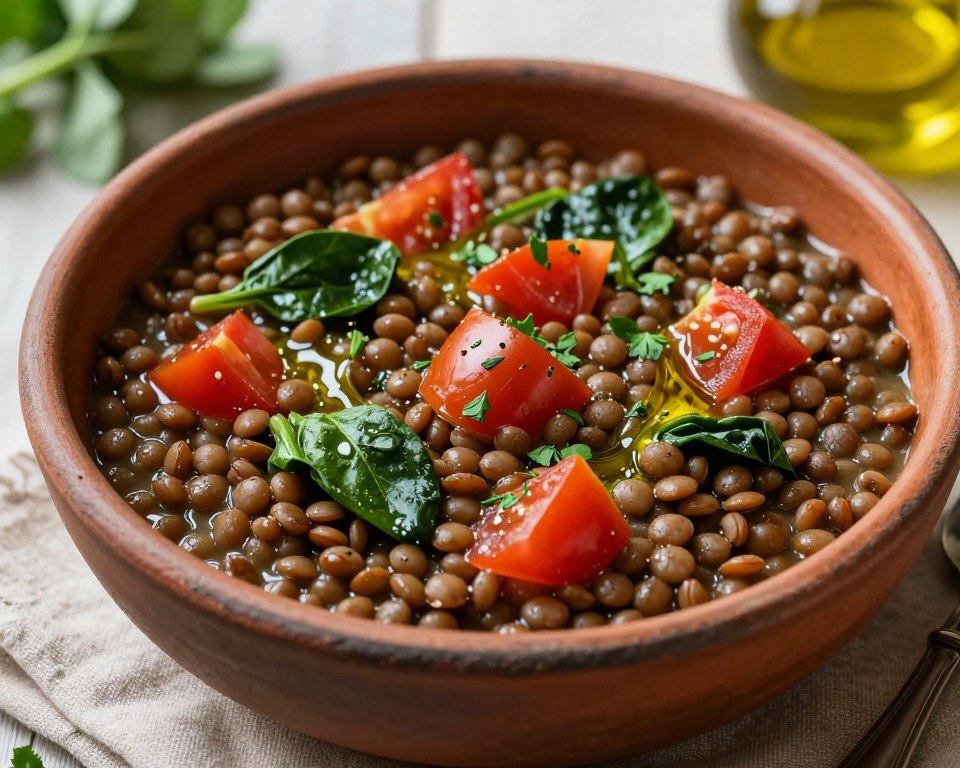
Warming Mediterranean Lentil Stew
This one-pot wonder delivers anti-inflammatory ingredients in a meal that actually tastes like comfort food. It freezes beautifully, so make a double batch.
Ingredients
- 2 cups brown or green lentils
- 1 can diced tomatoes (no added sugar)
- 3 cups vegetable or chicken stock
- 2 carrots, diced
- 2 celery stalks, diced
- 1 onion, chopped
- 4 garlic cloves, minced
- 2 cups spinach or kale
- 3 tablespoons extra virgin olive oil
- 1 teaspoon cumin
- Fresh lemon juice
- Salt and pepper to taste
Instructions
- Heat olive oil in a large pot over medium heat
- Sauté onion, carrots, and celery until softened (5 minutes)
- Add garlic and cumin, cook 1 minute until fragrant
- Add lentils, tomatoes, and stock. Bring to boil
- Reduce heat and simmer 25-30 minutes until lentils are tender
- Stir in greens and cook until wilted (2 minutes)
- Season with salt, pepper, and fresh lemon juice
- Drizzle with extra olive oil before serving
Simple substitutions: No fresh spinach? Frozen works perfectly. Prefer red lentils? They cook faster (15 minutes). Want more protein? Add diced chicken in step 2.
For more delicious recipes and comprehensive guidance on this eating approach, you might find value in exploring additional resources. There’s a helpful internal guide on getting started with Mediterranean eating that complements this information perfectly.
Want more on the Mediterranean diet? Visit https://the-mediterranean-diet.com/
What Research Says About Following a Mediterranean Diet for Psoriasis

I’m not one for making wild claims, so let’s look at what actual studies tell us about the link between diet and psoriasis symptoms.
Clinical Evidence for Diet and Inflammation
Research published in JAMA Dermatology found that people with psoriasis who followed a Mediterranean-style eating pattern experienced significant reductions in disease severity compared to those eating a typical Western diet (JAMA Dermatology, 2018).
Another study in the journal Nutrients showed that increased consumption of fish, olive oil, and vegetables correlated with lower psoriasis severity scores (Nutrients, 2020). The researchers specifically noted improvements in itching and scaling.
The Gut-Skin Connection
Evidence continues to mount about the connection between gut health and skin conditions. Studies show that people with psoriasis often have altered gut bacteria compared to those without the condition (British Journal of Dermatology, 2019).
The Mediterranean diet’s emphasis on fiber-rich whole grains, fruits, and vegetables supports diverse, healthy gut bacteria. This may help explain why following this eating pattern can ease psoriasis symptoms over time.
Psoriatic Arthritis Considerations
If you have psoriatic arthritis alongside skin symptoms, the anti-inflammatory properties of this diet offer double benefits. Research indicates that the Mediterranean diet may help reduce joint pain and stiffness in inflammatory arthritis conditions (Arthritis Research & Therapy, 2021).
Practical Tips for Success With Your Mediterranean Diet Journey

Knowledge is one thing. Actually implementing it in your daily life is another. Here are strategies that actually work in the real world.
Start Small, Build Gradually
You don’t need to overhaul everything overnight. In my experience, that approach usually leads to burnout by week two. Instead, make one or two changes each week.
Week one might be switching from butter to olive oil. Week two, add one fish meal. Week three, swap white rice for brown. Small changes compound into significant results.
Prep Once, Eat Multiple Times
Batch cooking saves time and ensures you always have healthy options ready. Cook a large pot of lentil stew on Sunday. Roast several trays of vegetables. Prepare quinoa or brown rice in advance.
Store portions in containers, and you’ve got lunch sorted for days. Less stress, better eating, improved symptoms. That’s what I call a win.
Listen to Your Body
While research shows general trends, your body is unique. Keep a simple food and symptom journal for the first month. Note what you eat and how your skin responds.
You might discover personal triggers that research hasn’t identified yet. Or you might find certain foods work particularly well for you. Both insights are valuable.
Don’t Aim for Perfection
Had a burger and chips? The Mediterranean police won’t arrest you. One meal, one day, even one week doesn’t undo everything. What matters is the overall pattern of your eating over time.
I’ve seen people give up entirely after a single “cheat meal.” Don’t fall into that trap. Progress, not perfection, is the goal.
Frequently Asked Questions About Mediterranean Diet for Psoriasis
How long before I see improvements in my psoriasis symptoms?
Most people notice initial improvements within 8-12 weeks of consistently following an anti-inflammatory Mediterranean diet. However, individual responses vary. Some see changes in 4-6 weeks, while others take longer. Keep in mind that dietary changes work gradually by reducing inflammation throughout the body, not like a medication that works overnight. Consistency matters more than perfection.
Can the Mediterranean diet completely cure my psoriasis?
While diet can significantly help ease psoriasis symptoms and reduce flare-ups, it’s not a cure. Psoriasis is a chronic autoimmune condition. The Mediterranean diet works by reducing inflammation in the body, which may lessen symptom severity and frequency. Many people experience substantial improvements that reduce their need for medications, but results vary individually. Always work with your healthcare provider on a comprehensive treatment plan.
Do I need to give up all meat on this diet?
No, you don’t need to eliminate meat entirely. The Mediterranean diet includes moderate amounts of chicken and occasional lean red meat. The key is shifting the focus to fish as your primary protein source (2-3 times weekly) and reducing red meat consumption. When you do eat red meat, choose lean cuts and keep portions modest. Think of meat as a side dish rather than the main attraction.
Is this diet expensive to follow?
Not necessarily. While some Mediterranean foods like fresh fish can cost more, others like lentils, beans, seasonal vegetables, and whole grains are budget-friendly. Canned sardines and frozen vegetables work just as well as fresh options. You’ll likely save money by reducing processed foods and eating out less. Focus on seasonal produce, buy dried beans and grains in bulk, and choose frozen fish when fresh isn’t affordable.
What if I have other health conditions besides psoriasis?
The Mediterranean diet generally supports overall health and has been studied extensively for heart disease, diabetes, and other inflammatory conditions. However, always consult your doctor before making significant dietary changes, especially if you take medications or have specific health concerns. The diet may need modifications based on your individual health needs, such as kidney disease or food allergies.
Can I drink wine on the Mediterranean diet for psoriasis?
Alcohol affects people with psoriasis differently. Traditional Mediterranean eating includes moderate red wine consumption (one glass for women, two for men daily). However, some research suggests alcohol may worsen psoriasis symptoms in certain people. If you notice flare-ups after drinking, it’s best to avoid it. If you don’t currently drink, there’s no need to start. The benefits come from the food, not the wine.
Should I avoid gluten if I have psoriasis?
Only if you have celiac disease or confirmed gluten sensitivity. There’s no strong evidence that gluten worsens psoriasis for most people. The Mediterranean diet includes whole grains like whole wheat, which provide beneficial fiber. However, some individuals do find that reducing gluten helps their symptoms. If you’re curious, try eliminating it for 2-3 weeks and monitor your response, then reintroduce it to see if symptoms change.
How does this diet compare to other anti-inflammatory diets for psoriasis?
The Mediterranean diet has more research supporting its benefits for inflammation than most other eating patterns. It’s also more sustainable long-term because it doesn’t require extreme restrictions. Other anti-inflammatory approaches like the Paleo or AIP diets may work for some people, but they’re often harder to maintain. The Mediterranean diet’s flexibility and emphasis on enjoyable, whole foods makes it easier to stick with, which is crucial for managing chronic conditions like psoriasis.
Your Next Steps Toward Healthier Skin

Look, I won’t pretend that changing how you eat is always easy. Some days, you’ll crave foods that don’t fit this pattern. That’s normal. You’re human, not a nutrition robot.
But here’s what I’ve observed after years of working with people just like you: the Mediterranean diet for psoriasis isn’t just about your skin. It’s about feeling better overall. More energy. Less joint pain. Better gut health. Improved mood. These benefits tend to motivate people more than any lecture about inflammation ever could.
You don’t need to be perfect. You just need to be consistent most of the time. Start with that grocery list. Try the 7-day meal plan. Make the lentil stew. See how you feel.
And if you want that structured support to guide you through the first month, the free 28-Day Mediterranean Diet Maintenance Program is there when you’re ready. No pressure, just help if you want it.
Your psoriasis symptoms don’t define you. But taking control of what you can control—like what you eat—often makes living with this condition significantly more manageable. You’ve got this.
Medical Disclaimer
This article provides general information about diet and psoriasis and is not intended as medical advice. Always consult your healthcare provider before making significant dietary changes, especially if you take medications or have other health conditions. Do not stop or change prescribed treatments without professional guidance. Individual results may vary, and what works for others may not work identically for you.
References
- JAMA Dermatology (2018) – Mediterranean Diet and Psoriasis Severity
- Nutrients (2020) – Dietary Patterns and Psoriasis Outcomes
- British Journal of Dermatology (2019) – Gut Microbiome in Psoriasis
- Arthritis Research & Therapy (2021) – Mediterranean Diet and Inflammatory Arthritis
- Harvard Health Publishing (2023) – Anti-Inflammatory Diet Principles
- Journal of the American Academy of Dermatology (2020) – Nutrition and Psoriasis Management
- Clinical Nutrition (2019) – Omega-3 Fatty Acids and Skin Inflammation
Get well and stay well,
Ray Baker
