

Last Tuesday, my friend Janet called me in tears. Her doctor had just diagnosed her with fatty liver disease. At 58, she felt betrayed by her own body. “I don’t even drink much,” she said. “How did this happen?” If you’re reading this, you might feel the same confusion and worry.
Here’s what I told Janet, and what I’m about to share with you. The Mediterranean diet for fatty liver isn’t just another fad. It’s a proven, research-backed approach that can actually reverse liver damage. And the best part? It doesn’t require giving up flavor or spending hours in the kitchen.
Quick Answer: Can the Mediterranean Diet Help Fatty Liver?
Yes, absolutely. The Mediterranean diet for fatty liver has been shown to reduce fat liver content by up to 39 percent in clinical studies (Nutrients, 2024). This eating pattern emphasizes olive oil, fish, vegetables, and whole grains while limiting processed foods and sugar. It works by reducing inflammation, improving blood sugar control, and promoting weight loss. Most people see improvements within 8 to 12 weeks of following a Mediterranean diet meal plan for fatty liver.
We’ve created a free 28-Day Mediterranean Diet Maintenance Program that gives you a printable, step-by-step version of everything in this article. More on that in a moment.
5 Key Takeaways About the Mediterranean Diet for Fatty Liver
- It works fast: Following a Mediterranean diet can reduce fat liver accumulation within two to three months, even without dramatic weight loss (Harvard Health, 2023)
- Olive oil is your friend: Extra virgin olive oil contains compounds that directly protect liver cells from inflammation and damage
- Fish beats meat: Omega-3 fatty acids from fish like salmon and sardines help reduce fat liver inflammation better than other protein sources
- Processed foods are the enemy: Eliminating processed meats, refined sugar, and ultra-processed snacks matters more than counting calories
- It’s sustainable: Unlike restrictive diets, the best Mediterranean diet for fatty liver is a lifestyle you can maintain for years, not weeks
Understanding Fatty Liver Disease: What’s Happening Inside Your Body
Fatty liver disease, now called metabolic dysfunction-associated steatotic liver disease, happens when fat builds up in liver cells. Think of your liver as a filter for your body. When too much fat accumulates, this filter gets clogged.
About one in four people worldwide have some form of fatty liver disease. The condition often shows no symptoms early on. That’s why so many folks are shocked when they get the diagnosis.
What Causes Fatty Liver?
Your liver stores fat when you consume more calories than your body needs. Several factors make this worse. Eating too much sugar overloads the liver. Processed foods contain ingredients that promote fat storage. Lack of physical activity slows down how your body burns fat.
Type 2 diabetes and fatty liver often go hand in hand. High blood sugar levels signal your body to store more fat. This creates a vicious cycle. Excess body weight, especially around the middle, increases risk significantly.
Why the Mediterranean Diet Works for Liver Health
The Mediterranean diet rich in whole foods attacks fatty liver from multiple angles. It reduces inflammation throughout the body. The diet improves how your body processes blood sugar. Following Mediterranean eating patterns naturally leads to weight loss without feeling deprived.
Research published in the journal Nutrients found that people following a Mediterranean diet showed marked improvement in fat liver markers. The diet works even for those who don’t lose significant weight (Clinical Nutrition, 2023).
Ready to Start Healing Your Liver?
Our free 28-Day Mediterranean Diet Maintenance Program takes all the guesswork out of meal planning. You’ll get shopping lists, portion guides, and a day-by-day plan designed specifically for fatty liver. It’s the printable version of this article, organized so you can stick it on your fridge.
Core Principles: Foods to Eat on a Mediterranean Diet for Fatty Liver
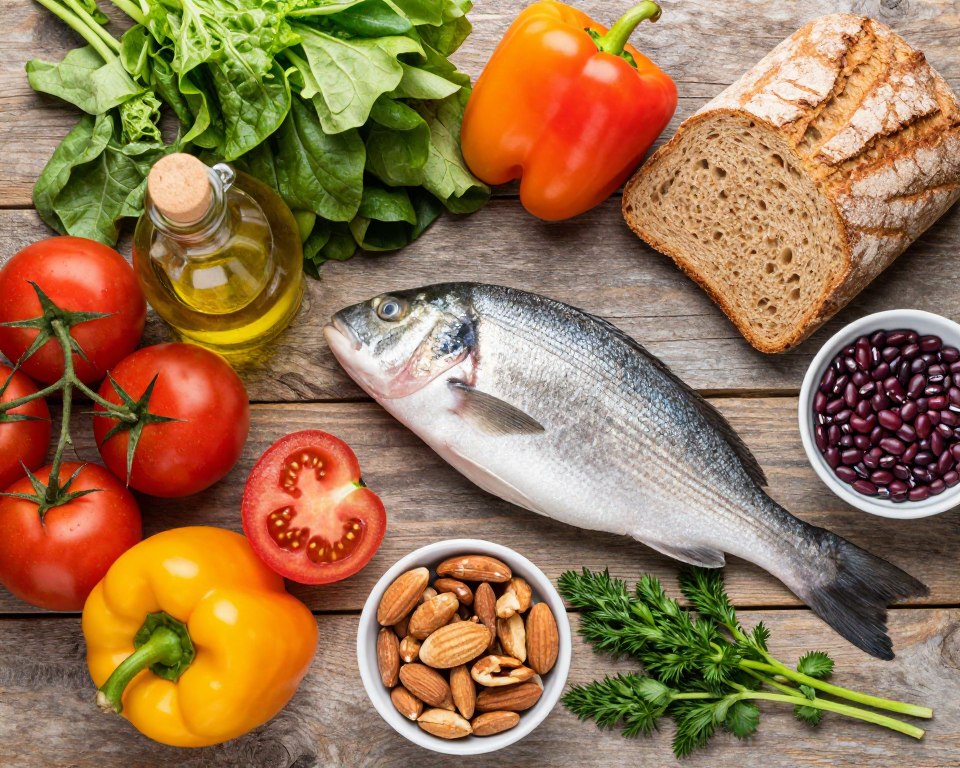
Let me be honest with you. When I first started eating this way, I thought it would be complicated. Turns out, the Mediterranean diet is actually simpler than how most of us eat now.
Your New Best Friends: Core Mediterranean Foods
Extra virgin olive oil becomes your primary fat. Use it for cooking, drizzling over vegetables, and making salad dressings. The monounsaturated fats in olive oil help reduce fat liver inflammation.
Vegetables should fill half your plate at every meal. Leafy greens like spinach and kale are especially beneficial for liver disease. Colorful vegetables provide antioxidants that protect liver cells from damage.
Fish, particularly fatty fish, should appear on your plate at least twice weekly. Salmon, sardines, mackerel, and herring deliver omega-3 fatty acids that specifically target fat liver reduction. These healthy fats help your liver process and eliminate stored fat.
Whole grains replace refined carbohydrates. Brown rice, quinoa, and whole grain bread provide steady energy without spiking blood sugar levels. This matters because blood sugar spikes tell your liver to store more fat.
Legumes like chickpeas, lentils, and beans provide protein and fiber. They help stabilize blood sugar and keep you feeling full longer. Plus, they’re ridiculously cheap compared to meat.
Nuts and seeds make perfect snacks. A handful of almonds or walnuts provides healthy fats and protein. Just watch portions, as nuts are calorie-dense.
Fruit satisfies your sweet tooth naturally. Berries, apples, and citrus fruit provide vitamins and fiber without excessive sugar. The fiber in whole fruit slows down sugar absorption.
Foods to Limit or Avoid
Processed meats like bacon, sausage, and deli meat should become rare treats, not daily staples. These foods contain preservatives and unhealthy fats that worsen liver inflammation.
Added sugar is public enemy number one for fatty liver. Read labels carefully. Sugar hides in unexpected places like salad dressings, pasta sauce, and bread. The average American eats 17 teaspoons of added sugar daily. Your goal should be less than six teaspoons.
Refined carbohydrates, including white bread, white pasta, and pastries, convert quickly to sugar in your body. They spike blood sugar and promote fat storage in the liver.
Alcohol deserves special mention. Even moderate drinking can worsen fatty liver disease. If you have nonalcoholic fatty liver disease, consider eliminating alcohol completely until your liver heals.
Fried foods and trans fats directly damage liver cells. Skip the deep fryer. Bake, grill, or sauté foods in olive oil instead.
Your Mediterranean Diet Meal Plan for Fatty Liver: Making It Real
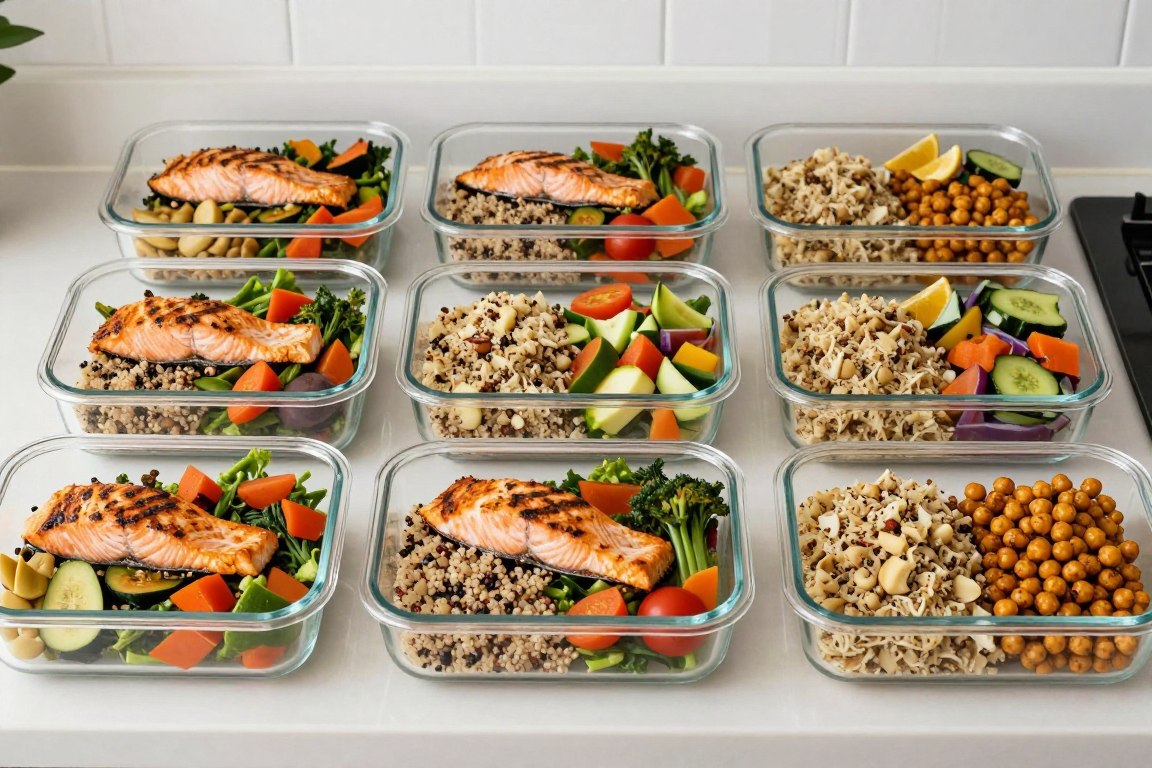
Planning is everything. Without a plan, you’ll find yourself standing in front of the fridge at dinner time, tired and hungry, reaching for whatever’s easiest. That’s usually not liver-friendly.
7-Day Starter Plan for Fatty Liver
Screenshot This: Your First Week on the Mediterranean Diet
Day 1: Breakfast: Greek yogurt with berries and walnuts | Lunch: Large salad with chickpeas, vegetables, olive oil dressing | Dinner: Baked salmon with roasted vegetables and quinoa
Day 2: Breakfast: Oatmeal with sliced apple and cinnamon | Lunch: Lentil soup with whole grain bread | Dinner: Grilled chicken with Mediterranean roasted vegetables
Day 3: Breakfast: Whole grain toast with avocado and tomato | Lunch: Tuna salad with mixed greens and olive oil | Dinner: Vegetable and white bean stew
Day 4: Breakfast: Smoothie with spinach, banana, and almond butter | Lunch: Quinoa bowl with roasted vegetables and feta | Dinner: Baked cod with lemon, asparagus, and brown rice
Day 5: Breakfast: Scrambled eggs with spinach and whole grain toast | Lunch: Mediterranean chickpea salad | Dinner: Turkey meatballs in tomato sauce with zucchini noodles
Day 6: Breakfast: Greek yogurt parfait with granola and fruit | Lunch: Vegetable minestrone soup | Dinner: Grilled sardines with roasted peppers and whole grain bread
Day 7: Breakfast: Whole grain pancakes with berries | Lunch: Leftover turkey meatballs with salad | Dinner: Baked chicken thighs with roasted root vegetables
Pro tip: Cook double portions at dinner. Tomorrow’s lunch is sorted.
Want more on the Mediterranean diet? Visit https://the-mediterranean-diet.com
Your Screenshot-Ready Grocery List
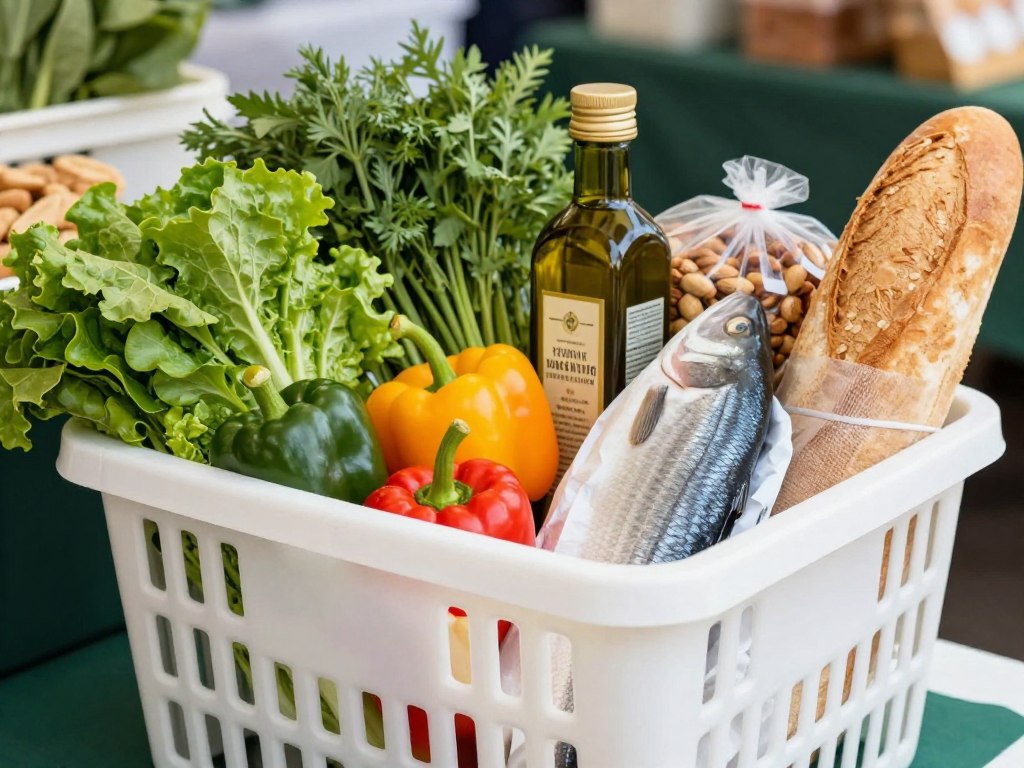
Copy This List to Your Phone
Proteins
- Salmon fillets (wild-caught if possible)
- Canned sardines or mackerel
- Chicken breast or thighs
- Eggs (free-range)
- Greek yogurt (plain, full-fat)
Vegetables (Buy What’s in Season)
- Leafy greens (spinach, kale, arugula)
- Tomatoes
- Bell peppers (all colors)
- Zucchini
- Broccoli
- Cauliflower
- Carrots
- Onions and garlic
Healthy Fats
- Extra virgin olive oil (buy the good stuff)
- Avocados
- Raw almonds
- Walnuts
- Natural almond butter
Whole Grains and Legumes
- Brown rice
- Quinoa
- Whole grain bread
- Rolled oats
- Dried lentils
- Canned chickpeas
- Canned white beans
Fruit
- Berries (fresh or frozen)
- Apples
- Bananas
- Lemons
- Oranges
Pantry Staples
- Canned tomatoes
- Vegetable broth
- Herbs and spices (oregano, basil, turmeric, cinnamon)
- Apple cider vinegar
- Honey (small amounts)
One Comfort Food Recipe That Won’t Hurt Your Liver
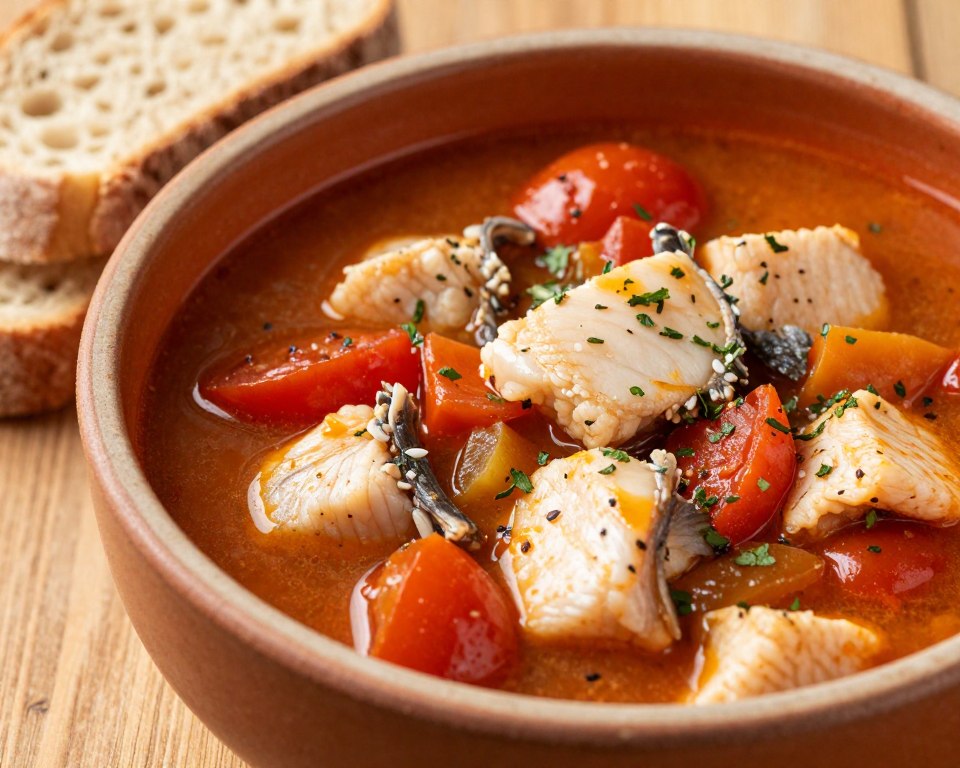
Mediterranean Fish Stew (Ready in 30 Minutes)
This was my grandmother’s recipe, slightly updated for liver health. She’d probably roll her eyes at me calling it “healthy,” but here we are.
Ingredients:
- 2 tablespoons extra virgin olive oil
- 1 onion, diced
- 3 garlic cloves, minced
- 1 can diced tomatoes (14 oz)
- 2 cups vegetable broth
- 1 pound white fish (cod, halibut, or snapper), cut into chunks
- 1 cup chopped spinach or kale
- 1 teaspoon dried oregano
- Juice of half a lemon
- Salt and pepper to taste
- Fresh parsley for garnish
Instructions:
- Heat olive oil in a large pot over medium heat. Add onion and cook until soft, about 5 minutes.
- Add garlic and cook for another minute until fragrant.
- Pour in tomatoes and broth. Add oregano. Bring to a simmer.
- Add fish chunks and cook for 8 to 10 minutes until fish is cooked through.
- Stir in greens and let them wilt for 2 minutes.
- Add lemon juice. Taste and adjust seasoning.
- Serve hot with a slice of whole grain bread for dipping.
Simple Substitutions: No fish? Use chicken breast cut into chunks. Can’t find fresh greens? Frozen spinach works perfectly. Don’t like oregano? Try basil or thyme instead.
This stew freezes beautifully. Make a double batch and stash portions in the freezer for lazy evenings.
Beyond Food: Lifestyle Changes That Support Liver Healing

Following a Mediterranean diet is powerful, but it’s not the only piece of the puzzle. Your liver needs a few other things to heal properly.
Movement Matters More Than You Think
Exercise helps your body burn the fat stored in your liver. You don’t need to run marathons. A 30-minute walk five days a week makes a measurable difference in fat liver reduction.
Studies show that combining the Mediterranean diet with regular physical activity produces better results than diet alone (Journal of Hepatology, 2023). The movement doesn’t have to be intense. Gardening, swimming, cycling, or dancing all count.
Weight Loss (But Not Too Fast)
If you’re carrying extra weight, losing even 5 to 10 percent of your body weight can significantly improve fatty liver disease. But here’s the catch – rapid weight loss can actually worsen liver inflammation.
Aim for slow, steady weight loss of one to two pounds per week. The Mediterranean diet naturally promotes this gradual approach. You’re not starving yourself. You’re just eating better quality food.
Sleep and Stress Management
Poor sleep and chronic stress raise cortisol levels. High cortisol promotes fat storage, especially around organs like your liver. Aim for seven to eight hours of quality sleep nightly.
Find ways to manage stress that work for you. Meditation, yoga, spending time in nature, or simply having a good laugh with friends all help reduce inflammation in your body.
Stay Hydrated
Your liver needs water to function properly and flush out toxins. Aim for eight glasses of water daily. Herbal tea counts too. Coffee, in moderation, may actually benefit people with fatty liver disease (Hepatology, 2024).
How to Know If the Mediterranean Diet Is Working for Your Fatty Liver
You can’t feel your liver healing, which makes following any diet plan frustrating. How do you know it’s actually working?
Medical Markers to Track
Your doctor will likely monitor several blood markers. Liver enzymes (ALT and AST) should decrease as your liver heals. These numbers typically improve within eight to twelve weeks of dietary changes.
Blood sugar levels and hemoglobin A1C often improve on the Mediterranean diet. Better blood sugar control directly reduces fat storage in your liver.
Triglyceride levels should drop. High triglycerides contribute to fat accumulation in liver cells. The healthy fats in the Mediterranean diet help normalize these levels.
Non-Medical Signs of Progress
You’ll likely notice increased energy levels within a few weeks. Many people report better sleep quality. Digestive issues often improve as you eliminate processed foods.
If you have type 2 diabetes, you may find it easier to control blood sugar levels. Some people even reduce their diabetes medications under their doctor’s supervision.
Gradual, sustainable weight loss is a good sign. Remember, the scale isn’t everything. How you feel matters more than any number.
Common Mistakes to Avoid (I’ve Made Most of These)
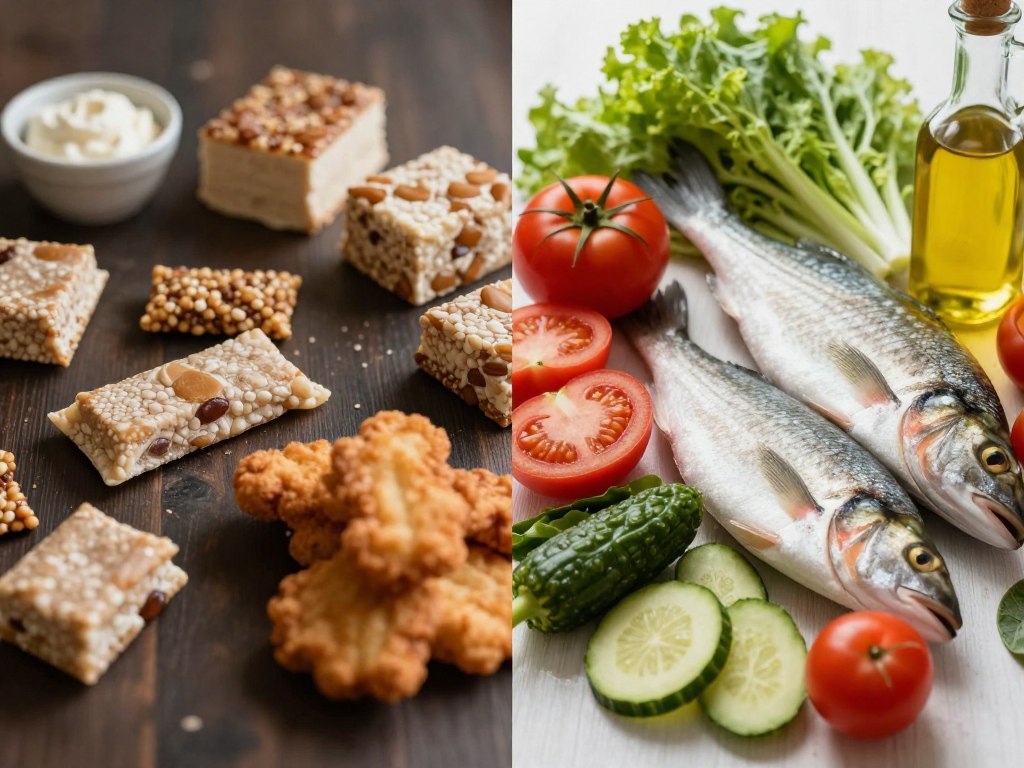
When I started this eating way, I stumbled more than once. Learn from my mistakes so you don’t have to make them yourself.
Mistake 1: Going Too Hard, Too Fast
Don’t throw out everything in your pantry on day one. Gradual changes stick better than radical overhauls. Start by adding Mediterranean foods before you worry about eliminating everything else.
Mistake 2: Buying Low-Quality Olive Oil
Not all olive oil is created equal. Many supermarket bottles labeled “olive oil” contain refined oils with minimal health benefits. Invest in real extra virgin olive oil. Yes, it costs more. It’s worth it.
Mistake 3: Forgetting About Portions
Healthy fats are still fats. They contain calories. A quarter cup of nuts contains about 200 calories. Olive oil has 120 calories per tablespoon. These foods are beneficial, but you can’t eat unlimited amounts.
Mistake 4: Eating “Mediterranean” Restaurant Food
Restaurant Mediterranean food often bears little resemblance to the real thing. It’s frequently loaded with excess oil, salt, and larger portions than traditional Mediterranean eating. Cook at home most of the time for best results.
Mistake 5: Thinking You Can’t Afford It
This diet can actually save money. Beans and lentils cost pennies per serving. Canned fish is cheap. Seasonal vegetables are affordable. You’re cutting out expensive processed foods and restaurant meals. Your grocery bill might actually decrease.
Share This With Someone Who Needs It
Copy and Send to a Friend
“Hey! I found this really helpful article about using the Mediterranean diet for fatty liver. It has a free 7-day meal plan and grocery list. No complicated stuff, just straightforward advice. Thought you might find it useful. [Insert article link]”
Get Everything Organized in One Printable Guide
Look, I’ve given you a ton of information in this article. But let’s be honest – reading an article and actually implementing it are two different things. That’s why we created the free 28-Day Mediterranean Diet Maintenance Program. It’s basically this entire article reorganized into a simple, day-by-day action plan. Print it out, stick it on your fridge, and follow along. No apps, no complicated tracking, just a straightforward plan designed specifically for people dealing with fatty liver disease.
Frequently Asked Questions About Mediterranean Diet for Fatty Liver

How long does it take to reverse fatty liver with the Mediterranean diet?
Most people see measurable improvement in liver enzyme levels within 8 to 12 weeks of consistently following the Mediterranean diet. Complete reversal of fatty liver can take 6 months to 2 years, depending on the severity of fat accumulation and how strictly you follow the diet. The good news is that your liver has remarkable regenerative capacity when you give it the right conditions to heal.
Can I eat bread on a Mediterranean diet for fatty liver?
Yes, but choose whole grain bread rather than white bread. Whole grains provide fiber that slows sugar absorption and helps stabilize blood sugar levels. A slice or two of whole grain bread per day fits perfectly into a Mediterranean eating pattern. Just avoid bread loaded with added sugar or made primarily from refined flour.
Is the Mediterranean diet expensive to follow?
Not necessarily. While some items like fresh fish and quality olive oil cost more upfront, you’ll save money by eliminating processed foods, restaurant meals, and meat at most dinners. Beans, lentils, eggs, and seasonal vegetables are quite affordable. Many people find their overall food costs stay the same or even decrease when switching to Mediterranean eating.
Do I need to give up coffee if I have fatty liver?
Actually, no. Recent research suggests that moderate coffee consumption may benefit people with fatty liver disease. Studies show that drinking 2 to 3 cups of coffee daily may help reduce fat liver progression (Hepatology, 2024). Just skip the added sugar and flavored syrups. Black coffee or coffee with a splash of milk fits perfectly into the Mediterranean diet.
What’s the single most important food to eat for fatty liver?
If I had to pick one, it would be extra virgin olive oil. The polyphenols and healthy fats in quality olive oil directly reduce liver inflammation and help your body process stored fat. Use it generously for cooking and dressings. However, no single food works magic. The power of the Mediterranean diet comes from the combination of whole, minimally processed foods eaten consistently over time.
Can I eat cheese on the Mediterranean diet?
Yes, but in moderation. Traditional Mediterranean eating includes cheese, particularly feta and other fresh cheeses. A small amount (about 1 to 2 ounces) a few times per week is fine. Choose natural cheeses over processed cheese products. The key is portion control, as cheese is calorie-dense and high in saturated fat.
Will I lose weight on the Mediterranean diet for fatty liver?
Most people do lose weight gradually, especially if they were eating a typical Western diet before. The Mediterranean diet is naturally lower in processed foods and refined sugars, which often leads to reduced calorie intake without conscious restriction. However, it’s not primarily a weight loss diet. It’s a sustainable eating pattern that happens to promote healthy weight management as a side benefit.
Do I need supplements if I follow the Mediterranean diet?
The Mediterranean diet is nutritionally complete for most people. However, your doctor may recommend specific supplements based on your individual needs. Vitamin D is commonly deficient regardless of diet. Some people with fatty liver benefit from vitamin E or omega-3 supplements, but always consult your healthcare provider before starting any supplement regimen. Food should be your primary source of nutrition.
Working With Your Healthcare Team
Everything in this article is meant to complement, not replace, medical care. If you’ve been diagnosed with fatty liver disease, you need a healthcare team on your side.
When to See a Specialist
Most people with nonalcoholic fatty liver can work with their primary care doctor. However, you should see a hepatologist (liver specialist) if your liver enzymes remain elevated after six months of lifestyle changes, if you have symptoms like persistent fatigue or abdominal pain, or if imaging shows advanced liver scarring.
A registered dietitian who specializes in liver disease can provide personalized guidance. They can help you adapt the Mediterranean diet to your specific needs, food preferences, and any other health conditions you’re managing.
Important Tests and Monitoring
Your doctor will likely recommend blood tests every three to six months to monitor your progress. These tests check liver enzyme levels, blood sugar control, cholesterol levels, and other markers of metabolic health.
Some people may need periodic imaging tests like ultrasound or FibroScan to assess the amount of fat and scarring in the liver. These tests help your care team adjust your treatment plan if needed.
Medications and Diet
Currently, no medications are specifically approved to treat fatty liver disease in most countries. Lifestyle changes, particularly diet modifications, remain the primary treatment. However, your doctor may prescribe medications to manage related conditions like diabetes, high cholesterol, or high blood pressure.
The Mediterranean diet often improves these conditions naturally. Some people find they can reduce medications under their doctor’s supervision. Never stop or change medications without consulting your healthcare provider first.
Staying Motivated When Progress Feels Slow

Here’s the truth nobody wants to hear. Healing your liver takes time. You won’t feel dramatically better tomorrow or next week. This can be discouraging.
Janet, my friend I mentioned at the beginning, called me six weeks into her Mediterranean diet journey. “I don’t feel any different,” she said, frustrated. “How do I know this is even working?”
I reminded her that liver healing happens silently. Her body was repairing damage at the cellular level. The proof would show up in her next blood test, not in how she felt day to day.
Sure enough, when Janet got her three-month lab results, her liver enzymes had dropped by 30 percent. Her doctor was impressed. More importantly, Janet now had concrete evidence that her efforts mattered.
Small Wins to Celebrate
Don’t wait for blood tests to acknowledge your progress. Celebrate small victories. Did you cook at home five nights this week? That’s a win. Did you choose fruit instead of cookies for dessert? Another win. Did you take a 20-minute walk even though you were tired? Count it.
These small choices compound over time. Each healthy meal is a deposit in your liver health bank account. The interest accumulates slowly but surely.
Find Your People
Changing how you eat is easier with support. Tell friends and family about your liver health goals. Join online communities of people following the Mediterranean diet. Share recipes, struggles, and victories with others on the same path.
Having someone to text when you’re tempted to order takeout for the third night in a row makes a real difference. Accountability helps, but so does simply knowing you’re not alone in this.
Your Liver Can Heal
Six months after that tearful phone call, Janet’s follow-up ultrasound showed significant improvement. The fat in her liver had reduced noticeably. Her liver enzymes were nearly normal. She’d lost 15 pounds without really trying, just by eating real food and moving her body regularly.
But here’s what impressed me most. When I asked Janet if she missed her old way of eating, she looked genuinely confused. “Why would I go back?” she said. “I feel better than I have in years. My food actually tastes like something now. And I’m not scared anymore.”
That’s the power of the Mediterranean diet for fatty liver. It’s not a temporary fix or a quick solution. It’s a sustainable way of eating that gives your body what it needs to heal itself.
Your liver is remarkably resilient. Given the right conditions—good nutrition, regular movement, adequate sleep, and time—it can recover from significant damage. The Mediterranean diet provides those right conditions.
You don’t have to be perfect. You don’t need to follow every recommendation in this article to see improvement. Start where you are. Add more vegetables to your dinner tonight. Cook with olive oil instead of butter tomorrow. Buy some salmon for next week.
Each small change moves you toward better liver health. And before you know it, those small changes become your new normal. Your liver will thank you, even if it can’t send a card.
For additional guidance on adopting Mediterranean diet basics, explore more comprehensive resources that can support your journey to better liver health.
Medical Disclaimer
Important: This article provides general information about diet and liver health for educational purposes only. It is not intended as medical advice and should not replace consultation with qualified healthcare professionals. If you have been diagnosed with fatty liver disease or any liver condition, work closely with your doctor or a registered dietitian before making significant dietary changes. Individual nutritional needs vary based on overall health, medications, and other factors. Always seek professional medical advice for diagnosis and treatment of health conditions.
References
- Harvard Health Publishing, 2023
- Nutrients (Journal), 2024
- Clinical Nutrition (Journal), 2023
- Journal of Hepatology, 2023
- Hepatology (Journal), 2024
- American Liver Foundation
- Mayo Clinic
- National Institute of Diabetes and Digestive and Kidney Diseases (NIDDK)
Get well and stay well,
Ray Baker
