
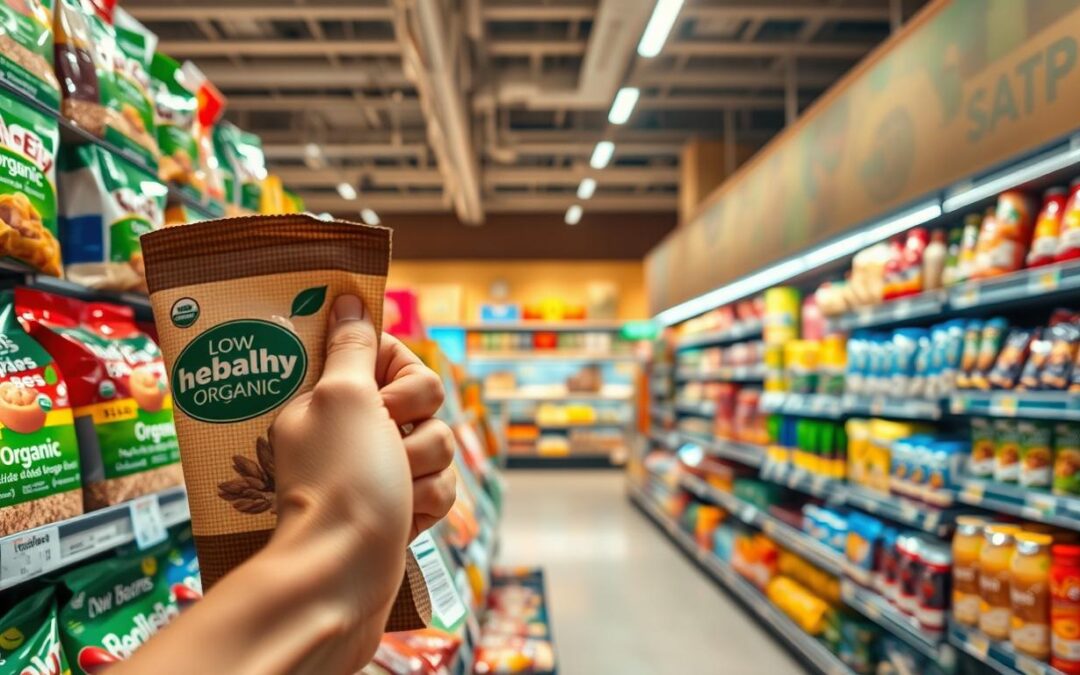
Ever felt lost in a grocery aisle, staring at labels? You’re not alone. Reading food labels after 50 can feel like a puzzle.
It’s easy to get confused by ingredients you don’t know. But learning to read them is key. By choosing simple, whole foods, you boost your energy and mood.
Choosing better foods doesn’t have to be hard. A few tips can make shopping easier. Let’s make it simpler together.
Start Your Healthy Journey Today
Key Takeaways
- Focus on whole, unprocessed ingredients for better energy levels.
- Prioritize healthy fats like olive oil and nuts to support mood.
- Learn to spot hidden sugars that cause mid-day energy crashes.
- Simplify your shopping by sticking to the perimeter of the store.
- Small, consistent changes lead to significant health improvements over time.
The Energy Gap: Why Your Grocery Habits Need a Refresh
Feeling tired? It might be what you eat. Many adults over 50 eat snacks that give quick energy but then make them feel tired. Eating foods that are full of nutrients can help keep your energy steady and make you feel better.
It’s important to know how to read food labels for healthy eating. Knowing what’s in your food helps you control your health and energy.
The Quick Answer: What to Look for First
When you see a package, look for fiber and protein first. These help you feel full and give you energy all day. You can find more about foods that keep you full to cut down on snacking.
Look at the ingredients for foods you know, not long lists of additives. Studies show that what you eat affects how you feel as you get older. Choosing simple ingredients is the best way to improve your shopping.
Three Key Takeaways for Your Health
Here are three tips for your next shopping trip:
- Prioritize Fiber: Look for foods with at least three grams of fiber per serving. It’s good for your digestion and heart.
- Watch the Added Sugars: Try to eat less sugar to avoid feeling tired in the afternoons.
- Choose Nutrient Density: Pick foods that have vitamins and minerals, not just empty calories.
Mastering Reading Food Labels After 50

Reading food labels after 50 is easier than you think. You don’t need to be a nutrition expert to make healthy choices. Just focus on a few key numbers to improve your health.
Understanding Serving Sizes vs. Reality
Food labels use standard serving sizes for easy comparison. But these sizes might not match what you really eat. Always check the serving size first, before looking at calories.
If you eat more than the serving size, double the calorie count. This trick helps you avoid extra calories that can make you tired.
The Percent Daily Value Trap
The Percent Daily Value (%DV) can be tricky. It’s based on a 2,000-calorie diet, which might not fit you. Instead, see it as a guide for good nutrients.
Why 5% and 20% Are Your New Best Friends
The 5/20 rule is simple and useful. If a nutrient is 5% DV or less, it’s low. If it’s 20% DV or more, it’s high.
This rule helps you choose healthy fats and limit unhealthy ones. Use the table below to pick the right foods at the store.
| Nutrient Type | Aim for Low (5% or less) | Aim for High (20% or more) |
|---|---|---|
| Saturated Fat | Yes | No |
| Sodium | Yes | No |
| Dietary Fiber | No | Yes |
| Calcium & Iron | No | Yes |
Learning these tips makes reading labels easy. Soon, you’ll quickly know if a food is good for you.
Decoding the Mediterranean Approach to Ingredients
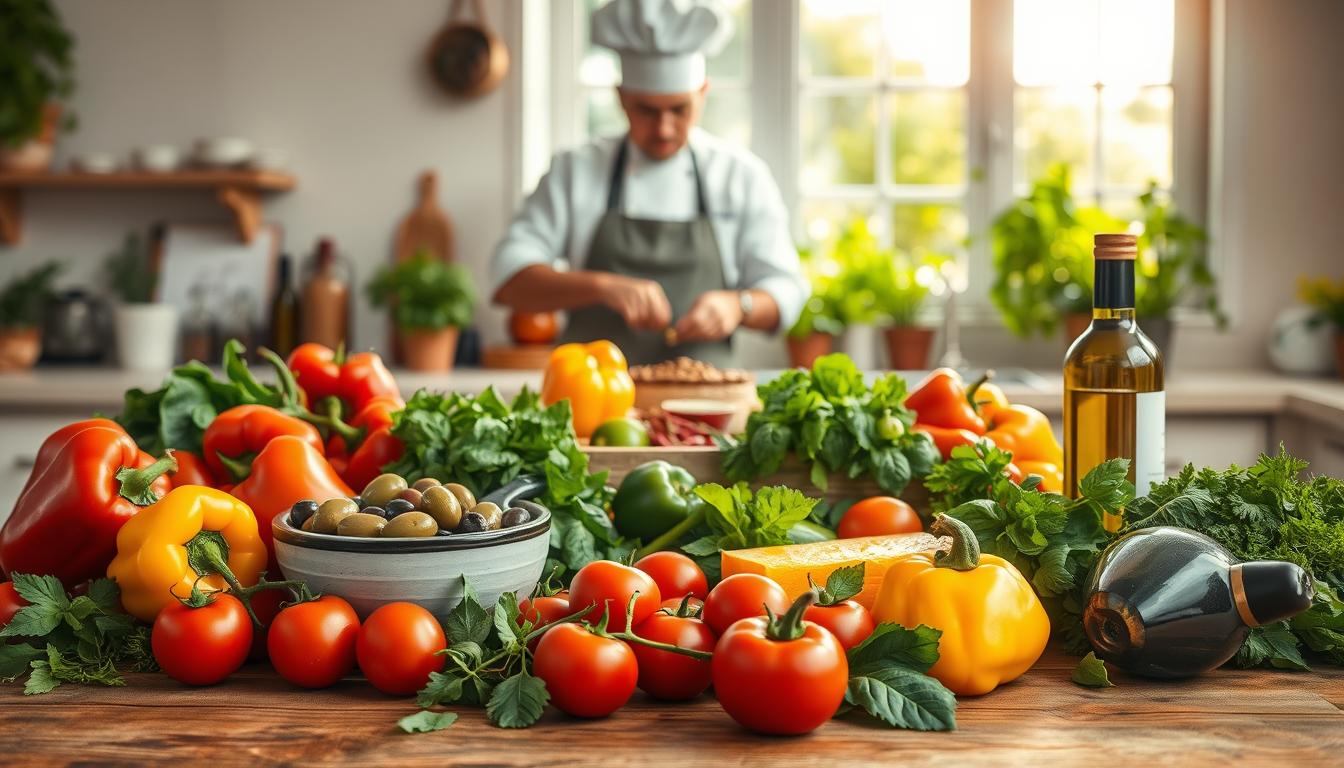
Start your journey to better brain health by reading food labels. The Mediterranean diet is all about simple, nutrient-rich foods. It helps you make choices that boost your mood and health.
Prioritizing Whole Foods Over Processed Labels
When you buy food, check the ingredient list. The first items listed are the most in the product. If sugar or refined oils are first, it’s likely processed.
Whole foods don’t need many strange chemicals. Choosing foods with short, easy-to-read lists helps cut down on fillers. This is key to a simple diet plan for inflammation that keeps you feeling great.
Healthy Fats and Brain-Boosting Nutrients
Your brain needs good fats to work well. The Mediterranean diet focuses on healthy fats and omega-3s. These are vital for keeping your brain sharp as you get older.
Identifying Quality Olive Oils and Omega-3 Sources
Not all fats are the same. The label helps you choose the right ones. Look for “extra virgin” olive oil for more antioxidants. For omega-3s, choose wild-caught fish or walnuts and flaxseeds.
Stay away from “partially hydrogenated” oils, as they’re bad for your heart and brain. Instead, pick cold-pressed or unrefined oils. These small changes make your kitchen a place of nourishment for your mind.
| Fat Source | Health Impact | Best Usage |
|---|---|---|
| Extra Virgin Olive Oil | High in antioxidants | Salad dressings and drizzling |
| Walnuts | Rich in Omega-3s | Snacking or topping oatmeal |
| Refined Vegetable Oils | Promotes inflammation | Avoid whenever possible |
| Avocado Oil | Heart-healthy monounsaturated | High-heat cooking |
Spotting Hidden Culprits: Sodium and Sugar
Many common grocery items hide ingredients that can impact your heart and energy levels. When you shop, it is easy to overlook the fine print, but these details are essential for your long-term health. You can learn to understand and use nutrition facts to make better choices for your body.
Navigating Low Sodium Labels Without Sacrificing Flavor
Excess salt is a major concern for heart health as you age. When checking low sodium labels, look for products that contain less than 140 milligrams per serving. You do not have to settle for bland meals just because you are watching your intake.
- Use fresh herbs like basil, cilantro, or rosemary to boost flavor.
- Experiment with citrus juices, such as lemon or lime, to brighten your dishes.
- Try roasting vegetables with garlic and onion powder instead of relying on salt.
Added Sugar Labels: The Sneaky Energy Drain
Energy crashes often stem from hidden sweeteners in processed foods. Checking added sugar labels helps you distinguish between the natural sugars found in whole fruit and the concentrated sweeteners that cause blood sugar spikes.
These added ingredients include items like high-fructose corn syrup, honey, and fruit juice concentrates. By identifying these, you can maintain steady energy throughout your day.
How to Spot Natural vs. Added Sweeteners
It is helpful to know how to read the ingredient list to spot these differences. Use this table to guide your next trip to the store.
| Sweetener Type | Common Examples | Impact on Energy |
|---|---|---|
| Natural | Whole fruit, plain milk | Slow, steady release |
| Added | Cane sugar, syrups | Rapid spike and crash |
| Concentrated | Fruit juice concentrate | High sugar density |
Focusing on whole foods is the best way to avoid these hidden culprits. When you choose items with fewer ingredients, you naturally reduce your reliance on processed additives.
Practical Tools for Your Next Grocery Run
Getting better at grocery shopping is easy with the right tools. You can start improving your health and energy today.
Your Downloadable Grocery List and 7-Day Plan
We made a Mediterranean-inspired grocery list for you. It’s full of whole, healthy foods. This list makes shopping easy and fills your pantry with good stuff.
You’ll also get a 7-day meal plan to boost your energy. It’s all about fresh foods, healthy fats, and proteins to keep you feeling great.
- Fresh Produce: Leafy greens, berries, and cruciferous vegetables.
- Healthy Fats: Extra virgin olive oil, raw nuts, and seeds.
- Lean Proteins: Wild-caught fish, legumes, and Greek yogurt.
- Whole Grains: Quinoa, oats, and brown rice.
Ready for a bigger change? Our 28-day plan offers more help and support. Click the button below to get started on your health journey.
Download Your 28-Day Vitality Plan
Sharing the Journey: A Message for Your Friends
Health is better with friends. Share the benefits of reading labels with your friends. It’s a great way to encourage them.
Here’s a message you can send:
“Hi! I’ve learned a lot about reading food labels to boost my energy and health. It’s changed my grocery shopping. I’d love for you to join me. Let me know if you want to check out these resources together!”
Inviting a friend makes it easier to stay on track. You can share meals or tips. Having someone to share with keeps you motivated and accountable.
Conclusion
Understanding food labels is key to staying healthy after 50. Making small choices every day can build a strong foundation for your health. Start by paying attention to what you buy at the store.
Do you have questions about what you eat? Here are answers to help you on your way.
Are all organic products healthier? Organic means how food is grown, not its healthiness. Always check the ingredients for added sugars or sodium.
Can I trust front-of-package claims? Terms like “natural” or “light” might not tell the whole story. The back of the package has the real facts.
Does fiber content matter for everyone? Fiber is good for your heart and digestion, more so as you get older. Choose high-fiber whole grains often.
Should I avoid all processed items? Not all processed foods are bad. Look for ones with few ingredients and no extra additives to help you eat healthier.
This info is for learning only. It’s not a substitute for advice from your doctor or a dietitian. Always talk to a healthcare expert before changing your diet or lifestyle.
