

You’ve swapped the biscuits for carrot sticks. You’re eating salads that would make a rabbit jealous. Yet by three in the afternoon, your brain feels like it’s wading through treacle, and your knees remind you of every poor life choice you’ve ever made.
Here’s the thing most of us over fifty discover the hard way: eating “healthy” and eating for brain clarity and joint comfort are not always the same thing. You can munch kale until you turn green, but if you’re missing the right nutrients that improve focus without energy drinks, your body won’t thank you.
The good news? The mediterranean diet for joint pain isn’t just about what you avoid. It’s about what you welcome onto your plate. And when you get it right, the same foods that ease your aching joints also sweep away that mental fog like a coastal breeze.
Quick Answer
The mediterranean diet for joint pain works by flooding your body with omega-3 fatty acids, polyphenols, and antioxidants from olive oil, fatty fish, nuts, and colorful vegetables. These nutrients calm inflammation in your joints while supporting brain function. Within two weeks, many people notice sharper focus and less stiffness. The key is consistency and choosing whole, unprocessed foods over packaged alternatives.
3 Key Takeaways
- The best Mediterranean foods for brain fog and concentration include fatty fish rich in omega-3 fatty acids, extra virgin olive oil, and berries that protect brain cells from oxidative stress.
- Anti-inflammatory meals built around whole grains, leafy vegetables, and nuts can reduce joint pain and stiffness while improving mental clarity within 14 days of consistent adherence mediterranean diet principles.
- You don’t need to overhaul your entire life. Simple swaps like cooking with olive oil instead of butter and adding a handful of walnuts to breakfast create measurable changes in both joint mobility and focus.
Why “Eating Healthy” Doesn’t Always Fix Brain Fog or Joint Pain
Most diet advice treats your body like a petrol tank. Eat less rubbish, move more, and everything should hum along nicely. But your brain and joints are fussier than that.
Brain fog after fifty often stems from chronic low-grade inflammation. Your immune system, bless it, starts seeing threats everywhere and launches constant tiny attacks. This inflammation doesn’t just stiffen your knees. It also disrupts the delicate chemical signals your brain cells use to communicate.

The typical Western diet pattern, even when you’re “being good,” often lacks the specific nutrients that calm this inflammation. You might be eating plenty of vegetables, but if they’re always the same three types, you’re missing out on the variety of antioxidants your body craves.
According to research published in Nutrients (2024), the mediterranean diet reduces inflammatory markers in the body more effectively than other eating patterns because of its emphasis on polyphenol-rich foods and healthy fats. These compounds work together in ways that isolated nutrients in supplements simply cannot replicate.
The Surprising Connection Between Your Aching Joints and Foggy Thinking
Here’s something your doctor might not have mentioned: the same inflammatory chemicals causing your joint pain are also mucking up your mental clarity.
When your joints ache from osteoarthritis or general wear and tear, your body releases proteins called cytokines. These little troublemakers travel through your bloodstream and can cross into your brain, where they interfere with neurotransmitter function. The result? You feel mentally sluggish, forgetful, and struggle to concentrate.
What Inflammation Does to Your Body
- Triggers pain receptors in joints and muscles
- Disrupts neurotransmitter balance in the brain
- Impairs blood flow to cognitive centers
- Reduces cellular energy production
- Accelerates tissue breakdown over time
How Mediterranean Eating Fights Back
- Omega-3 fatty acids block inflammatory pathways
- Polyphenols protect brain cells from damage
- Fiber supports gut bacteria that regulate inflammation
- Antioxidants neutralize harmful free radicals
- Healthy fats improve nutrient absorption
This is why tackling joint pain through the mediterranean diet often brings the bonus of clearer thinking. You’re not treating two separate problems. You’re addressing the root cause that links them both.
Key Components Mediterranean Diet That Actually Matter for Joint Pain and Focus
Not all Mediterranean foods are created equal when it comes to fighting inflammation and sharpening your mind. Let’s talk about the heavy hitters.
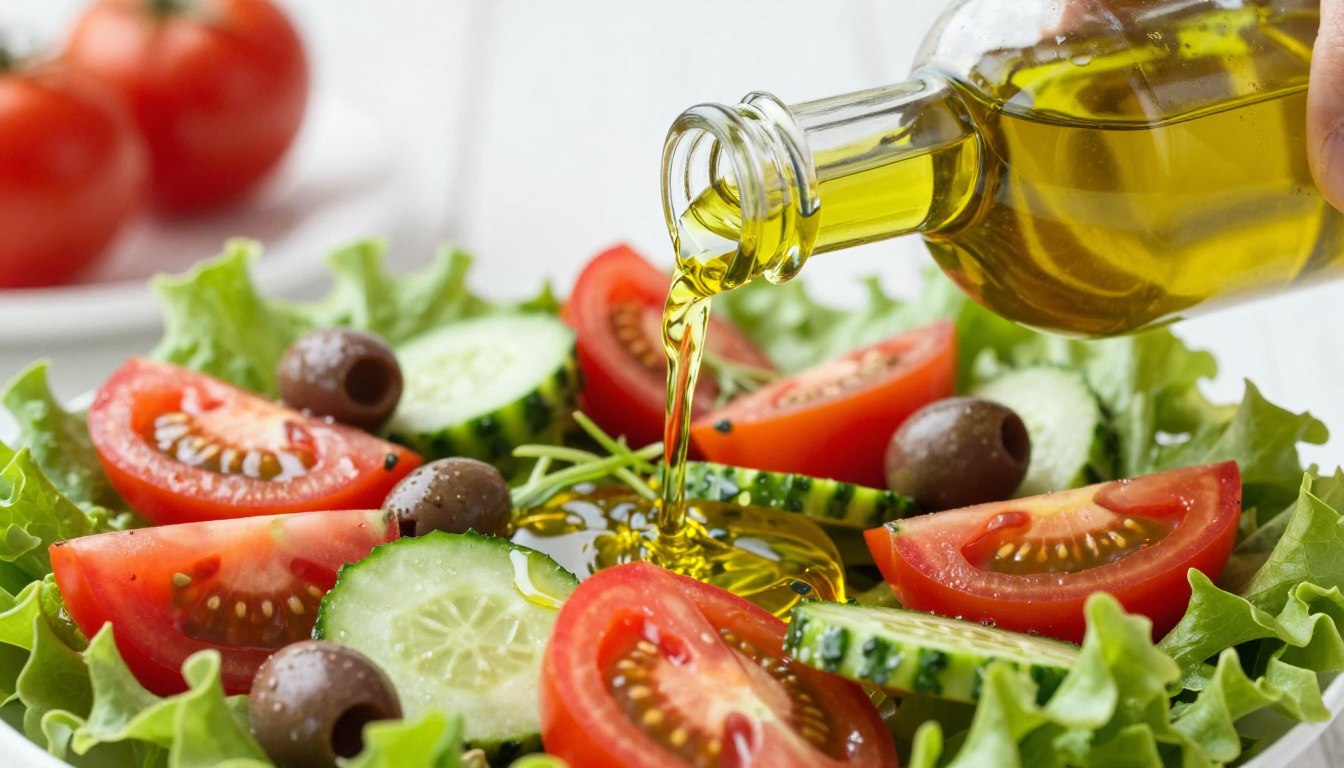
Extra Virgin Olive Oil: Your New Best Friend
Olive oil isn’t just for drizzling. It’s a delivery system for oleocanthal, a compound that works similarly to ibuprofen in your body, without the side effects. Harvard Health (2023) notes that regular consumption of extra virgin olive oil is associated with reduced joint stiffness and improved cognitive function in adults over fifty.
Aim for three to four tablespoons daily. Use it in cooking, on salads, even drizzled over your morning eggs. The flavor grows on you, I promise.
Fatty Fish: Brain Food That Isn’t a Myth
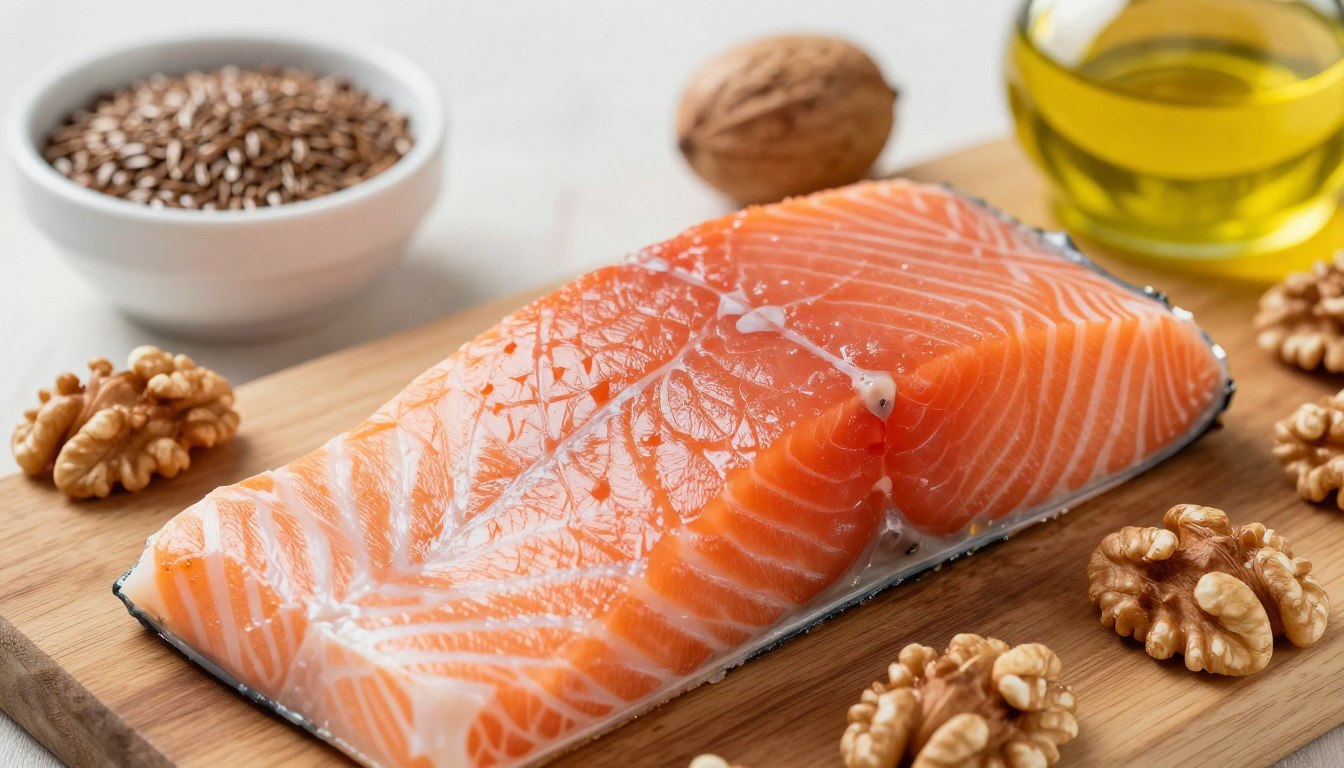
Salmon, sardines, and mackerel deliver omega-3 fatty acids in forms your body can actually use. These fats reduce inflammation more effectively than plant-based omega-3s from flaxseed or chia.
Your brain is roughly sixty percent fat. When you feed it quality omega-3 fatty acids, you’re literally rebuilding the structure of your neurons. Studies in the Journal of Nutrition (2023) found that people eating fish twice weekly showed better memory retention and less joint pain progression compared to those eating fish less frequently.
Berries and Colorful Vegetables: Nature’s Anti-Fog Toolkit
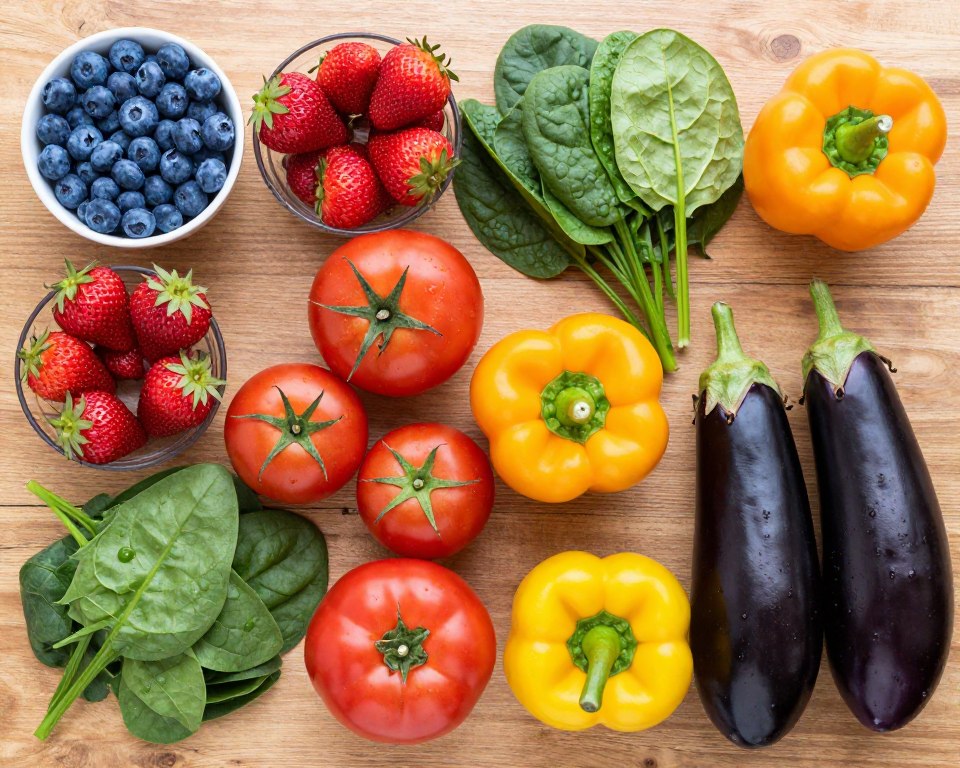
Blueberries, strawberries, and blackberries contain anthocyanins that cross the blood-brain barrier and park themselves in learning and memory centers. They’re like tiny bodyguards for your neurons.
Dark leafy greens, tomatoes, and bell peppers bring different antioxidant compounds to the party. Variety matters here. Eating seven different colored vegetables weekly beats eating the same salad every day.
Nuts and Seeds: Small Packages, Big Impact
Walnuts are particularly brilliant for brain health. Just one ounce daily provides plant-based omega-3s, vitamin E, and polyphenols. Almonds bring magnesium, which many of us lack, especially if stress is part of your daily life.
Don’t overthink this. A handful with breakfast or as an afternoon snack does the job.
Whole Grains: The Slow-Burn Energy Your Brain Craves
White bread and pasta spike your blood sugar, then crash it, leaving you foggy and irritable. Whole grains release glucose slowly, giving your brain steady fuel throughout the day.
Try quinoa, farro, or traditional oats. They’re more forgiving than you’d think, and they keep you feeling satisfied longer, which helps with weight management and reduced stress on your joints.
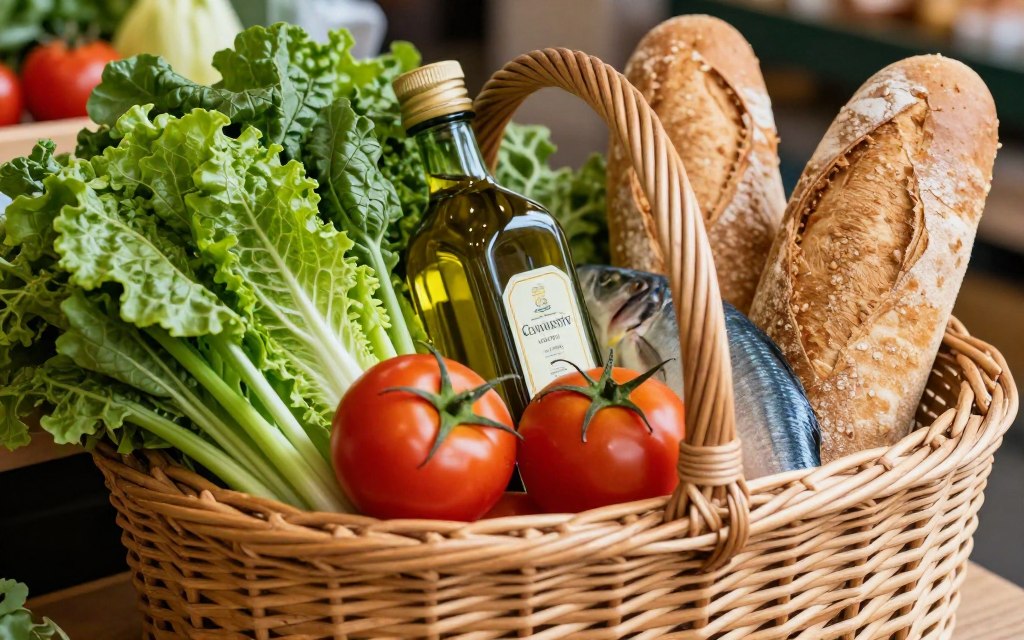
Your Screenshot-Ready Mediterranean Grocery List for Joint Pain and Brain Clarity
Screenshot this section and take it to the shop. Simple as that.
Fats and Oils
- Extra virgin olive oil (main cooking oil)
- Avocado oil (high-heat cooking)
- Olives (green and black varieties)
Proteins
- Wild-caught salmon (fresh or tinned)
- Sardines packed in olive oil
- Mackerel
- Free-range eggs
- Greek yogurt (full-fat, unsweetened)
- Chickpeas and lentils
Vegetables
- Spinach and kale
- Tomatoes (fresh and tinned)
- Bell peppers (red, yellow, orange)
- Eggplant
- Zucchini
- Broccoli
- Onions and garlic
Fruits
- Blueberries (fresh or frozen)
- Strawberries
- Oranges
- Apples
- Grapes
Whole Grains
- Quinoa
- Farro
- Steel-cut oats
- Brown rice
- Whole-grain sourdough bread
Nuts and Seeds
- Walnuts
- Almonds
- Pumpkin seeds
- Ground flaxseed
Herbs and Spices
- Turmeric
- Ginger
- Rosemary
- Oregano
- Basil
Simple 7-Day Starter Plan: How to Support Mental Clarity with Anti-Inflammatory Meals
This plan takes the guesswork out. Each day builds on the last, so you’re not overwhelmed. And here’s a secret worth knowing: our free 28-Day Mediterranean Diet Maintenance Program expands on these foundations, giving you a full month of structured eating without the hard sell or complicated tracking.
Day 1: Monday
Breakfast: Steel-cut oats with blueberries, walnuts, and a drizzle of honey
Lunch: Greek salad with chickpeas, tomatoes, cucumber, olives, and olive oil dressing
Dinner: Baked salmon with roasted vegetables (zucchini, bell peppers) and quinoa
Snack: Apple slices with almond butter
Day 2: Tuesday
Breakfast: Greek yogurt with strawberries and ground flaxseed
Lunch: Lentil soup with whole-grain sourdough
Dinner: Grilled mackerel with sautéed spinach and brown rice
Snack: Handful of mixed nuts
Day 3: Wednesday
Breakfast: Scrambled eggs cooked in olive oil with tomatoes and basil
Lunch: Quinoa bowl with roasted vegetables, olives, and tahini dressing
Dinner: Chicken stir-fry with broccoli, bell peppers, and garlic over farro
Snack: Orange and walnuts
Day 4: Thursday
Breakfast: Oatmeal with chopped apples, cinnamon, and pumpkin seeds
Lunch: Sardine salad with mixed greens, cherry tomatoes, and olive oil
Dinner: Baked eggplant with tomato sauce, chickpeas, and whole-grain bread
Snack: Grapes and almonds
Day 5: Friday
Breakfast: Greek yogurt parfait with berries and a sprinkle of granola
Lunch: Farro salad with roasted peppers, feta, and lemon dressing
Dinner: Grilled salmon with asparagus and quinoa
Snack: Carrot sticks with hummus
Day 6: Saturday
Breakfast: Whole-grain toast with avocado and poached eggs
Lunch: Mediterranean vegetable soup with white beans
Dinner: Baked cod with roasted tomatoes, olives, and brown rice
Snack: Fresh berries and walnuts
Day 7: Sunday
Breakfast: Smoothie with spinach, blueberries, Greek yogurt, and flaxseed
Lunch: Grilled vegetable and hummus wrap in whole-grain tortilla
Dinner: Slow-cooked lamb with roasted vegetables and farro
Snack: Apple and almond butter
By the end of this week, many people notice their joints feel less stiff first thing in the morning. Mental fog often starts lifting around day five or six. Your body is responding to consistent anti-inflammatory eating, not a quick fix.
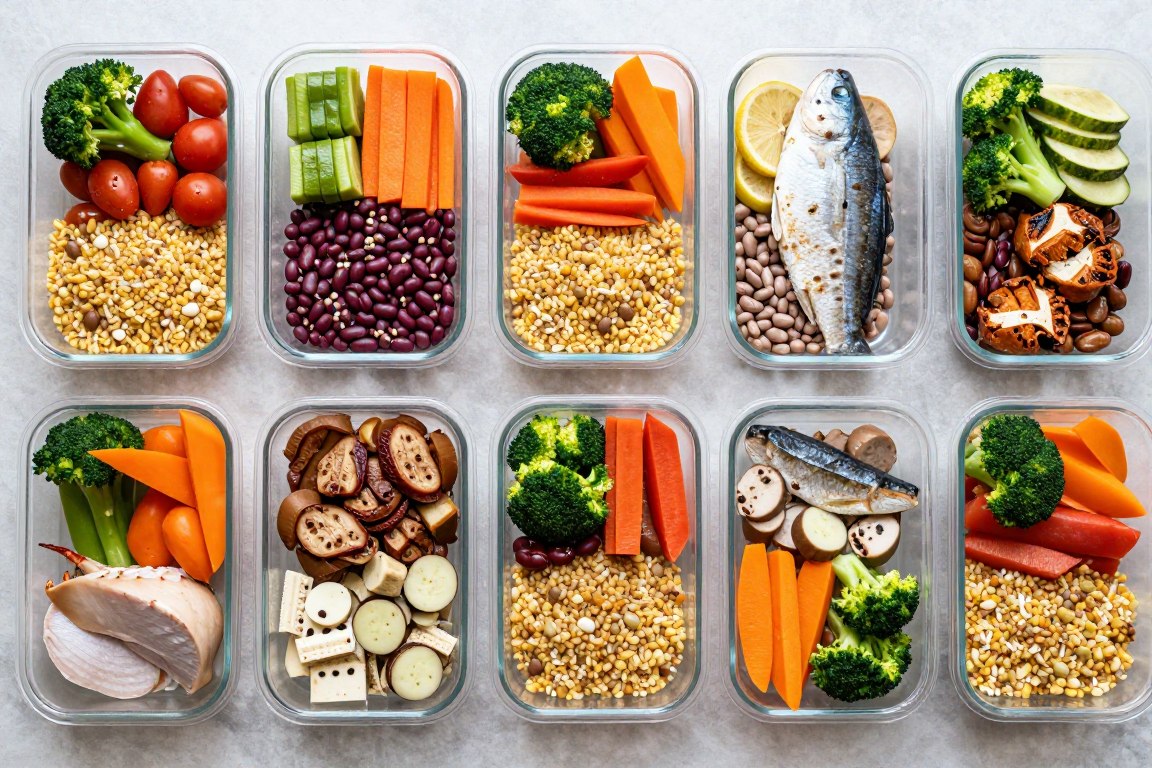
Specific Nutrients That Improve Focus Without Energy Drinks
Energy drinks might give you a short-term jolt, but they’re followed by a crash that leaves you foggier than before. The mediterranean diet delivers steady, reliable mental energy through these key nutrients.
Omega-3 Fatty Acids: The Brain’s Building Blocks
Your brain needs DHA and EPA, two types of omega-3 fatty acids found primarily in fish. These fats maintain the structure of brain cell membranes and support communication between neurons. Research published in Frontiers in Aging Neuroscience (2023) linked higher omega-3 intake with better executive function and memory in adults over sixty.
You don’t need massive amounts. Two servings of fatty fish weekly, plus a daily handful of walnuts, cover your bases.
Polyphenols: The Unsung Heroes
These plant compounds are found in olive oil, berries, and dark leafy greens. They reduce oxidative stress in the brain, which accumulates as we age and contributes to that foggy feeling.
A study in the American Journal of Clinical Nutrition (2024) found that people with the highest polyphenol intake had significantly better cognitive performance and less reported brain fog compared to those with the lowest intake.
B Vitamins: Energy Production at the Cellular Level
Whole grains, leafy vegetables, and eggs provide B vitamins essential for converting food into usable energy. Without adequate B6, B12, and folate, your brain struggles to produce neurotransmitters like serotonin and dopamine, leaving you mentally sluggish.
Unlike energy drinks that force a response, B vitamins support your body’s natural energy production systems.
Magnesium: The Calming Mineral
Stress depletes magnesium, and low magnesium worsens stress. It’s a vicious cycle. Nuts, seeds, and leafy greens break this pattern by providing magnesium that calms your nervous system and supports hundreds of biochemical reactions in your brain.
Better sleep, clearer thinking, and reduced anxiety often follow when magnesium levels normalize.
One-Pot Mediterranean Chicken and Vegetable Bake: Comfort Food That Heals
This recipe is foolproof, feeds four, and tastes even better the next day. It’s the kind of cooking that doesn’t require perfection.
Ingredients
- 4 chicken thighs (bone-in, skin-on for flavor, or skinless if preferred)
- 2 bell peppers (red and yellow), cut into chunks
- 1 large zucchini, sliced
- 1 eggplant, cubed
- 1 red onion, cut into wedges
- 4 cloves garlic, minced
- 1 can (400g) diced tomatoes
- 1/4 cup extra virgin olive oil
- 2 teaspoons dried oregano
- 1 teaspoon turmeric
- Salt and pepper to taste
- Fresh basil for garnish
- Juice of half a lemon
Instructions
- Preheat your oven to 200°C (400°F).
- In a large baking dish, toss all vegetables with olive oil, garlic, oregano, turmeric, salt, and pepper.
- Nestle chicken thighs among the vegetables, skin-side up.
- Pour diced tomatoes over everything.
- Bake uncovered for 45 minutes until chicken is cooked through and vegetables are tender.
- Squeeze lemon juice over the dish and garnish with fresh basil before serving.
Simple Substitutions
- Swap chicken for firm white fish like cod (reduce cooking time to 30 minutes)
- Use chickpeas instead of meat for a vegetarian version
- Replace eggplant with mushrooms if you’re not keen on eggplant
- Add olives and capers for extra Mediterranean flavor
Serve this over quinoa or with crusty whole-grain bread. The turmeric and olive oil combination is particularly effective for joint pain, while the variety of vegetables provides the antioxidants your brain needs.

Beyond Food: Lifestyle Factors That Amplify Mediterranean Diet Results
The mediterranean diet isn’t just about what’s on your plate. The traditional Mediterranean lifestyle includes elements that multiply the benefits.
Movement: Gentle and Consistent
Mediterranean communities didn’t have gyms. They walked, gardened, and stayed active through daily life. Research shows that combining anti-inflammatory eating with regular walking reduces joint pain more than diet alone (Arthritis Care & Research, 2023).
Aim for thirty minutes of walking most days. It doesn’t need to be strenuous. Consistency matters more than intensity.
Social Connection: The Forgotten Nutrient
Eating with friends and family isn’t just pleasant. It reduces stress hormones that interfere with both joint health and cognitive function. Loneliness, conversely, increases inflammation markers throughout the body.
Make meals social when you can. Even a weekly dinner with friends makes a measurable difference to your health outcomes.
Sleep: When Healing Happens
Your brain clears metabolic waste during deep sleep. Without adequate rest, toxins accumulate, contributing to brain fog. Meanwhile, joints repair and inflammation settles overnight.
The mediterranean diet supports better sleep through magnesium-rich foods and stable blood sugar levels. Most people notice improved sleep quality within the first week of dietary changes.

Stress Management: Breaking the Inflammation Cycle
Chronic stress drives inflammation as powerfully as poor diet. The Mediterranean approach emphasizes rest, leisure, and not taking life too seriously. A bit of Australian self-deprecating humor helps here. We’re not solving world hunger, we’re just eating better fish.
Simple practices like ten minutes of morning sunshine, evening walks, or sitting with a cup of tea without scrolling your phone can reduce stress enough to notice physical changes in pain and mental clarity.
Making It Stick: Why Adherence Mediterranean Diet Patterns Matters More Than Perfection
Here’s where most diet plans fall apart. They demand perfection, and life rarely cooperates.
The beauty of the mediterranean diet is its flexibility. You’re not following strict rules. You’re adopting a pattern of eating that allows for birthday cake, the occasional meat pie, and Sunday roasts without derailing your progress.
Studies on adherence mediterranean diet show that people who follow it loosely but consistently get better results than those who are strict for two weeks then give up entirely. Aim for eighty percent adherence. That’s good enough to see real changes in joint pain and mental clarity.
Practical Tips for Long-Term Success
- Keep olive oil on the counter where you see it daily
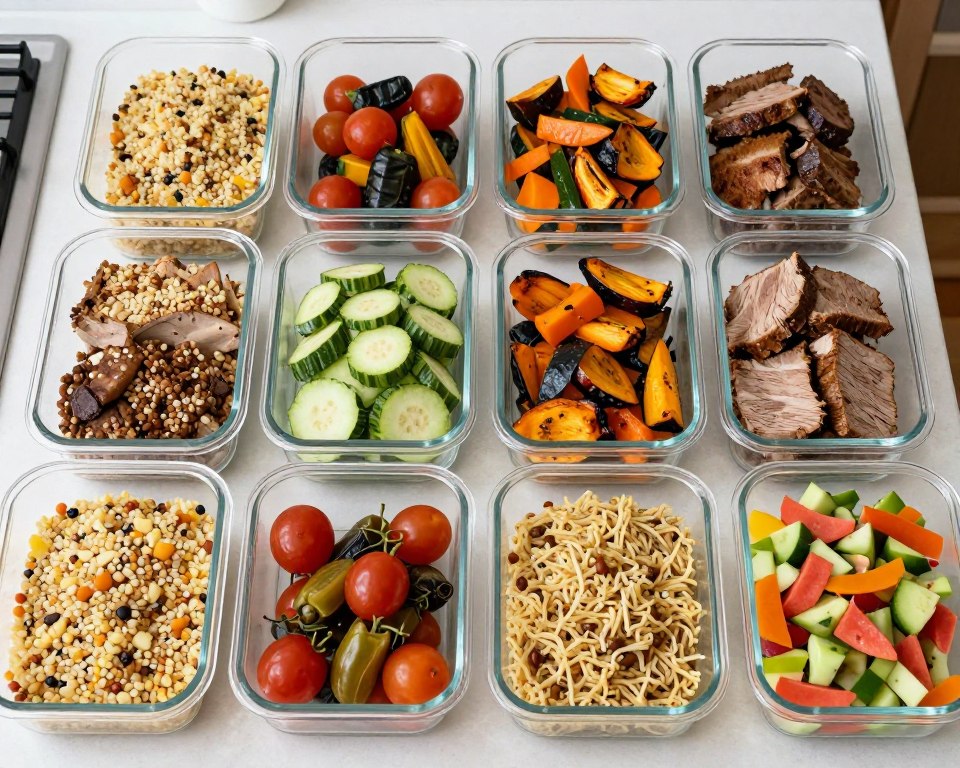
- Prep vegetables once weekly so they’re ready when you’re tired
- Stock tinned fish and chickpeas for quick protein options
- Don’t ban foods. Just shift proportions toward Mediterranean staples
- Find three recipes you genuinely enjoy and rotate them regularly
- Join friends or family in making the changes together for accountability
The research is clear: adherence mediterranean diet patterns over months and years is what transforms health outcomes, not short bursts of dietary perfection (The Lancet, 2024).
The Science of How Mediterranean Eating Reduces Inflammation and Pain
Let’s get slightly nerdy for a moment, because understanding the mechanism helps when motivation wanes.
Inflammation starts when your immune system releases chemicals to fight perceived threats. In chronic inflammation, this response never fully shuts off. The key components mediterranean diet work through multiple pathways to dial down this overactive response.
Omega-3 Fatty Acids Block Inflammatory Signals
Omega-3s compete with omega-6 fatty acids (abundant in vegetable oils and processed foods) for space in your cell membranes. When omega-3s win, they produce less inflammatory compounds. This directly reduces joint pain and brain inflammation.
Polyphenols Act as Natural Anti-Inflammatories
Compounds in olive oil, berries, and vegetables activate genetic pathways that suppress inflammation. They also support your gut microbiome, which plays a surprising role in regulating inflammation throughout your body.
Fiber Feeds Good Gut Bacteria
Whole grains, vegetables, and legumes provide fiber that gut bacteria ferment into short-chain fatty acids. These compounds reduce inflammation in your gut lining and throughout your body, including your brain and joints.
A study in Cell Metabolism (2023) found that people eating high-fiber Mediterranean diets had significantly lower levels of C-reactive protein, a marker of systemic inflammation, compared to those on low-fiber Western diets.
This isn’t magic. It’s biology working as intended when you provide the right building blocks.
Frequently Asked Questions
How quickly will I notice reduced joint pain on the mediterranean diet for joint pain?
Most people report noticeable improvements in joint stiffness and pain within two to three weeks of consistent adherence mediterranean diet principles. Brain fog often lifts slightly sooner, around seven to ten days, as inflammation markers begin to drop. Individual results vary based on the severity of existing inflammation, consistency of dietary changes, and other lifestyle factors like sleep and activity levels. Patience is key. The mediterranean diet works through gradual, sustainable changes rather than dramatic overnight transformations.
Can I follow the mediterranean diet if I don’t like fish?
Absolutely. While fish provides the most bioavailable omega-3 fatty acids, you can obtain similar benefits from walnuts, ground flaxseed, chia seeds, and high-quality omega-3 supplements derived from algae. Increase your intake of these plant-based sources and focus heavily on olive oil, nuts, colorful vegetables, and whole grains. Many people successfully manage joint pain and improve mental clarity without eating fish by emphasizing the other key components mediterranean diet offers. The pattern is more important than any single food.
Is the mediterranean diet expensive compared to my current eating habits?
Not necessarily. While items like wild-caught salmon and extra virgin olive oil can be pricier, you’ll save money by reducing processed foods, takeaways, and expensive supplements. Tinned sardines and mackerel are affordable omega-3 sources. Buying seasonal vegetables, cooking dried beans and lentils instead of buying tinned, and purchasing whole grains in bulk all reduce costs. Many people find their overall food budget stays similar or even decreases when they shift from convenience foods to Mediterranean staples. Focus on affordable staples like eggs, chickpeas, seasonal produce, and tinned fish to keep costs manageable.
Will the mediterranean diet help with arthritis symptoms beyond just pain?
Yes. Research shows the mediterranean diet can improve multiple arthritis symptoms including morning stiffness, reduced mobility, and overall quality of life. The anti-inflammatory effects of omega-3 fatty acids, polyphenols, and antioxidants may slow the progression of joint damage in some forms of arthritis, particularly rheumatoid arthritis and osteoarthritis (Nutrition Reviews, 2024). Beyond pain relief, many people report better energy levels, improved sleep, and enhanced mood. These benefits compound over time, making daily activities easier and reducing reliance on pain medications for some individuals. Always consult your doctor before making significant dietary changes, especially if you’re managing a chronic condition.
Share This with Someone Who Needs It
Copy and paste this message to send to a friend:
Hey! I just read this brilliant article about how the Mediterranean diet can help with joint pain and brain fog. Turns out the same foods that reduce inflammation in your knees also clear up that foggy feeling we’ve been complaining about. There’s a simple 7-day plan and a grocery list you can screenshot. Thought you might find it useful. Here’s the link: [INSERT PAGE URL]

Your Next Steps: Moving from Information to Action
You’ve made it this far, which tells me you’re serious about feeling better. Brain fog and joint pain don’t have to be your new normal just because you’ve passed fifty.
The mediterranean diet for joint pain isn’t a cure-all. It won’t reverse decades of wear overnight. But it offers something more valuable: a sustainable way of eating that reduces inflammation, sharpens your mind, and improves your quality of life without feeling like punishment.
Start small if the whole plan feels overwhelming. Swap butter for olive oil this week. Add a handful of walnuts to breakfast. Buy tinned sardines and give them a go. These small changes accumulate into meaningful results over weeks and months.
The science backs this approach. The testimonials from thousands who’ve walked this path before you reinforce it. Your body has remarkable healing capacity when given the right tools.
Stop settling for foggy thinking and aching joints. Your brain and body deserve better fuel than they’ve been getting. The mediterranean diet offers that fuel in delicious, satisfying, and sustainable ways.
Take the grocery list. Try the seven-day plan. Make the one-pot chicken bake. See how you feel in two weeks. That’s all the commitment required to know if this works for you.
And remember, you’re not doing this alone. Thousands of people over fifty are discovering that the mediterranean diet transforms not just what they eat, but how they feel, think, and move through life.
Medical Disclaimer
This article provides general information about nutrition and health. It is not medical advice and should not replace consultation with qualified healthcare professionals. Always consult your doctor before making significant dietary changes, especially if you have existing health conditions, take medications, or are under medical treatment for joint pain, arthritis, or cognitive issues. Individual results may vary.
References
- Harvard Health Publishing (2023)
- Nutrients Journal (2024)
- Journal of Nutrition (2023)
- Frontiers in Aging Neuroscience (2023)
- American Journal of Clinical Nutrition (2024)
- Arthritis Care & Research (2023)
- The Lancet (2024)
- Cell Metabolism (2023)
- Nutrition Reviews (2024)
Get well and stay well,
Ray Baker
