
By Ray Baker
Hot flushes, low energy and a waistband that sits differently can leave you wondering whether your hormones are calling the shots. Many readers over 50 ask me whether a Mediterranean diet for hormone balance is a sensible next step after a doctor visit or a rough night. This way of eating is often promoted to decrease the risk of heart disease, depression and dementia [1], and one health system describes it as a heart-healthy eating plan [2]. It is also based on foods you can find at a regular supermarket, which helps when you are cooking for one or two and watching the budget. This article is general information, not medical advice.
What does Mediterranean diet for hormone balance mean?
There is no single food that resets hormones. The phrase usually means using a plant-focused Mediterranean eating pattern, built around vegetables, fruit, beans, nuts, whole grains, olive oil and fish, to support steady energy and overall wellbeing while you talk with your doctor about any hormone concern, and this is what a Mediterranean diet for hormone balance generally describes. This is general information rather than medical advice.
Key takeaways
- The Mediterranean pattern is plant-based, with olive oil as the main added fat [1][3].
- Fish is the preferred animal protein at least twice weekly, while red meat is limited to a few times per month [1][3].
- Vegetables, fruit, beans, lentils, nuts and whole grains appear at most meals [3].
- Read the serving size on a Nutrition Facts label before comparing nutrients, because all values refer to that serving [4].
- This overview is not medical advice; a dietitian can help tailor the approach to your medical history [3].
Which foods fill most of the plate?
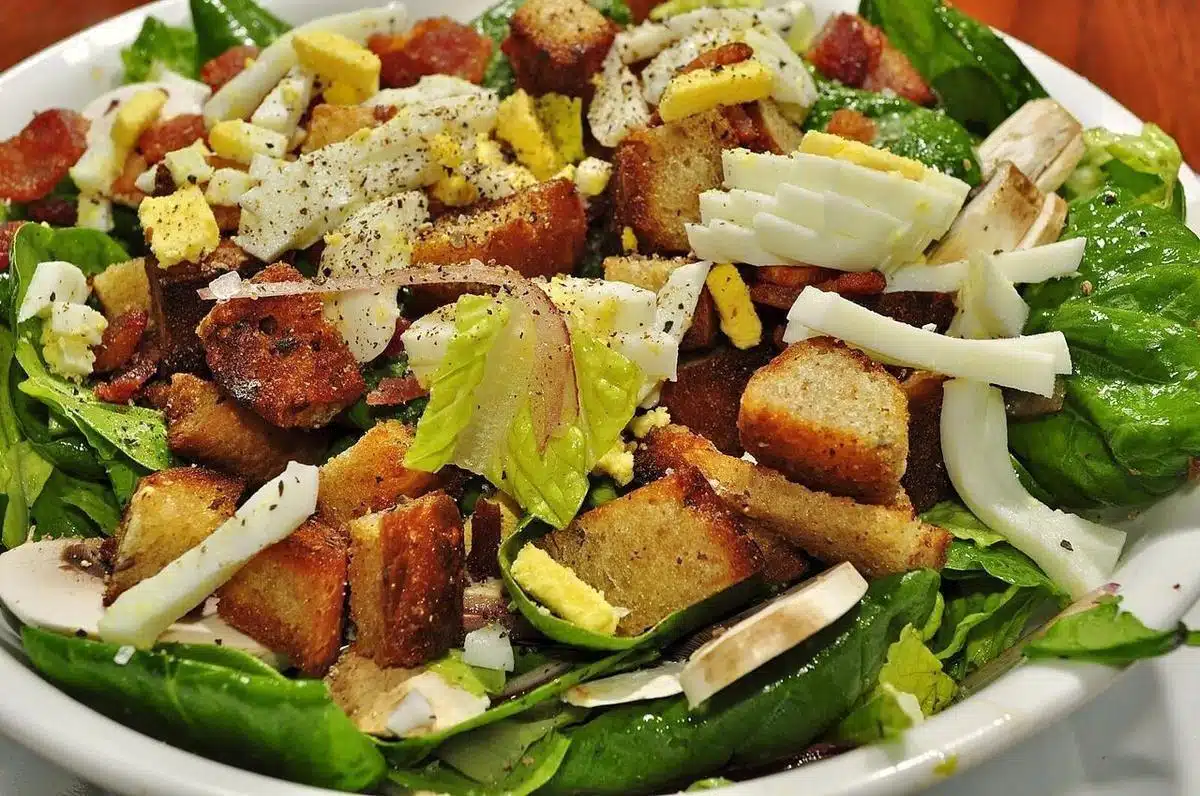
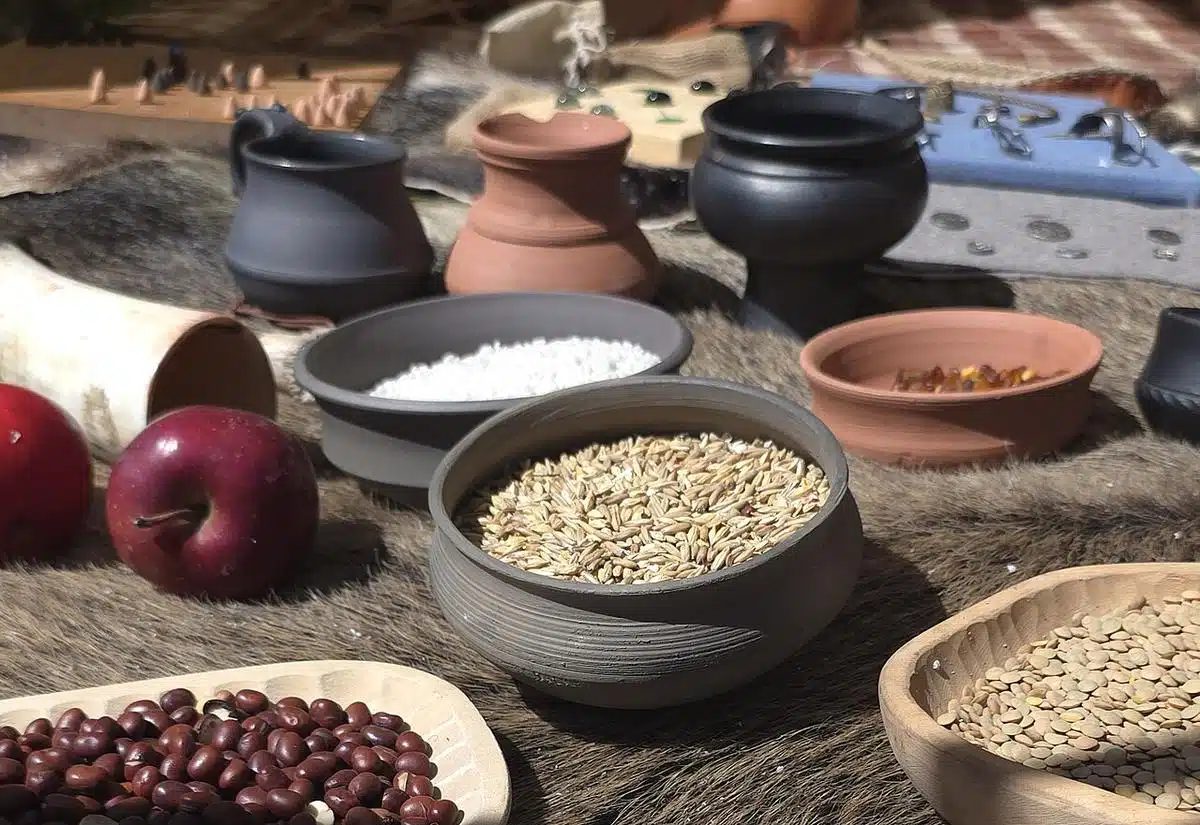
Vegetables, fruit, beans, lentils, nuts and whole grains show up at most meals. A health review describes the eating pattern as primarily plant-based, with daily whole grains, olive oil, fruit, vegetables, beans, legumes, nuts, herbs and spices [1]. Another source puts it more simply: lots of vegetables, fruit, beans, lentils and nuts, and a good amount of whole grains such as whole-wheat bread and brown rice [3].
This is not a rigid list. You can use frozen spinach, tinned lentils and brown rice to keep costs down. I like this pattern because it does not ask you to weigh every gram. The pyramid shape gives proportions, not strict formulas [1]. You can simply aim for more vegetables than grains on most plates, then let your appetite guide the rest.
Budget matters too. Dried or tinned lentils, frozen vegetables and seasonal fruit are all perfectly fine. The original pattern was based on simple, local foods in Crete, Greece and southern Italy in the mid-20th century [1], not on expensive superfoods. Meals were also eaten together, which is a reminder that eating socially is part of the tradition [1].
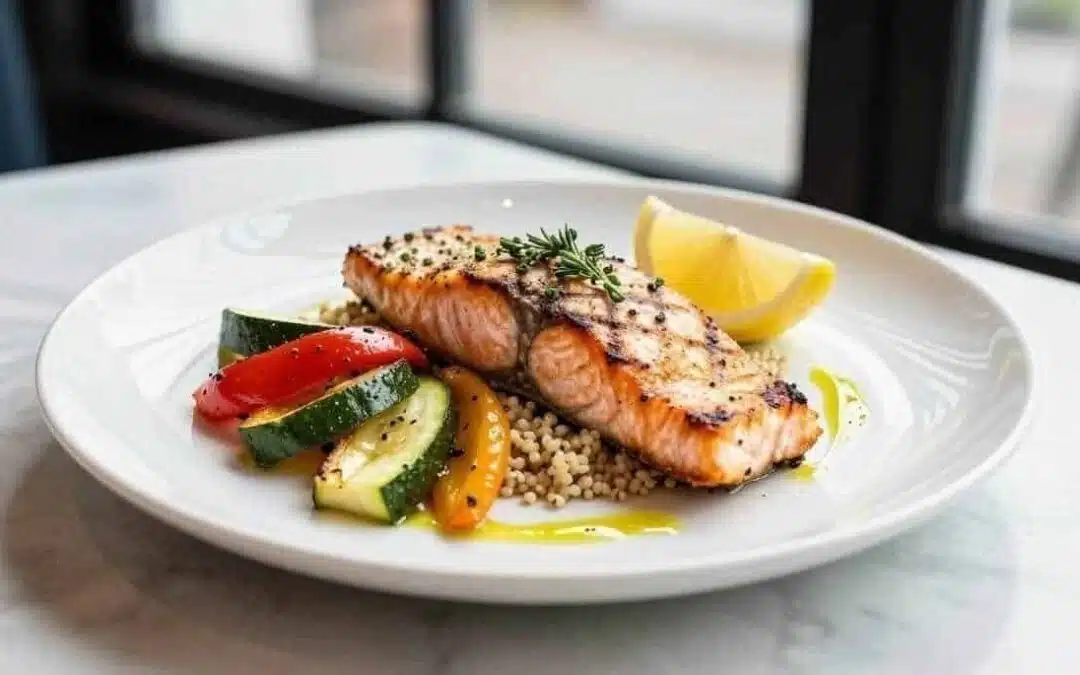
For animal foods, the pattern moves fish to the front. Fish is the main animal protein at least twice weekly, while poultry, eggs and dairy such as natural cheese or yogurt are eaten in smaller portions either daily or a few times a week. Red meat is eaten only a couple of [1][3] times each month.
Why do healthy fats matter for everyday energy?
Healthy fats are central, not an afterthought. Olive oil is suggested as the primary added fat, replacing butter and margarine, while avocados, nuts and oily fish such as salmon and sardines are highlighted. Walnuts and fish are high in omega-3 fatty acids [1].
One thing I see people get wrong is removing fat altogether when they are trying to eat well. This pattern does the opposite. Olive oil is recommended as the primary added fat, replacing other oils and fats (butter, margarine), and other foods naturally containing healthful fats are highlighted, such as avocados, nuts, and oily fish [1]. The point is the type of fat and the foods around it, not eating fat without limit.
A global health agency describes four core principles of adequacy, balance, moderation and diversity as the foundation of any healthy diet [5]. Because this pattern pairs those fats with fibre-rich vegetables, beans and whole grains, meals tend to feel satisfying without being heavy. The pyramid shape suggests the proportion of foods to eat, such as more vegetables and fruit and less dairy, but it does not set portion sizes. You decide how much to eat based on your body size and physical activity [1].
If blood sugar swings are part of your concern, our foods that improve insulin sensitivity guide explains how similar Mediterranean habits can fit into a normal week. No single meal needs to be perfect.
What are 5 easy tips for this way of eating?
- Make vegetables and beans a major part of meals. The pattern is primarily plant-based, and the pyramid suggests proportions such as eating more fruits and vegetables [1].
- Use extra virgin olive oil as your main source of fat. It is the main source of fat in the diet [3].
- Aim for fish at least twice weekly. Fish is the main animal protein, while red meat appears on the menu only a few [1] times each month.
- Check the Nutrition Facts label first. All the nutrient amounts shown refer to the serving size, not the whole package [4].
- Keep sweets, sugary drinks and butter to a minimum. Choose water as your usual drink and save those items for rare occasions [3].
These steps are ordinary and budget-friendly. A bag of lentils, a tin of sardines and a bottle of olive oil can carry several meals, which is why I favour this pattern for people who do not want fussy shopping lists.

What does a simple day look like?
Breakfast could be plain Greek yogurt with a small handful of walnuts and berries, or whole-grain toast with tomato and a little olive oil. Lunch might be a big bowl of lentils with chopped cucumber, parsley, lemon and olive oil, plus a slice of whole-wheat bread. Dinner could be fish such as salmon or sardines with vegetables and brown rice; red meat is eaten only a few [1] times each month.
For snacks, fruit and a few unsalted nuts usually work well. If you are preparing food for one or two, frozen fish fillets and pre-chopped frozen vegetables can reduce waste without changing the pattern. You do not need to buy everything fresh.
If menopause weight changes are a particular worry, our menopause weight loss guide walks through meal and portion ideas without turning dinner into homework.
Do I need to cut anything out completely?
No. The pattern includes little or no red meat, sweets, sugary drinks or butter [3]. A Mediterranean diet for hormone balance is about the overall plate, not about being perfect at every meal. A dietitian can help modify the approach based on your medical history, underlying conditions, allergies and preferences [3].
If you are reading labels, the serving size line matters. In one example from the label guidance, one serving of lasagna equals one cup, and eating two cups means two servings, so you would double the calories and nutrients shown [4]. The same habit helps you compare yogurts, breads and tinned fish without guessing.
Related reading
- Foods That Improve Insulin Sensitivity Using Mediterranean Habits: A practical guide to steadying blood sugar with Mediterranean habits.
- Mediterranean Diet for Menopause Weight Loss: Your Complete Guide to Feeling Like Yourself Again: Menopause-focused meal and portion ideas without diet misery.
Frequently asked questions
Can this way of eating replace hormone therapy?
No. A Mediterranean diet for hormone balance is not a substitute for prescribed treatment. Eating well supports overall health, but you should talk with your doctor before changing any medication. The above is not medical advice.
What if I do not like fish?
You can swap in beans, lentils, eggs and poultry. The pattern favours fish as the main animal protein, but smaller portions of poultry, eggs and dairy are also included [1][3].
How much olive oil should I use?
The pyramid does not set specific portion sizes, so the amount depends on your body size and activity [1]. Use enough to make vegetables and grains taste good without making the meal greasy.
Should I avoid dairy completely?
No. Natural cheese and yogurt are included in moderate amounts [3]. Plain, unsweetened options are usually the most useful, and the label will show added sugars.
Can I still enjoy a glass of wine?
The Mediterranean tradition includes wine with meals in moderation, but the guidance is clear: if you do not already drink, do not start [3]. If you do drink, keep it modest and check with your doctor.
What if I have a diagnosed hormone condition?
See your doctor or a registered dietitian. A dietitian can help you modify your approach as needed based on your medical history, underlying conditions, allergies and preferences [3]. This article offers background rather than a treatment plan.
Honest take
My honest take is that a Mediterranean diet for hormone balance is worth trying because it is flexible, affordable and does not ask you to cut out whole food groups. The mistake I see people make is chasing a single “hormone” food while the rest of the plate stays the same. Start with one extra vegetable at dinner, or fish once this week, and speak with your doctor about any persistent symptom. That is a calmer, more realistic path.
References
- Diet Review: Mediterranean Diet. The Nutrition Source. https://nutritionsource.hsph.harvard.edu/healthy-weight/diet-reviews/mediterranean-diet/
- Mediterranean diet: A heart-healthy eating plan, Mayo Clinic. https://www.mayoclinic.org/healthy-lifestyle/nutrition-and-healthy-eating/in-depth/mediterranean-diet/art-20047801
- Mediterranean Diet: Food List & Meal Plan. Cleveland Clinic. https://my.clevelandclinic.org/health/articles/16037-mediterranean-diet
- How to Understand and Use the Nutrition Facts Label. FDA. https://www.fda.gov/food/nutrition-facts-label/how-understand-and-use-nutrition-facts-label
- Healthy diet. World Health Organization. https://www.who.int/news-room/fact-sheets/detail/healthy-diet
Get well and stay well,
Ray Baker
