
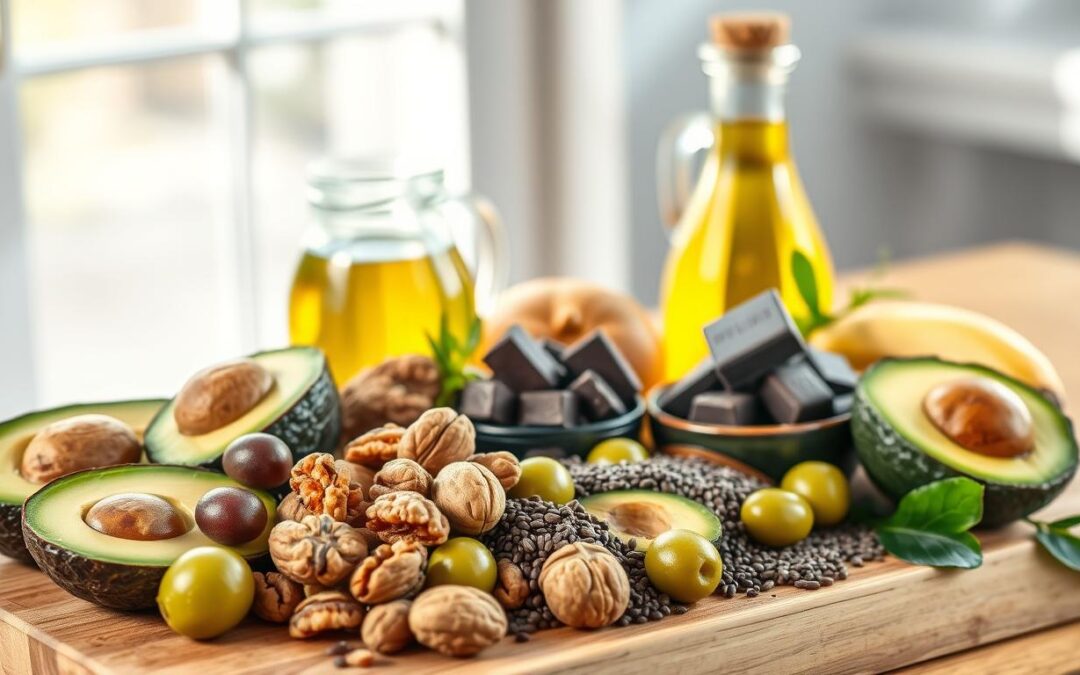
Do you hit a wall every afternoon around 3:00 PM? This slump is often from blood sugar spikes from bad carbs. Instead, try adding nutrient-dense lipids to your diet to keep your energy steady.
Good food choices give you lasting fullness and help your brain work well. By picking the right foods, like 15 incredibly filling foods like salmon or walnuts, you can stop feeling hungry all the time. These foods are key for staying healthy and balanced.
You don’t have to eat boring or limited food to get results. By choosing healthy fats, you get better nutrition and stay full all day. Ready to change how you eat? Click the button below to start our 28-day guide.
Start Your 28-Day Meal Plan Now
Key Takeaways
- Mid-afternoon energy crashes are often linked to poor snack choices.
- Quality lipids are essential for maintaining steady blood sugar levels.
- Incorporating specific nutrient-dense foods promotes long-term satiety.
- You can achieve your wellness goals without restrictive dieting.
- Proper nutrition supports both brain function and physical energy.
Stop the Mid-Afternoon Slump
Have you ever stared at the vending machine at 3:00 PM? Your stomach growls like a bear. You think a biscuit will help, but you feel worse an hour later. It’s time to pick better foods for satiety to stay energized.
The Quick Fix for Constant Cravings
When you crave sugar, it’s often because you need good fuel. Don’t grab junk. Choose foods for satiety that give you energy for hours.
Healthy fats and proteins help avoid the afternoon slump. This change stops your snack hunt and controls your hunger. Your body will be happy.
Why Low-Fat Diets Often Backfire
Many think “low-fat” is healthy. But these foods are often full of hidden sugars. They don’t keep you full and can make you hungrier.
These snacks lead to a cycle of hunger. It’s better to eat whole, natural fats that really satisfy you.
| Snack Type | Primary Effect | Satiety Level | Blood Sugar Impact |
|---|---|---|---|
| Low-Fat Rice Cakes | Rapid Energy Spike | Very Low | High Crash Risk |
| Handful of Almonds | Sustained Fuel | High | Stable |
| Fat-Free Fruit Yogurt | Sugar Rush | Low | High Crash Risk |
| Avocado Slices | Long-term Satisfaction | Very High | Stable |
Why Your Brain Craves Quality Lipids
Did you know your brain is mostly fat? It needs special nutrients to work well. The fats you eat affect your brain’s performance. Eating the right fats helps keep your brain sharp as you get older.
Fueling Cognitive Clarity After Fifty
As you get older, your body needs more specific nutrients. Polyunsaturated fats are key because they help build cell membranes. They also protect your nerves, making sure signals move fast and clear.
Eating healthy fats keeps your brain strong. Studies show eating these fats helps your brain stay healthy for a long time. Learn more about it in this study on lipid metabolism.
The Connection Between Fat and Focus
Ever noticed your focus changes with what you eat? Good fats give you energy and clear your mind. Choosing the right fats helps you stay focused all day.
Here’s how different fats help your brain:
| Fat Type | Primary Benefit | Best Sources |
|---|---|---|
| Omega-3 Fatty Acids | Supports memory and mood | Walnuts, flaxseeds, salmon |
| Monounsaturated Fats | Protects nerve integrity | Olive oil, avocados, almonds |
| Saturated Fats (Limited) | Provides structural support | Coconut oil, grass-fed butter |
| Trans Fats | Negative impact on focus | Processed snacks, fried foods |
Eating healthy fats is a great way to keep your mind sharp. Small diet changes can make a big difference. Your choices today help your brain tomorrow.
Top Healthy Fats That Keep You Full
Adding healthy fats to your meals helps you feel full longer. Choosing the right foods can control hunger and stop snacking. These healthy fats that keep you full are key for a balanced diet.
Avocados: The Creamy Satiety Powerhouse
Avocados are full of fat, about 80% of their calories. This fat makes you feel full and stops you from eating too much later.
They also have lots of potassium. One serving gives you 15% of what you need daily. This is good for your heart and helps keep fluids balanced. Try mashing half an avocado on whole-grain toast for a quick, filling breakfast.
Nuts and Seeds for On-the-Go Energy
Nuts and seeds are great snacks when you’re on the move. They have fiber, protein, and healthy fats that keep your energy steady.
Carry a small bag of almonds, walnuts, or pumpkin seeds with you. Remember, a little goes a long way. Eat a small handful to enjoy the benefits without too many calories.
Extra Virgin Olive Oil: The Liquid Gold Standard
Olive oil and appetite are closely linked in Mediterranean diets. Using extra virgin olive oil for cooking can make you feel more satisfied after eating.
Replace processed oils with this healthy choice. Use it on roasted veggies or in salad dressings. It adds flavor and helps you feel full.
| Food Source | Primary Benefit | Best Use |
|---|---|---|
| Avocado | High Potassium | Toast or Salads |
| Walnuts | Omega-3 Fatty Acids | On-the-go Snacking |
| Olive Oil | Heart Health | Cooking or Dressing |
Integrating Mediterranean Diet Fats into Your Routine
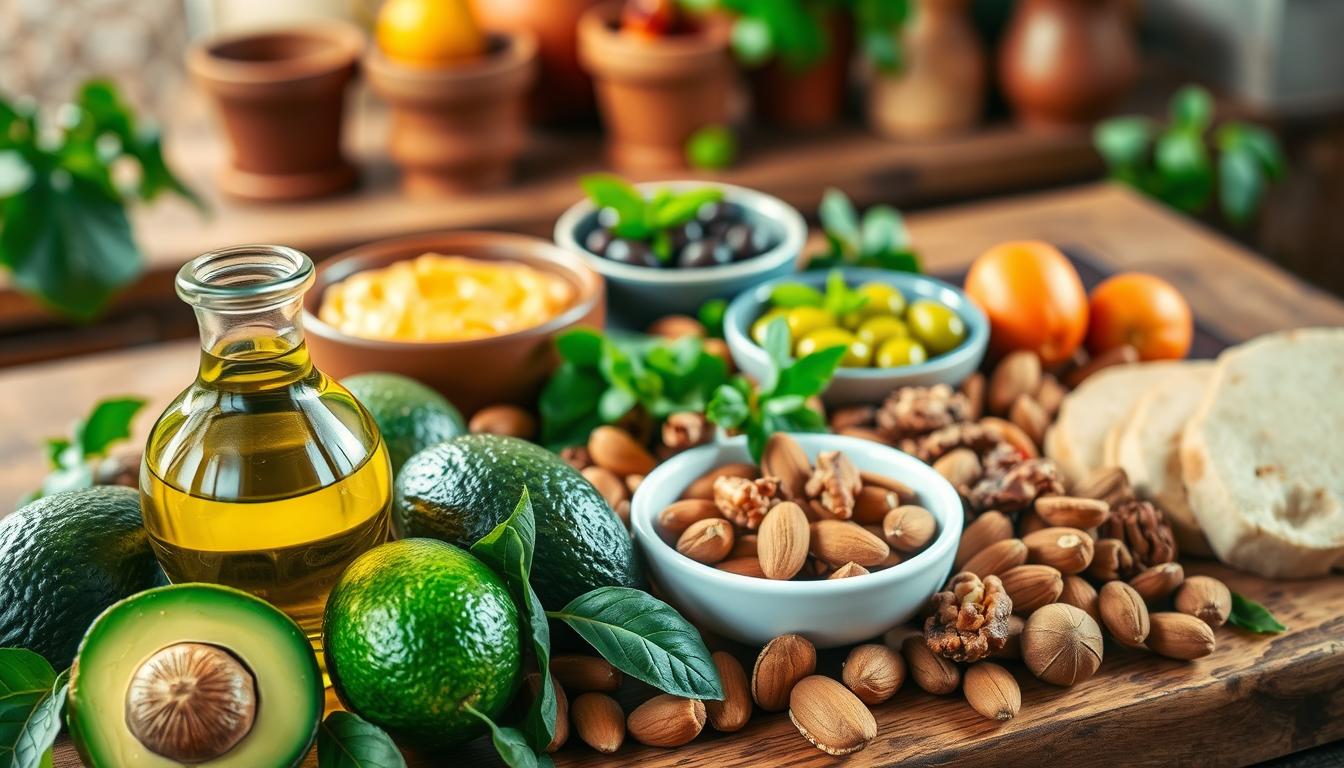
Changing to a healthier lifestyle is simple with tasty swaps. You don’t need to change your whole kitchen at once. Start with small, smart choices to help your heart and weight.
Swapping Processed Oils for Heart-Healthy Alternatives
Kitchens often use bad oils. Switching to better fats is key for health. Make simple swaps in your cooking every day.
- Use extra virgin olive oil for sautéing vegetables or drizzling over salads.
- Try avocado oil for high-heat cooking due to its stable smoke point.
- Keep a bottle of cold-pressed oil on your counter to remind you to use it.
Flavor Profiles That Make Healthy Eating Enjoyable
Healthy eating should be fun, not a task. Olive oil and appetite are linked, making you feel full. Adding fresh herbs brings out amazing flavors.
Try rosemary, basil, and oregano to make food taste great. These herbs make your food rich and tasty. For a start, check out our 7-day meal plan. Enjoy making your body healthy with good food.
Simple Strategies for Sustained Energy
Making small changes to your meals can change how you feel all day. It’s not about cutting out food or counting calories. It’s about picking foods for satiety that keep you going and your mind sharp.
Balancing Your Plate for Maximum Satiety
To keep your energy up, mix fiber, lean protein, and healthy fats on your plate. Swap saturated fats for polyunsaturated fats, like in vegetable oils. This slows digestion and stops the afternoon slump.
Choosing foods for satiety helps you stay full longer. Quality ingredients give your body the energy it needs. Try to have half your plate in colorful veggies, a quarter in lean protein, and a quarter in complex carbs or healthy fats.
Portion Control Without the Stress
Managing what you eat should feel easy, not hard. If you’re always hungry, try Mediterranean portion strategies that really work. They help you listen to your body’s hunger signals, not strict rules.
Using smaller plates or eating mindfully can make meals enjoyable. By picking the right foods for satiety, you can feel full and stay healthy. Here’s a list to help you stock up for energy.
| Category | Recommended Item | Benefit |
|---|---|---|
| Healthy Fats | Extra Virgin Olive Oil | Heart health |
| Proteins | Lentils and Beans | High fiber content |
| Vegetables | Leafy Greens | Nutrient density |
| Snacks | Raw Walnuts | Sustained energy |
Keep these items in your pantry for a healthy choice anytime. With the right ingredients, making good choices is easy.
How Nutrition Impacts Your Daily Mood
Your mood shows what you eat. Food is more than just fuel. It sends messages to your mind.
Choosing the right foods can help you feel better all day.
The Gut-Brain Axis and Your Emotional Well-being
Your gut is like a second brain. It’s connected to your mind by nerves. This gut-brain axis affects how you feel.
Eating foods rich in omega-3 fatty acids is key. You can find these in fatty fish like salmon. They help your brain work better and keep your mood stable.
Stable Blood Sugar Equals a Stable Temperament
Ever felt angry or impatient when hungry? This feeling, called being “hangry,” shows your blood sugar is low.
Refined sugars make your energy go up and down. This can make you feel moody. Eating nutrient-dense fats gives you energy slowly.
This steady energy keeps your mood stable. It’s a powerful tool for emotional balance.
Tools to Keep You on Track
Reaching your health goals is easier when you organize your space and support. Using the right tools helps you add Mediterranean diet fats to your daily routine easily.
Your Essential Mediterranean Grocery List
Success begins at the supermarket. Always check labels for “saturates.” Choose products with green or amber labels for the best health.
Stock up on these items to keep your kitchen full of Mediterranean diet fats:
- Extra virgin olive oil for cooking and dressings.
- Raw walnuts, almonds, and pistachios for quick snacks.
- Fresh avocados for creamy, heart-healthy additions to meals.
- Chia seeds and flaxseeds to sprinkle over yogurt or oatmeal.
- Fatty fish like salmon or sardines for essential omega-3s.
Sharing the Journey with Friends
Sharing your journey with friends makes it better. Staying consistent is easier with a support system.
Use this message to invite a friend to join your health journey:
“Hey! I’ve been adding more Mediterranean diet fats to my meals and feeling great. Want to try new recipes or swap tips with me this month?”
Consistency is key for lasting success. We have a guide to help you stay on track.
Access Your 28-Day Plan Here
Conclusion
Your journey to better health starts with simple habits. Eat whole foods and listen to your body. This keeps your energy up all day.
Small changes in your daily life can make a big difference. They can improve how you feel and your mood.
Being consistent is key for lasting wellness. Eating quality fats helps you feel full and keeps your mind clear. You can change how you see food by making smart choices.
Frequently Asked Questions
Can you eat fat and lose weight? Yes, healthy fats make you feel full. This helps you eat less and manage your weight better.
How much fat should you eat? Choose quality fats like those in California Olive Ranch oil. Don’t worry too much about how much.
Is butter bad for you? It’s best to limit butter and choose healthier fats like extra virgin olive oil.
Does fat affect your mood? Yes, eating healthy fats helps keep your blood sugar stable. This improves your mood and emotional health.
Disclaimer: This content is for informational purposes only and does not constitute medical advice. Always consult with a healthcare professional or a registered dietitian before making significant changes to your diet or lifestyle.
