
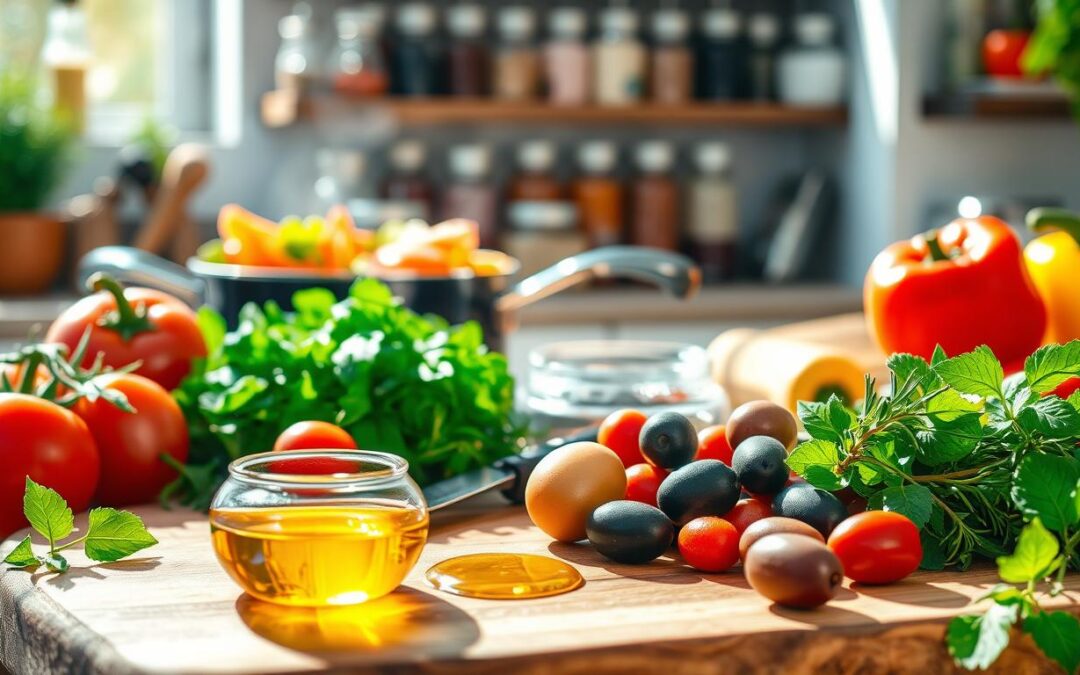
Do you feel like healthy food is just steamed broccoli and plain chicken? You’re not alone. Most Americans eat too much salt, over 3,400 mg a day. This is way more than we should.
It’s easy to grab the salt shaker when food tastes dull. But there’s a better way to make your meals exciting.
Try a low sodium Mediterranean diet to make your kitchen fun. You don’t have to give up taste to be healthy. Use fresh herbs, citrus, and spices to add flavor.
Want to feel more energetic and happy? Let’s start a 28-day journey together. Click here to get your meal plan. See how easy it is to make healthy choices that improve your life.
Key Takeaways
- The average American intake of salt significantly exceeds health guidelines.
- Healthy eating does not have to be bland or joyless.
- Fresh herbs and citrus are powerful tools for enriching meals.
- A heart-healthy lifestyle focuses on nutrient-dense, whole ingredients.
- Small, consistent changes lead to better energy and long-term wellness.
The Quick Fix for Bland Meals
Getting healthy flavor without salt is simpler than you might think. It’s all about how your taste works. Many people feel their food tastes dull when they cut back on salt.
Why Your Taste Buds Are Bored
Americans eat over 3,400 mg of sodium daily. This is way more than the USDA suggests. All this salt hides the real tastes of fresh foods.
Your taste buds get used to a lot of salt. When you stop eating so much salt, they feel bored. It takes time for them to get used to the tastes of real foods again. By choosing healthy flavor without salt, you help your taste buds recover.
The Science of Salt-Free Satisfaction
Learning to like food without salt is a science. As you eat less salt, you start to notice the sweetness of carrots or the earthy taste of mushrooms. You’re not losing flavor; you’re discovering new tastes.
| Flavor Source | Impact on Palate | Best Use Case |
|---|---|---|
| Fresh Herbs | Bright and Aromatic | Finishing dishes |
| Citrus Juice | Sharp and Vibrant | Balancing fats |
| Dried Spices | Deep and Complex | Slow cooking |
| Vinegar | Tangy and Bold | Salad dressings |
By focusing on healthy flavor without salt, you can enjoy your food more. Remember these tips as you start:
- Patience is key: It takes about two weeks for your taste buds to adjust to less salt.
- Whole foods matter: Fresh foods have more natural flavors than processed ones.
- Variety is essential: Try different herbs and acids to keep your meals interesting.
Mastering Low Sodium Mediterranean Flavor
Starting a low sodium Mediterranean diet changes how you eat. It lets you enjoy natural tastes that processed foods hide. It’s not about cutting out foods, but about using better ingredients.
Shifting Your Palate Away from the Salt Shaker
Your taste buds can get used to less salt. Try roasted root veggies or sun-ripened tomatoes. They taste great without salt.
Use sautéing and searing to make food taste better. These methods bring out the juices, making food rich. You’ll notice herbs and spices more.
The Mediterranean Approach to Whole Food Ingredients
This lifestyle focuses on whole foods for energy. The Maillard reaction happens when cooking at high heat. It makes food taste sweet and savory.
Choosing a low sodium Mediterranean diet makes cooking fun. Pick good produce and lean proteins. Every bite is good for your brain and body.
Essential Herbs and Spices for Your Pantry
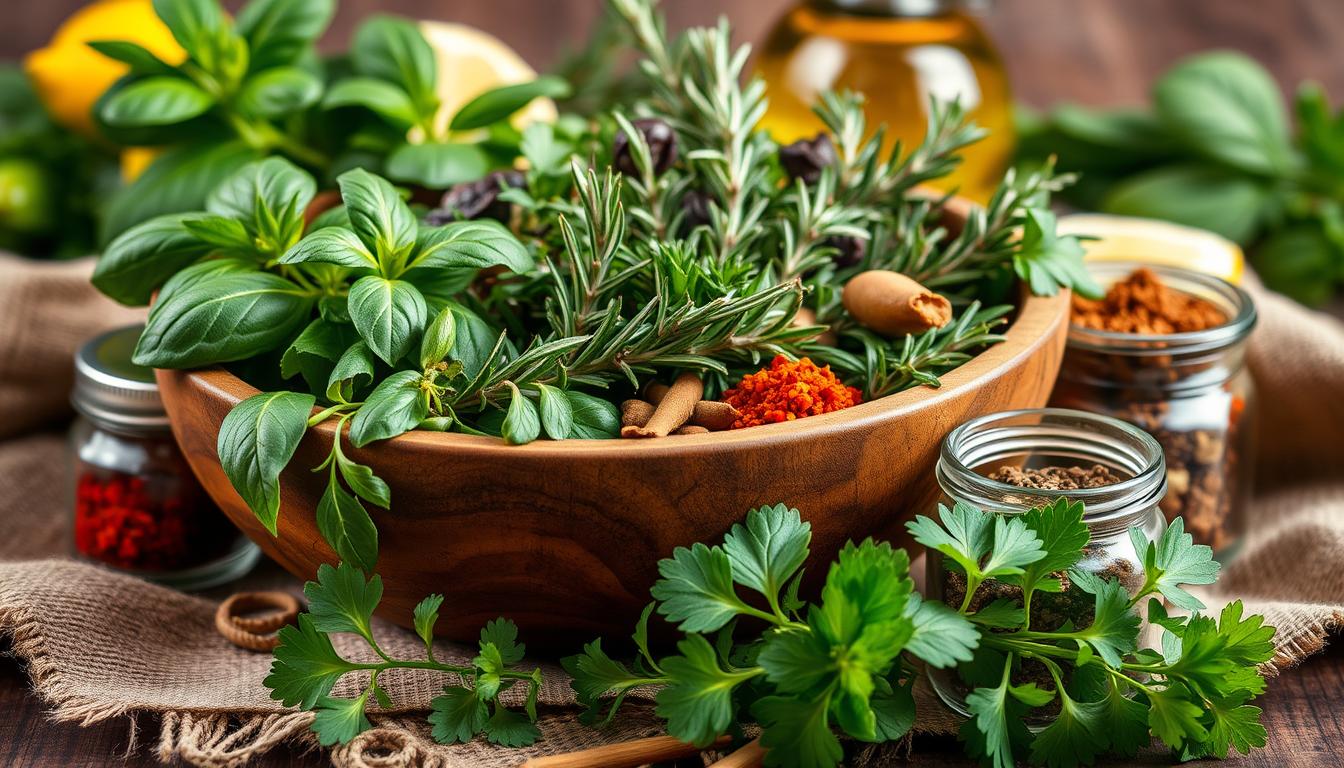
Start cooking without salt by using the right herbs for low sodium diet items. Your meals will become more colorful and tasty. Nature gives us flavor, not salt.
Fresh vs. Dried: When to Use Which
Fresh and dried herbs are different. Fresh herbs add a bright taste and should be added last. This keeps their flavor and color.
Dried herbs are stronger and go in early. They need time to soak up and add deep flavors to your dishes. Always have Mediterranean herbs and spices ready for any recipe.
Creating Signature Mediterranean Blends
Make your own seasoning mixes for fun. Mix dried herbs in small jars to keep them fresh. These blends let you season food quickly without worrying about sodium.
The Power of Oregano and Thyme
Oregano and thyme are key in many dishes. Oregano adds a strong, peppery taste that goes well with tomatoes and veggies. Thyme has a soft, floral smell that’s great with chicken and fish.
Garlic and Onion: The Unsung Heroes
Garlic and onion are super useful in cooking. A study found that adding garlic, onion, pepper, and basil to veggies makes people eat more broccoli. They add a rich flavor that makes food taste good.
Here’s a table to help you organize your pantry for great flavor:
| Ingredient | Best Use | Flavor Profile |
|---|---|---|
| Dried Oregano | Tomato sauces | Bold and Peppery |
| Fresh Thyme | Roasted chicken | Earthy and Floral |
| Garlic Powder | Vegetable sautés | Savory and Pungent |
| Onion Flakes | Soups and stews | Sweet and Aromatic |
Keep your kitchen ready for healthy meals with this grocery list:
- Dried Oregano and Thyme
- Garlic powder (make sure it’s salt-free)
- Dried onion flakes or minced onion
- Crushed red pepper flakes
- Dried basil and rosemary
Acid and Heat: The Secret Weapons
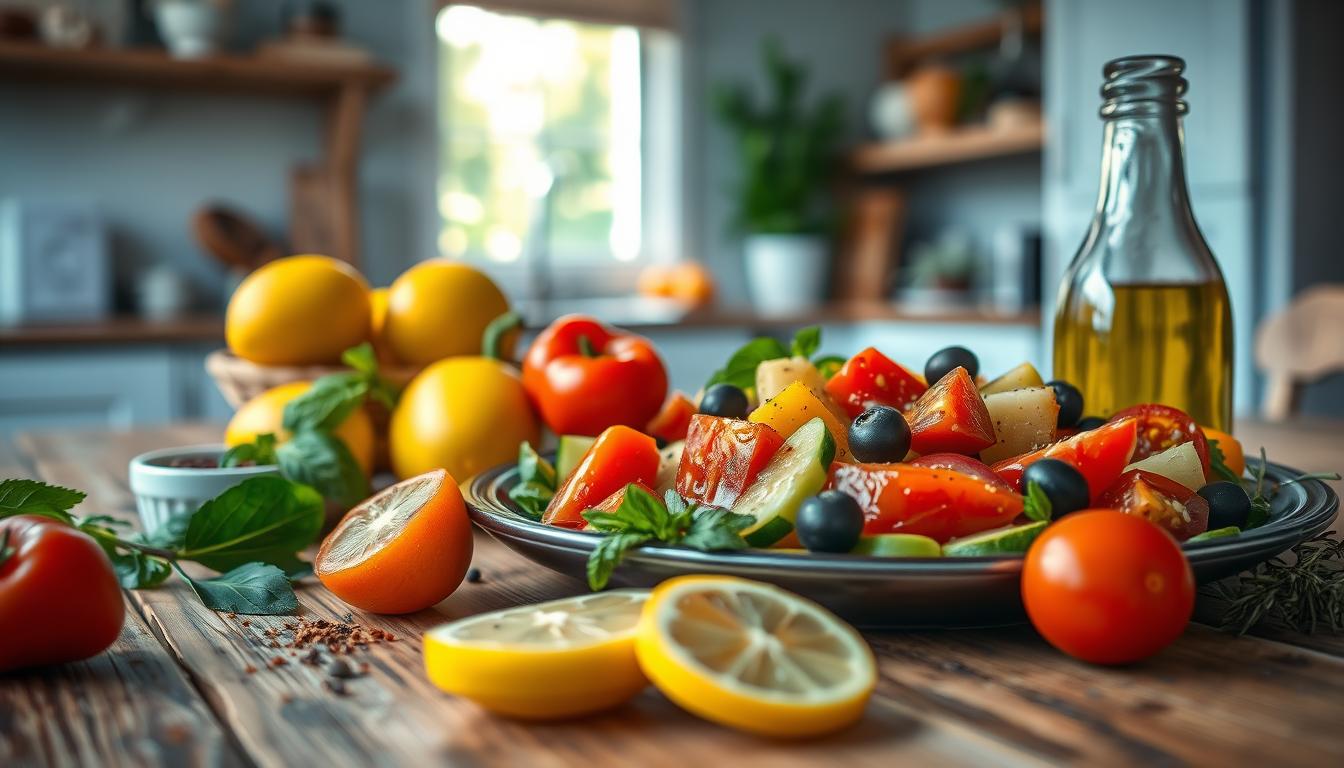
Getting a healthy flavor without salt is simple with acid and heat. These two elements make your food taste exciting. They help you enjoy meals without salt.
Brightening Dishes with Citrus and Vinegar
Citrus zest adds a fresh taste to your food. Add lemon or lime zest at the end to keep it bright. This keeps your dish full of flavor.
Vinegar makes dull flavors pop. A little balsamic or apple cider vinegar can make roasted veggies taste amazing. It’s like a salt substitute.
Using Chili Flakes for Depth Without Sodium
Heat adds depth to your cooking. A bit of red chili flakes brings warmth that lasts. It makes simple foods taste fancy.
Balancing Flavors to Mimic Saltiness
It’s all about balance. Acid gives a quick burst, while heat adds body. Together, they make saltiness seem unnecessary.
| Flavor Enhancer | Best Use Case | Primary Benefit |
|---|---|---|
| Lemon Zest | Fish and Salads | Bright, aromatic lift |
| Red Wine Vinegar | Lentils and Stews | Sharp, acidic contrast |
| Chili Flakes | Roasted Vegetables | Deep, lingering warmth |
| Fresh Lime Juice | Grain Bowls | Clean, zesty finish |
Try these tips to keep your meals healthy flavor without salt exciting. Start with a little and adjust to taste.
Building Your 28-Day Mediterranean Flavor Plan
Follow a 28-day Mediterranean flavor plan to change your kitchen habits. This plan helps you use fresh herbs for low sodium diet every day. You’ll eat more whole foods and use less processed salt.
How to Organize Your Weekly Grocery List
Start with a good shopping list. Focus on fresh veggies, legumes, and olive oil. Always have herbs for low sodium diet ready to avoid salt.
- Group items by store section to save time.
- Prioritize seasonal fruits and vegetables for maximum flavor.
- Stock up on dried spices to create your own custom blends.
Meal Prepping for Energy and Mood
Meal prep changes your energy and mood. Healthy meals mean less sodium. Consistent meal prep keeps you on track.
| Day | Breakfast | Lunch | Dinner |
|---|---|---|---|
| Monday | Oatmeal with fruit | Quinoa salad | Grilled fish |
| Wednesday | Greek yogurt bowl | Lentil soup | Roasted chicken |
| Friday | Smoothie | Chickpea wrap | Vegetable stir-fry |
Simple Swaps for Everyday Recipes
Small cooking changes help a lot. Use Greek yogurt instead of butter or cream. It’s creamy and low in sodium.
Health is a long-term journey. Invite a friend to join your 28-day challenge. Start healthy eating now.
Lifestyle Benefits for Brain and Body
Living the Mediterranean way is great for your mind and body. It’s not just about losing weight. It’s about eating foods that make you live longer and feel better every day.
Nutrient Density and Cognitive Health
Your brain needs good food to work well. Foods like avocado give you healthy fats and lots of vitamins and minerals. These are key for keeping your mind sharp as you get older.
Eating foods high in fiber and antioxidants helps protect your cells. These foods are packed with power. They help keep your mind clear and your mood good. A diet full of these foods is good for your brain.
Sustained Energy Through Mediterranean Eating
Good energy comes from what you eat. Instead of junk snacks, use Mediterranean herbs and spices for flavor. They keep your blood sugar steady without too much salt.
Healthy fats, lean proteins, and fiber keep you from crashing in the afternoon. Mediterranean herbs and spices make your meals tasty and keep you full. This keeps your energy up all day.
| Food Item | Primary Benefit | Key Nutrient |
|---|---|---|
| Avocado | Cognitive Support | Healthy Fats |
| Leafy Greens | Cellular Health | Antioxidants |
| Legumes | Sustained Energy | Fiber |
These habits help you feel your best every day. Eating foods rich in nutrients helps your body thrive. Being consistent is the key to enjoying these benefits for your brain and body.
Conclusion
Your journey to vibrant health begins in your kitchen. Choosing low sodium Mediterranean flavors turns simple ingredients into amazing meals. These meals help you reach your wellness goals.
You have the power to make your cooking better. Use fresh herbs, citrus, and spices. Check out high protein diets and snacks for energy. Being consistent is key to a better life.
Frequently Asked Questions
Can I use sea salt instead of table salt? Sea salt has sodium, so use it little to keep your flavor low. Does this diet cost a lot? You can find cheap items like beans, lentils, and veggies at places like Whole Foods or Trader Joe’s. How long to get used to less salt? Most people notice a big change in two to three weeks. Is this safe for everyone? Always talk to a doctor before changing your diet a lot.
Disclaimer: This content provides general information for educational purposes. It does not replace professional medical advice, diagnosis, or treatment. Always seek the guidance of your physician or other qualified health provider with any questions regarding a medical condition.
