
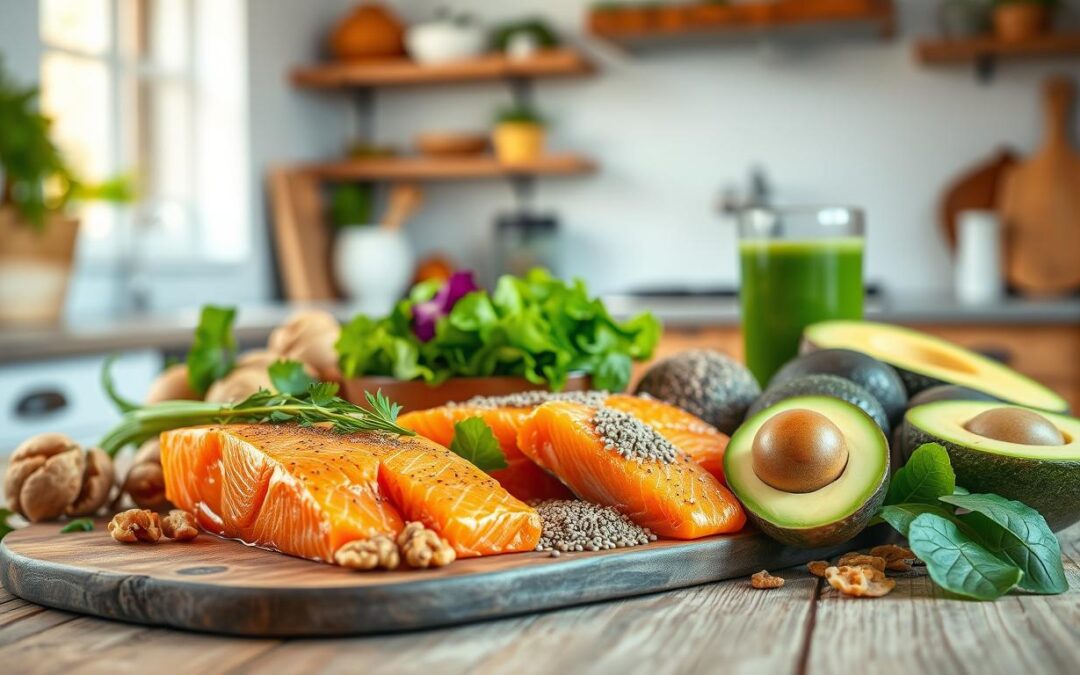
Do you feel like your energy is always low? You’re not alone. Many people take pills to feel better. But, nature has a better way.
Your body can’t make these important fats by itself. So, you need to get them from food. These fats help you think clearly and keep your heart healthy. Eating whole foods gives your body the best fuel to stay healthy every day.
Want to feel more energetic? Click the button below to start feeling better and sharper.
Start Your Health Journey Today
Key Takeaways
- Your body needs outside sources for these key fats.
- Whole foods are better for your body than pills.
- Regularly eating these foods keeps your mind sharp.
- Good food is key for a strong heart.
- Changing what you eat can really boost your energy.
Why Your Brain and Heart Crave Omega 3 Foods for Heart and Brain
Most of us want quick fixes. But our bodies don’t work that way. Our heart and brain need good food to work well.
Choosing the right omega 3 foods for heart and brain health is important. It gives our bodies what they need to be at their best.
The Science of Healthy Fats Without the Pill Bottle
DHA is key for brain health. It makes up about 40% of the fatty acids in our brain’s gray matter.
DHA is like mortar between brain cells. It keeps cell membranes fluid and flexible. This is important for releasing neurotransmitters smoothly.
Studies on healthy dietary fats show they’re vital for brain health. Eating whole foods gives us a mix of nutrients that pills can’t match.
How Omega-3s Influence Your Daily Energy and Mood
Ever feel tired by mid-afternoon? Eating omega 3 foods for heart and brain can help. They boost your energy.
These fats do more than just keep your heart beating. They also help with your mood. They support healthy brain signals, keeping you focused and calm.
When your brain has the right nutrients, you feel better. You don’t need to be a scientist to see the benefits of feeling good every day.
The Best Fatty Fish to Boost Your Mood and Energy
Looking for a way to focus better and feel happier? Check out the seafood counter. The American Heart Association says eat fish rich in omega-3s twice a week for health. Knowing the fatty fish benefits helps you pick the best at the store.
Wild-Caught Salmon: The Gold Standard
Salmon is top for marine nutrition. It’s full of EPA and DHA for a healthy heart and sharp mind. Wild-caught salmon is cleaner and more nutritious than farmed.
Sardines and Mackerel: The Budget-Friendly Superstars
Don’t spend a lot to get great seafood. Sardines and mackerel are cheap but full of nutrients. They’re low on the food chain, so they’re less toxic and offer big fatty fish benefits.
Quick Tips for Preparing Small Fish
Small fish are easy to cook. Here’s how to make them tasty:
- Mash sardines with lemon and herbs for a spread on crackers.
- Sear mackerel fillets in a hot pan for three minutes per side.
- Add canned sardines to pasta sauce for healthy fats.
Why Freshness Matters for Nutrient Density
Fresh seafood is key for health benefits. Freshness keeps omega-3 oils stable and strong. See how storage affects your meal in the table below.
| Fish Type | Storage Method | Nutrient Retention |
|---|---|---|
| Fresh Salmon | Refrigerated (1-2 days) | High |
| Canned Sardines | Pantry (Shelf-stable) | Moderate |
| Frozen Mackerel | Freezer (Up to 3 months) | High |
Look for clear eyes and firm flesh in fresh fish. Focus on these fatty fish benefits for energy and heart health.
Plant-Based Powerhouses for Your Daily Omega-3 Intake
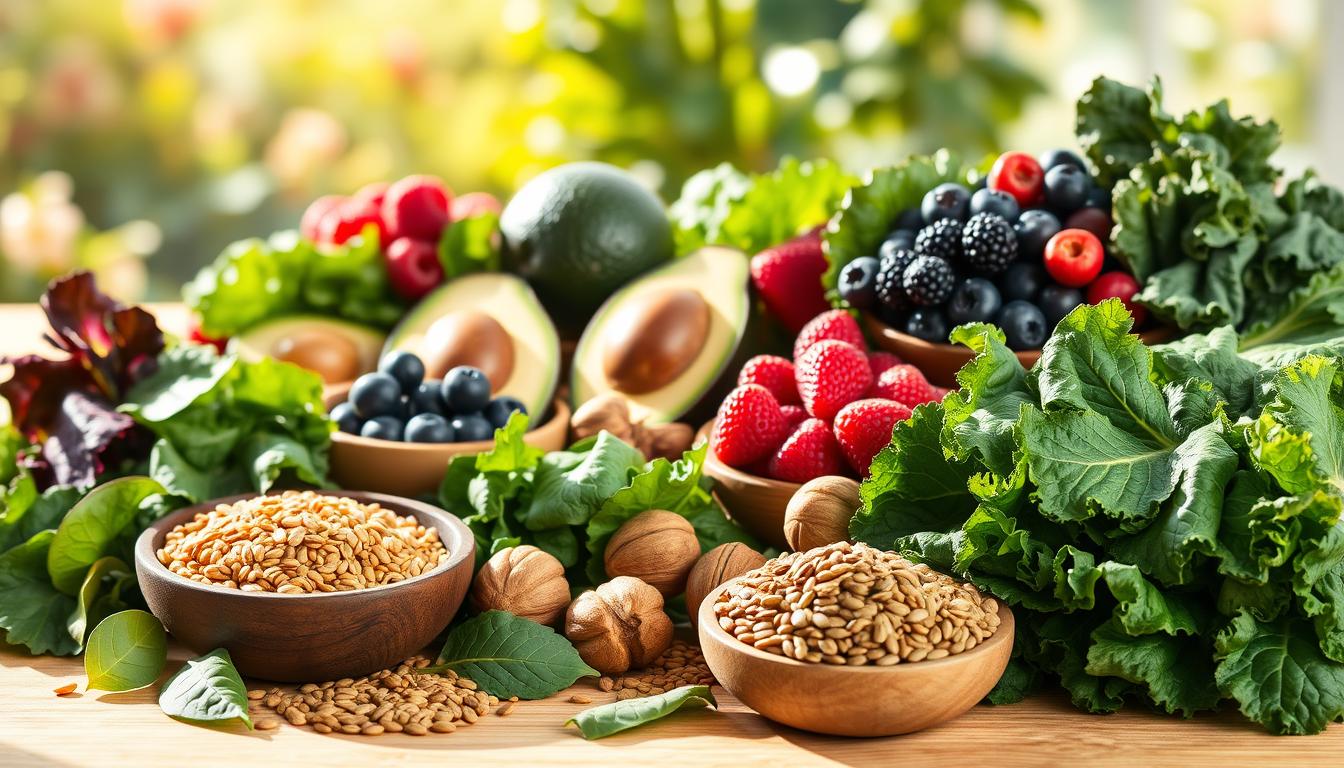
Exploring plant-based nutrition opens up tasty and healthy diet options. You can get great omega-3s from plants, not just seafood. These plant omega 3 sources help your heart and brain, without animal products.
Walnuts and Flaxseeds: The Pantry Essentials
Walnuts and flaxseeds are great kitchen staples. Flaxseeds have lots of ALA, making them a top choice. Adding them to oatmeal or smoothies is easy and good for your health.
Chia Seeds: The Versatile Nutrient Booster
Chia seeds are small but mighty. You can add them to salads, yogurt, or make a nutritious pudding. They soak up liquid, keeping you hydrated and giving you nutrients all day.
Algae-Based Options for a Vegan Boost
If you’re vegan, you might miss out on DHA and EPA. But algae-based supplements are a plant-based way to get these nutrients. High-quality algae oil supports your brain and heart.
| Source | Primary Nutrient | Best Use |
|---|---|---|
| Flaxseeds | High ALA | Smoothies & Baking |
| Walnuts | ALA & Antioxidants | Snacking & Salads |
| Chia Seeds | Fiber & ALA | Puddings & Toppings |
| Algae Oil | DHA & EPA | Daily Supplement |
Mediterranean-Inspired Strategies for Consistent Nutrition
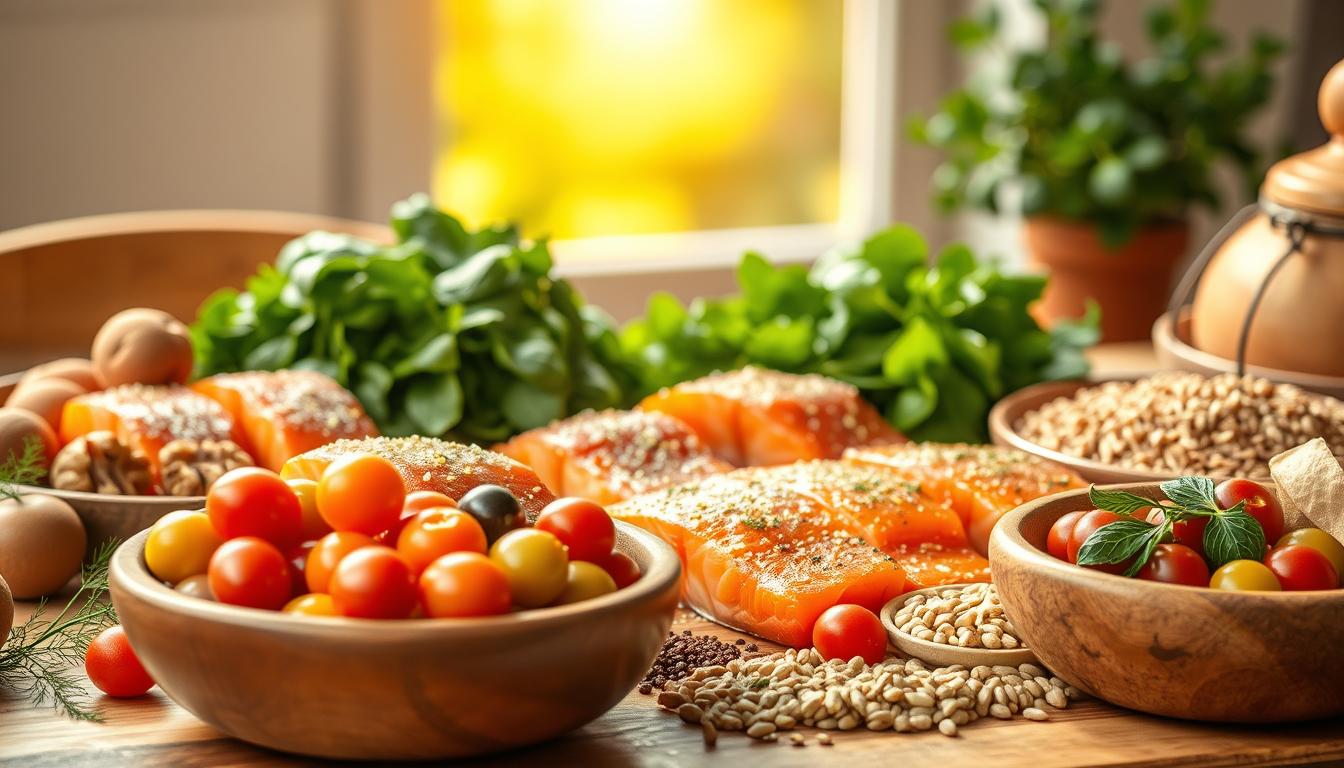
Start making your kitchen a place of wellness with simple habits. Choose foods that help lower triglycerides and heart risks. These small changes can slow down plaque buildup in your arteries.
Building Your Weekly Grocery List
Start with a pantry full of good stuff. Focus on Mediterranean omega 3 foods for essential fats. These foods make your meals tasty and balanced.
- Fresh Seafood: Wild-caught salmon, sardines, and mackerel.
- Healthy Fats: Extra virgin olive oil and avocados.
- Plant omega 3 sources: Walnuts, chia seeds, and ground flaxseeds.
- Fresh Produce: Leafy greens, berries, and cruciferous vegetables.
A Simple 7-Day Plan for Heart and Brain Support
See real health benefits with consistent eating. This 7-day plan uses foods rich in nutrients. It keeps your energy up all week.
| Day | Breakfast | Lunch | Dinner |
|---|---|---|---|
| Mon-Wed | Chia seed pudding | Salmon salad | Roasted veggies |
| Thu-Fri | Walnut oatmeal | Sardine wraps | Grilled mackerel |
| Sat-Sun | Avocado toast | Lentil soup | Baked cod |
Ready to take control of your health? Download our 7-day meal plan. It has recipes and tips for your heart and brain.
Sharing the Health: How to Encourage Friends to Join You
Having a friend on your health journey makes it better. Share your goals with friends to create a supportive space. Healthy eating becomes a fun activity, not a chore.
Send a simple message to invite friends to join you. Use this template to start the conversation:
“Hey! I’ve been adding more heart-healthy fats to my diet and I feel great. Want to try some new recipes with me this week?”
Conclusion
Your journey to better heart and brain starts at the grocery store. Choosing Mediterranean omega 3 foods is key. Small changes in your meals can make a big difference.
Here are three important tips. First, pick whole foods over processed ones. Second, mix fatty fish with plant-based seeds. Third, keep meals simple to stay on track.
Frequently Asked Questions
Is mercury a concern with fish? Yes, but choose smaller fish like sardines or wild-caught salmon. They have less mercury.
How much do I need daily? Adults need two servings of fatty fish a week. Or eat chia and flax seeds every day.
Are supplements necessary? No, eating whole foods gives better nutrients than pills.
Can I get enough on a vegan diet? Yes, algae oils and seeds are great for your health.
Disclaimer: This info is for learning. Always talk to your doctor or dietitian before changing your diet.
Studies from the American Heart Association and Mayo Clinic back these diets. Start your journey to better health today. Add these foods to your meals.
