
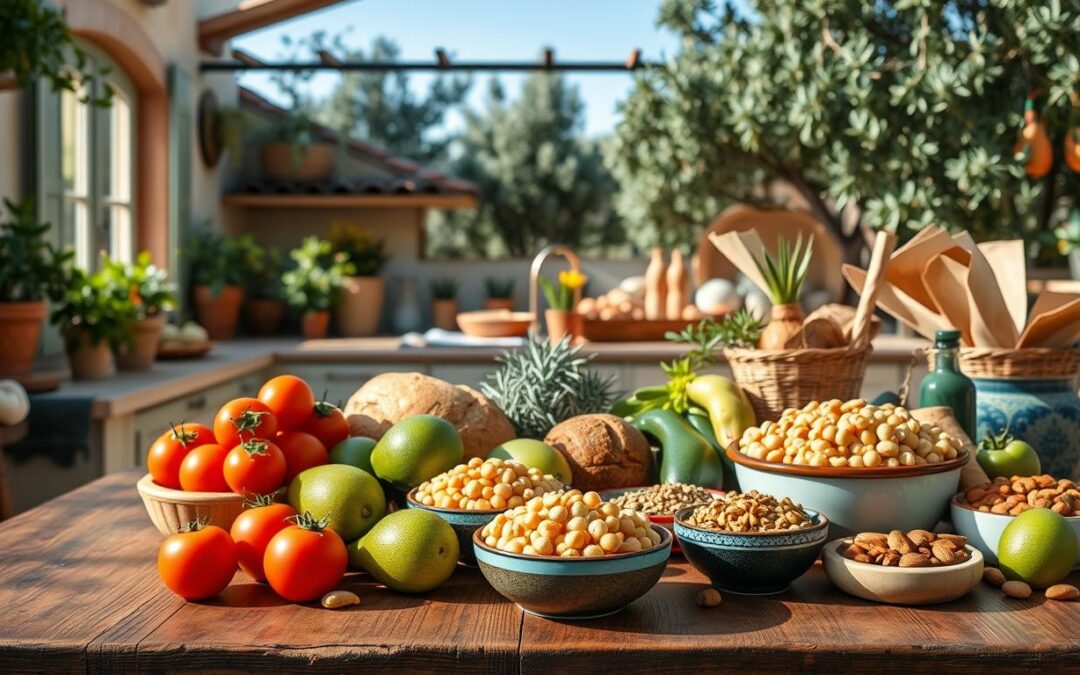
Have you ever felt like your doctor is just waiting for you to fail at your next health checkup? I know the feeling well. You walk into the kitchen, ready to make a change, only to find yourself staring at a bland pile of steamed greens that tastes like sadness.
Managing your heart health often feels like a chore filled with endless restrictions. It is easy to think that eating well means giving up everything you actually enjoy. But, you don’t have to sacrifice flavor to get your numbers in check.
The Mediterranean lifestyle offers a delicious and sustainable path forward. By choosing the right plant-based staples, you can naturally lower your levels without feeling deprived. These fiber foods for cholesterol are not just healthy; they are genuinely satisfying.
Ready to transform your plate into a heart-healthy feast? Click the button below to start your journey toward better wellness today.
Start Your Mediterranean Journey
Key Takeaways
- Heart health does not require boring or restrictive meals.
- The Mediterranean diet is a proven, sustainable approach to wellness.
- Small, consistent dietary changes lead to significant long-term results.
- You can enjoy flavorful meals while actively managing your health.
- Focusing on plant-based staples helps lower your LDL levels naturally.
The Quick Fix for Your Cholesterol Levels
You can control your cholesterol by using natural, fiber-rich foods. Adding the right fiber foods for cholesterol helps clean your digestive system. These small changes lead to better heart health without big changes in your life.
Understanding the Fiber Connection
Soluble fiber is key in how your body handles fats. When you eat these fibers, they turn into a gel in your stomach. This gel catches cholesterol particles.
This action stops your body from taking in too much cholesterol. By eating high-quality fiber foods for cholesterol, you lower your bad cholesterol. You also help your digestion.
Three Key Takeaways for Your Heart Health
Improving your heart health takes time. Remember these important tips as you change your daily habits:
- Consistency is king: Making small changes every day is better than quick fixes.
- Focus on whole sources: Eat more unprocessed plants like legumes and whole grains for more fiber.
- Hydration matters: Drinking water helps fiber move through your body well, so it can work right.
Why Fiber Foods for Cholesterol Are Your New Best Friends
Making fiber a priority in your kitchen is a game-changer for your long-term wellness. When you focus on fiber foods for cholesterol, you are taking a proactive step toward protecting your heart. These simple dietary adjustments provide lasting benefits that go far beyond just your lab results.
The Science of Soluble Fiber and LDL
Soluble fiber acts like a gentle sponge within your digestive system. As it moves through your body, it binds to cholesterol particles and helps remove them before they enter your bloodstream. This process is a highly effective way to manage your levels naturally.
You can easily incorporate soluble fiber foods into your daily routine by choosing the right staples. Oats, barley, and brown rice are excellent examples of nutrient-dense options that support your goals. By regularly consuming these fiber foods for cholesterol, you create a consistent defense against high LDL levels.
Beyond the Heart: Energy and Mood Benefits
The advantages of a high-fiber diet extend well past your cardiovascular health. Because these foods digest slowly, they help keep your blood sugar levels steady throughout the day. This stability is essential for maintaining consistent energy without the typical afternoon crash.
When your blood sugar remains balanced, your mood often follows suit. You may notice fewer irritability spikes and a more stable sense of well-being. Choosing soluble fiber foods is truly a holistic approach to feeling your best every single day.
Mediterranean Fiber Foods That Boost Brain Health and Energy
Eating for your heart is good, but it’s even better for your brain. Mediterranean fiber foods give you the energy to stay focused and happy all day.
Legumes: The Powerhouse of Plant Protein
Legumes like lentils, chickpeas, and black beans are great for your brain. They are soluble fiber foods that keep your blood sugar steady. This stops the energy crashes that make you feel cloudy.
Try to eat at least three servings of legumes each week. Adding them to your meals helps you get enough plant protein. This is good for your muscles and brain.
Whole Grains: Sustained Fuel for Your Brain
Your brain needs a steady flow of glucose to work well. Whole grains like quinoa, farro, and oats give you this. They keep your mind sharp.
Unlike white carbs, whole grains have lots of nutrients for your brain. They help you stay focused and avoid brain fog from bad snacks.
Nuts and Seeds: Healthy Fats for Cognitive Clarity
Nuts and seeds are full of good stuff for your brain. They have healthy fats and antioxidants that protect your brain cells.
- Walnuts: Excellent for supporting memory and focus.
- Chia Seeds: High in omega-3 fatty acids for mood regulation.
- Flaxseeds: Great for maintaining overall cognitive health.
Adding a small handful of these to your day can really help your brain. They are key for your energy and health.
How to Lower LDL with Food Using Simple Swaps
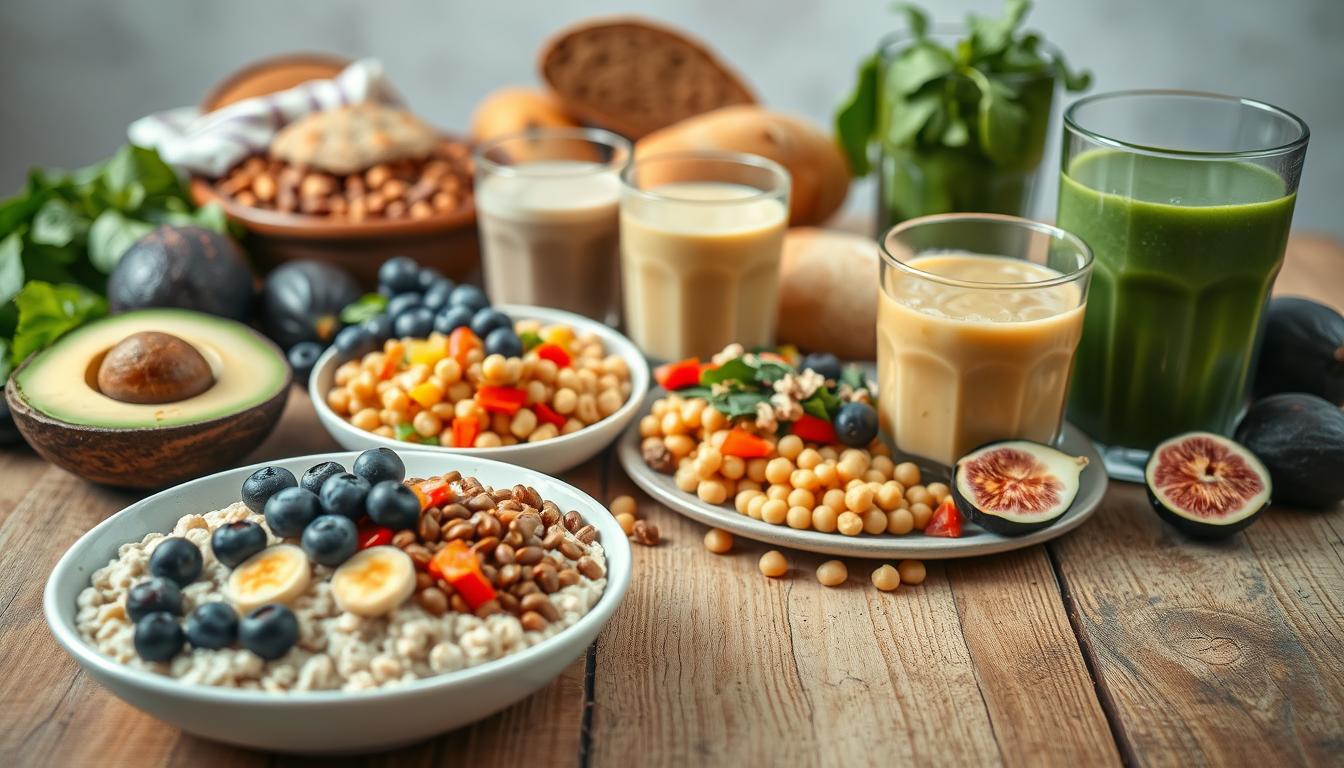
You can lower LDL with food by making small changes. These changes can greatly improve your heart health. Eating foods rich in nutrients helps your body work better.
Replacing Refined Carbs with Mediterranean Staples
Refined carbs don’t give you the nutrients you need. They make you feel tired. Instead, eat whole grains like farro, barley, or quinoa. These foods are full of soluble fiber that’s good for your heart.
Change your cooking fats too. Use extra virgin olive oil instead of butter or vegetable oils. This adds healthy fats to your meals, like the Mediterranean diet does.
The Art of Adding More Vegetables to Every Meal
Adding more veggies to your meals is easy. Start small. Add spinach to your eggs or peppers to your salad.
Consistency is key to lowering LDL. Eat half your plate with veggies at dinner. This boosts your vitamins and keeps you full longer.
Smart Snacking for Stable Blood Sugar
Snacking on sugary foods can make you crash. Choose snacks with protein and fiber. Berries with almonds are a great choice.
Have healthy snacks ready to avoid bad ones. Eating right supports your heart and energy. Every bite should nourish your body with soluble fiber foods.
Your 7-Day Mediterranean Fiber Meal Plan
Changing how you eat is easier with a clear plan. Focus on Mediterranean fiber foods for better heart health. You’ll enjoy tasty meals and get three fruit servings a day.
Breakfasts That Keep You Full Until Lunch
Start with high-fiber foods to avoid hunger later. Choose steel-cut oats with berries or Greek yogurt with chia seeds and peaches. These Mediterranean fiber foods give you energy for the morning.
Lunches for Afternoon Energy
Make your lunch light but full of nutrients. A lentil salad with bell peppers, cucumbers, and olive oil is great. Add apple slices for fruit and easy digestion.
Dinners That Support Heart Health
Dinner is for lean proteins and roasted veggies. Grilled salmon with quinoa and broccoli is good for your heart. End with grapes or a pear for fiber.
| Day | Breakfast | Lunch | Dinner |
|---|---|---|---|
| Monday | Oatmeal with Berries | Lentil Salad | Grilled Salmon |
| Tuesday | Greek Yogurt & Peach | Chickpea Wrap | Roasted Veggie Quinoa |
| Wednesday | Chia Seed Pudding | Spinach & Bean Soup | Baked Cod |
| Thursday | Whole Grain Toast | Quinoa Salad | Stuffed Peppers |
| Friday | Berry Smoothie | Tuna Salad | Lentil Stew |
| Saturday | Veggie Omelet | Hummus Plate | Grilled Chicken |
| Sunday | Fruit & Nut Bowl | Mixed Green Salad | Vegetable Stir-fry |
Ready to improve your health? Click the button below for your shopping list and meal guide.
Download Your 7-Day Plan
Essential Grocery List for Heart-Healthy Living
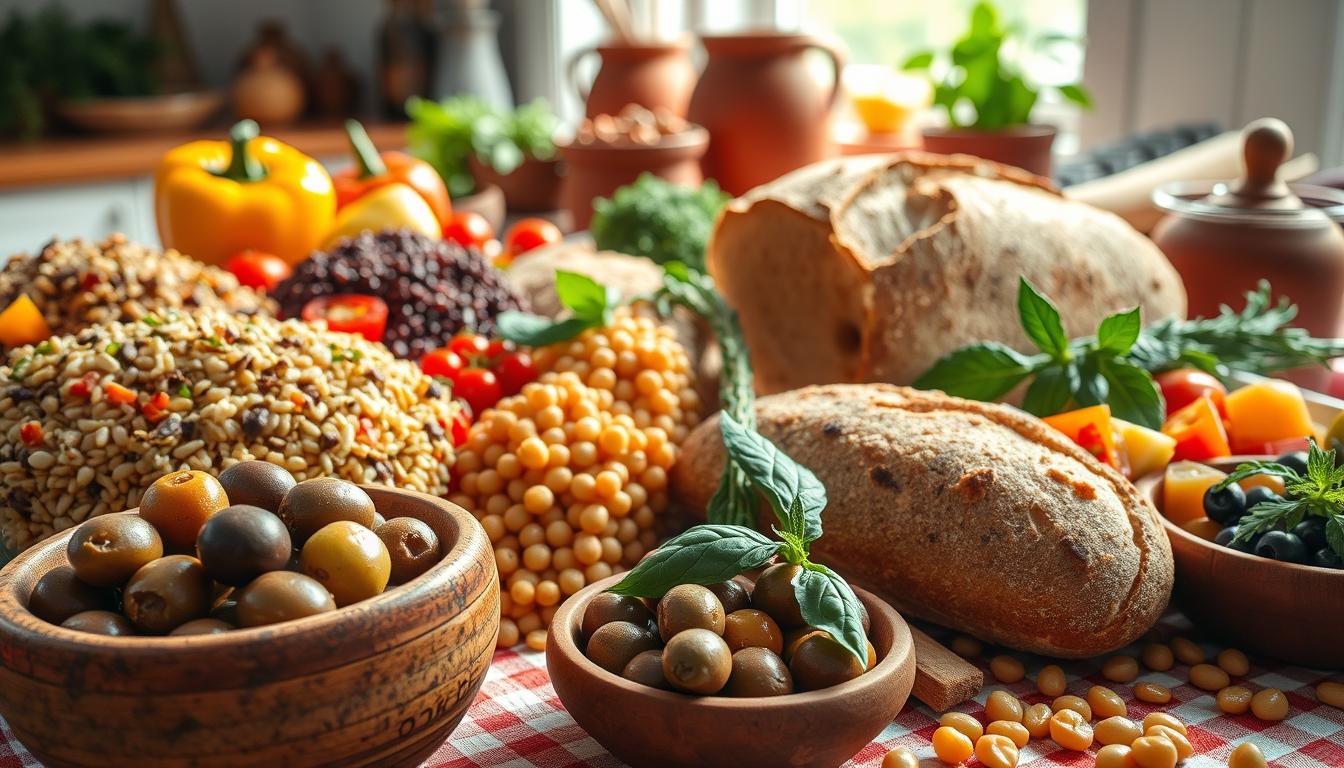
Managing your cholesterol is easy with the right Mediterranean fiber foods in your kitchen. Having these items ready makes meal planning simple. It ensures you always have a healthy choice.
Pantry Staples You Should Always Have
Your pantry is the base for all meals. Choose items that give you energy and protect your heart. For ideas, look at these Mediterranean diet breakfast ideas for heart health.
- Whole Grains: Have rolled oats, quinoa, farro, and brown rice on hand.
- Legumes: Store canned or dried chickpeas, lentils, and black beans.
- Nuts and Seeds: Eat 3 servings a week, like 1/4 cup of walnuts, almonds, or chia seeds.
- Healthy Fats: Use extra virgin olive oil for cooking.
Fresh Produce and Proteins to Prioritize
Fresh foods add flavor and vitamins to your meals. Choose colorful veggies and lean proteins for Mediterranean fiber foods. These should be the main items in your fridge and pantry.
| Category | Top Choices | Why It Helps |
|---|---|---|
| Leafy Greens | Spinach, Kale, Arugula | High fiber and antioxidants |
| Lean Protein | Salmon, Sardines, Tofu | Rich in Omega-3 fatty acids |
| Fresh Fruit | Berries, Apples, Oranges | Natural sweetness and fiber |
Organize your shopping list by these categories for easier shopping. Choosing these Mediterranean fiber foods helps your heart and keeps you energized all day.
Sharing the Love: How to Help a Friend Eat Better
Changing your diet is a great step. But, doing it with a friend makes it even better. When you lower LDL with food, you help others too. It’s important to support your friend without being too pushy.
Crafting a Supportive Message
Invite your friend into a healthy lifestyle by sharing your joy. Tell them how you feel after eating better. Start with a warm message.
Here’s a good start: “Hey! I’ve been loving new Mediterranean recipes. They make me feel full of energy. Want to try some heart-healthy dishes together?”
Tips for Dining Out Together
Choosing food at a restaurant can be hard when you want to lower LDL with food. But, you can have fun by focusing on the time together. Not just the food.
Here are some tips to help you:
- Check the menu online before you go. Look for foods like salads, legumes, or grilled fish.
- Watch your sodium intake. Many meals have too much salt. Try to stay under 2,300 milligrams a day.
- Ask for sauces on the side. This helps you control extra fats and sodium.
- Share a dish if it’s too big. This way, you can try different flavors without eating too much.
Conclusion
Choosing whole, plant-based foods is key for your health. You can lower LDL with food by making small changes every day. Always check food labels for fiber and sodium.
Frequently Asked Questions
Can I eat fruit if I have high cholesterol? Yes, fruits are full of fiber that helps your heart.
How much fiber do I need daily? Adults should aim for 25 to 30 grams of fiber a day for heart health.
Does cooking method matter? Yes, baking, steaming, or poaching keeps more nutrients than deep-frying.
Is it possible to see results quickly? Many feel better and have more energy in just a few weeks after eating better.
This info is for learning only. Always talk to your doctor or a dietitian before big diet changes. They know what’s best for you.
