
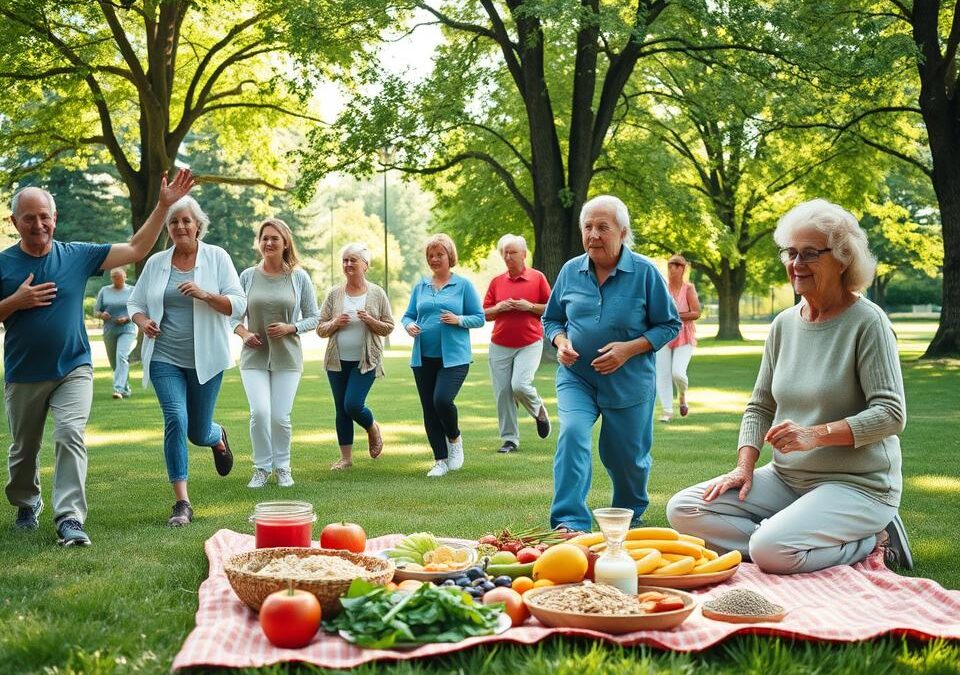
As we age, keeping your body strong becomes a smart priority. Simple daily choices help your blood deliver oxygen and nutrients where they belong. This short guide shows clear steps you can use now to support vascular health and stay active.
Movement and food are powerful tools. Gentle activity, strength work, and a diet rich in whole foods ease strain on veins and arteries. Tiny habits add up fast.
Learn to spot subtle warning signs, like numbness or cold hands. Early action makes a real difference for long-term wellness.
Read on to find friendly, practical tips that work in everyday life. These steps help your blood flow better and keep your health goals within reach.
Understanding Your Circulatory System and Aging
Your circulatory system is a vast highway that the heart and vessels use to carry life-giving blood to every cell. The human body contains roughly 60,000 miles of blood vessels working with the heart to move blood, oxygen, and nutrients where they belong.
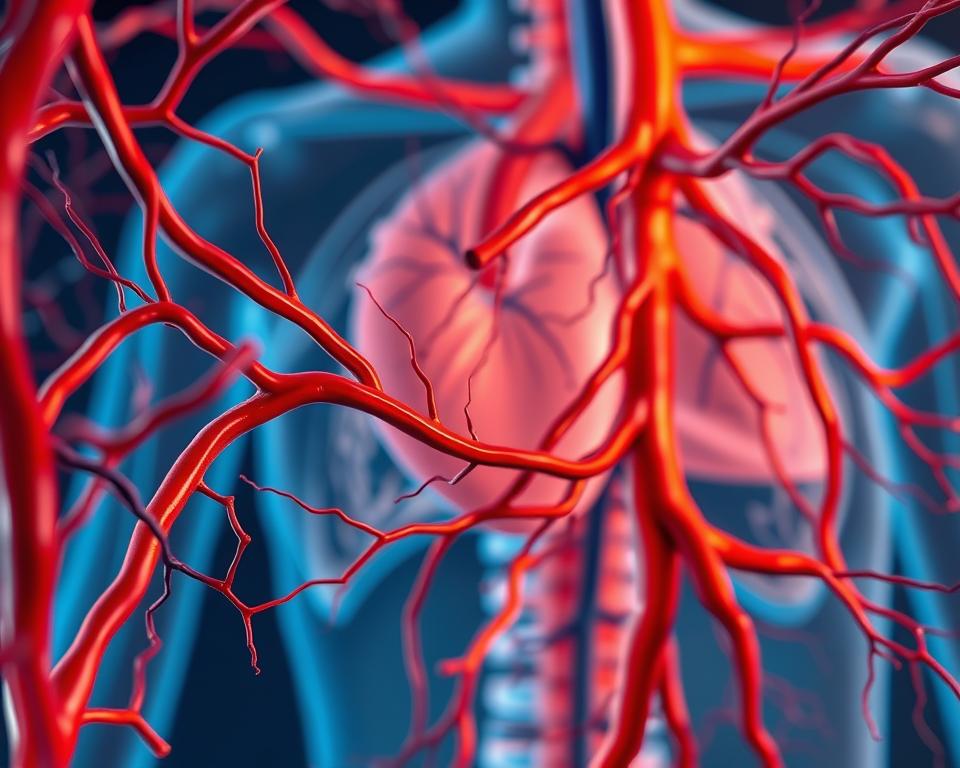
As you age, the heart and muscles must work harder to keep blood flow steady. Arteries and veins gradually lose elasticity, so the system needs consistent care.
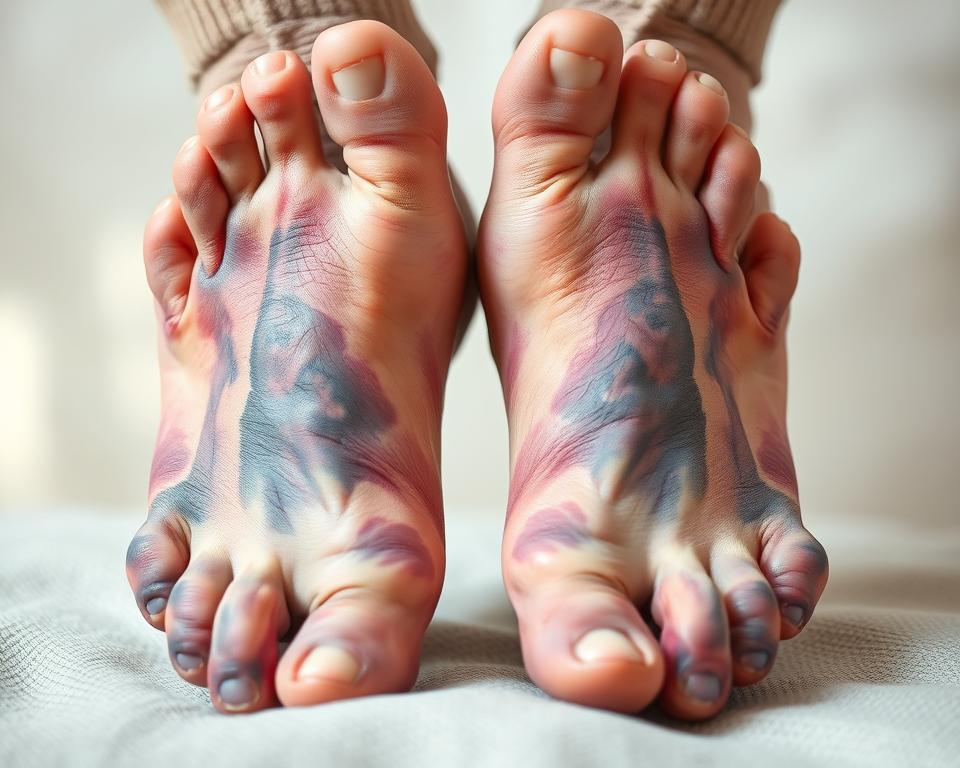
Feet are often the first part of the body to show signs of trouble. Good flow keeps muscles healthy and reduces numbness in the lower limbs.
- Chronic conditions like diabetes change how the system heals and responds.
- Healthy habits support vessels and help maintain oxygen delivery to tissues.
- Understanding how arteries and veins change helps you act early to protect long-term health.
Knowing these basics makes it easier to choose practical steps that support circulation and overall health as you grow older.
Warning Signs of Poor Circulation After 50
Early detection helps protect long-term vascular health. Small changes in sensation or skin color can hint that blood isn’t moving as it should. Watch for recurring clues and get them checked.
Physical Indicators
Numbness, tingling, or stinging pain in the legs or toes often points to reduced blood flow. These sensations may come and go or grow worse with activity.
Look for slow-healing sores, persistent coldness in the feet, and swelling. Each can show that veins and arteries struggle to supply the part of the body.
Underlying Medical Conditions
Many times, poor circulation is a symptom of deeper disease. Peripheral artery disease (PAD) and artery disease block flow in the blood vessels and raise long-term risk.
- Chronic conditions like diabetes and high blood pressure increase the chance of complications such as vein thrombosis.
- Swelling in the feet or legs and changes in skin tone warrant medical care.
- Monitoring blood pressure at home helps reduce the risk of arterial hardening.
Specialized centers like Lam Vascular & Associates offer care for PAD and related vascular conditions. If warning signs persist, seek evaluation to protect your health and mobility.
Lifestyle Habits to Prevent Poor Circulation After 50
A few steady lifestyle shifts help blood deliver oxygen and nutrients more easily.
Start with simple habits at home. Aim for a blood pressure reading near 120/80 mmHg to protect arteries and lower long-term risk. Drink at least eight glasses of water a day so your blood stays hydrated and flows well through the body.
Nutritional Strategies for Vascular Health
Choose whole foods and limit salt and saturated fat. A balanced plate supports healthy veins and helps manage conditions such as diabetes. Small swaps can reduce leg pain and help the heart work less hard.
- Use a standing desk or take short standing breaks if you sit a long time.
- Eat fiber-rich meals and lean protein to keep you full; see foods that keep you full longer.
- For tips to improve circulation, add light exercise and hydration.
| Action | Benefit | Target |
|---|---|---|
| Hydration | Better blood consistency | 8 glasses/day |
| Blood pressure control | Less arterial hardening | ~120/80 mmHg |
| Balanced diet | More nutrients for vessels | Less salt & fat |
Targeted Exercises to Improve Blood Flow
Gentle movement and short strength sessions help blood reach tired legs and feet. Aim for 30 minutes of moderate exercise, like walking at 3 mph, most days of the week to boost flow and support heart health.
Low Impact Yoga Movements
Try easy poses that lift the legs and calm the body. Legs-up-the-wall reduces swelling and helps blood return toward the heart. Hold for 5 to 10 minutes and breathe slowly.
Strength Training for Circulation
Simple leg strength moves-squats, calf raises, and seated leg extensions-tone muscles that pump blood. Do two short sessions weekly to help lower blood sugar and ease leg pain.
Daily Activity Tips
Small habits at home add up. Rotate ankles, point and flex your toes, and stand every 30 minutes if you sit for long stretches.
- Engage in 30 minutes of moderate exercise most days to improve blood flow and heart fitness.
- Use compression socks to help veins move blood back toward the heart.
- Gentle foot massage and steady movement can ease symptoms in the feet; Village Medical offers guidance for personalized care.
| Action | Duration | Main Benefit |
|---|---|---|
| Walking (3 mph) | 30 minutes/day | Boosts blood flow, strengthens heart |
| Leg-up yoga | 5-10 minutes | Reduces swelling, aids venous return |
| Strength sets (legs) | 2 sessions/week | Builds muscles that pump blood |
| Foot mobility | Daily, minutes | Improves toe and ankle movement |
Conclusion
Conclusion
Small, steady steps make a big difference to how your blood travels through the body.
Prioritizing daily movement and a balanced diet supports long-term blood health and better overall circulation. Notice warning signs early and act so you can protect your vascular well-being.
Simple choices-short walks, hydration, and light strength work-improve blood flow and help you stay active. If symptoms persist, seek professional care for timely evaluation.
For more guidance on boosting circulation and practical care strategies, see our boosting blood flow tips.
Get well and stay well,
Ray Baker.
