
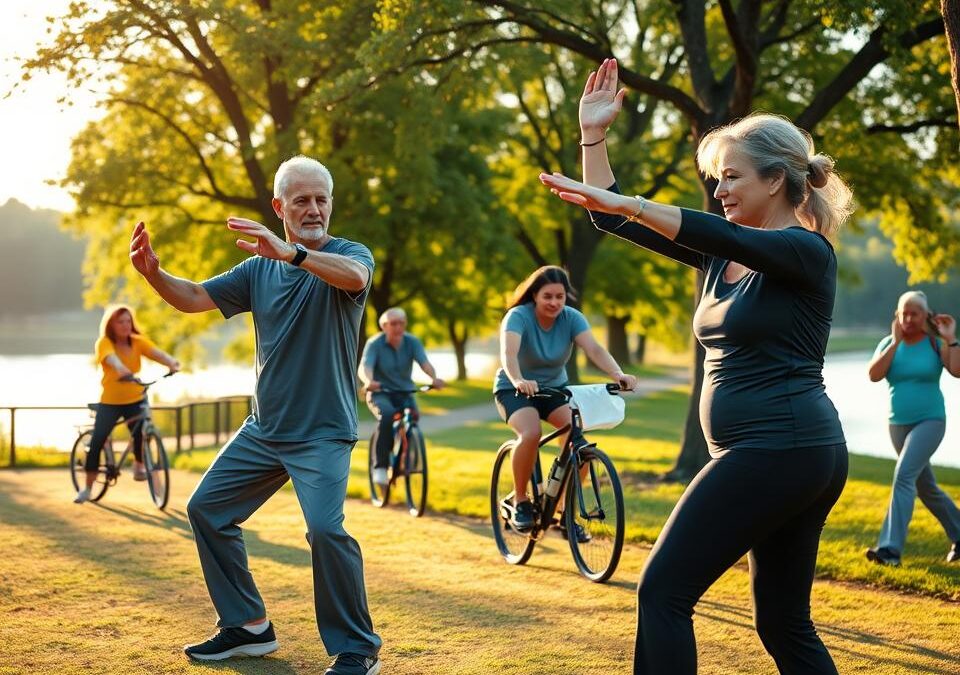
The U.S. life expectancy rose to 78.4 years in 2023. That number shows recovery since the pandemic and signals more time to enjoy family, friends, and meaningful work.
Staying useful and mobile takes a proactive plan. Small, steady changes to nutrition, physical activity, and sleep add up. These moves protect your brain and heart and lower disease risk.
Loss of muscle mass and shifts in bone and immune system function raise the chance of pain and chronic conditions. Research shows consistent daily effort beats sporadic extremes.
Focus on strength, balance, and social ties. That mix helps adults preserve function, lower blood pressure and heart disease risks, and often leads to a better quality of life as years pass.
Understanding Healthspan Habits After 50
Midlife is a door, not a deadline. You can steer how you age by changing routines today, since many systems remain adaptable well into midlife. Small daily choices shape how your body and brain perform in the years to come.
Nathan LeBrasseur of the Mayo Clinic reminds us that aging is a process we can influence. Biological age, which reflects cellular changes, often predicts function better than chronological age. That view frees people to focus on care that really matters.
About 30% of adults aged 45-64 have at least one chronic condition, so early steps matter. Metabolic shifts often show up around age 44, changing how the body handles lipids and alcohol. Adjusting diet, strength work, and sleep can lower disease risk and protect muscle and bone.
Practical points to keep in mind:
- Make strength and balance a part of weekly exercise to preserve muscle and function.
- Prioritize consistent sleep and routines to cut stress and support the immune system.
- Small, steady changes beat extremes-they reduce pain, improve heart health, and add years of better life.
“Aging is not fixed; midlife has significant plasticity.”

Prioritizing Protein for Muscle Maintenance
Maintaining enough protein each day is one of the simplest ways adults can protect strength and mobility as they age. Small, consistent protein intake supports the body and helps keep daily tasks easier.
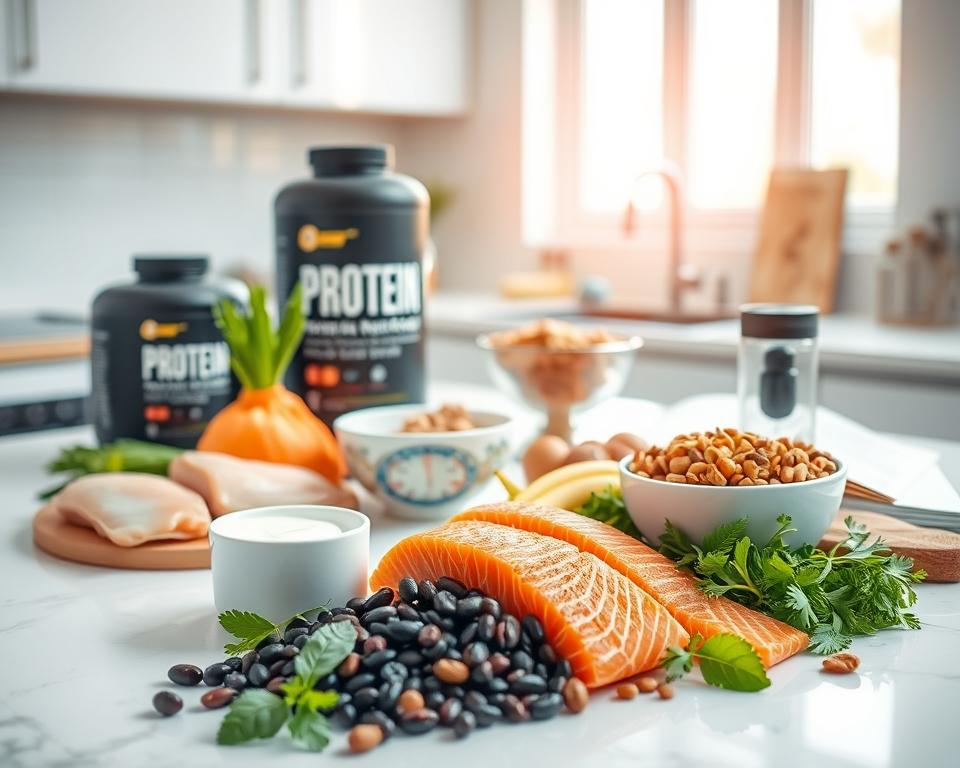
Protein intake targets
Aim for about 1.0 to 1.2 grams of protein per kilogram of body weight each day. For example, a 165-pound person needs roughly 75 to 90 grams spread across meals and a snack.
Muscle mass preservation
High-quality protein from Greek yogurt, chicken breast, eggs, or tofu gives the amino acids the body needs. Pairing this with resistance exercise boosts strength and slows the natural decline in muscle that can begin in midlife.
- Daily goal: 1.0-1.2 g/kg to preserve muscle mass.
- Combine: protein plus resistance training for best results.
- Why it matters: proper nutrition lowers risk of osteoporosis and heart disease and supports long-term health.
Adopting the Mediterranean Diet
A plant-forward Mediterranean diet is a practical way to protect long-term health and lower disease risk.
Ranked No. 1 for overall health, this eating pattern emphasizes vegetables, legumes, whole grains, nuts, and olive oil. Experts like Fredericson note its anti-inflammatory benefits for the body and heart.
Research and many studies link the Mediterranean diet to lower rates of heart disease and improved weight control. For adults, the fiber from beans and whole grains helps manage blood sugar and cholesterol.
You do not need to be perfect to see benefits. Small, consistent swaps-adding legumes, choosing fish over red meat, or cooking with olive oil-add up over time.
“Flexible, nutrient-rich choices make the Mediterranean approach easy to fit into real life.”
- Why try it: supports heart health and can lower high blood pressure.
- Practical tip: aim for more plant meals each day and use herbs instead of salt.
Optimizing Sleep Quality and Recovery
Good sleep repairs the brain and body, yet many adults overlook its role in long-term strength and heart health.
Clete Kushida, MD, PhD recommends at least seven hours of quality sleep to support cognitive function and daytime performance.
Nearly 1 billion people worldwide have obstructive sleep apnea, a common, treatable condition that fragments rest. It becomes more likely between ages 40 and 60 and raises the risk of cardiovascular disease and obesity.
Addressing sleep apnea
If you still feel sleepy after enough hours, fragmented sleep may be the cause. Talk with a specialist to check for sleep apnea or other conditions that disrupt rest.
Practical steps that help the body reset include a consistent wake-up time, morning light exposure, and a bedside notebook to jot down racing thoughts before sleep.
“Treatable sleep problems often improve blood pressure and quality of life when managed.”
- Tip: Aim for regular sleep timing and seek care if daytime sleepiness persists.
- Benefit: Better recovery supports muscle repair, immune system function, and lower disease risk.
Managing Stress Through Mindful Practices
Using simple mindfulness routines makes it easier to manage pressure from work, family, and health concerns. These quick practices help people clear the mind and protect brain function over time.
David Spiegel, MD, developed the Reveri app to teach self-hypnosis and brief relaxation techniques. His work shows self-hypnosis can cut pain and lower stress levels for adults, including many in midlife.
Why this matters: chronic stress weakens the immune system and raises the risk of high blood pressure and heart disease. Managing stress helps the body recover, improves sleep, and supports muscle and overall strength.
- Start with two to five minutes of paced breathing each day to calm nerves.
- Use guided self-hypnosis or short meditations when you feel overwhelmed.
- Make small, regular routines so mindful care fits into busy day-to-day life.
“Mindful practices let you regain control and break the vicious cycle of stress.”
Staying Socially Connected for Longevity
Keeping close connections with others is a simple way to protect both body and brain as you age. Strong social ties lower stress and support better sleep, mood, and daily function.
Why it matters: A study of 2.3 million adults found social isolation raises the risk of premature death by about 30 percent. Isolation can affect blood pressure, heart health, and raise disease risk over time.
Benefits of volunteering
Volunteering builds purpose and keeps people active. Research from Harvard’s T.H. Chan School of Public Health shows that just two hours per week can lower mortality risks.
Giving time also reduces stress and preserves cognitive function. It pairs well with light exercise and social interaction to protect muscle and brain health.
Staying in touch with family
Simple habits-video calls, neighborhood groups, faith communities, or clubs-help maintain bonds. Regular contact cuts the chance of depression and anxiety and supports overall life satisfaction.
“Social isolation is as dangerous to your health as smoking 15 cigarettes a day.”
- Use brief weekly calls to keep ties strong.
- Join local groups that match your interests for steady contact.
- Mix in volunteer work to get both purpose and connection.
Scheduling Regular Preventive Screenings
Scheduling routine screenings gives you a chance to spot risk factors early and act fast.
Annual wellness visits help build a relationship with your provider. These appointments let clinicians track blood pressure and discuss cholesterol, exercise, and sleep patterns that affect your heart and overall health.
The U.S. Preventive Services Task Force recommends yearly blood pressure checks. It also advises colonoscopies beginning at age 45 for early cancer detection. Acting on these guidelines lowers disease risk and supports long-term life quality.
Women should start regular mammograms at 40. Men should talk with their doctor about prostate screening beginning near 55. Staying current with shots-seasonal flu and the shingles vaccine at 50-adds another layer of protection.
- Annual visits catch issues early so treatment is simpler.
- Screenings for high blood pressure and cholesterol reduce heart disease risk.
- Routine maintenance of the body is easier than treating advanced problems-prioritize these checks.
“Prevention is the best investment of your time and care.”
Monitoring Vision and Hearing Health
Eyes and ears guide how we move and join others, so keeping them sharp protects daily life.
The CDC notes vision loss raises fall risk, and untreated hearing loss links to dementia. Pay attention when conversations get hard to follow or when you raise the TV volume more than usual.
If you notice changes, your primary care provider can refer you to an audiologist or ophthalmologist. Early checks catch cataracts and macular degeneration that become more common with age.
Signs of hearing loss
- Frequently turning up volume or asking others to repeat themselves.
- Difficulty following group conversations or understanding speech over noise.
- Feeling more tired or withdrawn from social events because listening takes extra effort.
| Check | Why it matters | Action |
|---|---|---|
| Eye exam | Detects cataracts, macular degeneration; lowers fall risk | Annual or as recommended by your eye doctor |
| Hearing screen | Untreated loss links to dementia and social isolation | Referral to audiologist; consider OTC aids for mild loss |
| Primary care visit | Tracks blood pressure and overall health that affect eyes and ears | Discuss symptoms and get specialist referral |
“Protecting vision and hearing is a vital part of keeping independence and preventing accidents.”
Incorporating Diverse Physical Activity
Mixing endurance, strength, flexibility, and balance builds resilience for daily tasks.
Chhanda Dutta of the NIA recommends a mix of cardio, flexibility, balance, and resistance work to preserve overall health. This blend helps prevent falls and keeps the body strong.
Not everyone likes gym sessions. Hiking, dancing, and tai chi are excellent alternatives that keep people moving and engaged. These activities add variety so you stick with them over time.
- Progressive resistance training protects muscle and lowers the risk of mobility problems.
- Cardio supports heart and brain health and boosts energy.
- Flexibility and balance reduce fall risk and aid everyday function.
“Aim for a routine you enjoy-consistency matters more than perfection.”
| Activity type | Main benefit | Weekly time |
|---|---|---|
| Resistance training | Builds muscle and strength | 2 sessions (30-45 min) |
| Cardio | Supports heart and brain health | 150 min moderate or 75 min vigorous |
| Flexibility & balance | Reduces falls and improves mobility | 2-3 short sessions weekly |
Embracing a Positive View of Aging
A hopeful attitude about aging can change how your body and mind respond over time. A study of 660 people aged 50 and older found those with positive self-perceptions lived about 7.5 years longer.
How you think about growing older affects physical health and the risk of cardiovascular events. People with a positive outlook are more likely to seek preventive care and keep up healthy routines that protect the heart and overall health.
Allyson Brothers, a lifespan developmental scientist, says planning for social life matters as much as planning financially. Making time for friends and community builds purpose and resilience.
“Viewing aging as a balance of gains and losses helps you navigate this period with more strength and flexibility.”
Try short self-reflection exercises to name worries and set small plans. That clarity makes it easier to protect muscle, keep moving, and take practical steps for your care.
- Act: schedule social activities that matter to you.
- Reflect: write one worry and one possible solution each week.
- Check: stay current with preventive visits so positive views turn into healthy action.
Protecting Brain Health and Cognitive Function
Caring for your brain now helps keep thinking sharp and decision-making steady as time passes.
The SWAN study found that declines in cognition for some women tied to external stressors like financial strain and cardiovascular risk.
Midlife minds often grow calmer and better at weighing choices, even if processing speed slows a bit. That balance is a real advantage for many people.
Small lifestyle moves protect cognition. Limit alcohol, avoid smoking, and keep blood pressure in check. These steps support both brain and heart health over the long run.
Regular activity and a healthy diet slow cognitive decline and build resilience. Research shows the brain keeps learning new skills well into later life, which boosts cognitive reserve and vitality.
“By focusing on heart health and stress management, you give the brain the environment it needs to function at its best.”
Learn more about maintaining cognitive function from trusted sources like cognitive health in older adults.
| Action | Benefit | Quick tip |
|---|---|---|
| Control blood pressure | Reduces risk of vascular damage to the brain | Check BP yearly and follow treatment plans |
| Stay active and eat well | Slows cognitive decline and supports mood | Aim for regular walks and more plant-forward meals |
| Learn new skills | Builds cognitive reserve and motivation | Try a class, language app, or hobby |
| Manage stress | Protects memory and decision-making | Use brief breathing exercises daily |
Staying Current with Recommended Vaccinations
Keeping vaccines current is a low-effort way to block common infections and protect long-term wellness.
Staying up to date with recommended vaccinations is a simple, effective step to protect your immune system from preventable disease.
The CDC recommends the shingles vaccine and the pneumococcal vaccination once adults reach age 50. Annual flu shots and updated COVID-19 vaccines also help the body fight common infections each year.
Talk with your clinician during your annual wellness visit about which shots you’ve had and which you need next. Preventive care, including timely vaccines, supports independence and overall health.
“Vaccinations are a cornerstone of preventive care that keep people safer and reduce serious complications.”
- Shingles vaccine lowers risk of painful nerve complications.
- Flu and updated COVID shots reduce hospital stays and protect the heart and other organs during infections.
- Review your record with your provider so you stay fully protected.
| Vaccine | Why it matters | When / Action |
|---|---|---|
| Shingles (HZV) | Prevents painful rash and nerve damage | Recommended at age 50; follow provider schedule |
| Pneumococcal | Reduces pneumonia and invasive infections | One-time or series per CDC guidance for adults 50+ as indicated |
| Influenza | Cuts risk of seasonal flu and complications | Yearly shot each flu season |
| COVID-19 | Prevents severe illness and protects the brain and body | Updated boosters as recommended |
Learning New Skills to Boost Vitality
Learning a new craft or skill gives your brain a fresh challenge and opens chances to meet new people.
Many community centers and public organizations offer low-cost classes in woodworking, music, or dance. These options make it easy to try something new without a big commitment.
Picking up an instrument or joining a dance class keeps your brain active and helps you stay socially engaged. Research links skill learning to better cognitive function and a stronger sense of purpose.
New pursuits also support overall health. Learning reduces stress, which helps the heart and can improve daily energy.
“Challenging your mind with fresh information builds cognitive reserve and protects function over time.”
Whether you choose a creative or physical pursuit, the act of learning boosts vitality and connects you with people who share your interests.
| Class type | Main benefit | How to start |
|---|---|---|
| Music (instrument) | Improves memory and coordination | Look for beginner group lessons at local schools |
| Dance | Builds balance and social ties | Try community center drop-in classes |
| Woodworking or craft | Enhances focus and problem solving | Join a makerspace or weekend workshop |
Conclusion
Take small, steady steps now to protect mobility, cognitive function, and heart health. A mix of protein-rich meals, regular screenings, movement, and social ties builds lasting benefit.
You have more control over biological age than you might think. Daily choices add up. Staying proactive keeps you useful, mobile, and engaged.
For data and context on outcomes and trends, see health after 50: what the numbers.
Get well and stay well, Ray Baker.
