

Have you ever thought about how your meals could help your heart? Many adults see their blood pressure go up. They look for a way to stay healthy without feeling like they’re missing out.
You don’t have to count calories to feel better. The Mediterranean diet for blood pressure is a tasty, heart-friendly choice. It lets you enjoy great flavors while working on your heart health.
The American Heart Association likes this diet a lot. Small, steady changes to your diet can lead to big health wins. Let’s look at how you can begin this journey with easy, backed-by-science steps.
Key Takeaways
- The American Heart Association endorses this eating pattern to support heart health.
- Focusing on whole foods helps manage your numbers without the need for strict calorie restriction.
- This lifestyle emphasizes healthy fats, fresh produce, and lean proteins.
- Small, sustainable changes lead to better cardiovascular outcomes over time.
- You can enjoy delicious meals while actively protecting your long-term well-being.
3 Key Takeaways
You can make your life better by following three main ideas of the Mediterranean lifestyle. It’s not about strict rules. It’s a flexible eating pattern for lasting success. By choosing a heart healthy diet, you focus on lasting habits, not quick fixes.
Changing your mindset is key. Instead of thinking about what to cut out, celebrate the abundance of nutrient-dense foods you add. This makes eating more fun and fulfilling.
Doctors all over the world say this lifestyle is backed by science and is simple. You’re building a strong health base by adding these three things to your life:
- Prioritize Whole Foods: Eat lots of fresh veggies, fruits, legumes, and whole grains.
- Choose Healthy Fats: Use olive oil instead of butter for your heart’s sake.
- Enjoy Social Meals: Sharing meals with others is a big part of this heart healthy diet.
| Core Principle | Actionable Step | Expected Benefit |
|---|---|---|
| Plant-Forward | Fill half your plate with greens | Increased fiber intake |
| Healthy Fats | Use extra virgin olive oil | Improved cholesterol levels |
| Mindful Eating | Eat slowly without distractions | Better digestion and satiety |
Why Mediterranean diet for blood pressure matters after 50
Turning 50 is a big deal, but it means your heart needs extra care. Your body needs more TLC to stay healthy. Eating right is key to feeling great every day.
Studies show women who eat like this have a 25% lower risk of heart problems. It’s not just about avoiding meds. It’s about staying active and full of life. Following the Mediterranean diet heart health way is great for your joints and energy.
If you’re feeling stiff or want to stay young, try this diet. You don’t have to be a great cook to benefit from it. Eating whole foods helps your body stay strong as you age.
The table below shows why this diet is better than the usual diet for people over 50:
| Feature | Standard Modern Diet | Mediterranean Approach |
|---|---|---|
| Primary Fats | Processed oils and butter | Healthy olive oil |
| Protein Source | Red and processed meats | Fish, beans, and legumes |
| Blood Pressure Impact | Often increases risk | Supports healthy levels |
| Long-term Vitality | Lower energy levels | High sustained energy |
Choosing Mediterranean diet heart health is a smart choice for your future. It’s time to enjoy the tasty, healthy foods that make life better.
The Mediterranean-style solution
Eating like a Mediterranean is all about having plenty, not cutting back. You don’t have to eat boring salads or steamed broccoli to eat blood pressure friendly meals. This way of eating lets you enjoy tasty, natural flavors that make your heart happy.
This lifestyle focuses on eating foods that are not processed much. You eat lots of fresh vegetables, nuts, beans, and whole grains. These foods are full of good stuff and taste great with extra virgin olive oil.
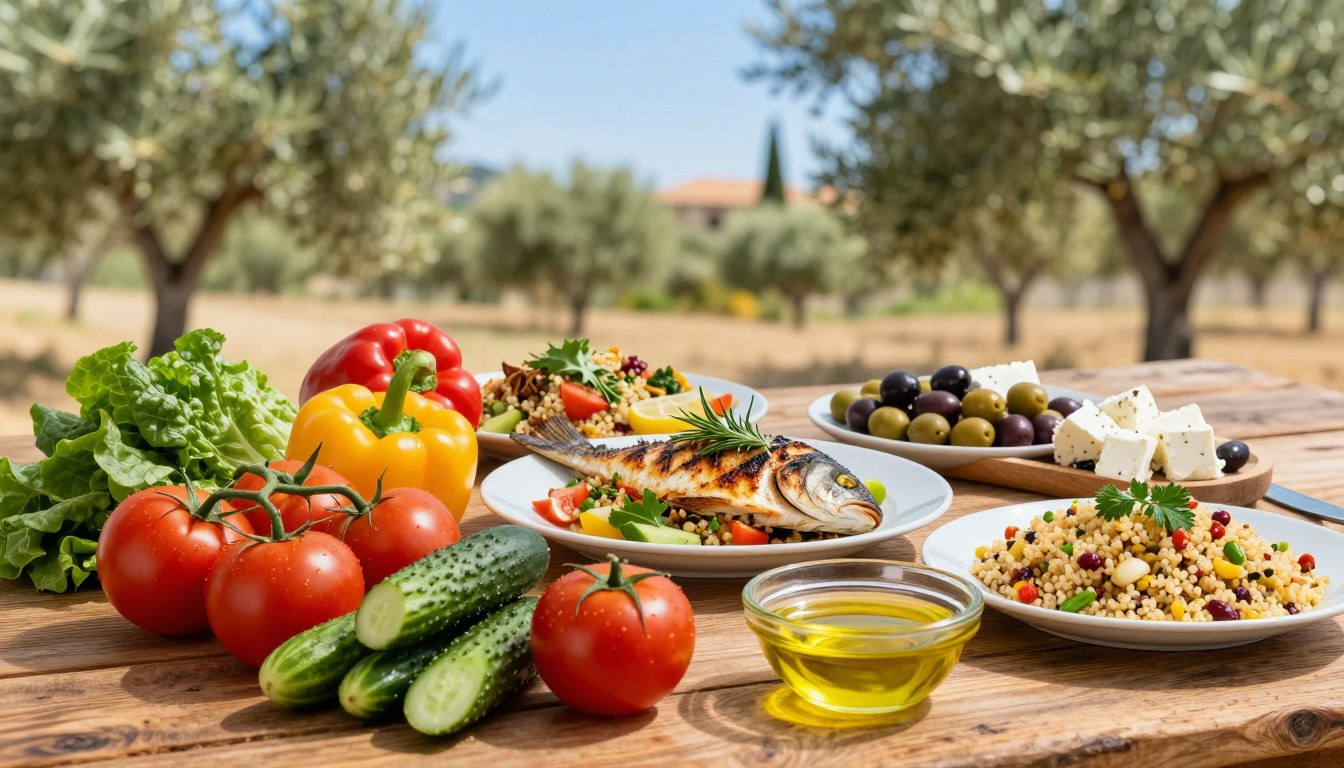
Changing how you think about food is key. Instead of seeing your plate as a list of things to avoid, see it as a chance to eat well. Making blood pressure friendly meals becomes fun, not a chore. Adding fresh herbs or olive oil can make simple foods taste amazing.
Putting vegetables at the center of your meals keeps you full and gives you energy. This way of eating feels like a special treat because it’s all about real, good food. Embrace the change, and you’ll find that eating for your heart is very rewarding.
Screenshot-ready grocery list
Make your kitchen a wellness hub by stocking the right foods. Keep your pantry and fridge full of healthy foods. This makes it easy to choose healthy options, like potassium foods for your heart.
Eat at least three servings of vegetables every day. You can have them raw or lightly steamed. This helps you get the fiber you need. Keep different colors of produce ready at all times.
High-quality protein is key. Eat fish three times a week for healthy fats. Use the table below when you go shopping.
| Category | Recommended Amount | Key Benefits |
|---|---|---|
| Fruit | 3 servings daily | Natural sweetness and fiber |
| Vegetables | 3+ servings daily | Essential vitamins and minerals |
| Fish | 3 servings weekly | Heart-healthy omega-3 fatty acids |
Take a quick screenshot of this list now. It will help you shop better. Stay on track, and managing blood pressure will become easy.
Simple 7-day starter plan
Starting to eat blood pressure friendly meals is easy. Just one week can change your habits. It’s the first step, and it’s hard, but we’re here to help.
Each day, you’ll eat easy-to-prepare, low salt meals. These meals are good for your heart and taste great. You can change them to fit what you like and what’s available.
This table shows a balanced week. It includes whole grains, lean proteins, and lots of veggies. This gives your body what it needs to be healthy.
| Day | Breakfast | Lunch | Dinner |
|---|---|---|---|
| Monday | Oatmeal with berries | Greek salad with olives | Salmon with whole-grain pilaf |
| Tuesday | Greek yogurt with nuts | Lentil soup | Roasted chicken with veggies |
| Wednesday | Whole-grain toast | Quinoa bowl | Baked cod with asparagus |
| Thursday | Smoothie with spinach | Chickpea salad | Turkey breast with sweet potato |
| Friday | Oatmeal with walnuts | Tuna salad wrap | Salmon with roasted vegetables |
| Saturday | Veggie omelet | Mediterranean pasta | Grilled shrimp skewers |
| Sunday | Fruit and yogurt | Leftover grain bowl | Roasted vegetable medley |
Sticking to it is key. You can change things up if you like. The goal is to make healthy eating a part of your life for good.
Mediterranean comfort-food recipe with simple substitutions
You can enjoy rich, satisfying flavors while keeping your sodium intake in check. Many people think eating for heart health means giving up meals they love. But, you only need to make a few smart adjustments to make traditional dishes heart-healthy.
The secret to creating delicious low salt meals is in your choice of fats and seasonings. Instead of butter, lard, or sour cream, use high-quality liquid oils like extra virgin olive oil. This change makes your favorite dishes healthier without losing that creamy, comforting texture.
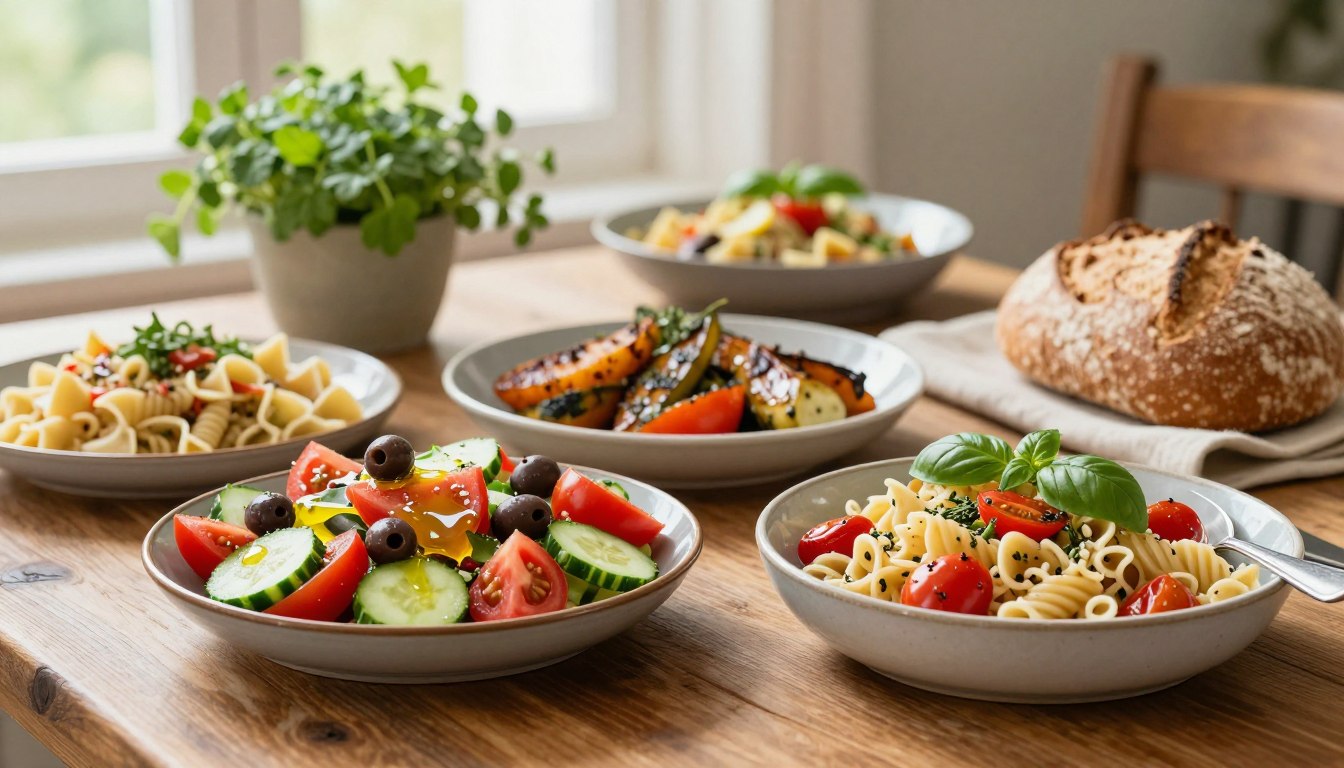
Think about this Mediterranean-style baked pasta. By using roasted tomatoes, garlic, and fresh basil instead of heavy cream sauces, you make a vibrant, lower-sodium meal. To keep your low salt meals exciting, follow these easy substitution guidelines:
- Swap butter for extra virgin olive oil to reduce saturated fats.
- Use fresh herbs like oregano, rosemary, or thyme instead of salt.
- Incorporate roasted vegetables to add natural sweetness and depth to your sauces.
- Choose whole-grain pasta to increase your fiber intake, which supports better blood pressure management.
Making these small shifts lets you enjoy dinner without guilt. Focusing on fresh, whole ingredients moves you away from processed items with excess sodium. Embracing these simple culinary habits helps you stay healthy while still enjoying comfort food.
Practical portion and shopping tips
Controlling your health is easier when you know how to portion meals and shop. You don’t need a food scale to see results. Small, consistent changes can make a big difference in managing blood pressure.
Portion tip
When cooking, aim for a fish serving size of 3 to 4 ounces. This is about the size of a deck of cards. Choose fish like salmon, sardines, and mackerel for heart health.
Shopping tip
Shopping smart starts with knowing what to look for in produce. Look for potassium foods like leafy greens, bananas, and sweet potatoes. Choose items with vibrant colors and firm textures for freshness and nutrients.
Keep your pantry full of these items for easy access to healthy choices. Planning ahead helps avoid unhealthy last-minute choices.
Copy/Paste: Send This to a Friend
Sharing your wellness goals with a friend can make diet changes fun. Having a health buddy helps you stay on track and motivated. It’s a great way to keep going.
Sharing recipes and progress with someone makes the Mediterranean diet journey exciting. Support is the secret ingredient for success.
If you want to improve your heart health with a friend, send this message. Just copy and paste it into an email or text. It’s a great way to start talking about it today:
“Hey! I’ve been looking into the Mediterranean diet to help manage my blood pressure and boost my overall health. I know you’ve mentioned wanting to eat better too, so I thought it would be great if we tried this together! We could share recipes, keep each other on track, and make it a fun challenge. Are you interested in giving it a shot with me?”
Having a partner changes your daily habits for the better:
| Feature | Solo Journey | Partner Journey |
|---|---|---|
| Motivation | Self-reliant | Shared accountability |
| Recipe Discovery | Trial and error | Double the ideas |
| Consistency | Easier to skip | Stronger commitment |
| Overall Fun | Quiet | Social and engaging |
Inviting a friend to join you creates a positive feedback loop for both. Talking about your favorite meals or shopping tips makes it easier and more fun.
FAQ
Starting a new diet can make you wonder if you’ll enjoy your meals. The Mediterranean diet heart health approach is flexible and easy to follow. It fits well into most lifestyles.
Many people worry about losing weight. Studies show that following a Mediterranean diet helps you keep weight off. It’s because of the focus on whole, nutritious foods that keep you full without feeling hungry.
Some might worry about eating out or drinking wine. You don’t have to miss out on fun to stay healthy. Just pick grilled meats, ask for olive oil, and drink wine in small amounts with food. Knowing how to handle these situations makes it easier to keep up with the Mediterranean diet heart health plan.
If you have health concerns, talk to your doctor. They can adjust the diet to fit your needs. Here’s a quick guide for everyday situations:
| Scenario | Recommended Action | Benefit |
|---|---|---|
| Dining Out | Choose grilled or roasted options | Reduces hidden saturated fats |
| Snack Time | Opt for raw nuts or fresh fruit | Boosts fiber and healthy fats |
| Beverage Choice | Prioritize water or herbal tea | Supports hydration and heart function |
| Cooking Oil | Use extra virgin olive oil | Improves overall heart health |
References
This guide uses studies and guidelines from the American Heart Association. It helps you manage your heart health with good nutrition.
This article is for information only. It’s not medical advice. Always talk to your doctor before changing your diet.
Start your health journey with small, steady steps. Good nutrition is key to lasting health benefits. Stay healthy, Ray Baker.
