
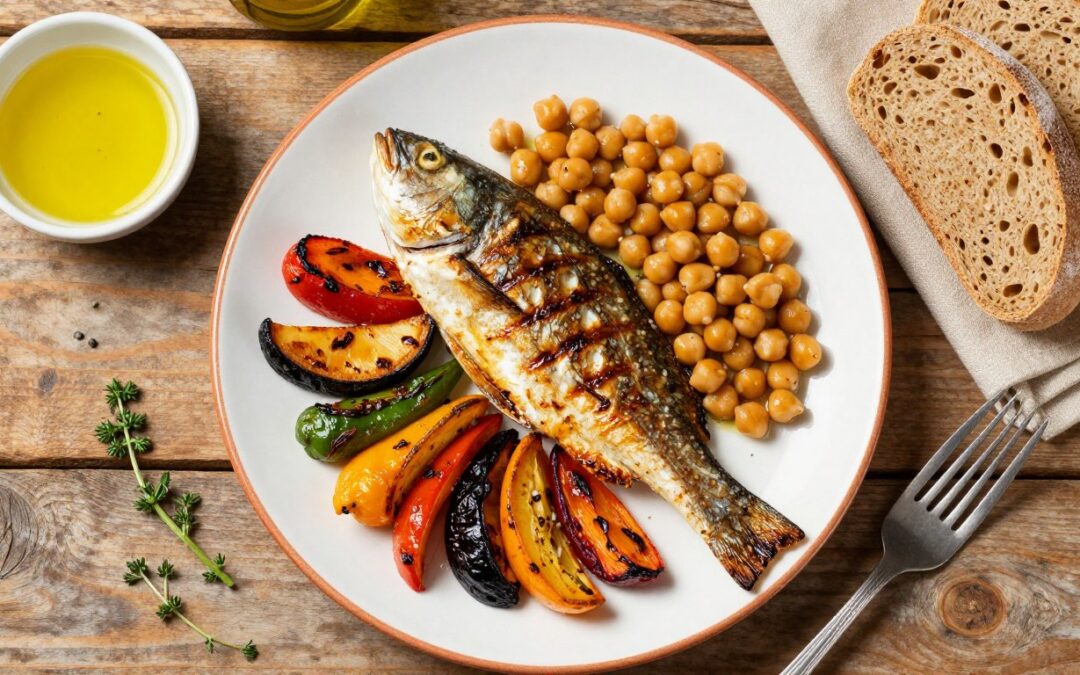
You’ve just come from your doctor’s appointment. The words “type 2 diabetes” are still ringing in your ears, and you’re holding a pamphlet about diet changes that looks about as appetizing as cardboard.
Here’s the good news that nobody tells you right away. You don’t have to eat like a rabbit or give up every food you love.
The Mediterranean diet for type 2 diabetes isn’t about deprivation. It’s about adding delicious whole foods that actually help your body manage blood sugar naturally.
Let me show you how simple this can be.
Quick Answer
The Mediterranean diet helps manage type 2 diabetes by focusing on fiber-rich whole grains, healthy fats from olive oil and nuts, lean proteins, and plenty of vegetables. Studies show it can reduce blood sugar levels, lower medication needs, and decrease diabetes complications. Start with simple swaps like replacing butter with olive oil, choosing whole grains over refined grains, and eating fish twice weekly.
5 Key Takeaways About Mediterranean Diet and Blood Sugar Control
- The Mediterranean diet reduces blood sugar spikes by emphasizing low-glycemic foods rich in fiber and healthy fats
- Olive oil consumption improves insulin sensitivity and helps stabilize blood glucose levels throughout the day
- Replacing refined grains with whole grains can lower your diabetes risk by up to 30 percent according to research
- This eating pattern reduces inflammation and cardiovascular risk, both major concerns for people with type 2 diabetes
- You don’t need special foods or complicated recipes to start seeing benefits within weeks
Why the Mediterranean Diet Works for Type 2 Diabetes
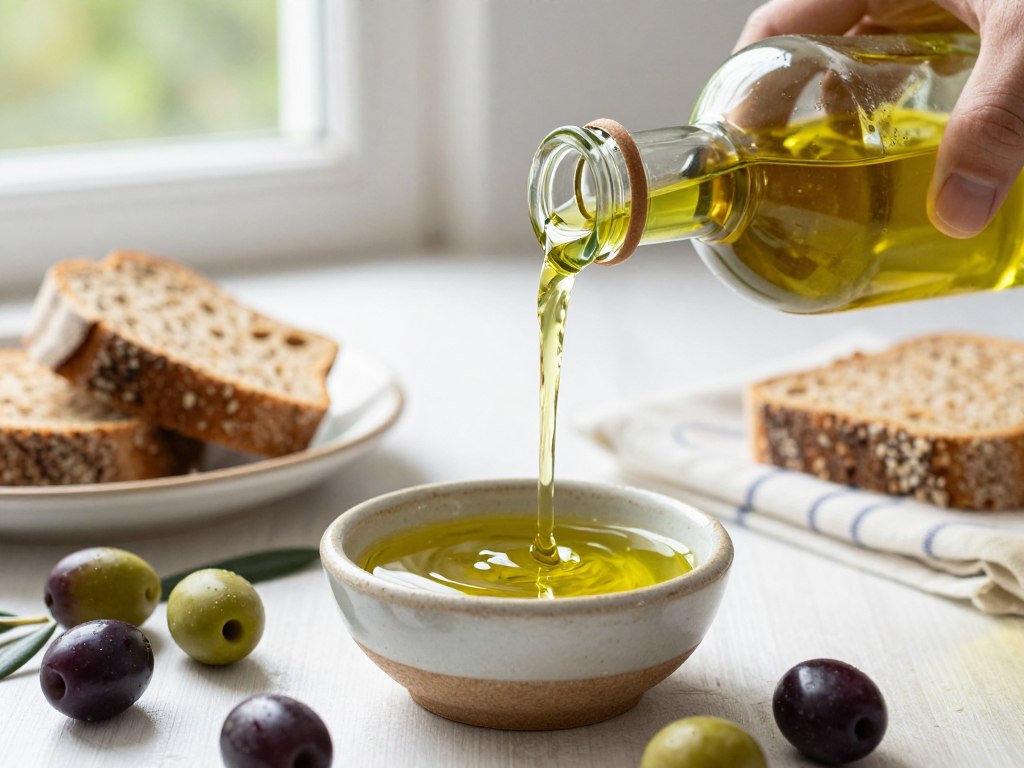
I’ll be honest with you. When I first heard about the Mediterranean diet, I thought it was just another fad that would have me eating nothing but salads and fish.
Turns out, I was wonderfully wrong.
The science behind this diet is solid as a rock. Research from Harvard Health shows that people with diabetes who follow a Mediterranean eating pattern have better blood sugar control than those on standard low-fat diets.
Here’s what makes it work. The diet focuses on foods that don’t cause rapid blood sugar spikes. You’re eating plenty of fiber from vegetables, legumes, and whole grains. You’re getting healthy fats from olive oil and nuts that slow down digestion and keep your blood sugar steady.
The magic happens when you combine these foods. Fiber slows the absorption of sugar into your bloodstream. Healthy fats improve your body’s insulin response. Protein from fish and legumes keeps you satisfied longer.
No white-knuckle willpower required. No counting every single calorie. Just real food that actually tastes good.
Best Mediterranean Foods for Type 2 Diabetes Management
Let’s talk about what you actually put on your plate. These aren’t exotic ingredients you’ll need to hunt down at specialty stores.
Most of this stuff is sitting in your local supermarket right now.
Vegetables and Fruits
Load up on non-starchy vegetables like spinach, broccoli, tomatoes, and peppers. These are nutritional powerhouses that won’t spike your blood sugar.
For fruits, stick with whole options like berries, apples, and oranges. The fiber in whole fruits prevents the sugar rush you’d get from juice.
Whole Grains That Actually Help
Swap your white bread and white rice for whole grain versions. Quinoa, brown rice, whole wheat pasta, and barley all contain fiber that helps control blood sugar levels.
One study found that eating three servings of whole grains daily reduced type 2 diabetes risk significantly compared to refined grains. That’s a pretty good return on investment for your health.
Healthy Fats Are Your Friends
Extra virgin olive oil is the star player here. Use it for cooking, drizzle it on salads, dip your bread in it. The monounsaturated fats in olive oil improve insulin sensitivity.
Add nuts and seeds like almonds, walnuts, and chia seeds. A small handful provides protein, fiber, and good fats without overdoing the calories.
Protein Sources
Fish like salmon, sardines, and mackerel should appear on your plate at least twice a week. The omega-3 fatty acids reduce inflammation and support heart health.
Legumes like chickpeas, lentils, and beans are diabetes superstars. They’re packed with fiber and protein while being low on the glycemic index.
Moderate amounts of chicken, eggs, and dairy work too. Just keep portions reasonable.
What to Limit for Better Blood Sugar Control
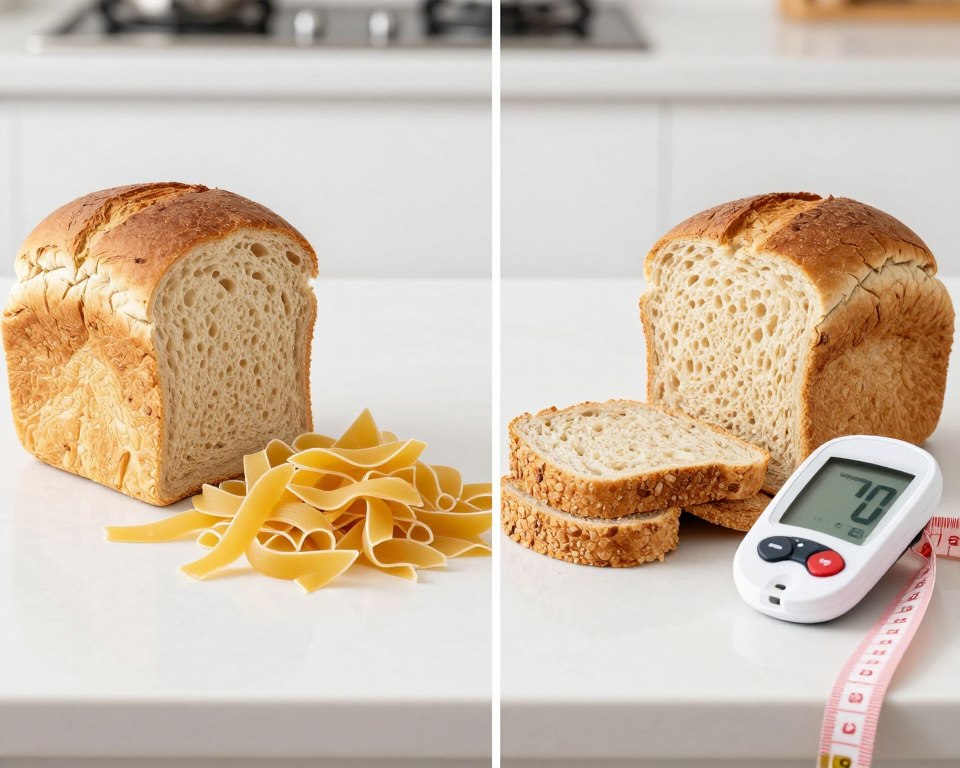
Here’s where the Mediterranean approach really shines. You’re not cutting out entire food groups or banning foods forever.
You’re just being sensible about certain things.
Minimize Added Sugars
Sugar-sweetened drinks and desserts spike your blood sugar faster than almost anything else. Save sweets for special occasions, not daily treats.
When you do want something sweet, reach for fresh fruit. Nature’s candy comes with fiber that slows sugar absorption.
Cut Back on Refined Grains
White bread, white rice, and regular pasta are basically sugar in disguise. They digest quickly and send your blood glucose soaring.
Make the switch to whole grain versions gradually if you need to. Your taste buds will adapt faster than you think.
Watch Processed Foods
Ultra-processed foods often hide added sugars, unhealthy fats, and refined grains. Stick to foods you could theoretically make in your own kitchen.
This doesn’t mean you can never eat a cracker again. Just make it the exception rather than your dietary foundation.
Your Screenshot-Ready Mediterranean Diet Grocery List
Save This List to Your Phone
Vegetables & Fruits
- Leafy greens (spinach, kale, arugula)
- Tomatoes (fresh and canned)
- Cucumbers and bell peppers
- Broccoli and cauliflower
- Berries (strawberries, blueberries)
- Apples and oranges
- Lemons for dressing
Proteins
- Salmon and sardines
- Chicken breast
- Eggs
- Chickpeas and lentils
- White beans
- Greek yogurt (plain)
Grains & Starches
- Whole grain bread
- Brown rice and quinoa
- Whole wheat pasta
- Oats (steel-cut or rolled)
- Barley
Healthy Fats & Extras
- Extra virgin olive oil
- Raw almonds and walnuts
- Olives
- Garlic and fresh herbs
- Cinnamon and oregano
- Balsamic vinegar
Pro tip: Take a screenshot of this list and keep it handy for your next shopping trip. You’ll breeze through the store in half the time.
Mediterranean Diet Meal Plan for Diabetics: Your 7-Day Starter
You want to see what this actually looks like on your plate each day. Fair enough.
Here’s a simple week to get you started. These aren’t fancy restaurant meals. Just straightforward food that works.
Day 1
Breakfast: Greek yogurt with berries and chopped walnuts
Lunch: Chickpea salad with tomatoes, cucumber, olive oil, and lemon
Dinner: Grilled salmon with roasted vegetables and quinoa
Day 2
Breakfast: Steel-cut oats with cinnamon and sliced apple
Lunch: Whole grain wrap with hummus, grilled chicken, and vegetables
Dinner: Lentil soup with whole grain bread and side salad
Day 3
Breakfast: Scrambled eggs with spinach and whole grain toast
Lunch: Greek salad with feta, olives, and grilled chicken
Dinner: Baked white fish with brown rice and steamed broccoli
Day 4
Breakfast: Whole grain toast with avocado and tomato
Lunch: White bean and vegetable soup with mixed greens
Dinner: Chicken breast with roasted peppers and quinoa
Day 5
Breakfast: Greek yogurt parfait with berries and almonds
Lunch: Tuna salad on whole grain bread with cucumber slices
Dinner: Grilled sardines with tomato salad and whole wheat pasta
Day 6
Breakfast: Vegetable omelet with herbs and whole grain toast
Lunch: Chickpea and spinach stew with barley
Dinner: Baked salmon with roasted vegetables and brown rice
Day 7
Breakfast: Oatmeal with walnuts and berries
Lunch: Mediterranean grain bowl with falafel and tahini
Dinner: Chicken souvlaki with Greek salad and whole grain pita
Between meals, snack on raw almonds, carrot sticks with hummus, or a piece of fruit. Keep portions moderate and drink plenty of water throughout the day.
Want more on the Mediterranean diet? Visit https://the-mediterranean-diet.com
Olive Oil and Blood Sugar Control: The Research
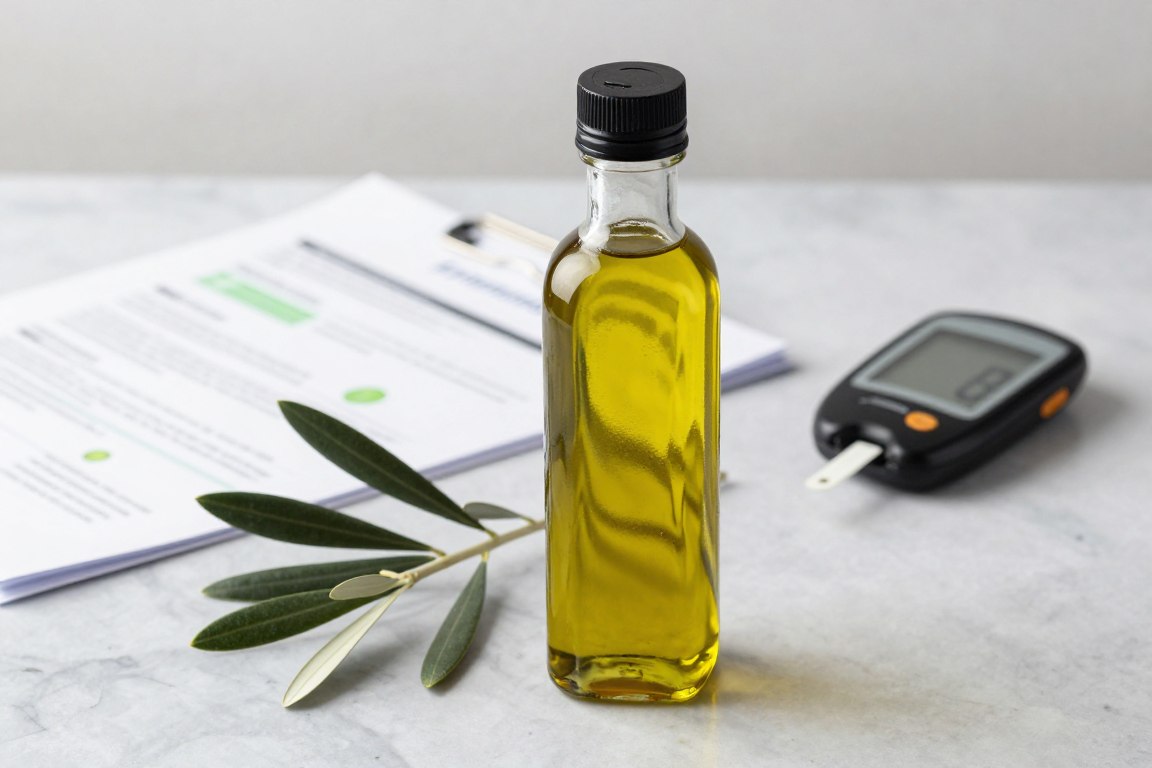
Let’s talk about why olive oil deserves its own section in any discussion about the Mediterranean diet and diabetes.
This stuff is liquid gold for your blood sugar.
Multiple studies have shown that extra virgin olive oil improves insulin sensitivity. What does that mean in plain English? Your body gets better at using the insulin it produces to move sugar out of your bloodstream.
Research published in Diabetes Care found that meals prepared with olive oil resulted in smaller blood sugar spikes compared to meals with other fats. The monounsaturated fatty acids in olive oil slow down digestion, which means glucose enters your bloodstream more gradually.
Here’s the practical bit. Use about two to three tablespoons of extra virgin olive oil daily. Drizzle it on salads, use it for sautéing vegetables, or dip your whole grain bread in it.
Just remember that olive oil is calorie-dense. If weight loss is part of your diabetes management plan, measure your portions rather than pouring freely.
Mediterranean Comfort Food Recipe for Diabetics
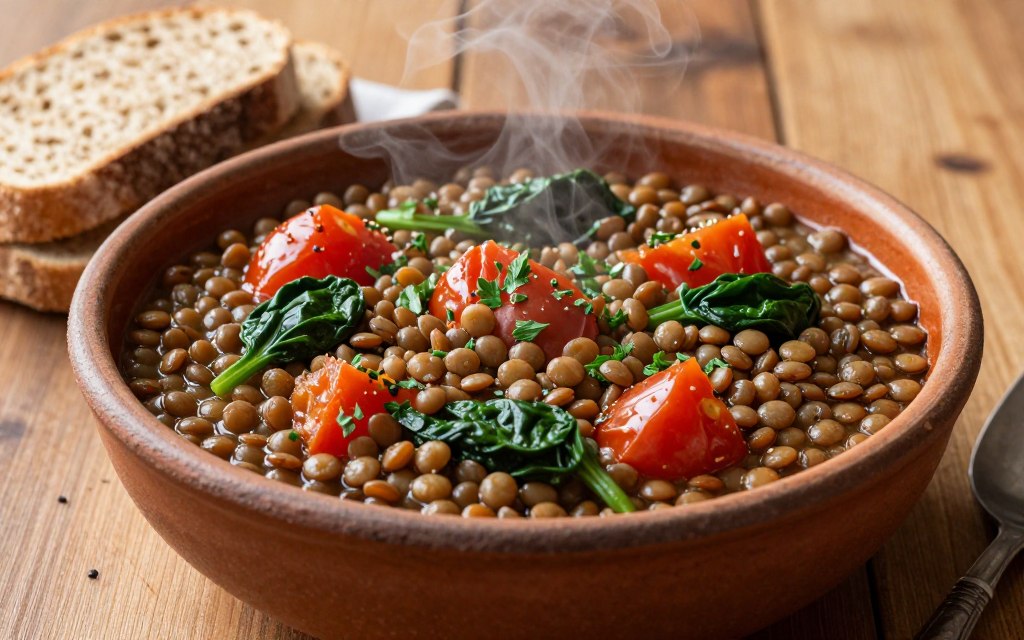
Hearty Mediterranean Lentil Stew
This recipe proves that managing diabetes doesn’t mean giving up comfort food. It’s warm, filling, and your blood sugar will thank you.
Ingredients
- 1 cup dried lentils, rinsed
- 2 tablespoons extra virgin olive oil
- 1 onion, diced
- 3 garlic cloves, minced
- 2 carrots, chopped
- 2 celery stalks, chopped
- 1 can diced tomatoes (14 oz)
- 4 cups low-sodium vegetable broth
- 2 cups fresh spinach
- 1 teaspoon cumin
- 1 teaspoon dried oregano
- Salt and pepper to taste
- Fresh lemon juice
Instructions
- Heat olive oil in a large pot over medium heat. Sauté onion until soft, about 5 minutes.
- Add garlic, carrots, and celery. Cook another 5 minutes.
- Stir in lentils, tomatoes, broth, cumin, and oregano. Bring to a boil.
- Reduce heat and simmer for 25-30 minutes until lentils are tender.
- Add spinach and cook until wilted, about 2 minutes.
- Season with salt and pepper. Squeeze fresh lemon juice over each bowl before serving.
Simple substitutions: Use kale instead of spinach. Add chickpeas for extra protein. Swap vegetable broth for chicken broth if you prefer.
This makes six servings. Each portion is high in fiber, protein, and healthy fats while being naturally low on the glycemic index.
Ready for a Step-by-Step Approach?
If you’d like a printable version of everything we’ve covered with day-by-day guidance, there’s a free resource that might help.
The 28-Day Mediterranean Diet Maintenance Program gives you four weeks of structured meal plans, shopping lists, and recipes designed specifically for blood sugar control. It’s completely free and includes substitutions for common dietary restrictions.
No complicated rules. No special equipment needed. Just practical daily guidance you can actually follow.
Share This With Someone Who Needs It
Copy and Send This Message
“Hey, I found this really helpful guide about managing type 2 diabetes with the Mediterranean diet. It’s not complicated at all and includes a free meal plan and grocery list. Thought you might find it useful. [paste article link]”
Sometimes the best thing we can do is share what’s helped us with someone else who’s struggling.
How to Manage Portions Without Obsessing Over Every Bite
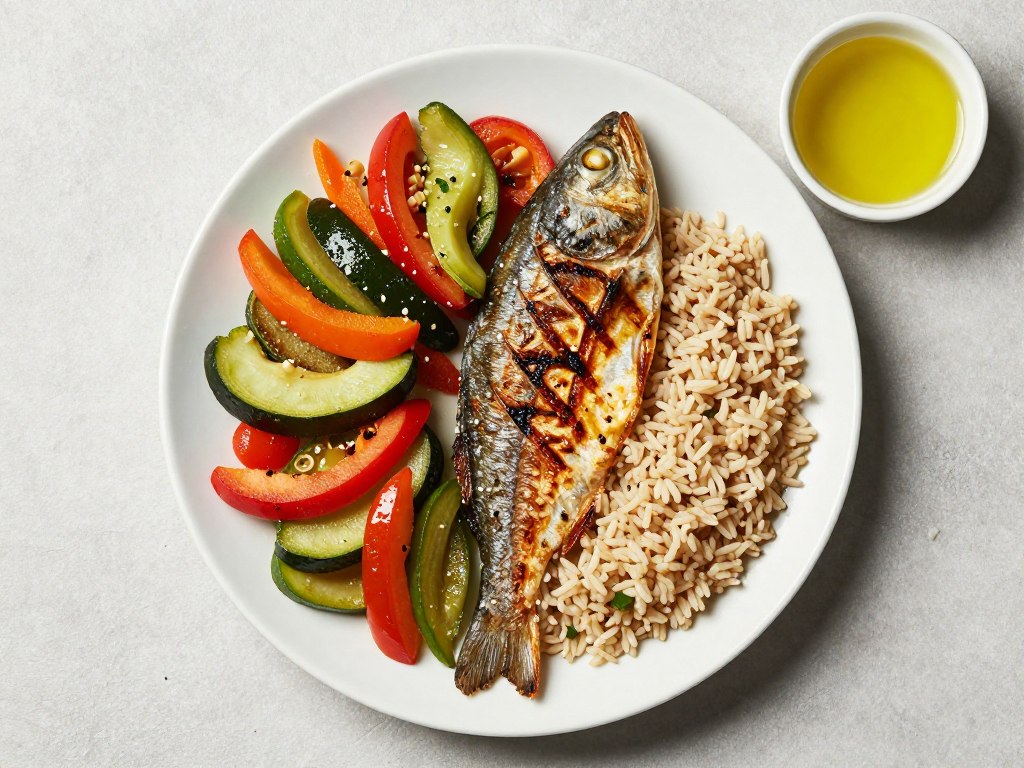
Here’s something nobody tells you about portion control. You don’t need to weigh every morsel of food.
The Mediterranean approach is more intuitive than that.
Fill half your plate with non-starchy vegetables. That’s your foundation. Add a palm-sized portion of protein like fish, chicken, or legumes. Include a fist-sized serving of whole grains.
Use healthy fats liberally for flavor but mindfully for calories. A tablespoon of olive oil goes a long way when you’re drizzling rather than pouring.
Listen to your hunger and fullness cues. Eat slowly. Put your fork down between bites. Stop when you’re satisfied, not stuffed.
This isn’t rocket science. It’s common sense that actually works when you pay attention.
Weight Loss and Diabetes: What You Need to Know
Let’s address the elephant in the room. Many people with type 2 diabetes need to lose weight.
The Mediterranean diet supports weight loss naturally without feeling like you’re starving yourself.
Research shows that people following this eating pattern lose weight more successfully than those on typical low-fat diets. The combination of fiber, protein, and healthy fats keeps you satisfied longer.
You’re not fighting constant hunger. You’re not white-knuckling your way through meals. You’re eating real food that happens to support a healthy weight.
Losing just 5 to 10 percent of your body weight can significantly improve blood sugar control and reduce your need for diabetes medications according to the American Diabetes Association.
The Mediterranean diet makes that achievable without the misery of restrictive dieting.
Beyond Food: The Complete Mediterranean Lifestyle
The traditional Mediterranean approach to health includes more than just what’s on your plate.
Physical activity is part of the package. You don’t need to run marathons. A daily 30-minute walk does wonders for blood sugar control and overall health.
Social connections matter too. Share meals with family and friends when you can. The stress reduction and social support both contribute to better diabetes management.
Get adequate sleep. Poor sleep disrupts blood sugar regulation and makes weight loss harder.
Manage stress through whatever works for you whether that’s meditation, gardening, or calling a friend.
The diet is just one piece of a larger picture of balanced living.
Monitoring Your Blood Sugar and Progress
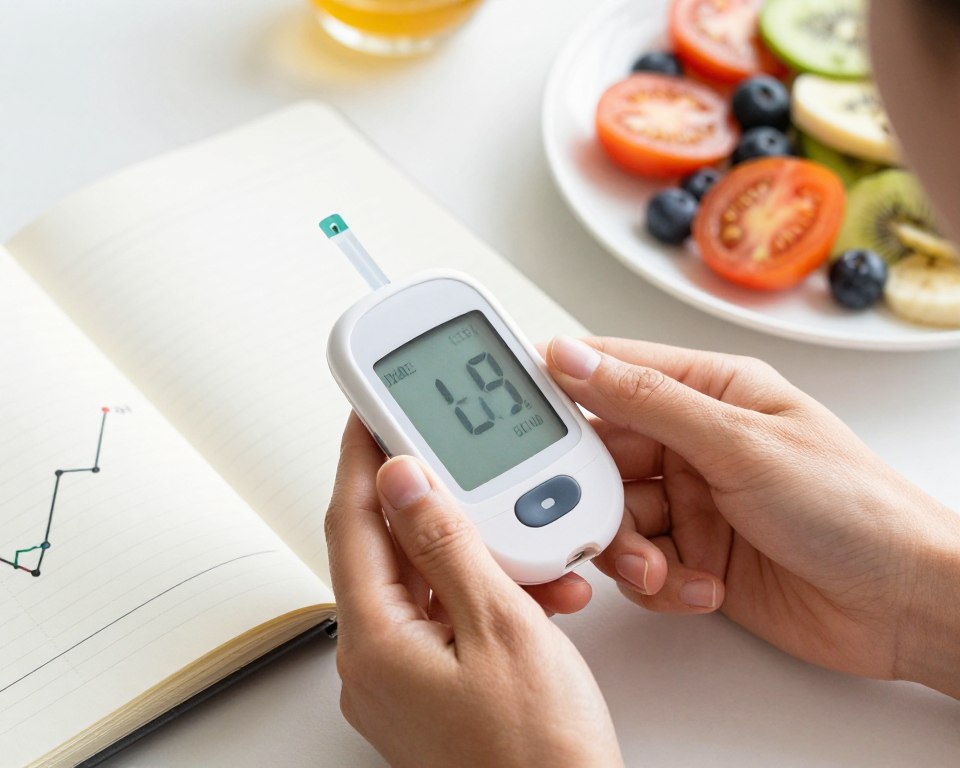
You’ll want to see if this whole Mediterranean thing is actually working for you.
Test your blood sugar at the times your doctor recommends. Keep a simple log of your readings along with notes about what you ate and when.
You’ll start to notice patterns. Maybe your blood sugar is more stable when you eat oatmeal for breakfast compared to toast. Perhaps adding olive oil to your salad really does prevent that afternoon spike.
Work with your healthcare provider to adjust your medications as needed. Many people find they can reduce their diabetes medications when they consistently follow a Mediterranean eating pattern.
Don’t make medication changes on your own. Your doctor needs to be part of this process.
Track other markers too. How’s your energy throughout the day? Are you sleeping better? Is your weight trending in the right direction?
These non-scale victories often show up before you see major changes in your blood sugar numbers.
For more detailed information about adapting Mediterranean recipes for specific dietary needs, check out our comprehensive recipe collection for diabetics with nutritional breakdowns for every meal.
Frequently Asked Questions About Mediterranean Diet for Type 2 Diabetes
Can the Mediterranean diet reverse type 2 diabetes?
The Mediterranean diet can significantly improve blood sugar control and may put type 2 diabetes into remission for some people, especially when combined with weight loss. However, this varies by individual and depends on factors like how long you’ve had diabetes and your overall health. Always work with your healthcare provider to monitor your progress and adjust medications safely.
How quickly will I see results with the Mediterranean diet?
Many people notice more stable blood sugar levels within two to three weeks of starting the Mediterranean diet. Weight loss typically becomes noticeable within four to six weeks. Long-term benefits like reduced inflammation and improved cardiovascular health develop over months. Consistency matters more than perfection, so focus on making sustainable changes rather than expecting overnight results.
Is the Mediterranean diet expensive to follow?
Not necessarily. While some ingredients like fresh fish and extra virgin olive oil cost more upfront, the diet emphasizes affordable staples like beans, lentils, seasonal vegetables, and whole grains. Buy frozen fish when fresh is too expensive. Purchase store-brand olive oil. Shop for produce that’s in season. Many people actually spend less because they’re not buying processed foods and takeout meals.
Can I eat bread on the Mediterranean diet with diabetes?
Yes, but choose whole grain bread and watch your portions. A serving is typically one slice. Whole grain bread contains fiber that slows sugar absorption and prevents blood sugar spikes. Avoid white bread and refined grain products. Pair your bread with olive oil, protein, or vegetables to further moderate the blood sugar impact.
What about fruit and blood sugar levels?
Whole fruits are fine in moderate amounts for most people with type 2 diabetes. The fiber in whole fruit slows sugar absorption. Stick to two to three servings daily and choose lower-glycemic options like berries, apples, and oranges. Avoid fruit juice which lacks fiber and causes rapid blood sugar spikes. Time your fruit consumption with meals rather than eating it alone as a snack.
Do I need to buy expensive extra virgin olive oil?
You need extra virgin olive oil, but you don’t need the most expensive brand. Look for bottles labeled “extra virgin” with harvest dates when possible. Store brands often offer good quality at lower prices. Keep your olive oil in a cool, dark place to preserve its beneficial compounds. Use it within six months of opening for best nutrition and flavor.
Can I follow the Mediterranean diet if I don’t like fish?
Absolutely. While fish provides important omega-3 fatty acids, you can get similar benefits from other sources. Increase your intake of walnuts, chia seeds, and flaxseeds. Eat more beans and lentils for protein. Consider omega-3 supplements after discussing with your doctor. The Mediterranean diet is flexible enough to work without fish, though you’ll want to ensure you’re getting adequate protein and healthy fats from other sources.
Will I need to take supplements on the Mediterranean diet?
Most people get adequate nutrition from the Mediterranean diet alone. However, some individuals may benefit from vitamin D, B12, or omega-3 supplements depending on their specific situation. If you avoid fish, an omega-3 supplement might help. People over 50 sometimes need B12 supplementation. Have your doctor check your nutrient levels and recommend supplements only if needed rather than taking them preventively.
Your Next Steps to Better Blood Sugar Control

Managing type 2 diabetes doesn’t have to feel like a constant battle against your own body.
The Mediterranean diet gives you a framework that works with your biology rather than against it. You’re eating foods that stabilize blood sugar naturally. You’re reducing inflammation. You’re supporting your cardiovascular health. You’re even enjoying your meals.
Start small if you need to. Maybe this week you swap refined grains for whole grains. Next week you add more vegetables to your plate. The week after that you start cooking with olive oil instead of butter.
These incremental changes add up to significant results over time.
Your blood sugar numbers will improve. Your energy will stabilize. You might even find that you need less medication down the road.
The science backs this up. Your body responds positively to this way of eating. And unlike restrictive diets that leave you miserable, this is sustainable for the long term.
You’ve got this. One meal at a time, one day at a time, you’re taking control of your health in a way that actually feels good.
Medical Disclaimer
This article provides general information about nutrition and diabetes management. It is not intended as medical advice or to replace consultation with your healthcare provider. Always discuss dietary changes with your doctor, especially if you take diabetes medications, as your dosage may need adjustment. Individual nutritional needs vary based on your specific health conditions, medications, and medical history.
References
- Harvard Health Publishing, 2023
- Diabetes Care, 2022
- American Diabetes Association, 2024
- Nutrients Journal, 2023
- The Lancet Diabetes & Endocrinology, 2022
- Journal of the American College of Nutrition, 2023
- Mayo Clinic Proceedings, 2024
- British Medical Journal, 2023
- Stanford Medicine Research, 2022
Get well and stay well,
Ray Baker
