

Magnesium is an essential mineral that plays a crucial role in over 300 biochemical reactions in your body. From supporting muscle and nerve function to regulating energy production and bone development, adequate magnesium intake is vital for optimal health. This comprehensive guide provides a detailed chart of magnesium-rich foods to help you incorporate this important nutrient into your daily diet.
Why Magnesium Matters for Your Health
Magnesium is the fourth most abundant mineral in your body, yet many people don’t get enough through their diet. This essential nutrient helps regulate muscle and nerve function, blood sugar levels, and blood pressure. It’s also vital for creating protein, bone development, and DNA synthesis.
The recommended daily intake of magnesium is 400-420mg for men and 310-320mg for women. However, studies suggest that nearly two-thirds of people in Western countries don’t meet these requirements. A diet rich in magnesium-containing foods can help prevent deficiency and support overall health.
Magnesium Rich Foods Chart
Below is a comprehensive chart of foods high in magnesium, organized by category. Use this as a reference to ensure you’re incorporating a variety of magnesium sources into your meals.
| Food | Serving Size | Magnesium (mg) | % Daily Value |
| Pumpkin Seeds | 1 oz (28g) | 156 | 37% |
| Spinach (cooked) | 1 cup | 157 | 37% |
| Swiss Chard (cooked) | 1 cup | 151 | 36% |
| Dark Chocolate (85% cocoa) | 1 oz (28g) | 65 | 15% |
| Black Beans | 1 cup cooked | 120 | 29% |
| Avocado | 1 medium | 58 | 14% |
Vegetables High in Magnesium
| Vegetable | Serving Size | Magnesium (mg) | % Daily Value |
| Spinach (cooked) | 1 cup | 157 | 37% |
| Swiss Chard (cooked) | 1 cup | 151 | 36% |
| Kale (cooked) | 1 cup | 75 | 18% |
| Collard Greens (cooked) | 1 cup | 42 | 10% |
| Turnip Greens (cooked) | 1 cup | 32 | 8% |
Leafy green vegetables are excellent sources of magnesium and provide numerous other nutrients. Try adding spinach to smoothies or using it as a base for salads to boost your magnesium intake.
Nuts and Seeds High in Magnesium
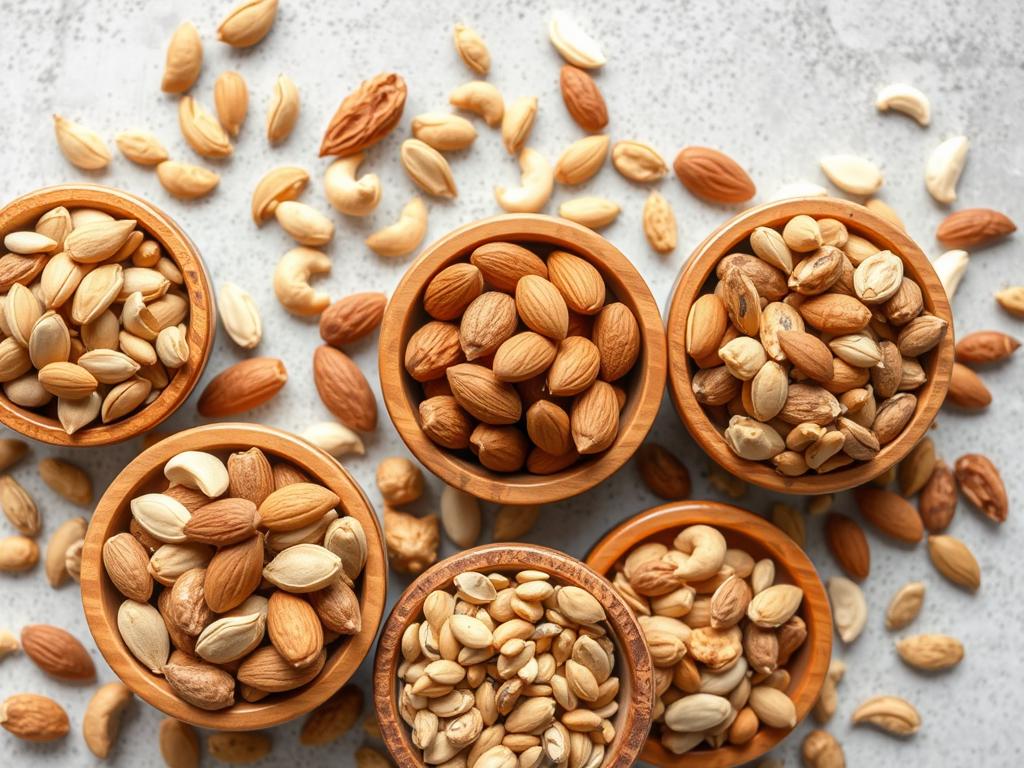
| Nut/Seed | Serving Size | Magnesium (mg) | % Daily Value |
| Pumpkin Seeds | 1 oz (28g) | 156 | 37% |
| Hemp Seeds | 1 oz (28g) | 197 | 47% |
| Almonds | 1 oz (28g) | 77 | 18% |
| Cashews | 1 oz (28g) | 83 | 20% |
| Brazil Nuts | 1 oz (28g) | 105 | 25% |
Nuts and seeds are not only rich in magnesium but also provide healthy fats, protein, and fiber. Keep a small container of mixed nuts and seeds for a convenient, magnesium-boosting snack throughout the day.
Legumes High in Magnesium
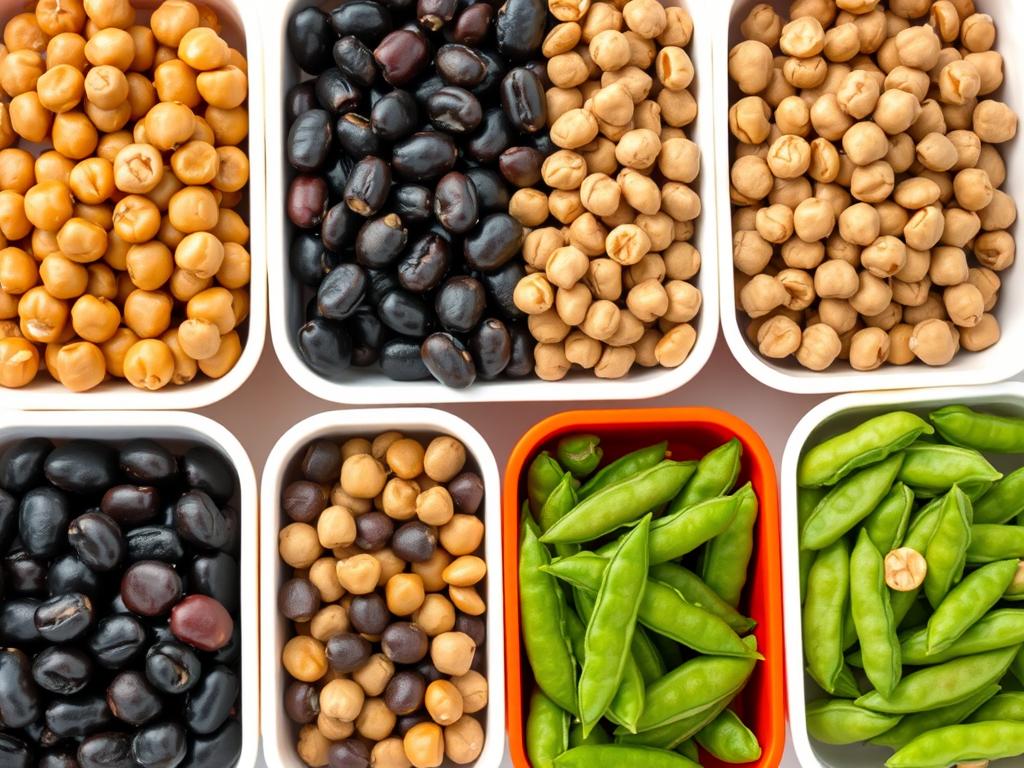
| Legume | Serving Size | Magnesium (mg) | % Daily Value |
| Black Beans | 1 cup cooked | 120 | 29% |
| Edamame (soybeans) | 1 cup cooked | 106 | 25% |
| Lima Beans | 1 cup cooked | 126 | 30% |
| Chickpeas | 1 cup cooked | 79 | 19% |
| Lentils | 1 cup cooked | 71 | 17% |
Legumes are excellent sources of plant-based protein and fiber in addition to magnesium. Try adding black beans to salads or making homemade hummus with chickpeas for a magnesium-rich snack.
Whole Grains High in Magnesium
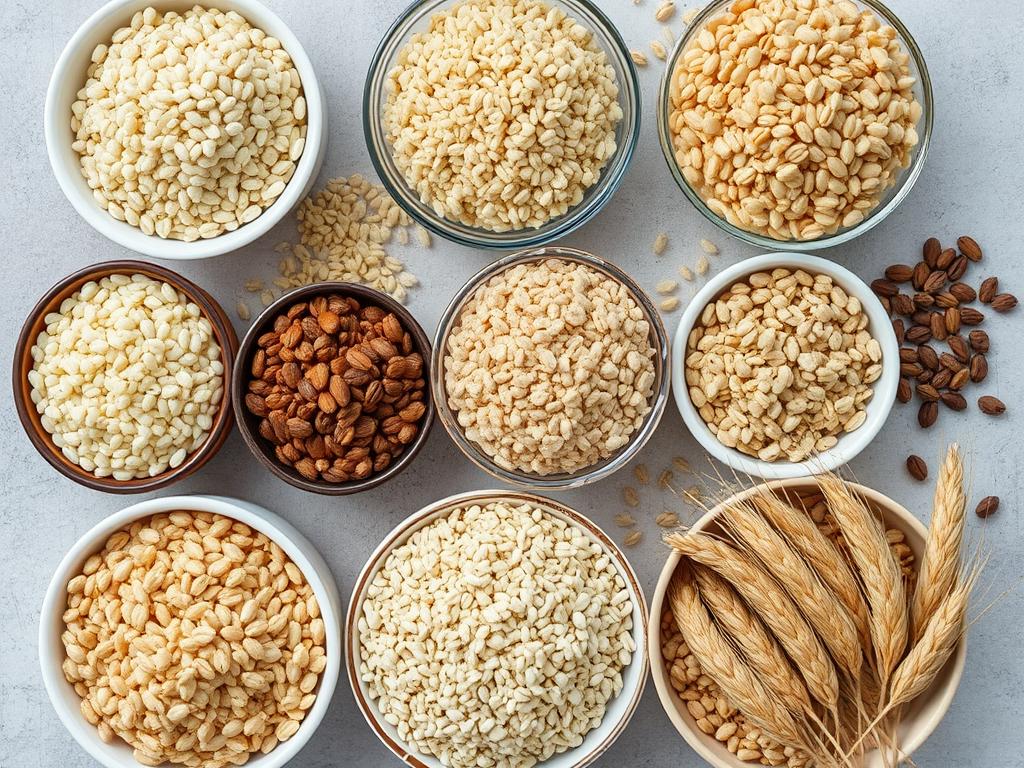
| Grain | Serving Size | Magnesium (mg) | % Daily Value |
| Quinoa | 1 cup cooked | 118 | 28% |
| Brown Rice | 1 cup cooked | 86 | 20% |
| Buckwheat | 1 cup cooked | 86 | 20% |
| Whole Wheat Pasta | 1 cup cooked | 63 | 15% |
| Bulgur | 1 cup cooked | 58 | 14% |
Whole grains provide sustained energy and are excellent sources of magnesium. Replace refined grains with whole grain options like brown rice or quinoa to increase your magnesium intake while adding more fiber to your diet.
Fish and Seafood High in Magnesium
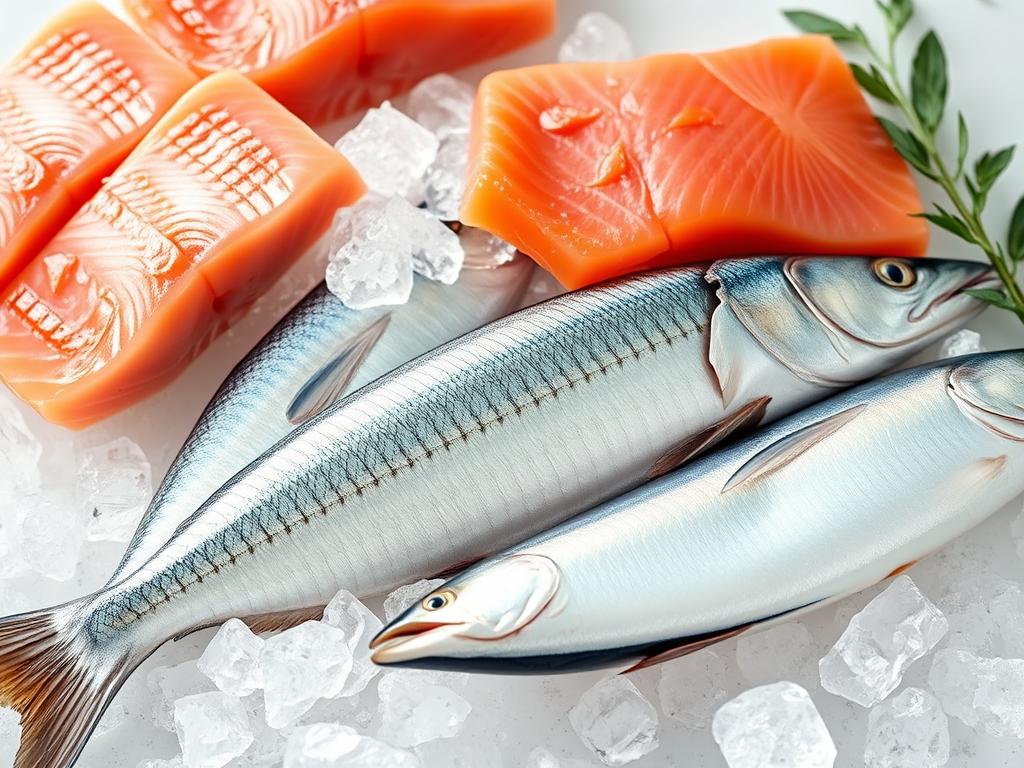
| Fish/Seafood | Serving Size | Magnesium (mg) | % Daily Value |
| Mackerel | 3 oz fillet | 82 | 20% |
| Tuna (Bluefin) | 3 oz fillet | 64 | 15% |
| Salmon | 3 oz fillet | 30 | 7% |
| Pollock | 3 oz fillet | 71 | 17% |
| Alaskan King Crab | 1 leg | 84 | 20% |
Fatty fish not only provide magnesium but are also excellent sources of omega-3 fatty acids, which support heart and brain health. Aim to include fish in your diet at least twice a week.
Other Foods High in Magnesium
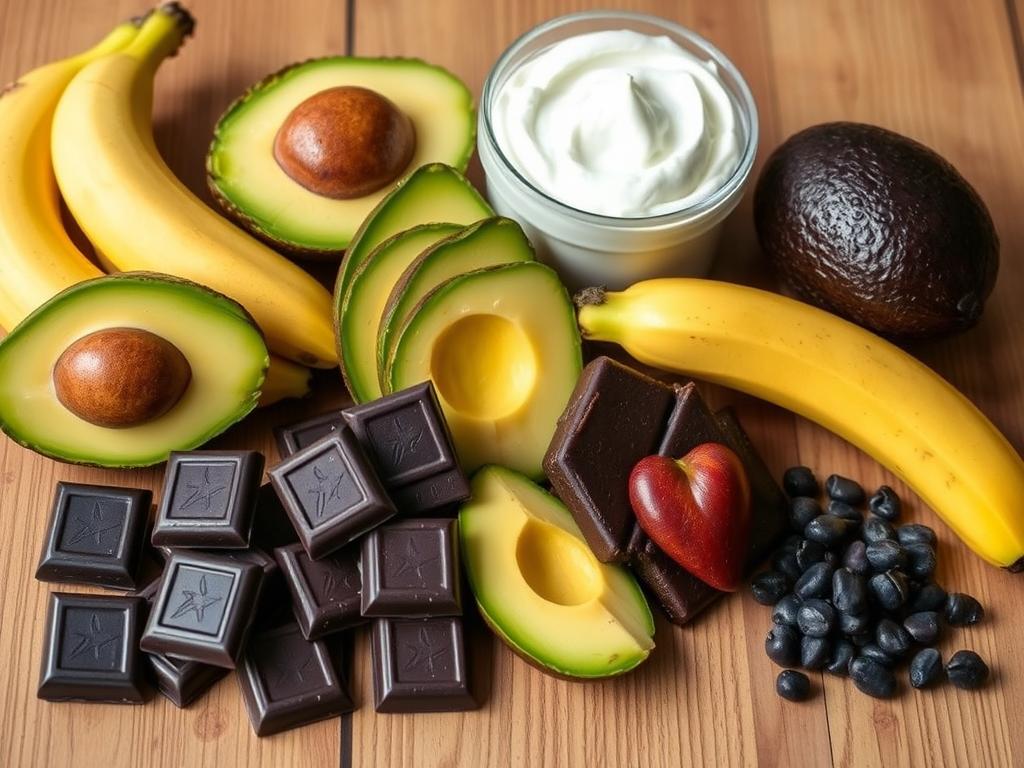
| Food | Serving Size | Magnesium (mg) | % Daily Value |
| Dark Chocolate (85% cocoa) | 1 oz (28g) | 65 | 15% |
| Avocado | 1 medium | 58 | 14% |
| Banana | 1 large | 37 | 9% |
| Non-Fat Yogurt | 1 cup | 47 | 11% |
| Tofu | 1 cup | 146 | 35% |
These diverse foods can help you incorporate magnesium into various meals throughout the day. Dark chocolate makes for a satisfying treat that also provides magnesium, while avocados can be added to sandwiches, salads, or enjoyed on their own.
5 Standout Magnesium-Rich Foods
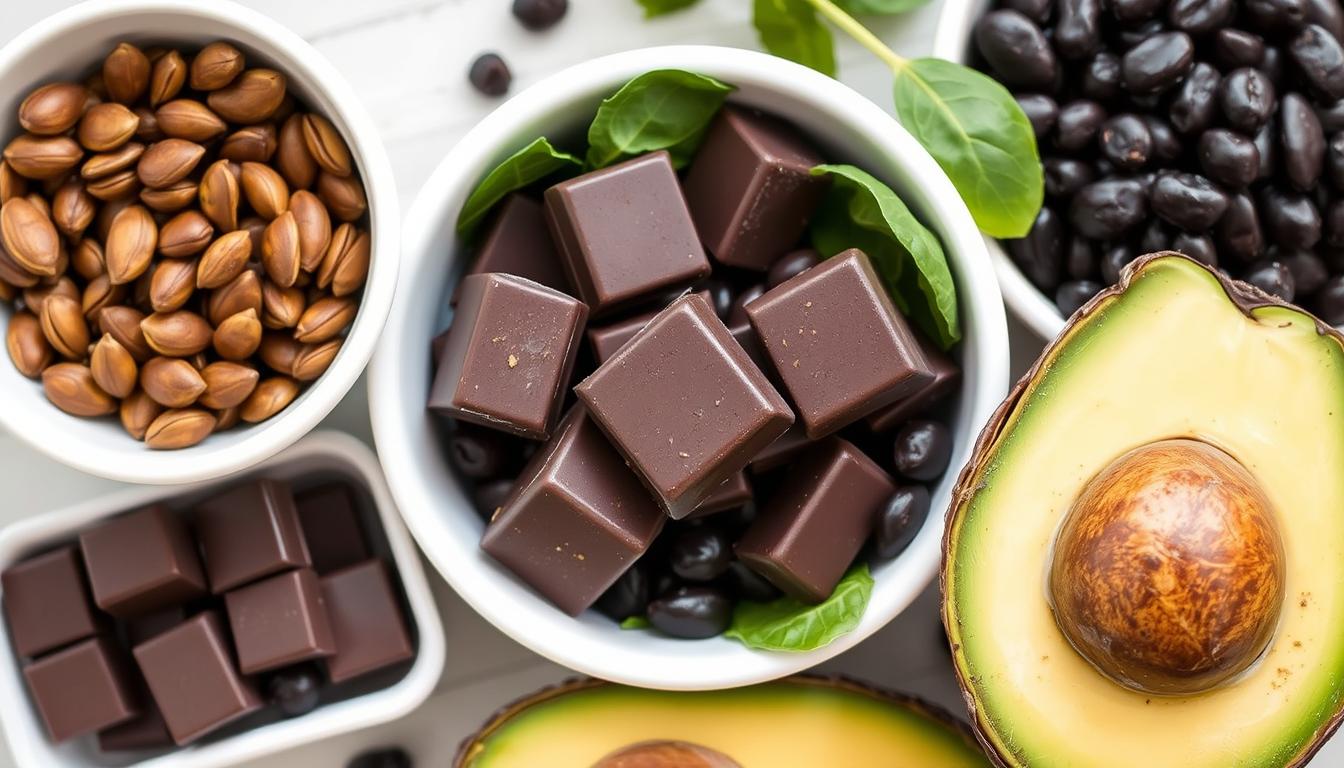
Pumpkin Seeds
37% DV per oz
Just one ounce of pumpkin seeds provides 37% of your daily magnesium needs. They’re also rich in zinc, healthy fats, and antioxidants that support immune function and heart health.
Spinach
37% DV per cup
Cooked spinach is one of the most magnesium-dense vegetables available. It’s also packed with iron, vitamins A and K, and antioxidants that support overall health.
Dark Chocolate
15% DV per oz
Dark chocolate with at least 70% cocoa solids provides magnesium along with flavanols that support heart health and may help reduce inflammation.
Black Beans
29% DV per cup
Black beans provide nearly a third of your daily magnesium needs in one cup. They’re also an excellent source of plant-based protein, fiber, and iron.
Avocado
14% DV per avocado
One medium avocado provides 14% of your daily magnesium needs along with heart-healthy monounsaturated fats, fiber, and potassium.
Maximizing Magnesium Absorption
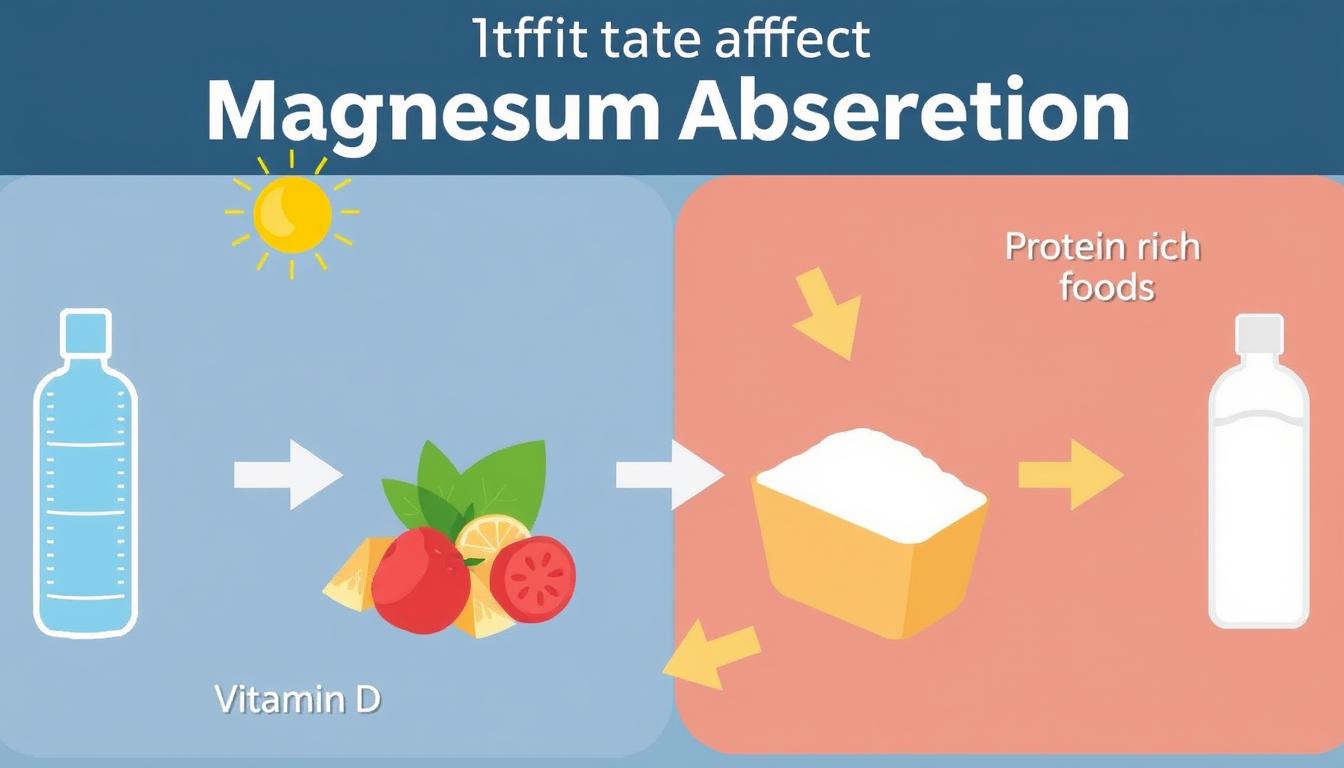
The amount of magnesium you consume is important, but so is how much your body actually absorbs. Here are some tips to maximize magnesium bioavailability:
Practical Ways to Include Magnesium-Rich Foods in Your Diet
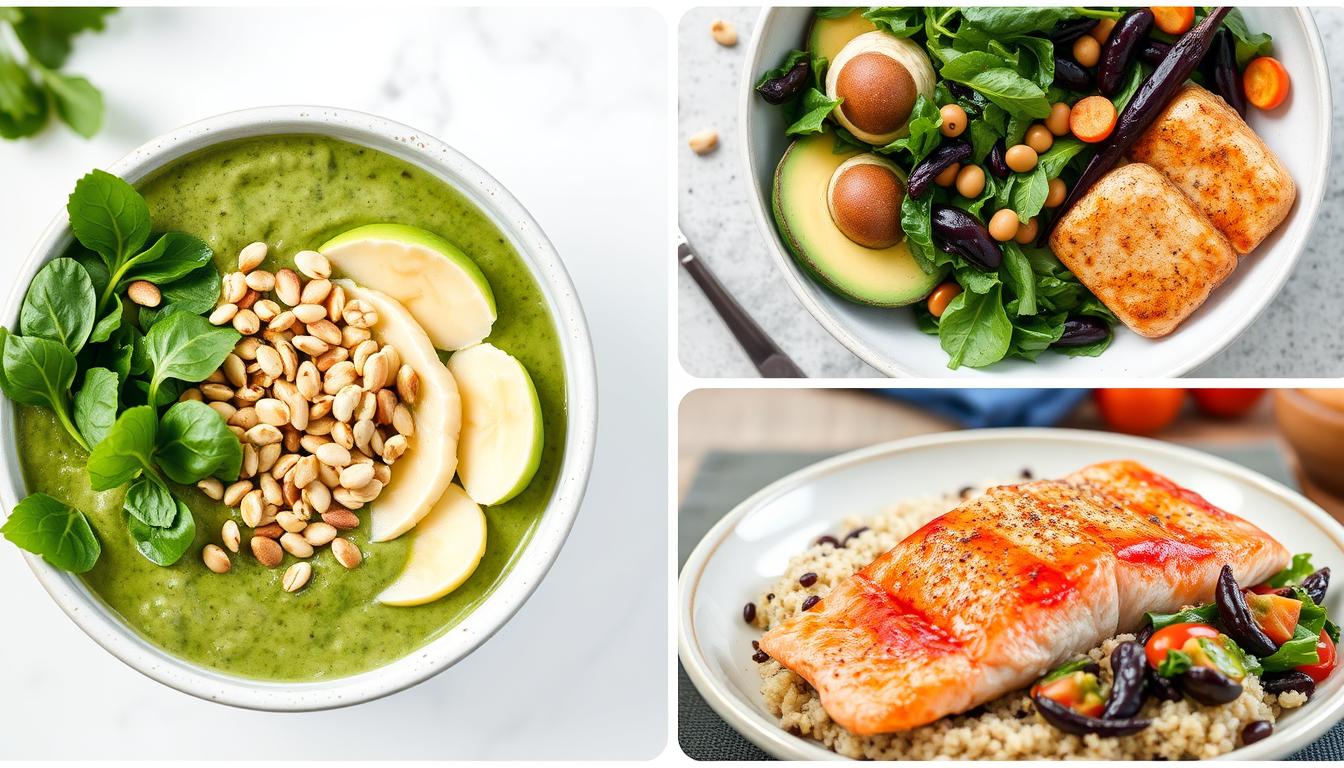
Breakfast Ideas
Lunch Ideas
Dinner Ideas
Snack Ideas
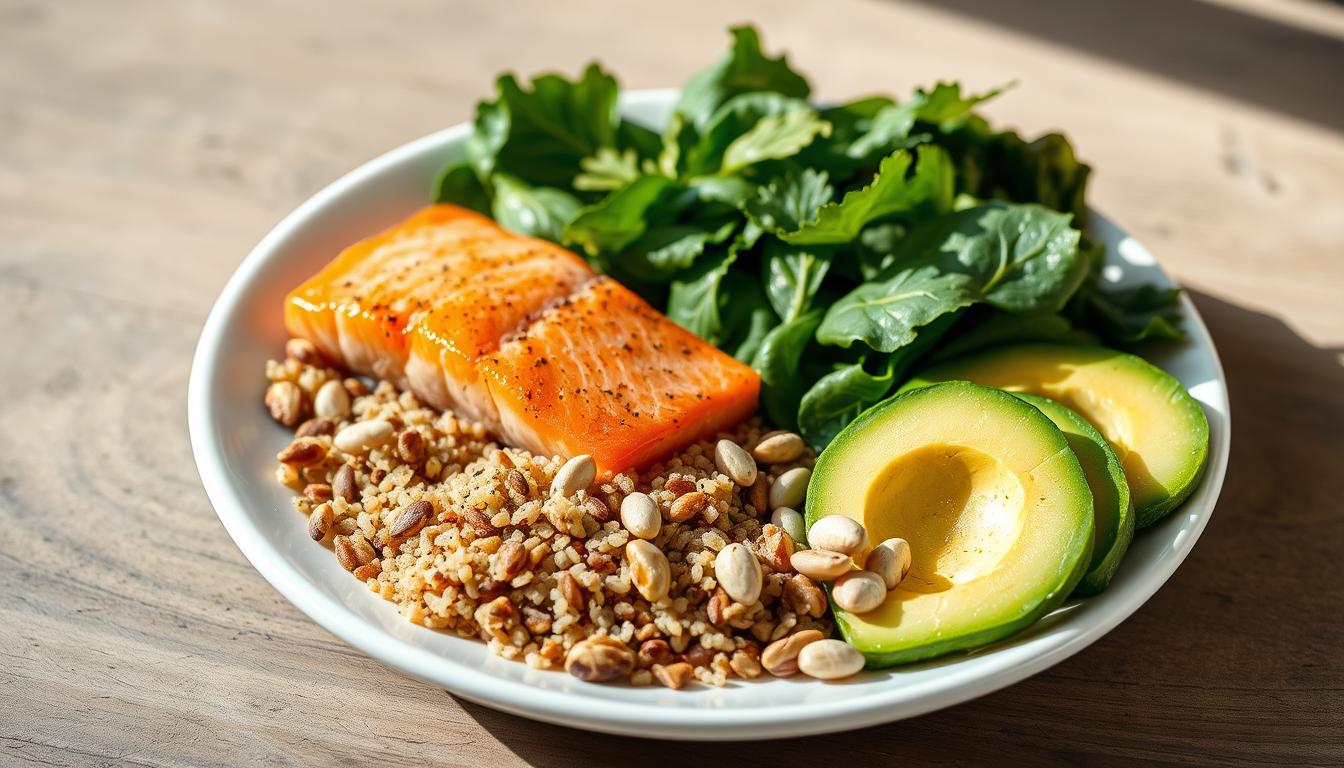
Incorporating magnesium-rich foods into your daily diet is one of the best ways to ensure you’re meeting your body’s needs for this essential mineral. By focusing on whole, unprocessed foods like leafy greens, nuts, seeds, legumes, whole grains, and fatty fish, you’ll not only boost your magnesium intake but also benefit from the many other nutrients these foods provide.
Remember that dietary diversity is key. Rather than relying on a single food source, aim to include a variety of magnesium-rich foods throughout your day. This approach ensures you’re getting a good balance of nutrients while making your meals more interesting and enjoyable.
If you’re concerned about your magnesium levels, especially if you have certain health conditions or take medications that may affect magnesium absorption, consult with a healthcare provider. They can help determine if dietary changes alone are sufficient or if supplementation might be necessary in your specific case.
Start Your 2
Ready to boost your magnesium intake? Download our 7-day meal plan featuring delicious recipes packed with magnesium-rich foods. Each day includes breakfast, lunch, dinner, and snack ideas to help you easily incorporate more magnesium into your diet.
