
Scientific Evidence: Why the Mediterranean Diet Works
Unlike many popular diets, the Mediterranean diet has decades of rigorous scientific research supporting its effectiveness for weight management and overall health.
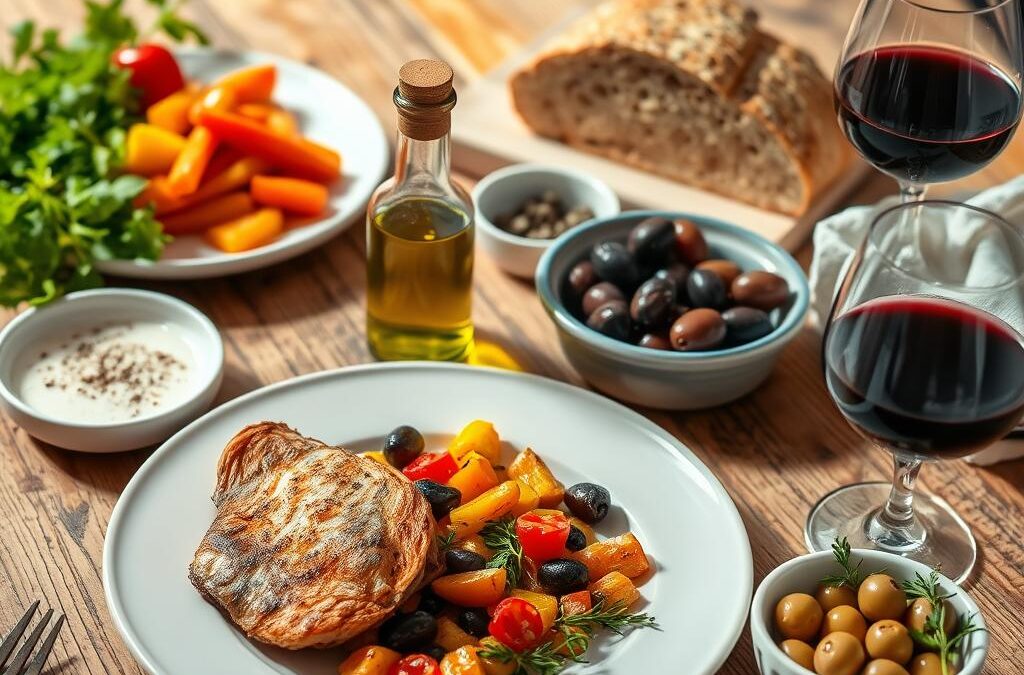
The Mediterranean diet pyramid emphasizes plant foods and healthy fats as the foundation
The PREDIMED trial, published in the New England Journal of Medicine in 2018, followed 7,447 people at high cardiovascular risk and found about 30% fewer major cardiovascular events in the two Mediterranean diet groups (NEJM, 2018).
Unlike restrictive diets that often lead to weight cycling, the Mediterranean approach shows remarkable adherence rates.
What the Weight-Loss Studies Show
So does it actually work for weight loss? The research says yes - steadily rather than dramatically.
- The two-year DIRECT trial: In this Israeli study published in the New England Journal of Medicine, 322 adults with overweight followed a low-fat, Mediterranean or low-carb diet for two years. The Mediterranean group lost an average of 4.4 kg (about 10 pounds), compared with 2.9 kg on low-fat and 4.7 kg on low-carb - and it did better than low-fat for blood sugar in people with diabetes.
- A review of long-term trials: A 2016 review in the American Journal of Medicine looked at five trials lasting a year or more. The Mediterranean diet led to more weight loss than low-fat diets and about the same as other popular diets.
The big advantage is that you’re not white-knuckling it. People report enjoying the food, which makes it much easier to keep going - and keeping the weight off is the hard part for most of us.
5 Core Principles of the Mediterranean Diet for Weight Management
1. Prioritize Plant-Based Foods
The foundation of the Mediterranean diet is abundant fruits, vegetables, legumes, and whole grains. These foods are naturally high in fiber, which helps you feel fuller longer while consuming fewer calories. Aim for at least 5-7 servings of fruits and vegetables daily, and make legumes (beans, lentils, chickpeas) a regular part of your meals. A major 2019 review in The Lancet found that people who ate more fiber weighed less and had lower blood pressure and cholesterol, with the biggest benefits at 25-29 grams of fiber a day.
2. Choose Healthy Fats
Unlike many weight loss diets that demonize fat, the Mediterranean approach embraces healthy fats, particularly extra virgin olive oil. Other healthy fat sources include avocados, nuts, and seeds. Worried that all that olive oil will add pounds? In the PREDIMED trial, people on a Mediterranean diet with no calorie limit and plenty of olive oil or nuts didn’t gain weight over five years, and the nut group gained less around the waist than the low-fat group.
3. Moderate Protein Consumption
The Mediterranean diet includes moderate amounts of fish, seafood, poultry, and eggs, with limited red meat. Fish, particularly fatty varieties like salmon and sardines, provides omega-3 fatty acids that help reduce inflammation and support metabolic health. Aim for fish 2-3 times weekly, and limit red meat to once a week or less.
4. Reduce Processed Foods and Added Sugars
One of the most effective aspects of the Mediterranean diet for weight management is the focus on whole, minimally processed foods. Processed foods and added sugars are typically high in calories but low in nutritional value and satiety. By replacing these with nutrient-dense whole foods, you naturally consume fewer calories while feeling more satisfied.
5. Practice Mindful Eating
The Mediterranean lifestyle isn’t just about what you eat but how you eat. Meals are typically enjoyed slowly, often with family and friends. This mindful approach helps prevent overeating by giving your body time to register fullness signals. Try putting your fork down between bites, eating at the table rather than in front of a screen, and stopping when you feel comfortably satisfied rather than stuffed.
Getting Started: Your First Week on the Mediterranean Diet
Transitioning to the Mediterranean diet doesn’t have to be overwhelming. Here’s a simple approach to begin your journey:
- Start with breakfast: Replace sugary cereals with Greek yogurt topped with fresh fruit and a sprinkle of nuts, or whole grain toast with avocado.
- Swap your cooking oil: Use extra virgin olive oil instead of butter or vegetable oils for cooking and salad dressings.
- Add a Mediterranean meal: Begin with just 2-3 Mediterranean-style meals per week, gradually increasing as you become comfortable.
- Increase plant foods: Add an extra serving of vegetables to your meals and replace meat with legumes in at least one meal per week.
- Rethink snacks: Choose nuts, fresh fruit, or hummus with vegetables instead of processed snacks.
Pro Tip: Don’t try to change everything at once. Research shows that gradual changes are more likely to become permanent habits. Focus on adding Mediterranean foods rather than just eliminating others.
Two Quick, Delicious Mediterranean Recipes for Weight Management
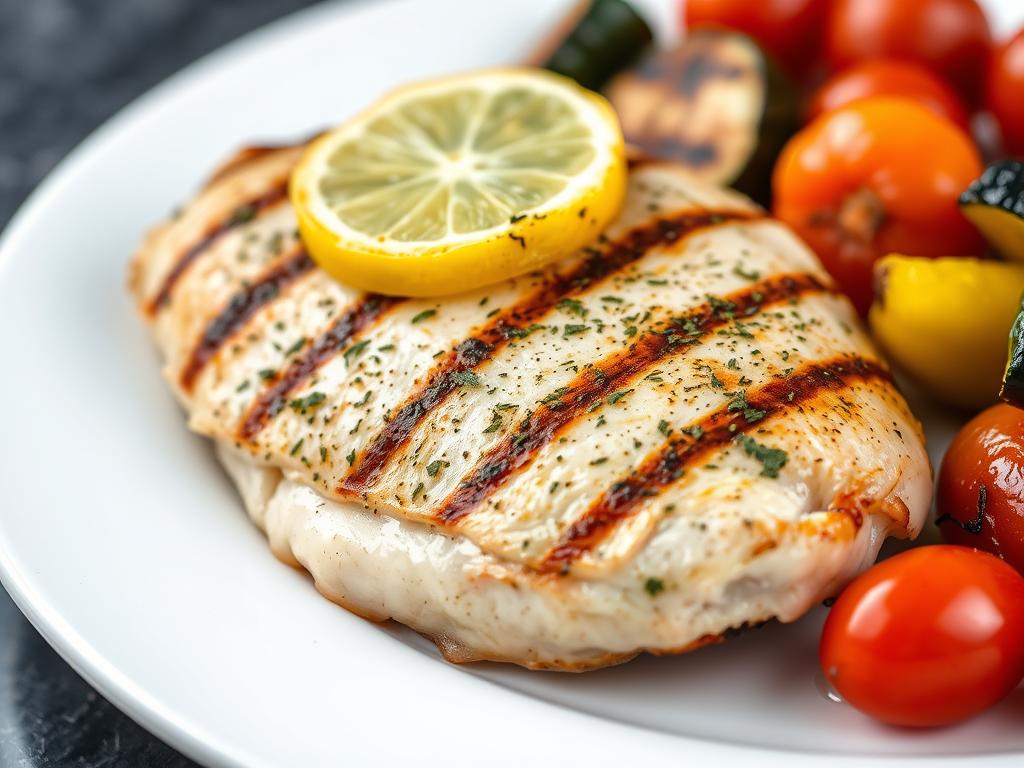
Lemon-Herb Grilled Chicken
This simple, flavorful chicken dish takes just 20 minutes to prepare and pairs perfectly with a large salad or roasted vegetables.
Ingredients:
- 4 boneless, skinless chicken breasts (about 6 oz each)
- 3 tablespoons extra virgin olive oil
- Juice and zest of 2 lemons
- 4 garlic cloves, minced
- 2 tablespoons fresh herbs (oregano, thyme, rosemary), chopped
- Salt and pepper to taste
Instructions:
- In a bowl, combine olive oil, lemon juice, lemon zest, garlic, herbs, salt, and pepper.
- Place chicken in a glass dish and pour marinade over it, turning to coat. Let marinate for at least 15 minutes (or up to 4 hours in the refrigerator).
- Preheat grill or grill pan to medium-high heat.
- Grill chicken for 5-7 minutes per side until internal temperature reaches 165°F (74°C).
- Let rest for 5 minutes before serving.
Nutrition per serving: 290 calories, 35g protein, 3g carbs, 15g healthy fats
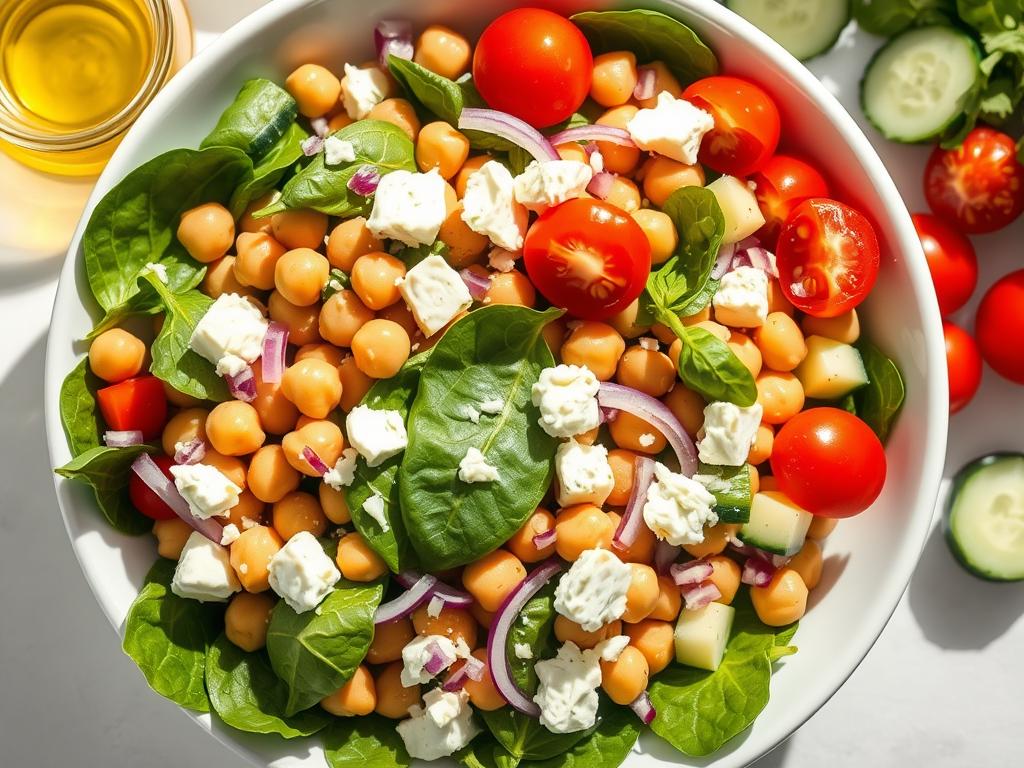
Chickpea & Spinach Salad
This no-cook meal is perfect for busy days and packs a powerful nutritional punch with plant protein, fiber, and healthy fats.
Ingredients:
- 1 can (15 oz) chickpeas, drained and rinsed
- 4 cups fresh spinach, roughly chopped
- 1 cup cherry tomatoes, halved
- 1/2 red onion, thinly sliced
- 1/4 cup kalamata olives, pitted and halved
- 2 oz feta cheese, crumbled
- 2 tablespoons extra virgin olive oil
- 1 tablespoon red wine vinegar
- 1 teaspoon dried oregano
- Salt and pepper to taste
Instructions:
- In a large bowl, combine chickpeas, spinach, tomatoes, red onion, and olives.
- In a small bowl, whisk together olive oil, vinegar, oregano, salt, and pepper.
- Pour dressing over salad and toss gently to coat.
- Sprinkle with feta cheese before serving.
Nutrition per serving (makes 2 servings): 380 calories, 15g protein, 35g carbs (10g fiber), 18g healthy fats
Expert Tips for Long-Term Success
Meal Planning Strategies
- Batch cook grains and legumes: Prepare quinoa, brown rice, or lentils in large batches to use throughout the week.
- Prep vegetables in advance: Wash, chop, and store vegetables for easy access during busy weekdays.
- Create a Mediterranean pantry: Stock up on olive oil, canned beans, whole grains, nuts, and dried herbs.
Dining Out Successfully
- Choose Mediterranean restaurants: Greek, Italian, Spanish, or Lebanese restaurants often have Mediterranean-friendly options.
- Ask for olive oil: Request olive oil and vinegar instead of creamy dressings.
- Focus on vegetables: Order dishes that feature vegetables as the main component.

Meal prepping Mediterranean-style foods can save time and help maintain healthy eating habits throughout the week
Overcoming Common Challenges
“I don’t have time to cook elaborate meals.”
The Mediterranean diet doesn’t require complex cooking. Many dishes are simple assemblies of fresh ingredients. Try “bowl meals” with pre-cooked grains, canned beans, pre-cut vegetables, and a drizzle of olive oil and lemon juice.
“My family won’t eat ‘diet food.'”
Mediterranean cuisine is family-friendly and flavorful. Start with familiar dishes like pasta with vegetables and olive oil, or homemade pizza with whole grain crust and vegetable toppings. Gradually introduce new flavors as your family adjusts.
“I miss my favorite comfort foods.”
Many comfort foods can be adapted to fit the Mediterranean pattern. Try whole grain pasta with olive oil and vegetables instead of creamy sauces, or baked fish with herbs instead of fried options. The key is modifying, not eliminating.
Ready to Transform Your Health with the Mediterranean Diet?
Join over 10,000 success stories by subscribing to our 28 Day Mediterranean Maintenance plan.
The Mediterranean Lifestyle: Beyond Just a Diet
History tells all! The Mediterranean diet’s remarkable success for weight management goes beyond just the foods consumed. It represents a holistic approach to eating and living that has sustained populations for generations. By embracing not just the food choices but also the lifestyle elements - like enjoying meals with others, staying physically active, and prioritizing fresh, seasonal ingredients - you’re adopting a sustainable approach to weight management.
The scientific evidence is clear: this isn’t a quick fix or a temporary solution. The Mediterranean diet offers a path to lasting weight management while simultaneously reducing your risk of chronic diseases and improving overall quality of life. As the thousands of success stories demonstrate, this approach works not because it’s restrictive or complicated, but because it’s enjoyable, flexible, and nourishing on multiple levels.
Whether your goal is to lose weight, maintain your current weight, or simply improve your relationship with food, the Mediterranean diet provides a framework that can be adapted to your individual needs and preferences. Start with small changes, incorporate the recipes and tips shared in this article, and discover for yourself why this eating pattern has stood the test of time.
Get well and stay well,
Ray.
