
By Ray Baker
Here is a result worth knowing if you have type 2 diabetes. An umbrella review that searched studies published between 2012 and 2022 pooled 30 systematic reviews and found that Mediterranean-style eating lowered HbA1c by 0.3 to 0.5% more than the control diets it was compared with [1]. That is not a cure and it is not a promise. But it makes the obvious question worth asking properly: is Mediterranean food good for diabetics, or is this just another plan with a nice photo of a Greek island on the cover?
I see the same mistake often. A diagnosis lands, someone clears the cupboard of everything they enjoy, and three weeks later they are back to the old way of eating because the new one felt like a punishment. Mediterranean cooking is not a punishment, and that is a large part of why people stay with it.
Is Mediterranean Food Good for Diabetics?
So is Mediterranean food good for diabetics? For most people with type 2 diabetes, yes. It is a reasonable, well-studied option. Research keeps finding modest improvements in blood sugar control, blood pressure and weight when people move towards Mediterranean-style eating. It does not replace medication or your doctor’s advice, and it is not the only pattern that works.
The evidence is broader than most people expect. A meta-analysis of seven randomised controlled trials covering 1,371 patients with type 2 diabetes compared Mediterranean eating with control diets. It found lower systolic blood pressure (a mean difference of -4.17), lower diastolic blood pressure (a mean difference of -1.20), better fasting plasma glucose (a mean difference of -15.12), better HbA1c (a mean difference of -0.39) and small reductions in body mass index and waist circumference [2]. The same analysis found no statistically significant effect on high-density lipoprotein, low-density lipoprotein or total cholesterol, so this is not a fix for everything [2].
Newer work is arriving as well. A newer meta-analysis searched PubMed, Web of Science and Embase up to 17 August 2025 and looked strictly at randomised controlled trials in adults with established type 2 diabetes, noting that the last comprehensive meta-analysis of this kind was published in 2015 [3]. This is a live question, not a settled one.
If you would rather have a step-by-step starting point than a pile of studies, my Mediterranean diet for type 2 diabetes guide walks through the practical side, week by week.
Key takeaways
- Mediterranean-style eating is one of several patterns shown to help blood sugar control in type 2 diabetes, alongside low-carbohydrate, plant-based and low-glycaemic index approaches [1].
- Expect modest movement, not dramatic change: blood pressure, blood sugar and weight tend to shift a little in the right direction [2].
- Cholesterol was not significantly improved in that older meta-analysis, so do not rely on food alone for your lipid profile [2].
- There is no single eating pattern that suits every person with diabetes [4].
- A dietitian can help customise the pattern to your medical history, allergies and preferences [5].
What the research actually shows
The umbrella review deserves a closer look because it compared whole eating patterns rather than single nutrients. Thirty systematic reviews met its inclusion criteria, and 22 of those quantified effect sizes through meta-analyses of more than 212 randomised controlled trials. Twelve reviews found that low-carbohydrate, Mediterranean, plant-based and low-glycaemic index diets all reduced HbA1c moderately more than control diets, which were typically high-carbohydrate, low-fat diets. The authors concluded that these patterns are clinically effective alternatives for people with type 2 diabetes, while noting that quality evidence about how long the effects last, and about safety, remains limited [1].
That last sentence matters. Anyone who tells you a way of eating is proven forever is overselling it. So is Mediterranean food good for diabetics? The fair reading is that Mediterranean eating has a decent evidence base for blood sugar, blood pressure and weight, and that the research is still growing [2][1].
It is also worth remembering what these trials measured. They looked at averages across groups, not at your kitchen. Averages show what is likely to help a population; they cannot tell you what will happen to your own HbA1c next month.
Which foods do the heavy lifting?
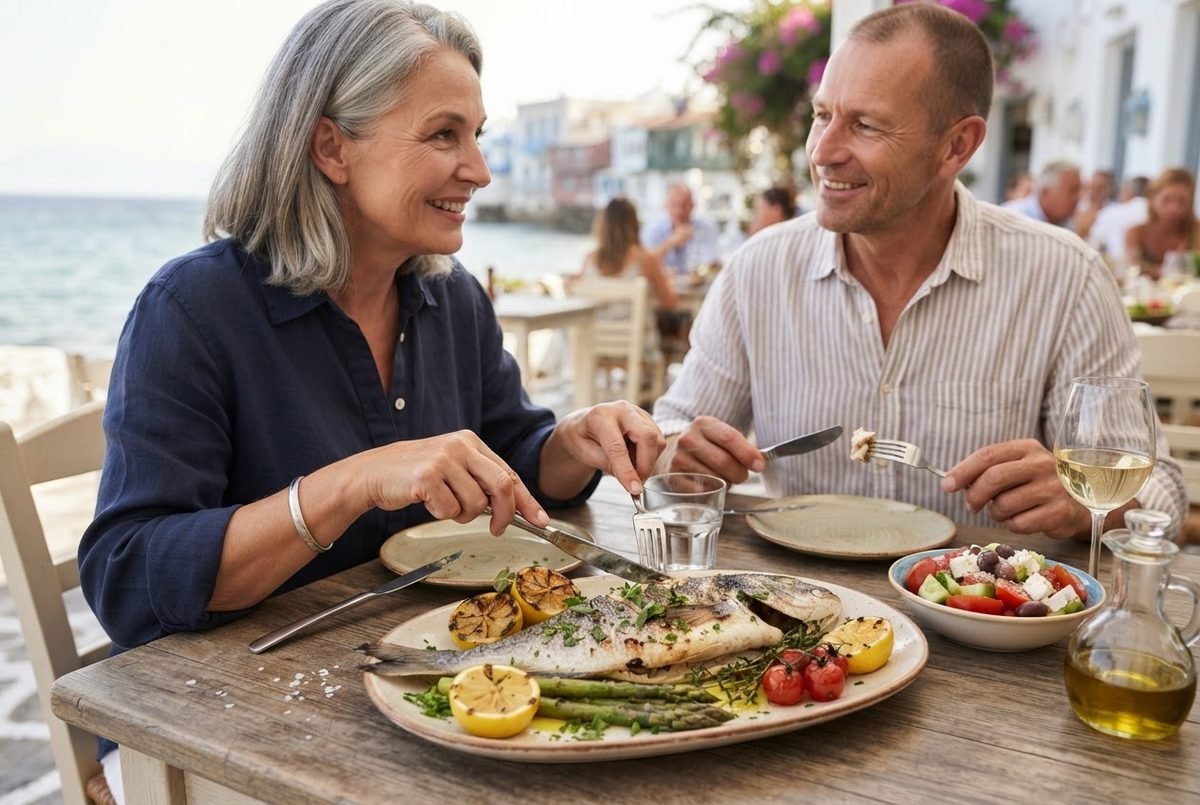
Cleveland Clinic, in a page medically reviewed and last updated on 3 July 2024, describes the pattern plainly: lots of vegetables, fruit, beans, lentils and nuts, a good amount of whole grains, plenty of extra virgin olive oil as the main fat, a good amount of fish, especially oily fish, and moderate natural cheese and yogurt. Red meat, sweets, sugary drinks and butter are kept to little or none. Wine with meals is a moderate option, but the clinic is clear that if you do not already drink, do not start [5].
For anyone still wondering is Mediterranean food good for diabetics, that food list is the practical answer. For blood sugar, the fibre in beans, lentils, vegetables and whole grains does quiet, useful work. If you want to build meals around that idea, this guide to high fibre meals for gut health shows how to do it without weighing every portion.
5 easy tips to start this week
Here is where I would start if someone asked me is Mediterranean food good for diabetics and wanted proof in their own kitchen rather than in a study.
- Change your cooking fat first. Swap butter for extra virgin olive oil in the pan and on the salad. It is the easiest single change and it matches the pattern Cleveland Clinic describes [5].
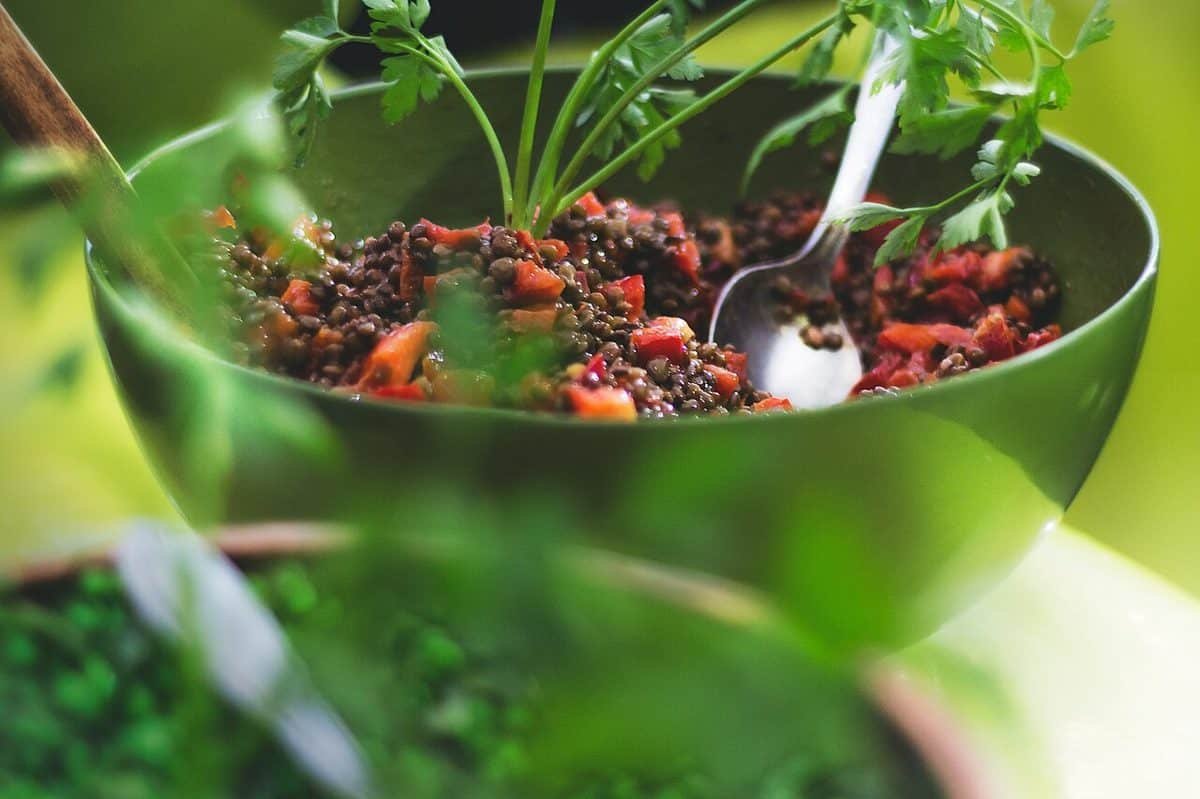
- Cook one bean or lentil meal this week. A pot of lentil soup or a tin of chickpeas stirred through a salad costs little and adds real fibre.
- Put fish on the menu twice. Tinned sardines, tinned salmon or frozen fillets all count, and they are far cheaper than fresh fish from the counter.
- Keep bread and pasta, but choose whole grain versions. Cleveland Clinic lists whole-wheat bread and brown rice as everyday foods in this pattern [5].
- Do not start drinking for your health. If you already enjoy a glass of wine with a meal, keep it moderate. If you do not drink, leave it that way [5].
How do portions and budget fit in?
Mediterranean eating is not automatically light or cheap. Olive oil is calorie dense, nuts vanish from the bowl faster than you expect, and a generous cheese board can undo a good week. Portion awareness matters more than any single ingredient, and it is the part most people miss when they ask is Mediterranean food good for diabetics. A useful habit is to fill half the plate with vegetables, a quarter with beans, lentils or fish, and a quarter with whole grains, then add olive oil at the table rather than in the pan.
On budget, the cheap end of this pattern does most of the work: dried lentils, tinned beans, tinned fish, frozen vegetables, eggs and seasonal produce. Buying olive oil in larger tins, and fish when it is marked down, keeps the weekly shop reasonable. If label reading has become harder since your eyes changed, this piece on reading food labels after 50 covers the numbers that actually matter.
Comfort food still has a place. A bowl of bean and vegetable soup with good bread and olive oil is Mediterranean cooking at its most ordinary. For more ideas, see these healthy comfort food swaps for weight loss.

Do you have to give up bread and pasta?
No, and the research does not ask you to. Cleveland Clinic notes that the pattern focuses on overall eating rather than strict formulas or calculations [5]. A review of dietary approaches for diabetes makes a similar point: there is no one-size-fits-all eating pattern for people with diabetes [4]. This is the part people forget when they ask is Mediterranean food good for diabetics. Some people manage better with fewer carbohydrates, others with more. The version that suits your blood sugar, your medication and your kitchen is the one worth keeping.
Related reading
- Mediterranean Diet for Type 2 Diabetes: A Practical Guide for Better Blood Sugar Control: A week-by-week starting point for blood sugar control.
- High Fiber Meals for Gut Health: Mediterranean Foods You Will Actually Enjoy: How to build fibre-rich meals without weighing every portion.
- Reading Food Labels After 50: What Matters Most for Healthier Choices: The label numbers that actually matter after 50.
- Healthy Comfort Food for Weight Loss: Mediterranean Swaps That Feel Satisfying: Satisfying Mediterranean swaps for everyday comfort meals.
Frequently asked questions
Can Mediterranean food replace my diabetes medication?
No. Food and medication do different jobs, and nothing here is medical advice. Never stop or reduce prescribed medication on your own. Talk to your doctor or diabetes educator before making changes, particularly if you take insulin or tablets that can cause low blood sugar.
How quickly would I notice a difference?
There is no honest timeline to give you. The meta-analyses pooled results from trials rather than tracking day-to-day changes, and responses varied between people [2]. Ask your doctor what to monitor and when to check it.
Is extra virgin olive oil really necessary?
Cleveland Clinic describes extra virgin olive oil as the main source of fat in the pattern [5]. Ordinary olive oil works too. The point is using olive oil rather than butter or cream as your everyday fat, in sensible amounts.
What if I do not like fish?
Tinned fish, frozen fillets and milder white fish are all reasonable options. If fish is a firm no, keep the beans, lentils, vegetables and olive oil, and ask a dietitian how to cover the gap sensibly [5].
Is Mediterranean food good for diabetics if I take insulin?
It can still be a sensible pattern, but insulin changes the arithmetic. Cleveland Clinic notes that a dietitian can help customise the diet to suit your needs [5]. Do that first rather than adjusting doses yourself.
Is eating this way expensive?
It can be, if you buy fresh fish and imported cheese every week. It can also be cheap. Dried lentils, tinned beans, tinned fish, frozen vegetables and seasonal produce carry most of the pattern without stretching the budget.
Honest take
Is Mediterranean food good for diabetics? For most people with type 2 diabetes, yes, and the research is more encouraging than the internet usually admits. It is not magic. It will not replace your medication, and it will not fix your cholesterol on its own. What it offers is a way of eating you can keep, built on food you probably already like. That is worth more than a perfect plan you abandon in March. This is general information, not medical advice.
References
- Determining Dietary Patterns to Recommend for Type 2 Diabetes: An Umbrella Review. PMC. https://pmc.ncbi.nlm.nih.gov/articles/PMC9958769/
- The effects of Mediterranean diet on cardiovascular risk factors, glycemic control and weight loss in patients with type 2 diabetes: a meta-analysis. PMC. https://pmc.ncbi.nlm.nih.gov/articles/PMC11027355/
- Impact of the Mediterranean Diet on Glycemic Control, Body Mass Index, Lipid Profile, and Blood Pressure in Type 2 Diabetes: A Meta-Analysis of Randomized Controlled Trials. PMC. https://pmc.ncbi.nlm.nih.gov/articles/PMC12735701/
- Mediterranean Diet and Diabetes: Prevention and Treatment. PMC. https://pmc.ncbi.nlm.nih.gov/articles/PMC4011042/
- Cleveland Clinic. Mediterranean Diet: Food List & Meal Plan. Last updated 03/07/2024. https://my.clevelandclinic.org/health/articles/16037-mediterranean-diet
Get well and stay well,
Ray Baker
