
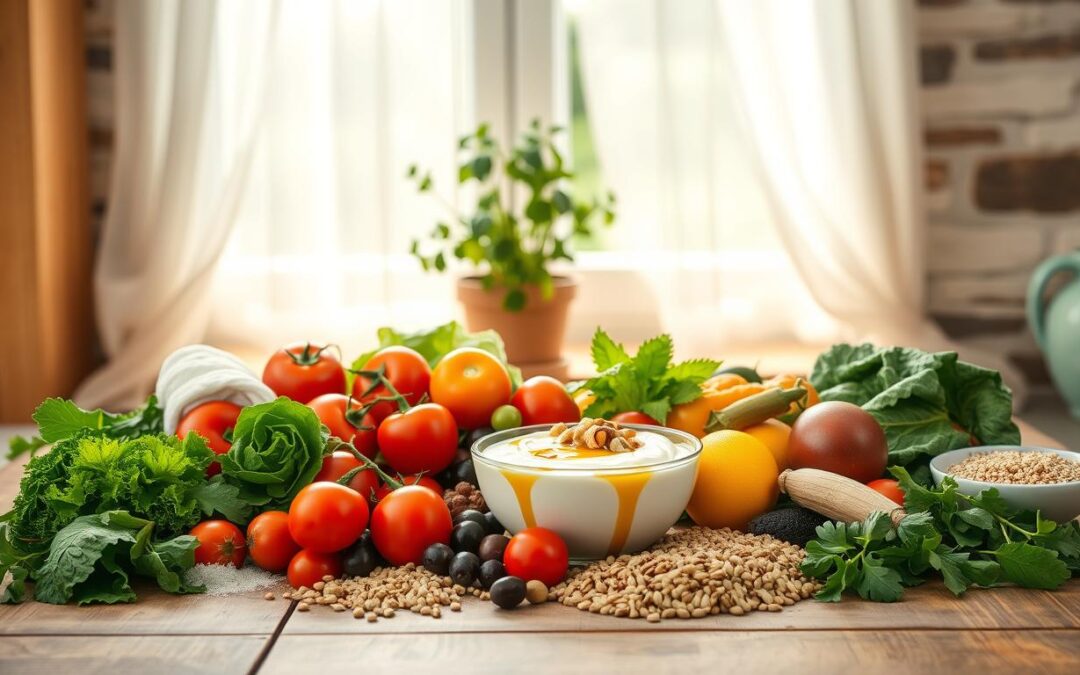
Do you ever wonder if your daily digestive discomfort is just part of modern life? Many people deal with bloating and irregular bowel movements. It feels like their body is fighting them.
You don’t have to live with feeling sluggish or uncomfortable every day.
The Mediterranean diet is a natural way to feel better. It focuses on whole, plant-based foods and healthy fats. This diet helps your body work better and boosts your energy.
By eating this way, you give your body what it needs to be healthy. It’s a gentle, effective way to improve your gut health without strict diets.
Start Your Journey Today
Key Takeaways
- Focus on plant-based ingredients to increase your daily fiber intake naturally.
- Replace processed fats with extra virgin olive oil to reduce systemic inflammation.
- Prioritize whole grains and legumes to maintain consistent digestive regularity.
- Incorporate omega-3 rich fish to support your body’s internal balance.
- Limit red meats and refined sugars to minimize stress on your digestive system.
The Connection Between Your Gut and Your Daily Energy
Ever feel like your brain is running out of battery in the afternoon? We’ve all been there, staring at screens with no energy. Your diet for bowel health affects how you feel all day.
A slow digestive system makes you feel tired. Eating right can stop that afternoon slump. It’s about making small changes for better health.
Why Your Digestion Dictates Your Mood
Your gut is like a second brain. It makes a lot of serotonin, which keeps you feeling good. When your gut is upset, you might feel sad or confused.
Studies show a healthy gut helps your mind stay clear. Eating well feeds your brain, making you feel happier. A happy belly means a better mood.
The Mediterranean Approach to Feeling Lighter
You don’t need to change everything at once. The Mediterranean diet is a gentle, tasty way to eat. It’s linked to less heart disease, cancer, and diabetes.
This diet for bowel health makes you feel good without counting calories. It’s about eating whole foods for lasting energy. Here’s how it compares to usual eating:
| Habit Type | Typical Modern Routine | Mediterranean Approach |
|---|---|---|
| Primary Fuel | Processed sugars and snacks | Fiber-rich plants and healthy fats |
| Energy Levels | Sharp spikes and sudden crashes | Consistent, steady vitality |
| Mental Clarity | Frequent afternoon brain fog | Sustained focus and mood balance |
| Long-term Impact | Increased inflammation risk | Reduced chronic disease markers |
Essential Foods for Colon Health That Fit a Mediterranean Eating Pattern
Choosing the right foods is key to feeling good every day. These foods for colon health help your body work well. They give you energy and keep you healthy.
The Power of Extra Virgin Olive Oil
Extra virgin olive oil is a main part of a Mediterranean diet. It has good fats and antioxidants. These help your body stay healthy and fight off sickness.
Legumes and Pulses: The Unsung Heroes
Legumes like lentils, chickpeas, and black beans are great for your gut. Try to eat them at least three times a week. They help your gut stay healthy by feeding good bacteria.
- Beans and Lentils: Aim for 3 servings per week.
- Fresh Vegetables: Include at least 3 servings daily.
- Fresh Fruit: Enjoy 3 servings every day.
- Fish: Incorporate 3 servings weekly for omega-3 support.
Whole Grains for Sustained Vitality
Switching to whole grains like farro, barley, and quinoa can make you feel better. They give you energy slowly, unlike processed foods. Eating these foods for colon health helps your body get the fiber it needs.
High Fiber Foods for Gut Resilience and Mood
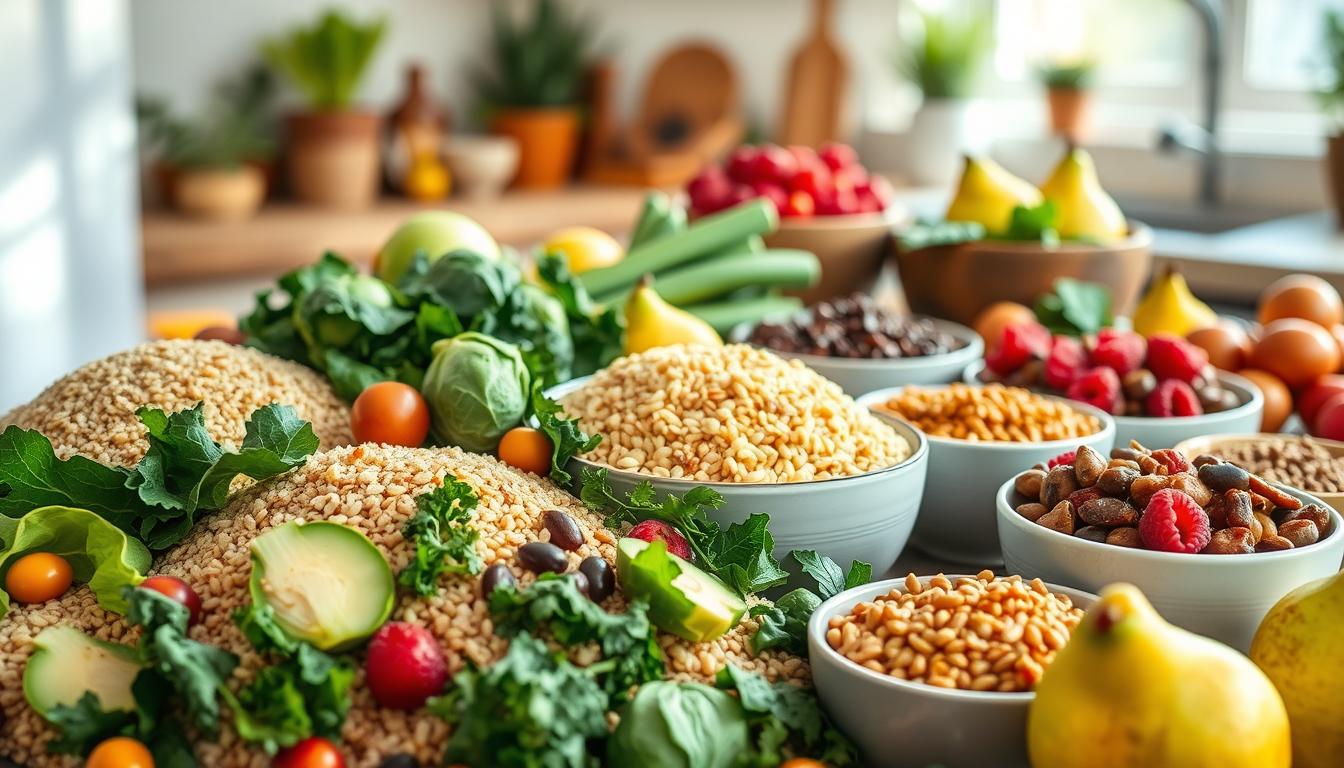
Fiber is key for a healthy colon and mood. Eating high fiber foods for gut health helps your system work well. This change can boost your energy every day.
Leafy Greens and Cruciferous Vegetables
Leafy greens like spinach, kale, and Swiss chard are full of good stuff for your gut. Adding them to your meals boosts insoluble fiber. This helps waste move through your colon.
Cruciferous veggies like broccoli, cauliflower, and Brussels sprouts are great too. They help keep your gut lining healthy. Eating them often is part of the Mediterranean diet.
Berries and Stone Fruits for Antioxidant Support
Berries and stone fruits are full of soluble fiber and antioxidants. Eating blueberries, raspberries, or peaches at breakfast keeps your blood sugar steady. This helps you stay calm and avoid energy crashes.
These fruits also feed your good gut bacteria. This strengthens your body’s defenses. Eating colorful fruits gives you lots of nutrients in every bite.
Nuts and Seeds: Small Bites with Big Benefits
Nuts and seeds are packed with healthy fats and fiber. They’re easy to add to many foods. Eating at least 3 servings a week is good for your colon and heart.
- Walnuts: Rich in omega-3 fatty acids for brain and gut support.
- Chia Seeds: Excellent for hydration and digestive regularity.
- Almonds: Provide a satisfying crunch and essential vitamin E.
- Flaxseeds: A great source of fiber that supports smooth digestion.
Adding these small foods makes a big difference in your gut health. By eating high fiber foods for gut health, you’re investing in your future health and happiness.
Mediterranean Diet Colon Health: Beyond Just Fiber
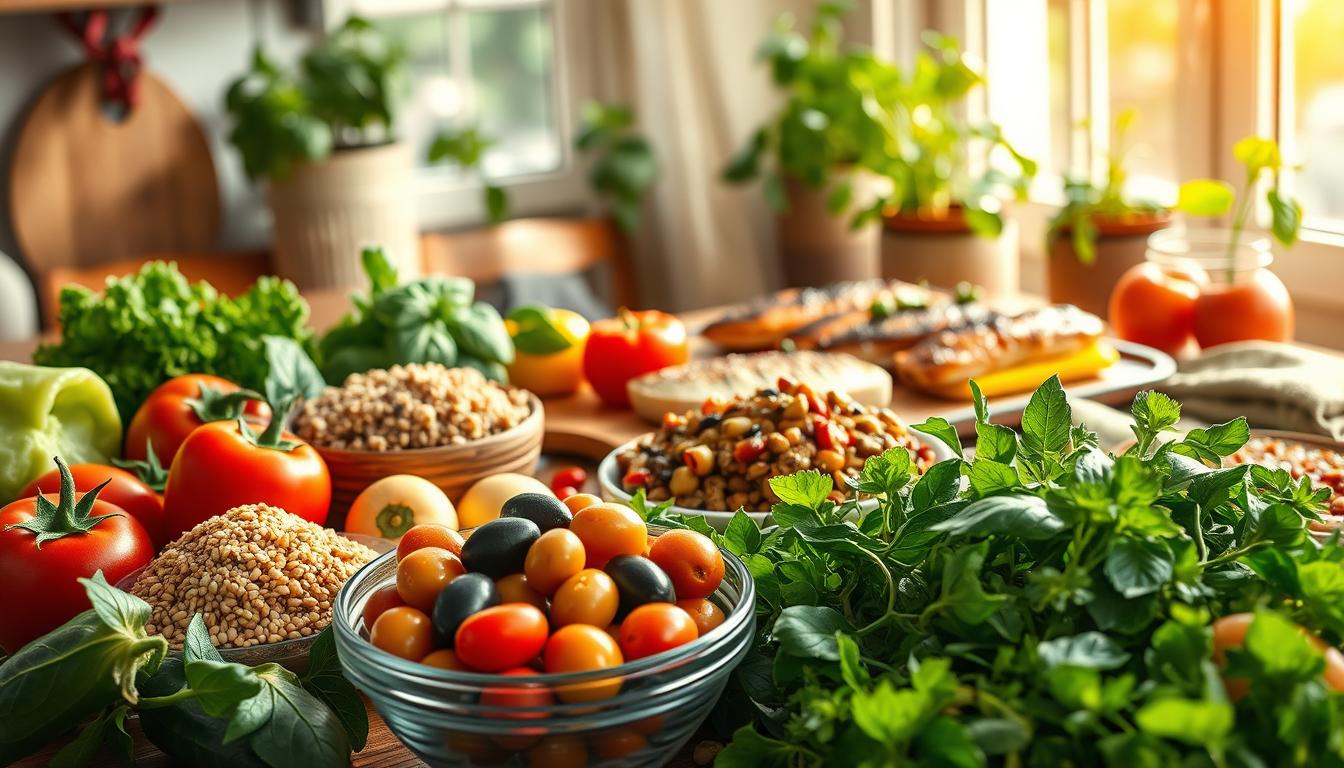
Did you know your bowel health is more than fiber? Fiber is key for digestion, but wellness needs a mix of nutrients. A Mediterranean diet colon health plan looks at your whole day.
The Role of Fermented Foods
Fermented foods help your gut stay healthy. They add good bacteria to your gut environment. Adding them to your diet boosts your diet for bowel health.
- Greek yogurt or kefir for breakfast.
- Sauerkraut or kimchi as a side dish.
- Miso paste for savory soups and dressings.
Hydration and Herbal Infusions
Water helps your digestion run smoothly. Even with lots of fiber, not enough water can cause problems. Herbal teas are a gentle way to drink water and ease your system.
Try drinking peppermint or ginger tea after meals. These teas help avoid digestive issues and keep your body working well. Drinking enough water is a simple but effective step for your health.
Why Quality Fats Matter for Bowel Health
Healthy fats help your body absorb nutrients and keep your gut lining strong. The Mediterranean diet focuses on good fats like olive oil. These fats reduce inflammation in your body.
Watch how much red meat you eat, like beef, pork, or lamb. Try to eat it only once a week. This small change can greatly improve your Mediterranean diet colon health and energy.
Practical Tools for Your Kitchen Journey
Starting your journey to better gut health is easy with the right tools. We want your transition to be smooth and fun. By focusing on high fiber foods for gut health, you’re building a strong foundation for your well-being.
Your Downloadable Grocery List for Gut Success
We’ve made a shopping guide to help you stock your pantry. It focuses on high fiber foods for gut health. You’ll find fresh produce and pantry staples that follow Mediterranean principles.
A Simple 7-Day Mediterranean Meal Plan
Our 7-day plan makes mealtime easy. It includes whole grains like oats, barley, quinoa, and brown rice to keep you energized. Each day offers balanced nutrition and keeps your gut happy.
Try new flavors and eat high fiber foods for gut support. Download the meal plan and shopping guide by clicking the link below. Start your transformation today.
Download Your 7-Day Meal Plan Now
Sharing the Wellness: A Message for Your Friends
Wellness is better when shared. If you like these resources, tell your friends. Say, “I’m starting a new journey toward better digestion with a Mediterranean plan. I’d love for you to join me!”
Invite your friends to focus on high fiber foods for gut health. Copy and paste this note to invite them. Together, you can make lasting changes for better health and mood every day.
Conclusion
Starting a Mediterranean diet can change your body every day. Focus on three main things. Eat lots of plants, choose good fats, and stay consistent for a strong gut.
Frequently Asked Questions
Can I eat dairy on this plan? Yes, pick fermented foods like Greek yogurt or kefir. Does it help with bloating? Many say fiber-rich plants help digestion and lessen discomfort. Is olive oil good for cooking? Extra virgin olive oil is a healthy choice for most meals.
Will this diet fit my busy life? Simple changes like adding beans to salads make it easy.
Important Note
This info is for learning only. Talk to your doctor or a dietitian before big diet changes. Always get professional advice for health issues.
Studies from the Mayo Clinic and the American Heart Association back these diet tips. Start this journey for a healthy body. Your effort to eat better will lead to a brighter, healthier future.
# Foods for Colon Health That Fit a Mediterranean Eating Pattern
If you’ve struggled with bloating or digestive issues, you know how tough it can be. The good news is, you don’t need a strict diet to feel better. A Mediterranean diet is a great choice because it focuses on foods that are good for your gut and overall health.
Quick Answer: How it Works Choosing a plant-based diet is backed by science. It helps your gut work better and gives you more energy. By eating foods like fruits, veggies, and healthy fats, you help your gut thrive. This diet also reduces inflammation and helps you feel balanced every day.
[Start Your Journey Today]
—
## The Connection Between Your Gut and Your Daily Energy
### Why Your Digestion Dictates Your Mood
Your gut is like your “second brain.” It makes a lot of serotonin, which affects your mood. If your digestion is slow, you might feel tired or sluggish. This is because your gut and brain are connected.
### The Mediterranean Approach to Feeling Lighter
The Mediterranean lifestyle is all about balance. It’s not about cutting out foods you love. Instead, it’s about eating more whole, healthy foods. This can help you avoid feeling tired in the afternoon.
—
## Essential Foods for Colon Health That Fit a Mediterranean Eating Pattern
### The Power of Extra Virgin Olive Oil
In the Mediterranean, olive oil is a treasure. It’s full of healthy fats that help your colon. Use it for cooking and dressing salads to keep things moving.
### Legumes and Pulses: The Unsung Heroes
Legumes are key for a healthy Mediterranean diet. They include foods like chickpeas and lentils. These are great for your gut bacteria.
### Whole Grains for Sustained Vitality
Don’t be afraid of carbs. Choose whole grains like quinoa and oats. They help you stay regular. Also, eating fish like salmon three times a week is good for your gut.
—
## High Fiber Foods for Gut Resilience and Mood
### Leafy Greens and Cruciferous Vegetables
Fiber is vital for a healthy gut. Eat 1 to 4 servings of veggies a day. Leafy greens and broccoli are great for your gut.
### Berries and Stone Fruits for Antioxidant Support
For a sweet treat, try berries and peaches. They’re full of antioxidants and fiber. This helps your blood sugar and bowel movements.
### Nuts and Seeds: Small Bites with Big Benefits
Nuts and seeds are packed with fiber and healthy fats. They’re perfect for a snack. They help keep your gut and mood healthy.
—
## Mediterranean Diet Colon Health: Beyond Just Fiber
### The Role of Fermented Foods
Fermented foods like yogurt and kombucha are important. They add good bacteria to your gut. This boosts your immune system.
### Hydration and Herbal Infusions
Drinking water is key for fiber to work right. Herbal teas like peppermint can also help your gut.
### Why Quality Fats Matter for Bowel Health
The Mediterranean diet focuses on all nutrients. Limit red meat to once a week. This reduces inflammation in your colon.
—
## Practical Tools for Your Kitchen Journey
### Your Downloadable Grocery List for Gut Success
We have a grocery list to help you. It includes all the foods we’ve talked about. This list makes shopping easier.
### A Simple 7-Day Mediterranean Meal Plan
Our 7-day meal plan is easy to follow. It includes quick breakfasts and dinners. It’s perfect for busy people.
### Sharing the Wellness: A Message for Your Friends
Wellness is better when shared. We have a message you can send to friends. Invite them to try the Mediterranean diet with you.
[Access Your Resources Now]
—
## Conclusion
Improving your colon health is easy. Focus on Mediterranean foods like legumes, olive oil, and veggies. Your gut, mood, and energy will thank you.
—
## FAQ
### Q: What are the best foods for colon health on a budget?
A: You don’t have to spend a lot to support your gut. Foods like lentils, chickpeas, and frozen veggies are affordable. Buying whole grains in bulk is also a good idea.
### Q: How many high fiber foods for gut health should I eat daily?
A: Aim for 25 to 35 grams of fiber a day. In a Mediterranean diet, you can get this from veggies, beans, nuts, and whole grains.
### Q: Can a Mediterranean diet colon health plan help with bloating?
A: Yes! A Mediterranean diet replaces bad foods with healthy fats and fiber. This helps reduce bloating and discomfort.
### Q: Is it necessary to cut out red meat entirely for a diet for bowel health?
A: You don’t have to give up red meat completely. But eating it less often is better. Choose fish and plant-based proteins instead.
### Q: How quickly will I see results from eating more high fiber foods for the gut?
A: Results can vary, but many people feel better in 7 to 10 days. Eating more fiber and staying hydrated helps a lot.
