

Published February 25, 2026. This short guide explains a straightforward routine to lower your risk of heart disease and related problems.
Small daily habits target high blood pressure, cholesterol, weight, and stress - the main risk factors that raise the chance of a heart attack or stroke.
Understanding your personal risk is the first step. Know symptoms like chest discomfort and seek care fast to prevent an attack or stroke.
Medical experts still report heart disease as the leading cause of death in the U.S., so simple steps can make a big difference.
Want practical food tips to support blood pressure and heart health? See a concise guide on foods that help lower blood pressure here.
Understanding Heart Disease and Your Arteries
Many adults underestimate how slow changes in blood flow can harm the heart. This section explains what heart disease covers and why clogged vessels matter for long-term health.
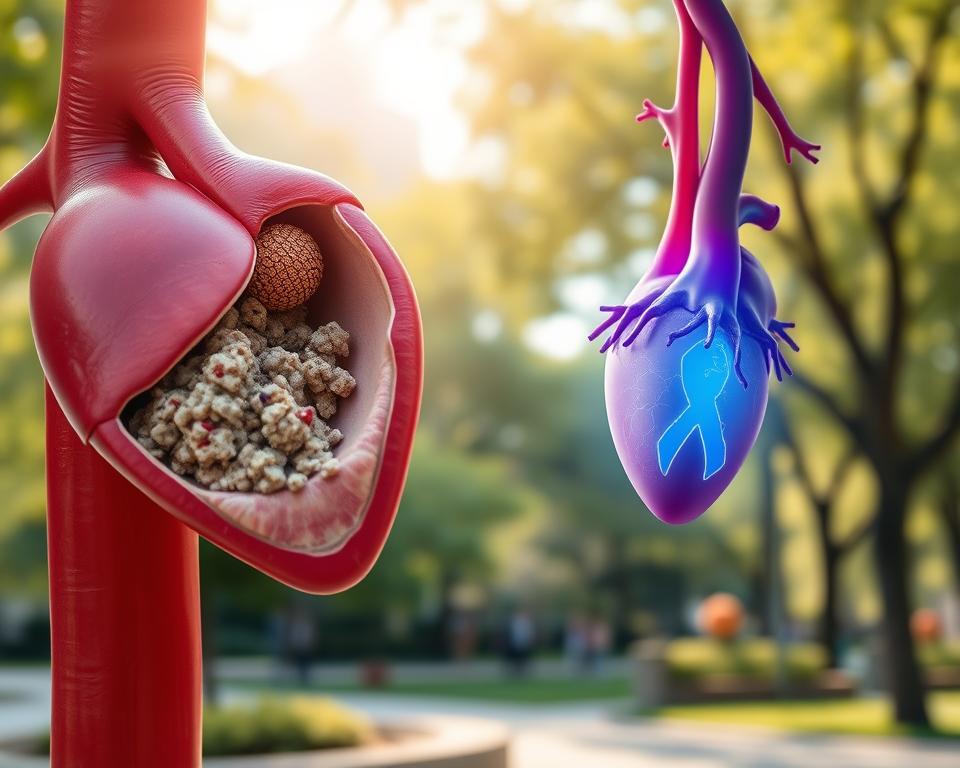
What is Heart Disease
Heart disease is an umbrella term for several conditions. It includes congenital defects and the most common U.S. problem, coronary artery disease.
Coronary disease means the heart gets less oxygen-rich blood. That raises the chance of chest pain, heart attack, and other serious outcomes.
How Arteries Become Clogged
Atherosclerosis happens when fatty deposits build up along artery walls. Over time, the narrowing reduces flow and forces the body to work harder to pump blood.
- Atherosclerosis underlies about 50% of deaths in Western countries.
- A 15-year study of 1,226 women 70+ found higher Allium vegetable intake tied to lower death risk.
- Knowing the risk factors helps people and clinicians slow disease progression.
Simple awareness of these processes makes prevention clearer and shows why early screening matters for men and women alike.
Implementing Your Healthy Arteries Lifestyle Plan
Quitting tobacco is the single most powerful step many people can take to lower their chance of heart problems. Start with a clear, realistic goal and ask for support.

The UC Davis Health Stop Tobacco Program and workshops offer professional care to help people quit. Use their resources to reduce your risk of heart disease and improve blood flow.
Small, steady habits beat occasional perfection. Focus on consistent daily actions you can keep up. Over months, these steps improve circulation and cut the chance of a heart attack.
Your heart and blood vessels begin to heal once you commit to a smoke-free routine. Expect measurable gains in one year when you combine quitting with regular care from your primary provider.
- Get support: enroll in programs or counseling.
- Stay steady: favor regular, manageable habits.
- See your clinician: track progress and adjust care.
Consistent steps and professional care help you lower risk and keep your heart working well over time.
Prioritizing Heart-Healthy Nutrition
Choosing the right foods each day makes a measurable difference in heart and blood health. Focus on simple swaps that cut cholesterol, lower pressure, and help prevent plaque buildup.
Fiber-Rich Choices
Oats, beans, and whole grains add soluble fiber that lowers LDL cholesterol. A study of 716 people with coronary artery disease found oat fiber linked to lower LDL and fewer revascularization procedures.
Eating fiber-rich foods can help prevent plaque and improve blood levels over time.
Healthy Fats and Oils
Use extra-virgin olive oil and include nuts and seeds to improve blood flow. Regular servings of fatty fish give omega-3s that reduce inflammation and cut risk heart disease.
Small portions of nuts or a drizzle of oil work well in daily meals.
Antioxidant-Packed Produce
Leafy greens and berries lower high blood pressure and support artery function. One serving of greens daily links to a 12-18% lower risk of cardiovascular disease.
Dark chocolate (70%+ cocoa, 1-2 ounces) provides polyphenols that help prevent arterial inflammation.
For concise food guidance, see a list of science-backed blood pressure foods.
The Role of Physical Activity in Cardiovascular Health
Daily movement can protect your heart and improve circulation more than you might expect. Regular activity strengthens the heart muscle and helps the body manage blood pressure and cholesterol.
Target Minutes and Types of Exercise
Adults should aim for at least 150 minutes of moderate aerobic activity or 75 minutes of vigorous activity each week.
Include brisk walking, cycling, or swimming to help control weight and lower the risk of stroke and heart attack.
- Strength training at least two days weekly supports overall fitness and long-term heart health.
- Start with short walks if you are new to exercise to avoid overexertion and build endurance.
- Being active also makes it easier to notice signs and symptoms if your body changes.
| Activity | Weekly Target | Key Benefit |
|---|---|---|
| Moderate aerobic (walking, cycling) | 150 minutes | Improves blood flow and lowers blood pressure |
| Vigorous aerobic (running, fast cycling) | 75 minutes | Boosts endurance and cuts cardiovascular risk |
| Strength training | 2+ sessions | Builds muscle and supports weight management |
Managing Stress for Better Heart Function
Short, regular pauses for relaxation help your heart work more efficiently over time. Stress raises blood pressure and adds pressure to the circulatory system. That can push someone toward poor habits like overeating or extra drinking.
Simple practices protect both blood markers and mood. Try five to ten minutes daily of deep breathing, guided meditation, or gentle yoga. These tools can lower blood pressure and help cholesterol stay in a healthier range.
- Cut back on social media and screen time to reduce constant worry and mental fatigue.
- Set clear boundaries at work and home to prevent burnout and restore balance.
- Talk with a counselor if you notice persistent symptoms of anxiety or stress-related problems.
Small, steady habits make a real difference. Managing stress is a practical step to lower your long-term risk of heart disease and to protect your arteries from stress-related damage.
Improving Sleep Quality for Long-Term Wellness
Most adults need seven to nine hours of sleep per night to help prevent the high blood pressure and excess weight linked to heart disease. Poor sleep quality raises the risk of diabetes and adds to long-term strain on the body.
Keep your bedroom cool, dark, and quiet. These simple changes help people reach restorative rest. A steady bedtime routine improves metabolic markers that matter for heart health.
“Prioritizing sleep is one of the easiest steps people can take to support the heart and keep the body functioning well.”
If you struggle with sleep apnea or insomnia, talk with your provider. Treating these conditions protects arteries from long-term damage and lowers overall disease risk.
| Tip | Why it helps | When to act |
|---|---|---|
| 7-9 hours nightly | Reduces blood pressure and weight gain risk | Start tonight |
| Cool, dark, quiet room | Improves sleep depth and recovery | Implement now |
| Consistent bedtime routine | Supports metabolic health and sleep quality | Within 2 weeks |
Reducing Alcohol Intake to Protect Your Heart
Small shifts in drinking habits can reduce the long-term risk of heart attack and related disease.
Drinking too much alcohol raises blood pressure and can increase the chance of stroke. Over time, excess use also worsens cholesterol and other blood markers that matter for heart disease.
Reducing intake is a proactive step that can help prevent serious cardiovascular problems. Even modest cuts show benefits in months, not years.
- If cutting back feels hard, ask your healthcare provider for resources to manage blood pressure and cholesterol.
- Alcohol misuse links to certain cancers and depression, which can indirectly add to heart problems.
- Watch for symptoms like irregular heartbeat, rising pressure, or unusual shortness of breath and seek care early.
| Action | Short-term effect | Long-term benefit |
|---|---|---|
| Cut servings by half | Lower daily calories | Reduced blood pressure |
| Limit to no more than 1-2 drinks on occasion | Less rhythm disturbance | Lower risk of heart attack and stroke |
| Seek professional support | Better coping tools | Improved cholesterol and overall heart health |
Essential Screenings for Blood Pressure and Cholesterol
Routine screenings catch silent problems before they cause an emergency. Regular checks make it easier to spot changes in your blood pressure, cholesterol, and glucose early. That helps you and your clinician lower risk and act quickly if numbers shift.
Monitoring Blood Glucose
Start screening at the right age. People age 45 and older should have blood glucose checked regularly to detect prediabetes or diabetes.
Keeping glucose levels in range prevents damage to the heart and kidneys. If you have risk factors, your provider may test earlier and more often.
Regular Cholesterol Checks
Get cholesterol measured at least every 4 to 6 years to track LDL, HDL, and total numbers. Those results show how well your body is managing fat and inflammation linked to heart disease.
Blood pressure checks should begin at age 18. High blood pressure often has no symptoms, so regular care is the only way to know if your numbers are healthy.
- Blood pressure from age 18 helps lower risk of heart disease and stroke.
- Cholesterol every 4-6 years keeps an eye on artery and heart function.
- Glucose screening for those 45+ helps prevent diabetes and protects the heart.
Know the signs and get timely care. Screening results guide the steps you and your clinician take to lower risk and prevent a heart attack. For more on practical screening goals, see life’s essential eight.
Recognizing Warning Signs of Heart Emergencies
Recognizing early warning signs can change the outcome when the heart is under sudden stress. Surabhi Madwhal Atreja, associate professor of cardiology at UC Davis Health, stresses that quick intervention during a heart attack often makes the difference between survival and severe harm.
Common signs include chest discomfort, shortness of breath, and an irregular heartbeat. These symptoms may show differently in men and women.
Never ignore sudden pain or unusual pressure in the arms, back, jaw, or neck. Subtle symptoms can signal a heart attack stroke and need urgent attention.
- Act fast: if you suspect an attack, call 911 immediately to get emergency care that can restore blood flow.
- Know your risk factors: understanding coronary artery disease and other conditions helps people spot a life-threatening event sooner.
- Seek care early: time is critical because heart disease remains a leading cause of death.
“Quick intervention for a heart attack can make the difference in surviving a cardiac emergency.”
Small Daily Habits That Create Lasting Change
Tiny, consistent choices each day add up to big protection for your heart over time. Pick whole foods over processed options and your meals start to work for you. That one swap helps reduce plaque buildup and lowers long-term risk of heart disease.
Consistency beats intensity. A 10-minute walk, regular sleep times, and mindful meals matter more than occasional extremes. These steady habits keep markers like blood pressure and cholesterol in better range.
Focus on nutrient-dense foods and simple swaps. Choose water instead of sugary drinks. Pick whole grains, beans, vegetables, and lean proteins to support heart health and cut your chance of chronic disease.
- Swap: water for soda to lower added sugar and calories.
- Choose: whole foods over packaged snacks to reduce processed fat and salt.
- Repeat: small actions daily to build lasting change.
Every positive choice you make today contributes to a stronger future. Small steps now reduce risk and help protect your arteries so you avoid serious disease down the road.
Conclusion
Small, repeatable habits each day add up to better heart outcomes down the road. Prioritizing your heart health through simple, consistent daily actions is the most effective way to lower risk of heart disease.
Monitor blood pressure, cholesterol, and glucose so you can help prevent serious cardiovascular disease before it becomes an emergency. Regular checks give you and your clinician data to act early and reduce long-term danger.
Keep changes realistic: steady diet shifts, modest activity, and stress pauses build a strong base for lasting health. Read more on how lifestyle modifications cut cardiovascular risk in this review: lifestyle modifications and CVD prevention.
Stay informed about your personal risk and seek professional care if you see warning signs. Get well and stay well,
Ray Baker.
