

Making smart choices today can help lower risk as you age. The American Cancer Society offers clear guidelines that many people follow to reduce cancer risk. Simple steps—like regular physical activity and a balanced diet—matter a lot.
Small routines add up. Aim for steady physical activity most days, keep a healthy weight, and pick foods that support overall health. Limiting alcohol and avoiding tobacco are proven ways to protect your body.
Screening and early treatment remain key. Talk with your doctor about colorectal cancer checks and other tests. Even brief efforts each week—minutes of exercise, swapping processed meat for plant foods—can reduce risk over time.
It’s never too late to start. Adopting a sensible lifestyle after 50 helps you feel better and may lower your chance of serious illness. Use these evidence-based habits to take control of your health, one day at a time.
Understanding Cancer Risk After Fifty
Understanding how cells change over time shows why some choices raise risk.
The Biology of Cell Change
Cells accumulate damage as the body ages. Small errors in DNA can grow into tumors if not repaired.
In 2023, about 2 million people were diagnosed and roughly 610,000 died in the U.S., showing how vital it is to know your risk.

Lifestyle Factors and Aging
More than 40% of cases link to avoidable causes. Diet and physical activity matter. Maintaining a healthy weight helps lower risk and supports the immune system.
Prostate is most common in men; breast cancer leads in women. Lung disease remains the top killer, and colorectal cancer is also a concern.
| Factor | Impact | Action |
|---|---|---|
| Diet | Influences inflammation and weight | Choose whole foods, fiber-rich options |
| Physical activity | Boosts immunity and limits fat | Aim for regular movement each week |
| Screening | Detects changes early | Talk to your doctor about tests |
Takeaway: Learn how biology and habits combine over time so you can make informed choices that reduce future risk.
Adopting a Cancer Prevention Lifestyle After 50
Small, steady habits shape long-term health and can cut future risk. Experts at the UC Davis Comprehensive Cancer Center note that day-to-day choices are powerful tools.
Up to half of preventable cases link to the foods people eat and how active they are. Maintaining a healthy weight matters because excess body fat raises hormones that can fuel growth.
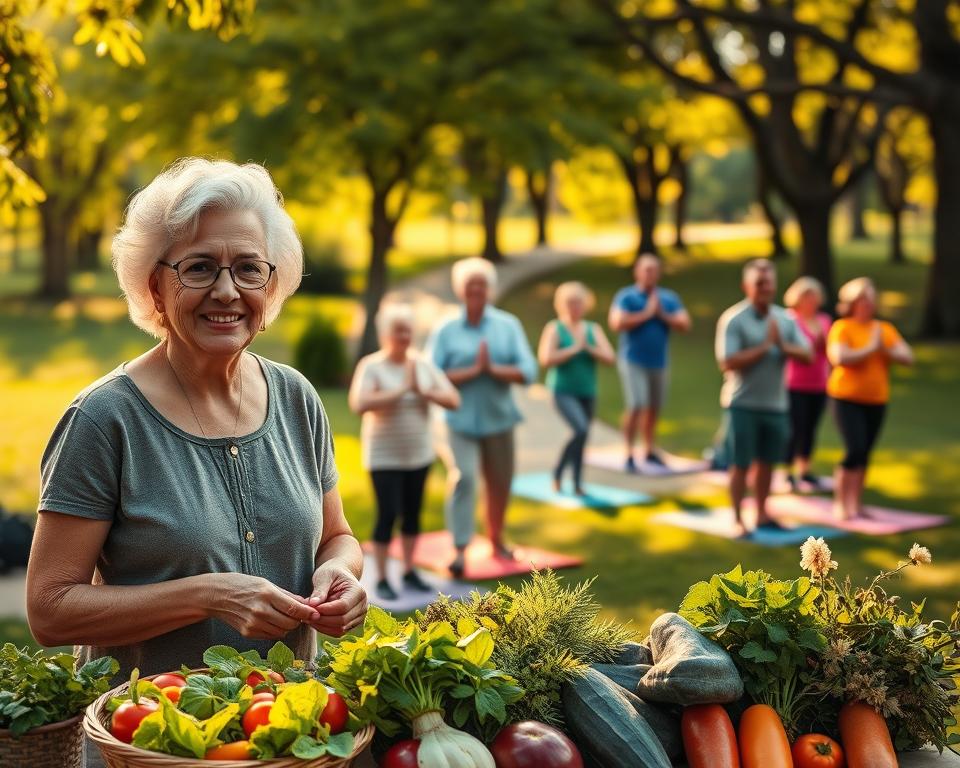
“Choosing more plant-based foods and limiting alcohol, while staying active, gives your body better defenses.”
Start with simple, sustainable moves. Focus on whole foods, regular physical activity, and modest weight loss if needed.
- Swap processed items for fiber-rich grains, fruits, and vegetables to improve diet and reduce risk.
- Aim for routine movement that supports hormone balance and immune function.
- Limit alcohol to lower overall risk and support long-term health for men and women.
Prioritizing Plant-Based Nutrition
A plant-forward plate can change daily risk by feeding healthy gut bacteria.
The American Cancer Society aligns with the 2020–2025 Dietary Guidelines for Americans. Aim for 2½ to 3 cups of vegetables and 1½ to 2 cups of fruit each day to meet nutrient needs and support weight control.
Benefits of Whole Grains
Make whole grains at least half of your grain choices. Foods like brown rice and oats link to a lower risk of colorectal cancer.
The Power of Fiber
Dietary fiber from whole plant foods helps gut bacteria and supports regular digestion. Fiber from foods beats supplements for long-term benefit.
Choosing Healthy Proteins
Pick beans, fish, and poultry more often than red and processed meats. These choices help manage weight and supply essential nutrients for women and men alike.
“Small, steady food changes add up and protect the body over time.”
| Focus | What to Choose | Weekly Goal | Benefit |
|---|---|---|---|
| Vegetables & Fruits | Varied colors, whole forms | 2½–3 cups veg; 1½–2 cups fruit daily | Vitamins, fiber, lower risk for many diseases |
| Whole Grains | Oats, brown rice, whole wheat | At least half of grain intake | Linked to lower colorectal cancer risk |
| Proteins | Beans, fish, poultry | Swap for red/processed meat several times a week | Supports weight, reduces risk cancer drivers |
For ideas on a higher-protein, plant-forward approach tailored to women, see a Mediterranean-style plan.
Managing Body Weight and Physical Activity
Keeping the body active and weight in a healthy range helps lower overall disease risk.
Aim for at least 150 minutes of moderate exercise, or 75 minutes of vigorous activity each week, per guidance from the American Institute for Cancer Research.
The link between excess body fat and hormone changes matters. Extra fat boosts estrogen and insulin, which can encourage growth in some cancers.
Regular physical activity helps control insulin resistance and improves blood markers. Exercise also raises antioxidant defenses that protect cells over time.
Recommended Exercise Guidelines
- Mix moderate and vigorous sessions; brisk walking, cycling, or swimming work well.
- Even short bouts—minutes several times a day—add up and help manage weight.
- Studies of people who walked or cycled show sizable reductions in risk for several cancers, including lung and colorectal cancer.
- Combine aerobic movement with strength work to support muscle and metabolic health.
“Staying active is one of the most effective ways to reduce risk and support long-term health.”
Limiting Red Meat and Processed Foods
Choosing what goes on your plate each week has a big effect on long-term health.
Processed meat was classed by the IARC in 2015 as a Group 1 carcinogen, meaning it is known to cause cancer. Red meat is in Group 2A and is considered probably carcinogenic.
Many people get a large share of daily calories from highly processed foods. These items often add fat, sugar, refined grains, and salt, which can drive weight gain and raise overall risk.
- Pick fish, poultry, beans, and legumes more often than red meat.
- Limit processed deli meats and sausages to cut exposure to known carcinogens.
- Plan meals each week to reduce reliance on ready-made, highly processed foods.
Research links red and processed meats to higher risks for several cancers, including breast cancer and prostate cancer. Avoiding tobacco and cutting processed meat are two strong moves anyone can make.
“Small changes to your grocery list can lower risk and help keep weight in a healthy range.”
The Role of Alcohol and Sugar in Cancer Risk
What you sip and sweeten can change body weight and long-term health.
The American Cancer Society notes that the surest way to lower cancer risk is to avoid alcohol entirely. If you choose to drink, limit intake to no more than two drinks per day for men and one drink for women.
Added sugars and sweetened drinks raise the chance of weight gain. The Dietary Guidelines for Americans advise keeping added sugars to under 10% of daily calories. Managing sugar helps control weight and can help reduce cancer risk.
“Cutting back on alcohol and sugary beverages often gives people more energy and better performance during weekly physical activity.”
| Factor | Effect | Practical step |
|---|---|---|
| Alcohol | Raises risk for breast, colon, liver, lung, kidney | Avoid or limit to 2/day men, 1/day women |
| Added sugars | Linked to weight gain and higher long-term risk | Keep |
| Combined impact | Higher calories, lower fitness, more risk | Swap sugary drinks for water and limit servings of alcohol |
Takeaway: Be mindful of drink choices and labels. For a deeper research overview, see related evidence.
Protecting Your Skin from Sun Damage
Shielding your skin from strong sunlight is a simple step with big benefits for long-term health. Skin cancer is the most common cancer in the United States, yet it is also one of the most preventable.
Use sunscreen every day on exposed skin and reapply after swimming or heavy sweat. Seek shade and avoid being outside between 10 a.m. and 4 p.m., when UV rays are strongest.
Skip tanning beds and limit long, direct sun exposure. Wear wide-brim hats, sunglasses, and UPF clothing to protect your body while enjoying outdoor time.
- Consistent sun protection is a small habit that helps lower risk for the most common cancers.
- Check your skin monthly and see a doctor for any new or changing spots.
- Combine sun safety with a healthy diet and regular physical activity for overall well-being.
“Sun safety is a lifelong commitment — a few daily steps give big returns over time.”
Staying Current with Vaccinations and Screenings
Keeping up with vaccines and routine checks gives you a practical edge in spotting health issues early. Routine tests and timely shots help catch treatable changes in the body when treatment works best.
Importance of Early Detection
Early detection improves outcomes and survival. The CDC recommends screenings for breast, cervical, colorectal, and lung conditions to find problems sooner.
Many people schedule exams at the same time each year to stay consistent. Regular self-exams also help you notice changes fast.
Viral Infections and Cancer
- The HPV vaccine protects against about 90% of cancers caused by human papillomavirus and is offered to younger people.
- The hepatitis B vaccine prevents HBV infection, which can lead to liver cancer and serious liver disease.
- Talk with your doctor about which shots and tests fit your age, health history, and prostate or breast screening needs.
| Action | What it helps find | Recommended for |
|---|---|---|
| Breast screening | Breast cancer changes | Women, per CDC schedule |
| Colorectal screening | Polyps, colorectal cancer | Adults at recommended ages |
| Vaccines (HPV, HBV) | Virus-linked cancers | Younger people (HPV) and all ages (HBV) |
“Early detection is the most important factor in successful treatment.”
Knowing Your Family Health History
Gathering health details from blood relatives gives clear clues about inherited risks.
The CDC recommends collecting history from parents, siblings, and other blood-related family members. Ask which conditions relatives had and the age at diagnosis.
Knowing if your family has breast cancer, colorectal cancer, or prostate cases helps your doctor tailor screening and tests. This information shapes a personalized plan based on risk and age.
- Record diagnoses and ages to share with your primary care provider.
- Discuss patterns of cancers and other serious diseases in the family.
- Use the history to decide earlier or more frequent screening when needed.
“A simple family tree of health makes medical decisions clearer for you and your doctor.”
| Item | What to Ask | Why It Matters |
|---|---|---|
| Parent or sibling history | Type of disease and age at diagnosis | Identifies inherited risk and timing for tests |
| Multiple affected relatives | Number of relatives with similar cancers | May trigger genetic counseling or earlier screening |
| Related conditions | Other serious diseases (heart, diabetes) | Helps shape diet, physical activity, and monitoring |
Conclusion
Making clear, manageable choices each week helps protect your future well-being. Focus on healthy food, regular activity, and timely screenings to lower your long-term risk. Small steps add up and stay doable over time.
Know your family history and work with your doctor to tailor plans. One thoughtful plan can reduce one’s risk for several conditions, including breast issues, and help catch changes early.
For practical meal and habit ideas, see this Mediterranean guide. Take charge now—your future self will thank you. Get well and stay well,
Ray Baker.
