
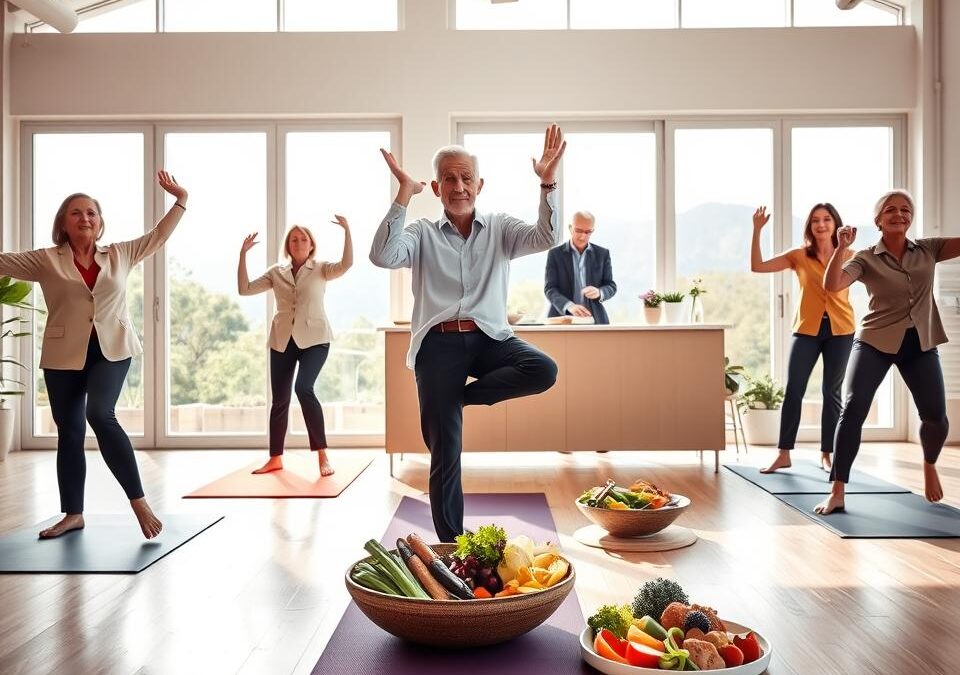
More than one in four older adults experience a fall each year, so taking action now makes a big difference for your long-term health. Small steps that improve balance and muscle strength help you stay active and independent.
Talk with your doctor about any changes in balance or muscle loss. Managing medications and blood pressure is part of good care and can prevent serious injuries.
Simple daily exercises and using steady support when walking will improve balance and strength over time. Check your home for hazards and fix them early to avoid pain and complications.
Eating to keep energy steady also helps your stability. For ideas on meals that support steady energy and fullness, see a helpful guide on foods that keep you full longer: smart meal choices for lasting energy.
Understanding Why You Need to Reduce Fall Risk After 50
Diving into the facts helps you make smart choices. In 2021, the Centers for Disease Control and Prevention reported that falls caused over 38,000 deaths among adults 65 and older.
Emergency departments also recorded nearly 3 million visits that year for older adults. These numbers show how serious the threat to health and independence can be.
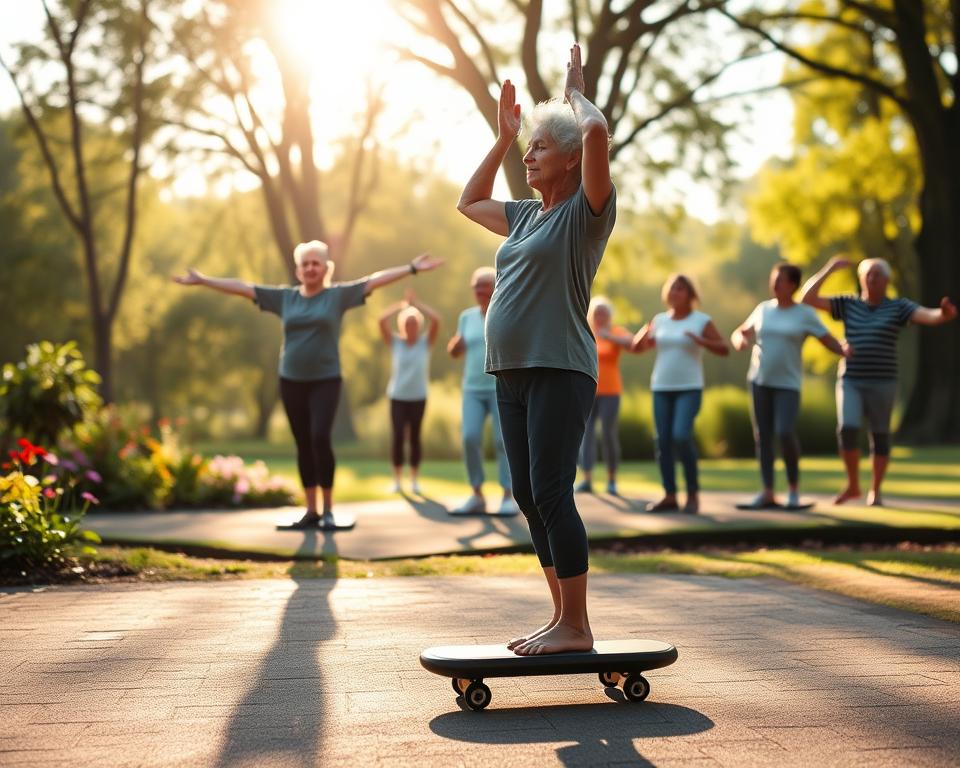
Your doctor plays a key role. They can review medications and manage blood pressure or conditions that raise your risk falling.
“Small changes to strength and balance habits can protect mobility and avoid long-term problems.”
Want the full step-by-step guide, meal plans and recipes?Get the eBook for $27
- Watch for changes in balance or ability to walk.
- Talk with your doctor about medications and blood pressure.
- Start simple exercises to build strength and steady your body.
| Concern | Why It Matters | Simple Action |
|---|---|---|
| High blood pressure | Can cause dizziness and fainting | Monitor readings; follow care plan |
| Medication side effects | May reduce balance or alertness | Review meds with your doctor |
| Loss of strength | Leads to unstable steps | Do gentle strength exercises |
| Poor balance | Increases chance of injury | Practice balance drills regularly |
Identifying Common Causes and Early Warning Signs
Noticing small changes in strength or steadiness can help you act before a slip turns into a serious injury.
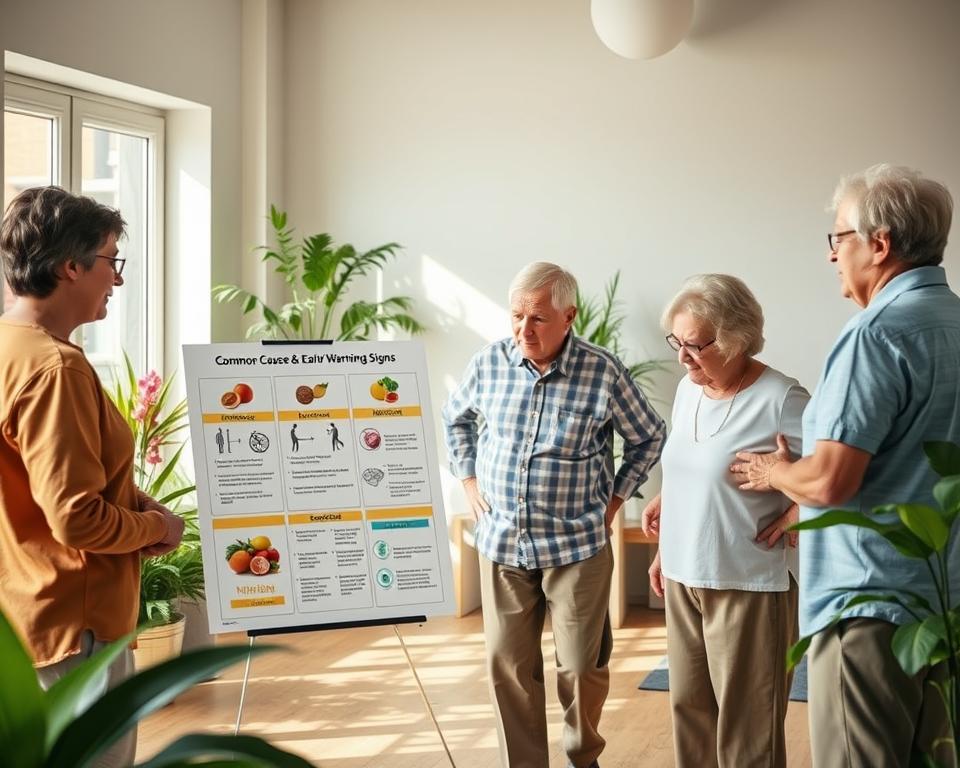
Sarcopenia is the age-related loss of muscle mass and strength. This decline often causes trouble standing, climbing stairs, or carrying items. It is a chief factor that raises the chance of falls for older adults.
The Role of Sarcopenia
Loss of muscle mass lowers power and slows reactions. Over years, this makes routine activities harder and reduces balance. Research links sarcopenia to weaker walking and more frequent incidents that lead to injury.
Recognizing Physical Red Flags
- New weakness, persistent pain, or trouble walking — talk to your doctor.
- Grabbing walls, feeling unsteady in low light, or tiring during chores are warning signs.
- Conditions like diabetes or heart disease affect balance and raise the chance of risk falling.
- Home hazards such as poor lighting or loose rugs pose extra danger for people with muscle loss.
| Sign | What it means | Quick action |
|---|---|---|
| Weak legs | Lower strength for standing and walking | Start gentle strength exercises; consult your doctor |
| Frequent fatigue | Body shows reduced muscle mass and endurance | Review activities; add short rest and light training |
| Dizziness or blood pressure swings | May cause loss of balance and fainting | Monitor blood pressure; check medications |
| Hazards at home | Loose rugs, clutter, and poor lighting increase problems | Fix hazards, improve lighting, remove tripping items |
Building Strength and Balance Through Targeted Exercise
A targeted movement plan helps your muscles, reflexes, and confidence. Start with short sessions that combine balance drills and lower-body strength work to improve walking and daily ability.
Static and dynamic balance training both matter. Static drills like single-leg stands and slow yoga poses teach control. Dynamic drills such as tai chi steps or controlled weight shifts train reactions during movement.
Static and Dynamic Balance Training
Try tai chi or yoga for gentle, proven gains. The National Institute on Aging recommends these activities to improve balance and muscle strength.
“Consistency in balance practice builds steadier steps and greater confidence when walking.”
Lower Body Strength Exercises
Focus on sit-to-stands, bridges, and calf raises. These exercises add support where your body needs it most.
- Use resistance bands or light weights to increase intensity.
- Aim for two or three short sessions per week.
- Include a support like a chair or cane when trying new moves.
Staying Active Through Hobbies
Gardening, dancing, and group classes keep you moving. These activities combine fun with practical strength and balance work.
| Exercise Type | Benefit | How to Start |
|---|---|---|
| Tai chi / Yoga | Improves balance and body awareness | Join a beginners class twice weekly |
| Strength training | Builds lower body support | Perform sit-to-stands and bridges 2–3x/week |
| Hobby activities | Maintains mobility and motivation | Pick dancing or gardening for 30 min sessions |
| Support use | Boosts confidence when walking | Use cane/walker in unfamiliar places |
Making Simple Safety Upgrades to Your Home Environment
A few smart updates at home can help you move with more confidence.
Start with lighting and floor safety. Install motion-activated night lights in hallways and bathrooms. Remove loose throw rugs and secure cords to prevent common hazards that affect older adults.
Use slip-resistant bath mats and keep often-used items within easy reach. These small steps give your body steady support during daily tasks and help maintain balance.
- Check lighting in stairways and entrances.
- Replace loose rugs with non-slip runners.
- Store frequently used items at waist height to avoid bending or reaching.
- Secure grab bars in showers and near toilets for added support.
| Upgrade | Why it helps | Where to use | Quick tip |
|---|---|---|---|
| Motion night lights | Improves visibility at night | Hallways, bedrooms, bathrooms | Place near paths to the bathroom |
| Non-slip mats | Prevents slips on wet floors | Bathroom, kitchen | Choose rubber-backed mats |
| Remove loose rugs | Eliminates tripping hazards | Living room, entryways | Use low-profile runners instead |
| Items within reach | Reduces risky stretching | Kitchen, pantry, bathroom | Keep daily items at arm level |
Your doctor may suggest these changes as part of ongoing care. Also review your medications with a clinician, since some drugs can cause dizziness that makes the home feel less safe.
For more room-by-room guidance, see preventing falls at home.
“Simple home fixes help people stay independent and move with confidence.”
Nutritional Habits and Lifestyle Choices for Bone Health
Strong bones depend on steady nutrition and simple lifestyle choices you can keep up.
The Importance of Calcium and Vitamin D
Calcium and vitamin D work together to keep bones dense and better able to withstand injury. Most adults get benefits from dairy, leafy greens, fortified foods, and safe sun exposure.
The National Institute on Aging recommends at least 150 minutes of physical activity per week to support bone health and muscle mass. Regular exercise helps balance and strength while protecting bone density.
- Talk with your doctor about screening for osteoporosis and any medication changes that affect bone health.
- Quit smoking and limit alcohol to help bones stay strong and lower the chance of serious injuries from a fall.
- Build muscle with resistance exercises to support the body and improve balance during daily activities.
“Simple nutrition and steady activity help people keep bones strong and maintain independence.”
| Focus | What to do | Why it helps |
|---|---|---|
| Calcium intake | Eat dairy, beans, leafy greens | Builds bone density to prevent fractures |
| Vitamin D | Fortified foods, sun, supplements | Improves calcium absorption and bone strength |
| Exercise | 150 min/week plus resistance work | Maintains muscle mass and balance |
| Lifestyle | Stop smoking; limit alcohol | Protects bone quality and lowers injury chances |
For guidance on vitamin choices tailored to older adults, see best vitamins for older adults.
Essential Steps to Take Immediately Following a Fall
After a fall, a slow breath and a brief body check help you decide the safest next step.
Stay still for a moment and breathe deeply. The National Institute on Aging advises waiting a few seconds to see if pain, dizziness, or numbness appears before you try to move.
If you are not badly hurt, roll onto your side and crawl to a sturdy chair. Use the chair for support and rise slowly, letting your blood pressure settle to avoid more dizziness.
Always tell your doctor about any falls, even when you feel fine. A report can reveal problems with medications, blood pressure, or balance that affect long-term health.
- If you cannot get up, call for help using a phone or an emergency response system.
- Use a walker or cane for extra support when you start walking again.
- Rest and check for pain or swelling; seek urgent care for head injuries, persistent pain, or trouble moving.
“If you are alone and cannot get up, call for help immediately.”
| Situation | Immediate action | Why it matters |
|---|---|---|
| No serious pain | Crawl to chair; stand slowly | Protects against a secondary injury from dizziness |
| Pain or inability to move | Call emergency help | Treats possible fractures or internal injuries quickly |
| Aftercare | Inform doctor; review medications | Identifies causes and improves future safety |
For detailed guidance on injuries and prevention, review the falls and fractures guidance from the National Institute on Aging.
Conclusion
Making simple habits part of your routine can pay off in steadier steps and better balance. Small, regular exercise sessions and brief home checks add up to real gains for older adults.
Early prevention is powerful. Start now and you may lower future odds from common falls by a large margin.
Keep practicing balance drills and strength moves, and use easy home upgrades. These practical tips are proven ways to help prevent falls and improve balance.
We hope these ideas help you feel more confident and secure in daily life. Get well and stay well,
Ray Baker
